
You’ve found the perfect body pillow, but the cover is missing, worn out, or just does not match your bedroom decor. Instead of buying a new one, why not make your own? Making a body pillow cover is a simple, budget-friendly sewing project that lets you customize size, fabric, and style.
This guide walks you through every step from measuring your pillow to choosing fabric, adding closures, and sewing a professional-looking cover in under two hours. Whether you are a beginner with a basic sewing machine or an experienced crafter, you will learn how to build a durable, washable, and beautifully finished cover that looks store-bought.
Measure Your Body Pillow Before Cutting Fabric
Know Standard Body Pillow Sizes
Most body pillows measure 50 inches long by 20 inches wide, but sizes range from 48 to 60 inches long and 18 to 24 inches wide. Older or compressed pillows may shrink over time, so always measure your actual pillow before cutting fabric. Even a 1-inch difference affects the fit significantly.
Calculate Fabric Dimensions Correctly
Use this formula to calculate your cutting dimensions:
- Length: Pillow length plus 4 inches for seam allowances
- Width: Pillow width multiplied by 2, plus 2 inches for side seams
For example, a 50-inch by 20-inch pillow requires cutting fabric to 54 inches by 42 inches. Always add 1 inch total for seam allowances. If you prefer a snug fit, use 1¼ yards of fabric. For a standard fit on a new pillow, use 1½ yards. For a fuller fit with extra overlap, use 1¾ yards.
Choose the Best Fabric for Your Cover
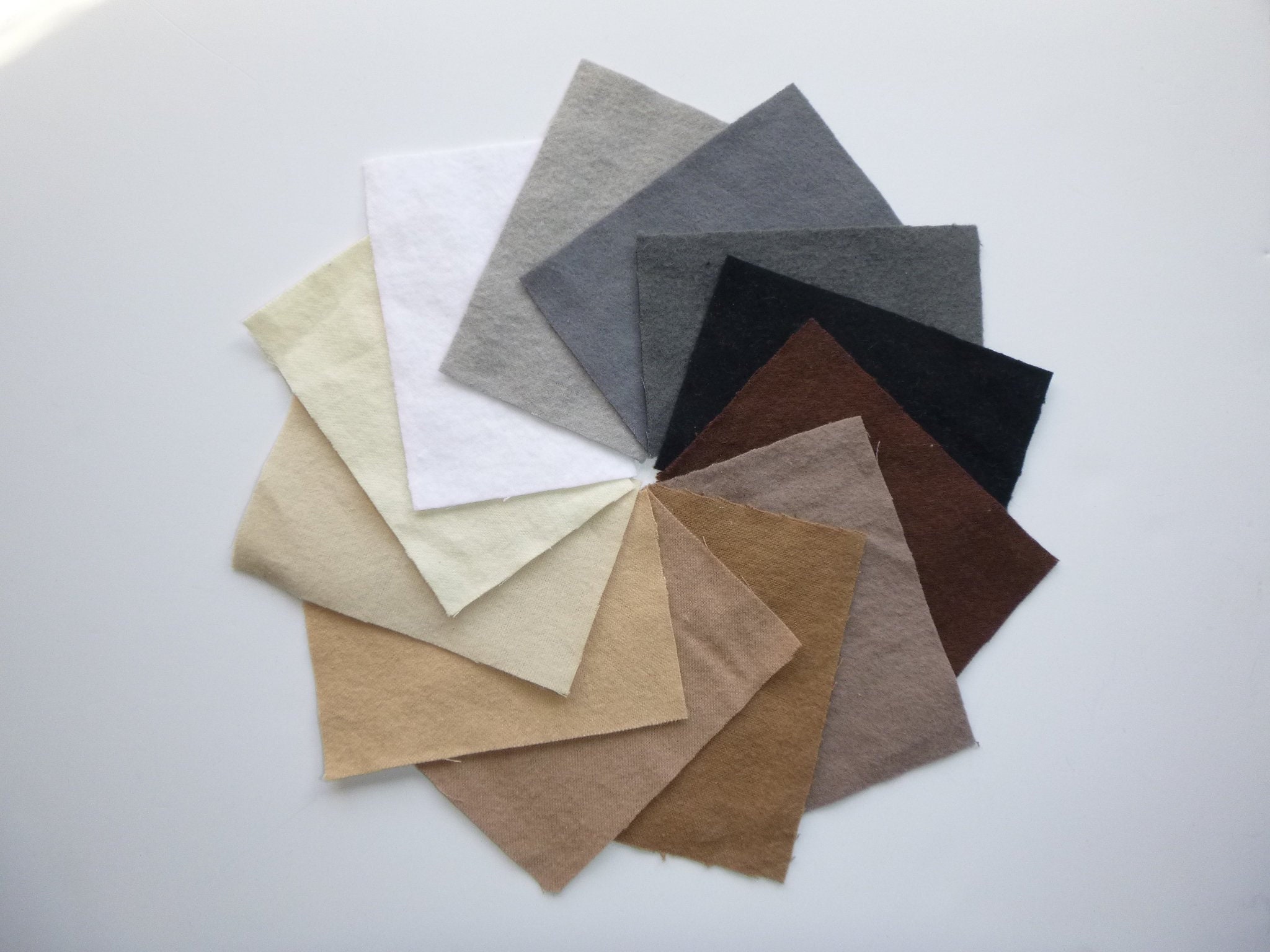
Recommended Fabrics for Comfort and Durability
These fabrics work best for body pillow covers:
- Cotton (quilt, percale, or sateen): breathable, soft, and easy to sew
- Linen or linen blends: elegant drape, great for warm sleepers
- Flannel: cozy and warm, ideal for winter months
- Twin flat sheets: cost-effective, pre-sized, and often pre-hemmed
- T-shirt knit or jersey: stretchy, perfect for upcycling old clothes
Avoid fabrics with beading, sequins, or highly stretchy knits that warp during sewing.
Pre-Wash Fabric Before Cutting
Always pre-wash and dry fabric before cutting to prevent post-construction shrinkage. Use fabric softener in the wash for a plush feel. Press the fabric flat before cutting for accurate measurements. If your fabric has a directional print, align it using the selvage edges as a guide.
Pick Your Closure Type
Envelope Flap (No Zipper) for Beginners
The envelope flap is best for beginners and frequent washing.
For the front panel, cut fabric to the exact pillow length. For the back panel, cut it 8 to 10 inches longer than the pillow to create the inner flap. Firm pillows need a 5 to 7 inch flap, while soft or compressed pillows need a 10 inch flap.
Sew the cover in five steps:
- Place front and back panels right sides together, aligning raw edges
- Fold back the extra length to form the inner flap
- Pin and sew three sides with ¼ inch seam allowance
- Clip corners diagonally to reduce bulk
- Turn right side out and insert the pillow through the flap
Pro Tip: Use factory hems from twin sheets to save time and prevent fraying.
Zipper Closure for a Custom Fit
A zipper closure provides a snug, professional-looking fit.
You will need a 20 to 24 inch zipper and a zipper foot. With fabric right sides together, align one short edge with the right side of the zipper tape. Pin in place, keeping the zipper pull facing down, and sew close to the edge. Flip and align the second side, then sew. Open the zipper fully before sewing the remaining three sides. Sew the sides and bottom with ½ inch seam allowance, then turn right side out and press.
Use a French seam for hidden edges by sewing a first seam with wrong sides together at ½ inch, trimming to 1/8 inch, turning so right sides face, and sewing a second seam at ¼ inch.
Velcro Closure for Easy Use
Velcro offers a simple, quiet, and modern closure option.
After hemming the short ends, fold the fabric lengthwise like a book. Attach one Velcro strip near the open edge on each half. Sew around all four edges of each Velcro piece, even if adhesive-backed, to prevent peeling after washes.
Cuff Closure for Decorative Style
The cuff closure works beautifully for gifts or decorative covers.
Cut full fabric (1½ to 1¾ yards). Fold one short end down 2 inches, then again by 2 inches, to create a 4-inch double-fold hem. Press and stitch along the top and bottom of the hem. Fold the cuff upward, sew the long sides with ½ inch seam allowance, backstitching at the ends. Turn right side out, use a chopstick to push out corners, and insert the pillow through the cuff opening.
Sew Your Body Pillow Cover Step by Step

Follow the Basic Workflow
This workflow works for all closure types:
- Measure your pillow (length × width)
- Add seam and closure allowances
- Pre-wash and press fabric
- Cut fabric to calculated dimensions
- Align prints if needed
- Pin right sides together
- Sew seams with consistent stitch length
- Finish raw edges
- Turn right side out
- Press and insert pillow
Use the Right Machine Settings
Set your sewing machine to a straight stitch at 2.5 mm stitch length. Use a universal 80/12 needle. Keep seam allowance at ¼ inch for tight fits or ½ inch for standard construction. Always backstitch at the start and end of seams for reinforcement.
Finish Edges to Prevent Fraying
Choose the Best Edge Finish
| Method | Best For | Notes |
|---|---|---|
| French Seam | Cotton, linen | Encloses raw edges in two passes |
| Zigzag Stitch | All fabrics | Fast and prevents unraveling |
| Pinking Shears | Stable cottons | Decorative and reduces fraying |
| Serger | Frequent washers | Clean, durable edge |
Clip corners diagonally before turning to reduce bulk and achieve sharp corners.
Add Custom Design Touches
Decorate Your Cover
Add fringe trim by folding short ends under, pinning the fringe over the hem, and sewing across the top. Use contrasting fabric for cuffs or flaps to make a bold statement. Add piping, lace, or embroidery along seams for elegance. Personalize with appliquéd names or designs.
Choose dark or patterned fabrics to hide pet hair or stains. One twin flat sheet (approximately 66 × 96 inches) can yield two body pillow covers when cut into panels.
Fix Common Sewing Problems
Troubleshooting Guide
If your cover is too tight, use 1¾ yards for plump pillows and allow extra width. If the flap will not close, increase the overlap to 8 to 10 inches. If corners are not crisp, use a chopstick or point turner to push them out properly. If seams are bulky, use ¼ inch seams and zigzag finishing. If fabric runs short, unpick the side seams of a twin sheet to gain 1 to 2 inches in width.
Care for Your Custom Cover
Wash and Maintain Your Cover
Machine wash in cold or warm water and tumble dry low or line dry. Turn the cover inside out before washing to protect closures. Avoid bleach and harsh detergents. Reinforce corners, zipper ends, and side seams for extra durability. Use polyester thread and double-stitch high-stress areas.
Store the cover flat or rolled, never folded sharply, to maintain its shape.
Frequently Asked Questions About Making a Body Pillow Cover
What size fabric do I need for a standard body pillow?
For a standard 50 × 20 inch body pillow, cut fabric to 54 × 42 inches. This accounts for 4 inches of length and 2 inches of width for seam allowances. Use 1½ yards of fabric for a standard fit.
Can I use a twin sheet to make a body pillow cover?
Yes. One twin flat sheet (approximately 66 × 96 inches) can make two body pillow covers. Cut the sheet into two 54 × 42 inch panels. Use the factory hems as clean edges or unpick side seams to gain 1 to 2 inches in width if needed.
What is the easiest closure for a beginner?
The envelope flap (no zipper) is the easiest closure for beginners. It requires no special tools, uses straight seams, and can be completed in under one hour. The cuff closure is also beginner-friendly and provides a decorative finish.
How do I prevent my cover from shrinking after washing?
Always pre-wash and dry your fabric before cutting. This removes shrinkage that would otherwise occur after construction. Use cold or warm water when washing the finished cover and tumble dry on low heat or line dry.
Which fabric is best for hot sleepers?
Linen or linen blends offer excellent breathability and elegant drape, making them ideal for warm sleepers. Cotton percale is another breathable option that stays cool throughout the night.
Key Takeaways for Making Your Own Body Pillow Cover
Making a body pillow cover is a rewarding project that saves money and lets you customize your sleep accessories. Always measure your specific pillow first, then calculate fabric dimensions using the length plus 4 inches and width multiplied by 2 plus 2 inches formula. Pre-wash your fabric to prevent post-construction shrinkage. Choose your closure based on your skill level: envelope flap for beginners, zipper for a polished look, or cuff for decorative appeal. Finish all raw edges with zigzag stitching, French seams, or pinking shears to prevent fraying. With the right measurements and techniques, your custom cover will look professional and last through hundreds of washes.
Now grab your sewing machine and start stitching. Your perfect body pillow cover is just one seam away.