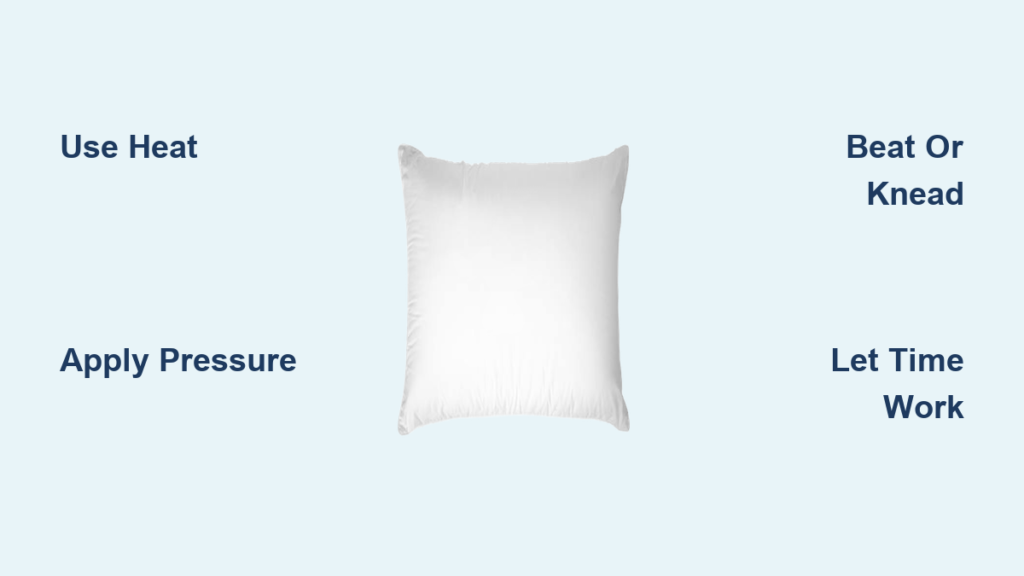
You just fluffed your pillow, only to realize it is too thick, too firm, or just plain uncomfortable. Maybe it is brand new and has not broken in yet, or you pulled it from the dryer only to find it puffier than before. You are not alone. Flattening a pillow is one of the most common bedroom tweaks for better sleep. Whether you are a stomach sleeper needing low loft or recovering from surgery and craving soft support, adjusting your pillow height can make a real difference in neck alignment and comfort.
The good news: most pillows can be safely flattened using heat, pressure, or mechanical tricks. No scissors or permanent damage needed. This guide reveals proven methods backed by material science and expert care tips, tailored to memory foam, down, fiberfill, and latex. You will learn how to flatten a pillow overnight, after washing, or over time. Plus, you will learn what NOT to do based on your pillow type.
Use Heat to Soften Stubborn Pillows
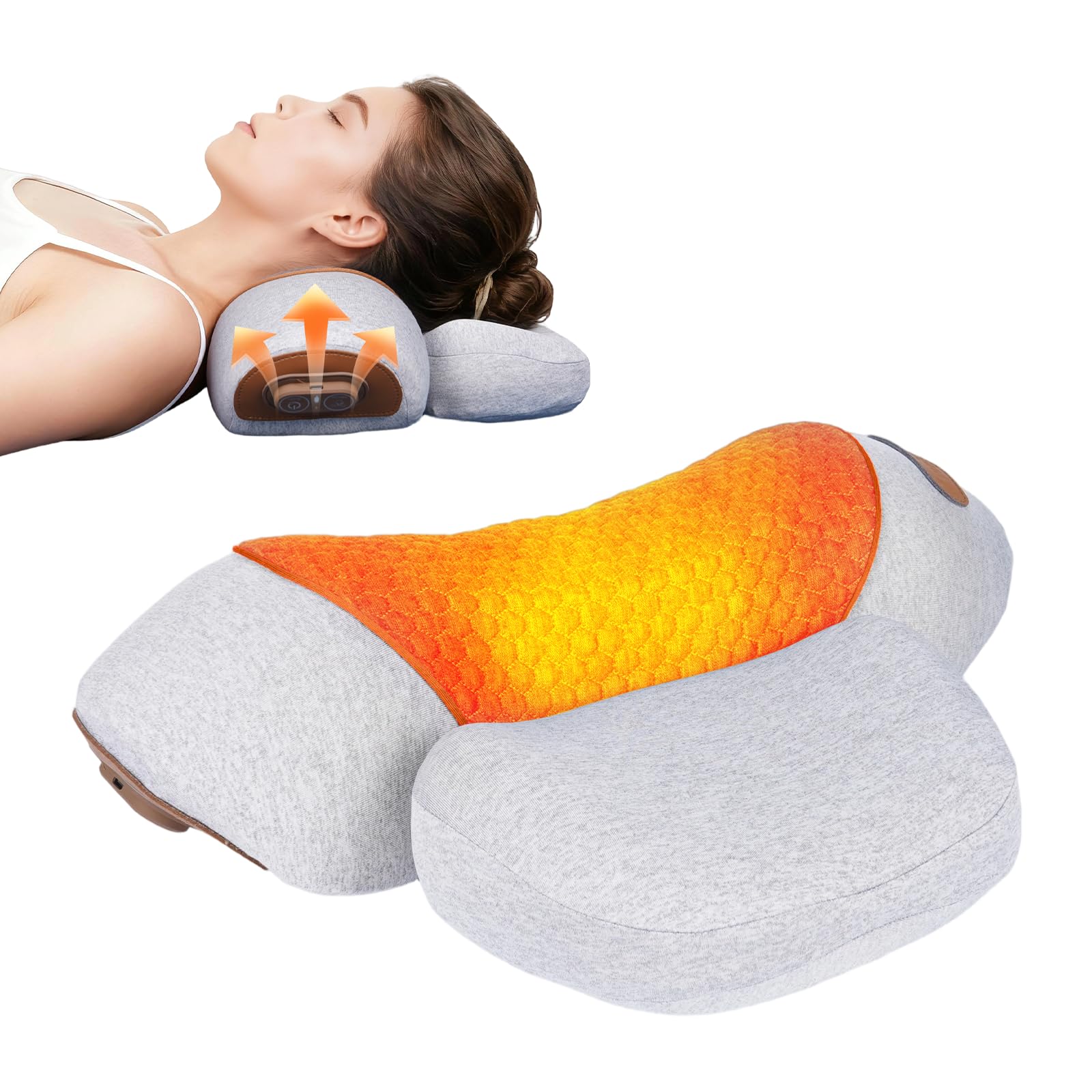
Heat makes stiff fillings pliable, especially memory foam and clumped fibers. Applying warmth breaks down internal resistance, letting body weight or pressure compress the pillow more effectively.
Warm With a Dryer Safely
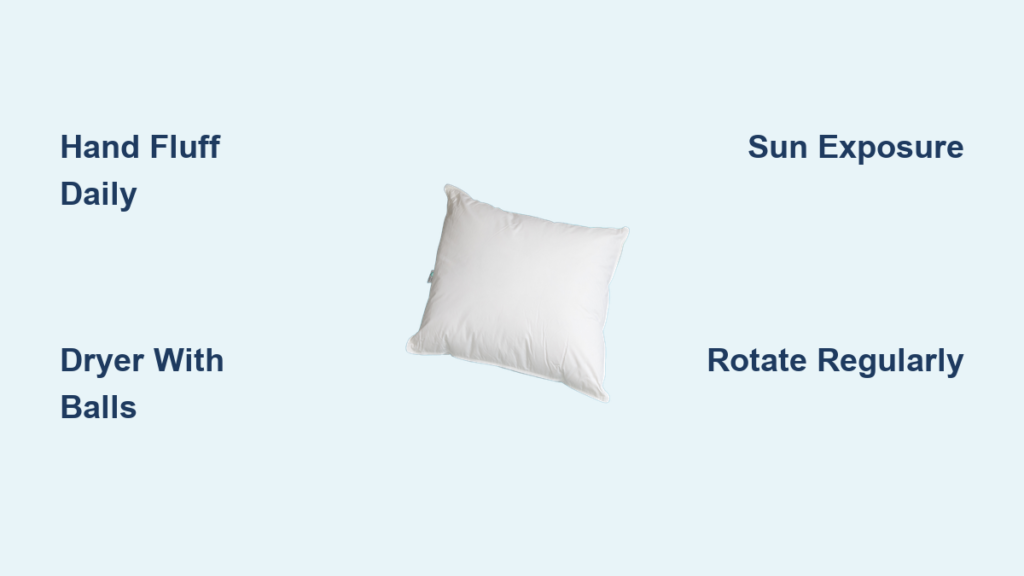
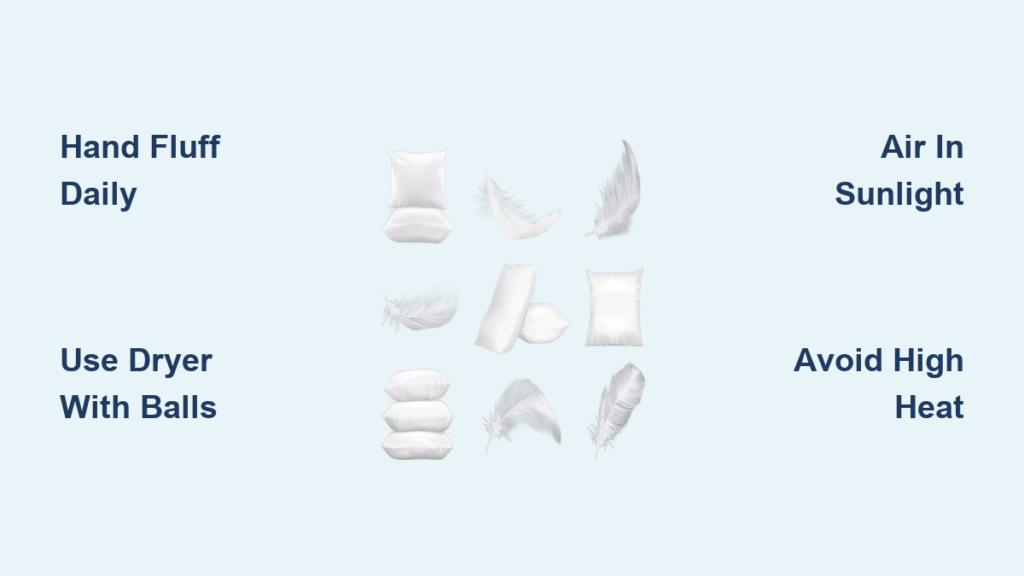
Tumble drying is one of the fastest ways to reduce loft, especially after washing. Use low heat and low tumble for 15 to 30 minutes to soften fibers without damage.
Check the care label first. A circle inside a square means tumble drying is safe. An X means avoid it.
Safe for:
- Down
- Synthetic fiberfill
- Some memory foam (if labeled)
Not safe for:
- Feathers (can dry out)
- High-density foam (unless approved)
Pro tip: Add a clean tennis ball or dryer ball to break up clumps and speed softening.
Never use high heat. This can melt foam, shrink covers, or damage feather integrity. Always dry completely before flattening to prevent mold.
Apply a Heating Pad or Hot Water Bottle
Place a heating pad on medium over the pillow for 10 to 15 minutes before use. This pre-softens memory foam so your head compresses it more easily.
Best for: Memory foam, synthetic pillows.
Works by: Activating the viscoelastic response. Heat makes foam sink faster under pressure.
Safety first: Do not leave unattended. Keep fabric between the heat source and skin.
Alternatively, use a hot water bottle on top of the pillow for similar results. Both methods are ideal for nightly use without wear and tear.
Expose to Sunlight or Radiator Heat
Set the pillow near (not on) a radiator or in direct sunlight for 10 to 30 minutes per side. UV and ambient heat help loosen stiff fibers naturally.
Effective for: Memory foam, down, fiberfill.
Why it works: Sunlight breaks down fiber rigidity and deodorizes. Radiator heat mimics body warmth.
Caution: Keep at least 12 inches from heating elements. Pillows are flammable.
Pro tip: Flip halfway for even exposure.
Avoid prolonged sun if your pillow has dye. UV rays may fade or degrade fabric over time.
Apply Pressure to Compress the Filling
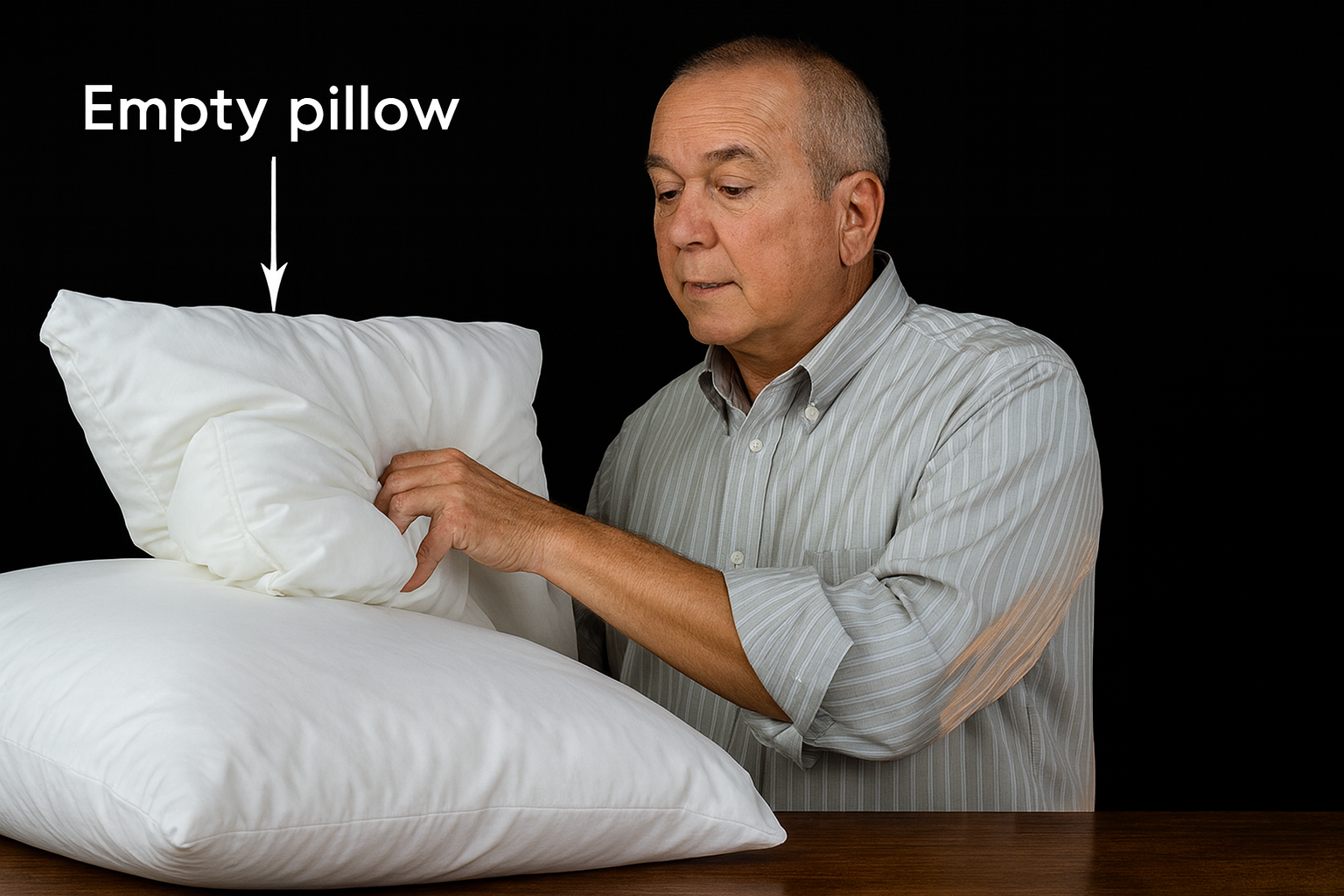
Consistent pressure forces air out and compacts the inner material. This method works for all pillow types but delivers faster results when combined with heat.
Lie on It During the Day
Use your body weight to flatten the pillow before bedtime. Lie on it while reading, watching TV, or stretching.
Best for: All types, especially memory foam.
Duration: 2 to 3 minutes at a time, repeated over several days.
Boost effectiveness: Warm your hands and press them into the pillow first.
This mimics natural sleep compression and trains the pillow to retain a lower profile.
Weigh It Down Overnight
Place heavy, flat objects like books or weights evenly across the pillow for 6 to 8 hours.
Ideal setup: Stack 2 to 3 hardcover books on each corner to avoid uneven dents.
Best for: Down, fiberfill, memory foam.
Timeline: Noticeable change in 1 to 2 days with daily use.
Do not use sharp or wet objects. These can damage fabric or promote mold.
Beat or Knead the Pillow to Break Up Clumps
Mechanical agitation disrupts tightly packed fillings. This is especially useful after washing, when fibers clump and loft increases.
Use a Rolling Pin or Broom Handle
Lay the pillow flat and strike it gently with a rolling pin, broom handle, or rug beater.
Target: Center and stiff zones, not edges.
Duration: 30 to 60 seconds per side.
Best for: Down, fiberfill, cotton, foam.
Do this outdoors or over a trash can to release dust, allergens, and trapped moisture.
Knead by Hand Like Dough
Grab the pillow and squeeze, twist, and punch it repeatedly for 1 to 2 minutes.
Mimics commercial fluffing machines.
Great for: Memory foam, down, polyester.
Pro tip: Alternate between squeezing and dropping it on the floor for extra agitation.
Repeat daily for faster flattening and even filling distribution.
Modify the Feel Without Altering the Pillow
If you are not ready to compress the pillow permanently, change how it feels using simple inserts or adjustments.
Insert Soft Fillers Into the Pillowcase
Place the pillow inside a slightly oversized case, then add soft material to one end.
Use: Cotton batting, clean towels, old t-shirts, or polyester fiber.
Distribute evenly to avoid lumps.
Purpose: Creates a softer top layer, reducing perceived height.
This trick is perfect for testing comfort before committing to permanent flattening.
Choose a Thinner Pillowcase
Switch from a quilted or padded case to a thin cotton one.
Reduces added loft by up to one half inch.
Improves breathability and gives a crisper feel.
Especially helpful for sleepers who run hot.
Let Time and Use Do the Work
Sometimes, the simplest method is the best. Regular sleeping naturally compresses pillows over time.
Sleep on It Nightly for 3 to 7 Days
Most pillows soften noticeably within 3 to 7 nights of use.
Memory foam: May take up to 2 weeks to fully adjust.
Down and fiberfill: Respond faster, often within 3 days.
Pro tip: Place the pillow under your legs while sitting to increase compression time.
Be patient. High-quality pillows are designed to break in gradually.
Accelerate Flattening With Body Heat
Raise your core temperature before bed to soften heat-sensitive foams faster.
Try: A hot shower, light exercise, or warm drink.
Why it works: Warmer body heat transfers to the pillow, helping memory foam conform more deeply.
Results: Softer feel within 1 to 2 nights.
Avoid if you are prone to night sweats or sleep hot.
Flattening Methods by Pillow Type
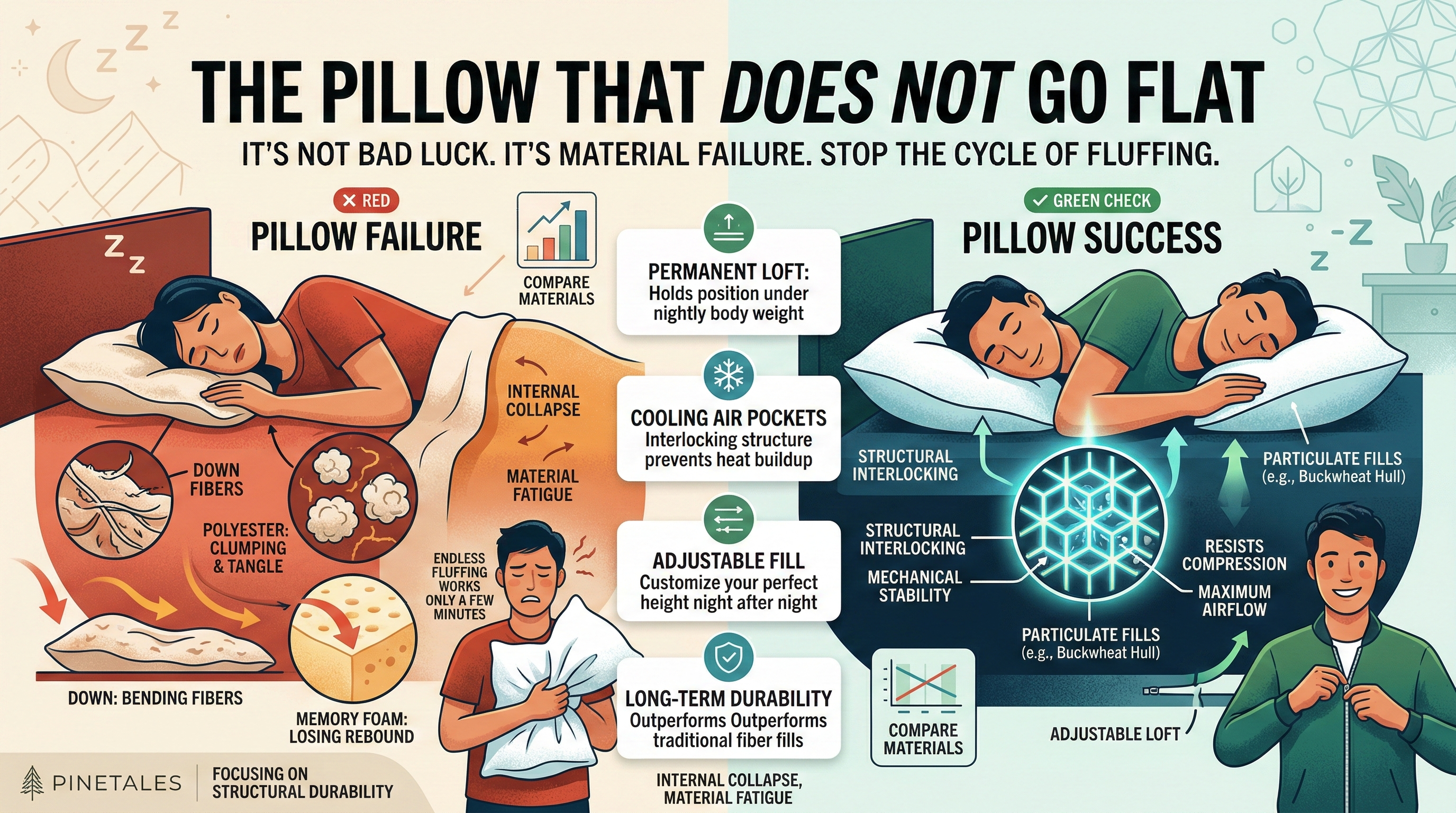
Different materials respond uniquely to flattening techniques. Use the right method for your pillow to avoid damage.
Memory Foam: Heat Plus Pressure Works Best
Memory foam resists initial compression but softens with warmth.
Best methods:
- Heating pad before use
- Tumble dry (if label allows)
- Body heat plus nightly use
Avoid:
- High heat (can warp foam)
- Beating (may damage cell structure)
Timeline: 5 to 14 days with regular use. Faster with heat.
Never expose memory foam to open flames or direct radiator contact.
Down and Feather: Tumble Dry With a Tennis Ball
Down pillows fluff easily but can feel overstuffed. Tumble drying resets the loft.
Best method: Dry on low heat with a tennis ball or dryer ball for 20 to 30 minutes.
Also effective:
- Sunlight exposure
- Beating to redistribute feathers
Avoid:
- High heat (dries out feathers)
- Moisture during flattening
This is the fastest way to deflate and refresh a down pillow.
Synthetic Fiber: Dry and Beat for Fast Results
Polyester and microfiber pillows clump after washing but flatten easily.
Best methods:
- Tumble dry with dryer balls
- Kneading or beating
- Radiator or sunlight exposure
Timeline: 2 to 3 days with consistent pressure
Ensure complete drying. Damp fibers stay puffy and risk mildew.
Latex: Minimal Flattening Possible
Latex is naturally resilient and resists permanent compression.
Reality check: It will not flatten much, even with pressure.
Best approach: Use body weight over time, but expect limited change.
Expert insight: Latex maintains shape for 5 to 7 years, making it ideal for consistent support, not adjustable loft.
If you need a flatter pillow, consider switching materials.
Fix a Pillow After Washing
Washing often makes pillows puffier due to swollen, damp fibers. Flattening starts only after full drying.
Dry Completely First
Air-dry: 24 to 48 hours in a well-ventilated area.
Machine dry: 1 to 2 hours on low heat with dryer balls (if safe).
Test for dryness: Squeeze the center. If cool or damp, keep drying.
Never compress a wet pillow. It traps moisture and breeds mold.
Restore Shape Post-Wash
Once dry:
- Tumble dry 15 to 20 minutes with a tennis ball.
- Beat or knead to break up clumps.
- Apply weight overnight if still too lofty.
This resets the pillow to a softer, flatter state.
Know Which Pillows Resist Flattening
Some pillows are built to stay firm. Knowing this saves time and effort.
Latex Pillows Hold Their Shape
High elasticity means they bounce back quickly.
Designed for long-term support, not moldability.
Not ideal for sleepers wanting a flat profile.
If you need lower loft, choose a thinner latex model from the start.
High-Density Memory Foam Recovers Quickly
Feels soft under heat and pressure but regains height when cool.
Will not permanently flatten without sustained stress.
Best for side sleepers needing consistent support.
Combine with a heating pad nightly for temporary softening.
Maintain Your Pillow Comfort Long-Term
Flattening is not a one-time fix. Regular care keeps your pillow supportive and hygienic.
Rotate and Fluff Weekly
Turn the pillow 180 degrees to prevent uneven wear.
Fluff by hand or in the dryer (if safe) to restore airflow.
Do this every few days for down and fiberfill.
This prevents lumps and extends lifespan.
Wash Every 3 to 6 Months
Removes sweat, oils, and allergens that break down fibers.
Always follow care labels.
Dry completely before reuse.
Use pillow protectors to reduce washing frequency.
Store Properly When Not in Use
Keep in a cool, dry place.
Use breathable cotton bags. Never vacuum-seal memory foam or down.
Avoid compression. This can cause permanent damage.
Proper storage maintains loft and prevents musty odors.
Choose the Right Pillow From the Start
Prevention beats correction. Pick a pillow that matches your sleep style.
Match Loft to Sleep Position
Stomach sleepers: Need flat pillows (3 to 4 inches).
Back sleepers: Ideal at medium height (4 to 5 inches).
Side sleepers: Require high loft (5 to 6 inches) for neck alignment.
Using the wrong height strains your spine.
Pick Adjustable Loft Models
Look for pillows with removable inserts or layered designs.
Lets you customize thickness without flattening tricks.
Brands like Puffy and Coop offer zip-open models for easy adjustment.
A smarter long-term solution than manual compression.
Avoid Safety Risks and Damage
Even simple methods can go wrong if misused.
Never Overheat or Burn
Keep pillows away from open flames.
Do not place on radiators or space heaters.
Supervise electric heating pads. Use timers.
Pillows are highly flammable. Safety comes first.
Prevent Material Breakdown
Avoid repeated high-heat drying.
Stop if you see yellowing, cracking, or odor.
Replace if the pillow does not spring back.
Degraded foam or clumped filling loses support and hygiene.
Keep It Clean and Dry
Use clean hands and tools when handling.
Wash pillowcases weekly.
Replace pillows every 1 to 2 years, or sooner if lumpy or smelly.
A fresh pillow performs better and lasts longer.
Frequently Asked Questions About Flattening a Pillow
Can I flatten a pillow permanently?
Most flattening is temporary. Pillows naturally regain some loft over time, especially memory foam and latex. To maintain a flatter pillow, repeat flattening methods periodically or choose a pillow with adjustable loft from the start.
How long does it take to flatten a pillow?
Most pillows show noticeable results within 24 to 48 hours using heat and pressure methods. Down and synthetic fiber respond fastest (2 to 3 days). Memory foam takes longer (5 to 14 days). Latex resists flattening significantly.
Does washing a pillow make it flatter?
Washing typically makes pillows puffier because water swells the fibers. You must dry the pillow completely before it can be flattened. Once dry, tumble drying with dryer balls or beating helps restore a flatter shape.
Is it safe to put a pillow in the dryer?
Yes, but only on low heat and only if the care label permits. Look for a circle inside a square symbol. Never use high heat, as it can melt foam, shrink covers, or damage feathers. Add dryer balls for better results.
Which pillow type flattens easiest?
Down and synthetic fiber pillows flatten the fastest. Tumble drying with a tennis ball for 20 to 30 minutes usually restores a lower profile. Memory foam requires heat and patience. Latex is the most resistant.
Key Takeaways for Flattening Your Pillow
Flattening a pillow does not require drastic measures. With the right mix of heat, pressure, and time, you can adjust any pillow for better comfort and spinal alignment. Focus on your material type. Use tumble drying with dryer balls for down and synthetic fills. Apply heat (heating pad, sunlight, or radiator) for memory foam. Avoid high heat that damages materials.
Avoid damaging methods like excessive beating on foam or placing pillows directly on heating elements. Never compress a wet pillow. Always dry completely first to prevent mold. For long-term success, maintain your pillow by rotating and fluffing weekly, washing every 3 to 6 months, and storing properly when not in use.
If you need a permanently flatter pillow, consider purchasing one with adjustable loft or choosing a model designed for your sleep position from the start. Stomach sleepers need flat pillows. Side sleepers need higher loft. Back sleepers fall in between. Matching your pillow to your sleep style prevents the need for constant flattening.