Stains on your bedding look unsightly and can trap odors or dirt deep within the fibers. Knowing how to get stains out of bedspread materials safely prevents permanent damage while restoring freshness to your sleep space.
This guide details exact methods for removing grease, wine, and ink using household items. You will learn specific techniques to treat fabrics without ruining delicate fillings or causing discoloration.
Verify Care Labels Before Applying Cleaners
Ignoring manufacturer instructions is the fastest way to ruin a bedspread permanently. Always locate the care tag and read every symbol before applying water or chemicals.
Check for Dry Clean Only Warnings
Some comforters require professional cleaning due to delicate fabrics or specific down constructions. Home washing these items can ruin the filling or shrink the fabric beyond repair. Use dry cleaning solvent pads for small spots if the label forbids water.
Confirm Bleach Safety Rules
Never apply chlorine bleach unless the tag explicitly states it is safe. Colored bedspreads often fade or discolor instantly when exposed to harsh bleaching agents. Stick to oxygen-based bleaches for colored fabrics if the label allows non-chlorine options.
Identify Your Specific Fabric Type
Cotton, polyester, and blends react differently to cleaning solutions. Synthetic fabrics may degrade with strong solvents while cotton tolerates stronger treatments like hydrogen peroxide. Assume the fabric is delicate until you confirm otherwise through testing.
Identify the Specific Stain Type
Using the wrong cleaner often makes stains worse by setting them deeper into the fibers. Match your treatment method to the chemical composition of the spill for best results.
Treat Oil-Based Stains Like Grease and Makeup
These stains leave a slick mark that resists water absorption. Apply dish soap directly to cut through the oil and let it sit for fifteen minutes. Rinse with warm water to lift the lipid structure from the fabric.
Address Water-Based Stains Like Blood and Sweat
Act immediately with cold water to prevent proteins from bonding to fibers. Hot water cooks these stains and makes them permanent so always start with cold rinses. Enzyme-based detergents work best to break down biological matter effectively.
Remove Tannin Stains From Coffee and Wine
Flush these spills with cold water immediately to stop plant pigments from binding. Apply a tannin-specific remover if cold water does not lift the color completely. Avoid any heat source until the stain disappears entirely.
Dissolve Ink and Dye Marks
Rubbing alcohol lifts many types of ink without damaging surrounding fabric. Dab the area gently with an alcohol-soaked cotton ball instead of rubbing it in. Test first since alcohol can remove dye from some colored fabrics.
Blot Fresh Spills Without Rubbing
Press a clean dry cloth onto fresh spills to absorb liquid before it penetrates deeper. Rubbing spreads the substance across a larger area and pushes it into the core of quilted layers. Use white cloths to prevent dye transfer from the cleaning tool to your bedspread.
Start Cleaning With Cold Water Only
Hot water sets protein and tannin stains permanently within seconds of contact. Rinse the back of the stain with cold water to push the substance out rather than deeper in. Maintain cold water usage throughout the initial washing cycle.
Apply Hydrogen Peroxide and Dish Soap Mix
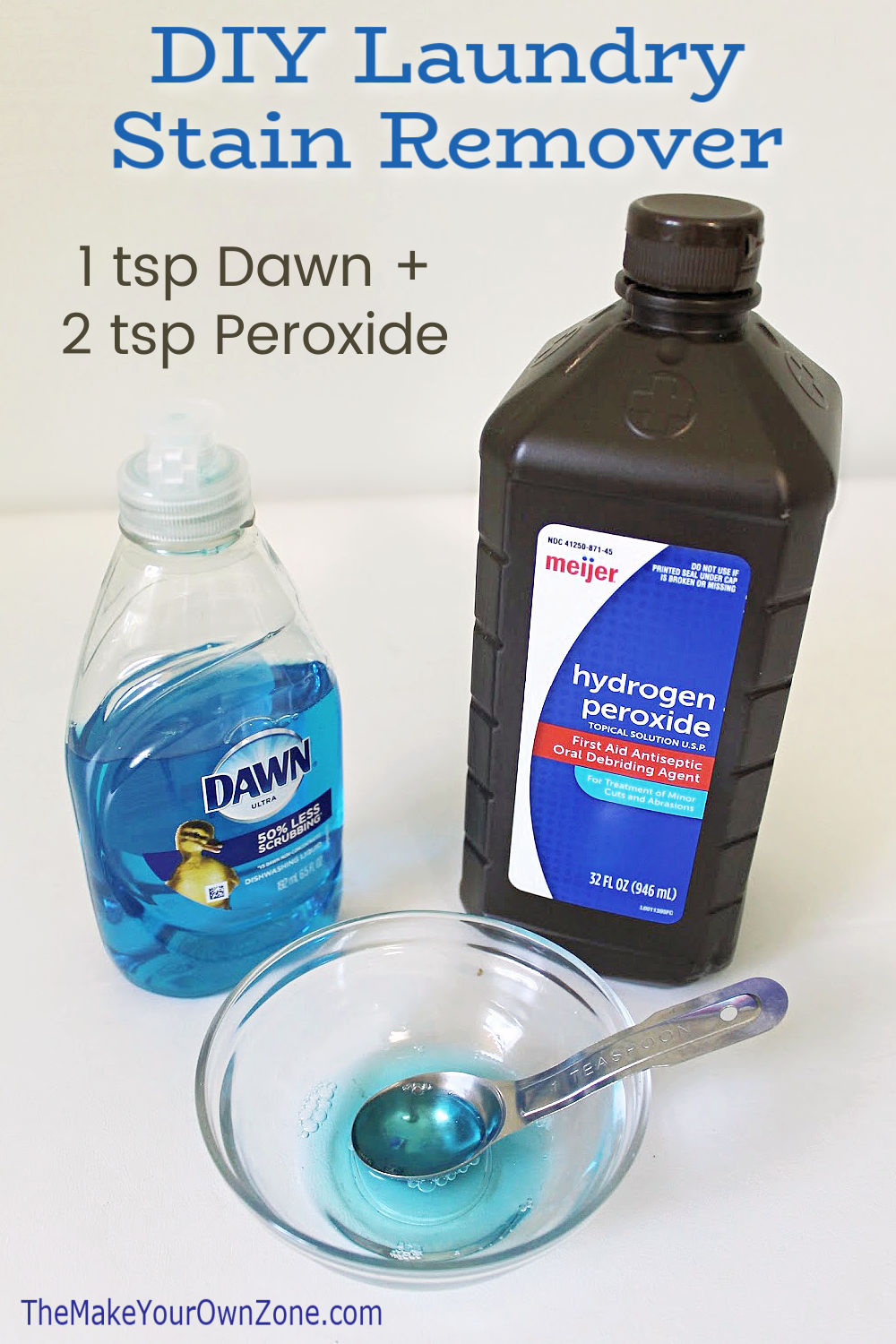
This DIY solution lifts organic stains and brightens white fabrics safely when mixed correctly.
Mix Two Parts Peroxide to One Part Soap
Combine three percent hydrogen peroxide with liquid dish soap in a small bowl. Stir gently to avoid creating excessive foam that is hard to rinse later. Apply the mixture directly to the stain using a soft brush.
Let Solution Sit for Five Minutes
Allow the formula to break down the stain molecules for exactly five minutes. Do not let the solution dry on the fabric as this can leave residues. Extend to ten minutes for older stains but never exceed fifteen minutes total.
Scrub Gently and Rinse Thoroughly
Use a soft-bristled brush to agitate the fibers gently. Wipe the area with a cold damp microfiber cloth until no suds remain visible. Over-wetting can lead to mold growth so blot excess moisture immediately.
Soak Stubborn Areas in Baking Soda and Vinegar
This natural combination loosens set-in grime and neutralizes unpleasant odors effectively.
Prepare the Soaking Solution
Mix warm water with two tablespoons of baking soda and a quarter cup of white vinegar. The resulting fizzing action helps lift residue from deep within the fibers. Submerge the stained area in this solution for thirty to sixty minutes.
Wash After Soaking Period Ends
Launder the item in the warmest water safe for the specific fabric type. Add oxygen bleach to boost cleaning power during this wash cycle. Avoid hot dryers until you confirm the stain is completely gone.
Treat Old Stains With Peroxide Paste

Thick pastes penetrate deep into fibers to remove yellowed sweat marks or long-ignored spots.
Create a Thick Cleaning Paste
Mix hydrogen peroxide and baking soda until you achieve a spreadable consistency. Apply this paste only to the specific stained area to avoid bleaching surrounding fabric.
Wait One to Two Hours
Let the paste dwell on the fabric to break down oxidized residues thoroughly. Check periodically to ensure the fabric color remains unchanged. Stop immediately if you notice any lightening of the original fabric color.
Rinse and Inspect Results
Blot the area with a cold damp cloth to remove all paste residues. Air dry the spot completely before deciding if another treatment round is needed.
Use Commercial Stain Removers Wisely
Store-bought sprays offer reliability and speed for tough or unknown stains.
Apply OxiClean MaxForce Spray
Spray directly onto tough stains and let sit for ten to fifteen minutes. This product works well on cotton and synthetic fabrics but avoid using on silk. Wash as usual after the waiting period expires.
Try Shout or Tide To Go Pens
These are ideal for immediate spot treatment of food or makeup spills. Apply the product wait for it to penetrate then launder normally. They are excellent for quick fixes before a full wash.
Limit Bleach Pen Contact to One Minute
Use bleach pens only on white fabrics where chlorine is approved. Draw over the stain and wait exactly one minute before rinsing thoroughly. Longer contact times cause permanent yellow spots that cannot be removed.
Handle Down Bedspreads With Extra Care
Down-filled items require special attention to avoid clumping filling or trapping detergent residues.
Spot Treat Then Wash Entire Item
Always run the whole bedspread through a wash cycle after spot cleaning any area. Detergent left in the filling attracts dirt and damages down clusters over time. Use a front-loading machine with oxygen bleach to flush residues effectively.
Dry With Tennis Balls for Fluffiness
Tumble dry on low heat with three or four clean tennis balls inside. The balls act as agitators to break up wet down clumps and restore loft. Ensure the item dries fully as damp filling breeds mildew quickly.
Air Dry Test Before Machine Drying
Air dry the treated spot completely to confirm the stain is gone before using heat. Wet fabric hides residue making it impossible to see if treatment worked. Only use the dryer when you are certain the area is clean.
Prevent Stain Setting During Drying
Heat from dryers bakes leftover traces into fibers making them permanent.
Air Dry to Verify Removal
Let the cleaned area dry completely in open air before final laundering. Check the spot in natural light to ensure no trace of the stain remains. Treat again immediately if any discoloration reappears.
Avoid Visible Water Lines
Lightly dampen the surrounding fabric to blend moisture and prevent dark rings. This technique ensures even drying across the entire surface area. It stops distinct lines from forming where wet meets dry fabric.
Use Sunlight With Caution
Sunlight can fade stains naturally but prolonged exposure damages colors. Limit UV exposure to one or two hours maximum for colored bedspreads. Flip the item to dry both sides evenly during this process.
Avoid Common Cleaning Mistakes
Even correct products can cause damage if used incorrectly or at the wrong time.
Using Hot Water Too Early
Heat sets protein and tannin stains instantly making them impossible to remove. Always start with cold water regardless of the stain type or fabric.
Skipping Patch Tests
Hydrogen peroxide and vinegar can bleach or weaken fabrics unexpectedly. Test every solution on a hidden seam or corner first before full application.
Overlooking Residual Detergent
Leftover soap in thick quilts attracts dirt and damages filling over time. Always complete a full rinse cycle after any spot cleaning procedure.
Drying Before Confirming Clean
Damp fabric hides stains leading to false confidence in removal success. Air dry the spot first and never risk heat until it is completely dry and clean.
Frequently Asked Questions About Removing Bedspread Stains
Can I use hot water to remove blood stains?
No, hot water cooks proteins in blood and sets the stain permanently. Always use cold water and enzyme detergents for blood removal.
How do I remove yellow spots caused by bleach?
Unfortunately, yellow spots from chlorine bleach are often permanent and cannot be reversed. Prevention by limiting bleach contact time to one minute is the only reliable solution.
Is it safe to put a down comforter in the dryer?
Yes, but only after confirming all stains are gone and using low heat with tennis balls. The balls help break up clumps and restore fluffiness during the drying process.
What should I do if the stain remains after washing?
Do not put the item in the dryer as heat will set the remaining stain permanently. Repeat the treatment process and air dry again to verify removal.
Can I use vinegar on all fabric types?
Vinegar is generally safe but always test on a hidden area first for colorfastness. Some delicate fabrics or dyes may react negatively to acidic solutions.
Key Takeaways for Removing Bedspread Stains

Success in how to get stains out of bedspread materials depends on quick action and correct temperature control. Always start with cold water, identify the stain type, and test solutions on hidden areas first.
Avoid heat sources like dryers or hot water until you confirm the stain is completely gone. Follow these steps carefully to keep your bedding fresh and extend its lifespan significantly.