You settle into bed only to find a bright smear of nail polish on your favorite quilt. Panic sets in because these stains are tough on fabric that cannot handle harsh washing cycles.
You can save your bedding by choosing the right solvent for your specific fabric type and stain condition. This guide details safe steps to remove polish without ruining your sheets or spreading the mess.
Start with Hairspray for Fresh Stains
Hairspray acts as a gentle yet effective first line of defense for fresh nail polish spills. Its high alcohol content breaks down polish binders without the bleaching risks associated with stronger solvents like acetone.
Why Alcohol-Based Sprays Work
Most aerosol hairsprays contain ethanol or isopropyl alcohol that dissolves standard nail polish resins. This method is ideal for colored or mixed fabrics where preserving dye integrity is crucial. It works best on water-based or regular polish before it fully cures into the fibers.
Apply and Let Dry Completely
Spray the stained area generously until it is fully soaked through. You must wait 10 to 15 minutes for the liquid to evaporate and the polish to harden.
Once dry, follow these steps:
* Use tweezers or a blunt edge like a butter knife to gently scrape off flaked polish.
* Blot any remaining residue with a clean dry cloth.
* Launder the bedspread in cold water with regular detergent.
* Air dry the item and inspect it closely before repeating if color remains.
Pro Tip: Always test the spray on a hidden seam first to ensure fabric coatings do not react to propellants.
Use Acetone for Tough or Dried Stains
:max_bytes(150000):strip_icc()/remove-nail-polish-stains-clothes-carpet-upholstery-2147132_07-10250ab47ff84712a051ae7859167fe9.jpg)
Acetone becomes necessary when hairspray fails or when dealing with dried and gel polishes. This potent solvent dissolves cured polish but requires extreme caution to avoid damaging synthetic fibers or bleaching colors.
Test Fabric First
You must test acetone on an inconspicuous area like an inner seam before full application. Dab a small amount with a cotton ball and wait 30 seconds to check for color fading or fabric softening.
Proceed only if the fabric shows no signs of damage. Switch to rubbing alcohol immediately if you see any adverse reactions.
Dab Do Not Rub Technique
Soak a cotton ball in pure acetone and avoid formulas with added moisturizers. Gently dab the stain working from the outside inward to prevent spreading the mess.
Follow this process for safe removal:
* Blot with a clean paper towel to lift dissolved polish after each application.
* Repeat the dabbing motion until no more color transfers to the cloth.
* Rinse the area thoroughly with cold water to remove all chemical residue.
Warning: Never use acetone on silk rayon or polyester as these fibers can melt or weaken permanently.
Try Rubbing Alcohol on Delicate Fabrics
Rubbing alcohol serves as a safer alternative for silk acetate or colored synthetics that cannot withstand acetone. Isopropyl alcohol lifts polish effectively while remaining gentle on sensitive fibers when used correctly.
Choose 70 Percent or Higher Concentration
Lower concentrations contain too much water and will fail to dissolve the polish effectively. Use at least 70 percent isopropyl alcohol to ensure successful stain removal.
Safe Application Steps
- Dab the stain with a cotton ball soaked in rubbing alcohol.
- Blot gently without scrubbing to avoid damaging the weave.
- Replace the cotton ball frequently to prevent reapplying lifted polish.
- Rinse the area with cold water once the stain lifts completely.
- Wash with mild detergent and air dry the item.
This method successfully removed polish from a baby quilt in user tests with no fabric damage reported.
Handle Gel Polish with Extra Care
Gel polish forms a harder and more durable bond than regular polish once cured. Removing it requires acetone and extended softening time to lift the material cleanly from the fabric.
Pre Soak to Soften the Stain
Soak the dried gel stain in warm water mixed with a drop of dish soap for 30 minutes. This step loosens the bond between the tough polish and the fabric fibers.
After soaking blot the area dry and apply acetone using the dab-and-blot method. Repeat this application every 5 to 10 minutes as needed until the stain disappears.
Wash in Hot Water If Fabric Allows
Launder the bedspread in the hottest water safe for the specific fabric type once the stain is gone. Heat helps flush out residual polymers but you must never dry the item in a machine until the stain is completely gone.
Avoid These Common Mistakes
Even the best removal method can fail if you skip critical safety steps or apply incorrect techniques. These common errors often lead to permanent damage or set stains deeper into the fabric.
Never Apply Heat Too Soon
Putting a stained bedspread in the dryer will bake the polish into the fibers permanently. Always air dry after treatment and washing then inspect carefully before using a machine dryer.
Do Not Use Colored or Moisturizing Removers
Pink or scented nail polish removers often contain oils and dyes that leave secondary stains. Stick to clear acetone-based or alcohol-based formulas for the cleanest results.
Avoid Scrubbing or Aggressive Rubbing
Friction spreads the stain laterally and damages the fabric texture significantly. Always use a blotting motion and only scrape dried polish after hairspray treatment has fully hardened it.
Special Cases Microfiber and Leather Accents
Some bedspreads combine materials requiring different approaches for different sections of the bedding. Understanding your specific fabric blend ensures you choose the correct solvent.
Microfiber Responds Well to Acetone
User reports confirm that acetone removes polish from brown microfiber without damage if you blot and rinse well. After treatment rinse with cold water blot dry and wash in cold water with mild detergent.
Always test first but microfiber is generally resistant to acetone damage when treated properly.
Leather Trim Requires a Different Approach
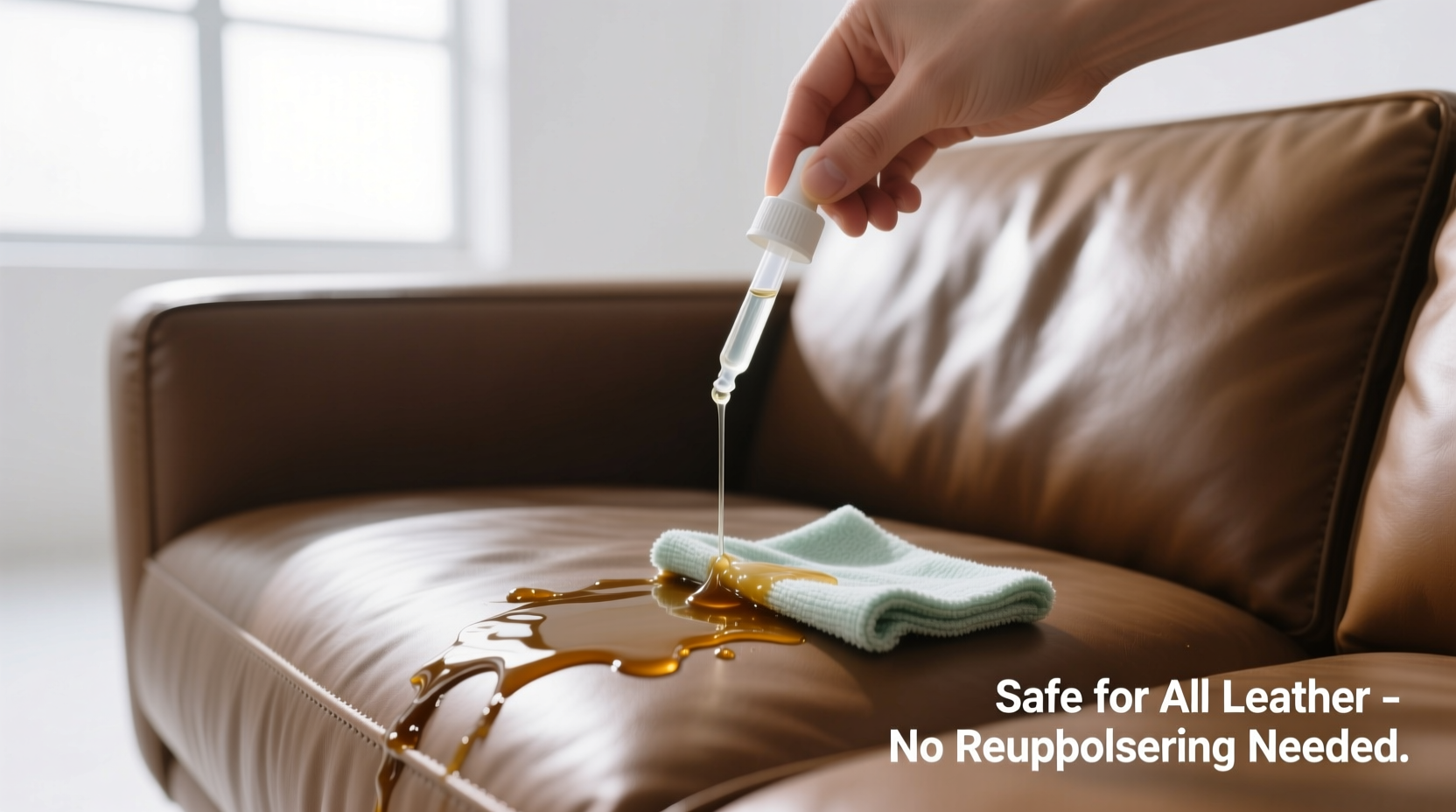
Never use acetone alcohol or hairspray on leather accents as it will dry out and bleach the material.
Follow this specific protocol for leather:
* Blot wet polish with a dry paper towel immediately.
* Mix white vinegar and olive oil in a one to two ratio.
* Dip a soft brush into the solution and scrub gently in circles.
* Wait five minutes then wipe clean with a damp cloth.
* Apply leather conditioner immediately to restore moisture.
Alternative Solutions When Standard Methods Fail
Try these backup options if hairspray alcohol and acetone do not work on your specific stain. These niche solutions have shown success in difficult removal scenarios.
Deep Woods OFF Insect Repellent
Some users report success using Deep Woods OFF to remove nail polish from fabric due to its high alcohol content. Spray directly on the stain let it sit for 5 to 10 minutes then blot with a clean cloth.
Rinse and wash as usual after using this emergency option when traditional removers are unavailable.
Dish Soap for Residue Removal
Apply a drop of dish soap after using acetone or alcohol to remove any oily residue. Gently dab rinse with cold water and air dry to prevent skin irritation or lingering chemical smells.
Prevent Future Stains
The best way to handle nail polish on bedding is to avoid accidents through careful preparation and timing. Simple habits can save your favorite blankets from permanent damage.
Create a Nail Polish Safety Zone
Use a washable mat towel or layers of newspaper when painting nails in the bedroom. Keep a bottle of acetone and cotton pads nearby for immediate cleanup of any spills.
Wait Before Bed
Allow nails to dry completely by waiting at least 30 to 60 minutes before touching bedding. Gel polish should be fully cured under a UV lamp before any contact with fabric occurs.
Treat Accidents Immediately
Blot wet polish with a clean dry cloth right away to make removal easier. Avoid pressing down and instead lift gently to absorb the liquid without spreading it.
When to Call a Professional
Stop treating the item yourself if you have tried multiple methods and the stain remains. High-value materials like silk or antique fabrics require expert handling to prevent irreversible damage.
Seek Expert Help
Take the bedspread to a professional dry cleaner and inform them the stain is nail polish. Tell them exactly what solvents you have already used so they can choose the safest treatment.
Some cleaners use industrial solvents not safe for home use which makes professional care the best choice for delicate bedding.
Frequently Asked Questions About Removing Nail Polish
Can I use acetone on all types of bedspread fabrics?
No, acetone can melt synthetic fibers like polyester and rayon while bleaching silk. Always test on a hidden seam first or use rubbing alcohol for delicate materials.
How do I remove gel polish from sheets specifically?
Soak the area in warm soapy water for 30 minutes then apply acetone repeatedly using a dabbing motion. Gel polish requires more time and stronger solvents than regular polish.
Will hairspray really work on dried nail polish?
Hairspray works best on fresh stains but can help soften dried polish if you let it dry completely before scraping. You may need to repeat the process for older or stubborn stains.
What happens if I put a stained bedspread in the dryer?
Heat will permanently set the nail polish into the fibers making it nearly impossible to remove later. Always air dry and inspect the stain thoroughly before machine drying.
Is rubbing alcohol safe for colored quilts?
Yes, rubbing alcohol is generally safe for colored fabrics and less likely to bleach dyes than acetone. Test on a hidden area first to ensure colorfastness.
Key Takeaways for Saving Your Bedspread

You can successfully remove nail polish from your bedspread by matching the solvent to your fabric type. Start with hairspray for fresh stains and reserve acetone for tough dried spots on durable fabrics.
Always avoid heat until the stain is completely gone and test any solvent on a hidden area first. Act quickly blot do not rub and seek professional help for valuable or antique bedding items.