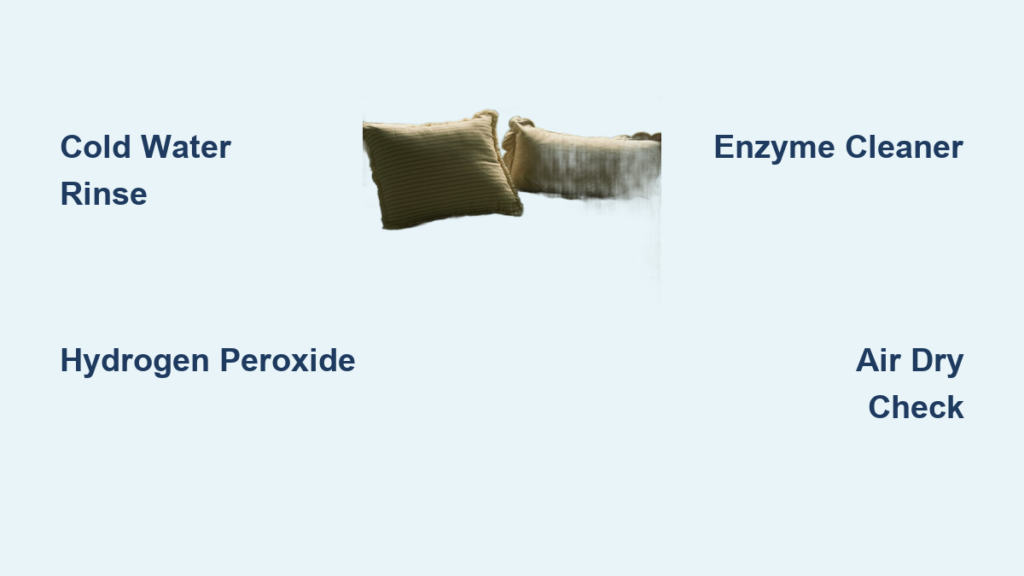
Waking up to a bloodstain on your bedspread feels like a disaster, especially if you instinctively reach for hot water. Heat causes blood proteins to coagulate and bond permanently with fabric fibers, locking the stain in place forever. The good news is that cold water and specific enzymes can break down these proteins safely if you act quickly.
This guide explains exactly how to get blood out of bedspread materials ranging from cotton to delicate quilts. You will learn the critical difference between treating white and colored fabrics, why hydrogen peroxide works on whites but risks colors, and the step-by-step process to rehydrate and lift dried stains. Follow these protocols to restore your bedding without causing shrinkage or color loss.
Identify Your Bedspread Fabric Type

Your first step determines which cleaning agent you can safely use without destroying the item. Always locate the manufacturer’s care tag before applying any liquid solution.
Check Care Label Instructions
The tag tells you if the item is machine washable or requires professional dry cleaning.
* Machine Washable: Proceed with cold water rinsing and enzyme treatments.
* Dry Clean Only: Do not attempt home removal on silk, velvet, or antique quilts. Take these directly to a professional and specify the stain is blood.
Perform a Colorfastness Test
Even washable items may lose dye when exposed to cleaning agents. Test your solution on a hidden seam or hem first.
- Dampen a cotton ball with your chosen cleaner.
- Apply it to an inconspicuous area.
- Wait five minutes and blot dry.
- Inspect for fading or texture changes.
If the fabric passes, you can proceed to treat the main stain. If you see discoloration, switch to a gentler method or seek professional help.
Rinse Fresh Stains With Cold Water Only
Cold water is the most critical tool for fresh blood because it prevents protein coagulation. Never use warm or hot water during the initial rinse.
Flush From the Back of the Fabric
Hold the stained section under cold running water with the stain facing down. Aim the water stream at the back of the stain to push the blood out of the fibers rather than driving it deeper. Continue rinsing until the water runs clear, which usually takes five to ten minutes.
Blot Gently Instead of Rubbing
Use a clean microfiber cloth or paper towel to dab excess moisture. Rubbing spreads the stain and damages the fabric structure. Once you have removed the surface blood, move to the pre-treatment phase.
Apply Hydrogen Peroxide on White Bedspreads

Hydrogen peroxide acts as an oxygenated bleach that oxidizes and breaks down blood proteins rapidly. This method is strictly for white fabrics due to its bleaching properties.
Apply Undiluted 3% Solution
Pour straight 3% hydrogen peroxide directly onto the stain using a spray bottle or soaked cloth. Do not dilute it with water. You will see fizzing or bubbling, which indicates the solution is breaking down the blood proteins.
Monitor Dwell Time Carefully
Let the solution sit for five to ten minutes maximum. Longer exposure can weaken fabric fibers. Blot the area with a dry cloth once the fizzing stops, then rinse thoroughly with cold water. Never use concentrations higher than 3% as they are too harsh for home textiles.
Use Enzyme Cleaners for Colored Fabrics

Enzyme-based cleaners digest protein bonds without bleaching dyes, making them safe for colored bedspreads. Products like OxiClean or Biz are excellent choices for this purpose.
Apply and Wait for Results
Apply the enzyme cleaner directly to the stain according to package instructions. These cleaners need time to work, so let the product sit for at least thirty minutes. For older or dried stains, you may need to leave it overnight.
Rehydrate Dried Blood First
Crusty, dried blood blocks cleaning agents from reaching the fibers. Place a cold, wet cloth over the stain for five to ten minutes to rehydrate it. Once the blood softens, apply the enzyme cleaner and allow it to dwell for the recommended time.
Scrape Off Dried Blood Crusts
Dried blood forms a flaky barrier that prevents liquids from penetrating the fabric. You must remove this layer before applying any wet solutions.
Use a Blunt Tool Gently
Take a dull knife or spoon and hold it at a low angle against the fabric. Gently lift the flakes off the surface without digging into the threads. Perform this step before wetting the area to avoid spreading the crust. This opens up the stain for deeper treatment and better absorption of your cleaning agent.
Soak Tough Stains in Cold Water
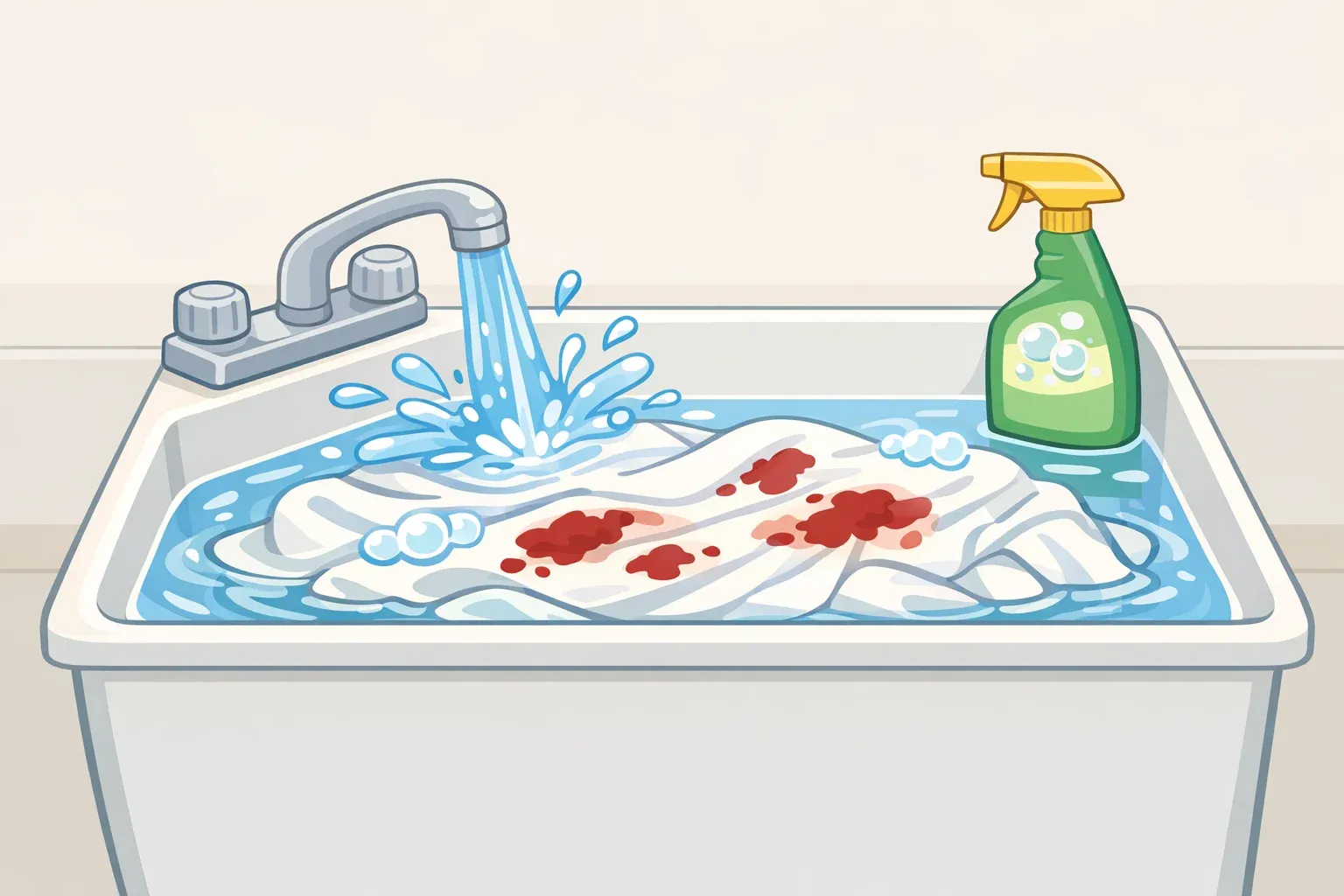
If spot treatment fails, a full soak helps loosen stubborn proteins from the fibers. This method works well for large stains or old marks that have set slightly.
Prepare a Cold Water Bath
Fill a tub or basin with cold water and submerge the stained area. Add one cup of 3% hydrogen peroxide for white items or an oxygen-based powder for colors. Soak the bedspread for thirty minutes to several hours. For very old stains, leaving it overnight can be effective. Check periodically to ensure the fabric does not develop mildew.
Wash Using Cold Water Cycles
Machine washing is the final step to flush out broken-down proteins and cleaning residues. Always select the cold water setting on your machine.
Select Gentle Cycle Settings
Choose a gentle or delicate cycle to protect the fabric structure, especially for quilts and comforters. Add an extra rinse cycle to ensure all detergent and blood particles are removed. Use regular detergent combined with an oxygenated bleach or enzyme booster. Avoid chlorine bleach entirely as it reacts with blood to create permanent yellow-brown stains.
Air Dry Before Using a Dryer
Heat from a dryer will set any remaining blood traces permanently. Air drying is the safest way to verify the stain is gone before applying heat.
Inspect While Damp
Lay the bedspread flat on a drying rack or hang it on a clothesline away from direct sunlight. Inspect the area closely while it is still damp. If you see any shadow of the stain, do not put it in the dryer. Re-treat with enzyme cleaner, wash again in cold water, and air dry once more. Repeat this process until the stain disappears completely.
Treat Set-In Stains After Drying

If you accidentally dried the bedspread with the stain still present, the heat has likely set the proteins. Do not panic, as recovery is sometimes possible with patience.
Rehydrate and Re-Treat Protocol
- Scrape off any remaining crust gently.
- Place a cold compress on the stain for ten minutes to rehydrate the fibers.
- Apply a heavy-duty enzyme cleaner and let it sit overnight.
- Wash in cold water on a gentle cycle.
- Air dry and inspect again.
If the stain persists after this rigorous process, professional restoration may be your only option.
Frequently Asked Questions About Removing Blood
Can I use hot water to get blood out of a bedspread?
No, never use hot water. Heat causes blood proteins to coagulate and bond permanently with fabric fibers. Always use cold water for rinsing, soaking, and washing to keep the stain removable.
Will hydrogen peroxide bleach my colored bedspread?
Yes, hydrogen peroxide acts as a mild bleach and can fade or lighten colored fabrics. Use enzyme-based cleaners like OxiClean for colored items instead, as they break down proteins without affecting dyes.
How do I remove blood from a dry-clean-only comforter?
Do not attempt home remedies on dry-clean-only items like silk or velvet. Take the item to a professional cleaner immediately and inform them the stain is blood so they can use specialized enzymatic solvents.
What if the blood stain is several years old?
Old stains can often be removed using hydrogen peroxide for whites or enzyme cleaners for colors. These agents break down protein bonds even in aged stains, though they may require longer dwell times or overnight treatment.
Why did my white sheet turn yellow after using bleach?
Chlorine bleach reacts with the proteins in blood to create permanent yellow or brown stains. Always use oxygenated bleach or enzyme cleaners instead of chlorine bleach when treating blood stains.
Key Takeaways for Getting Blood Out of Bedspreads
Removing blood successfully depends on avoiding heat and using the right chemical agent for your fabric type. Cold water prevents setting, hydrogen peroxide works best on whites, and enzyme cleaners are ideal for colors. Always air dry your bedspread and inspect it thoroughly before using a dryer to ensure the stain is completely gone.
Act quickly by rinsing fresh stains and rehydrating dried ones before treatment. If you follow these steps and avoid common mistakes like using hot water or chlorine bleach, you can restore your bedding to its original condition. Keep a stain removal kit with cold water spray and enzyme cleaner ready for future accidents.