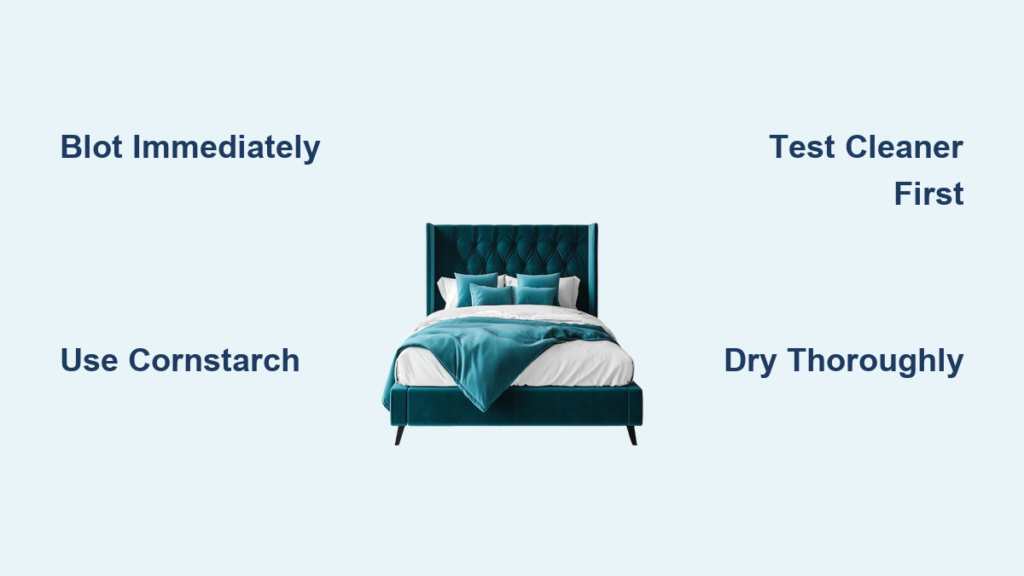
Noticing a dark, greasy spot on your fabric headboard after a night of using hair oil is frustrating. These stains happen when heavy serums transfer from your hair to the upholstery while you sleep.
This guide explains exactly how to remove hair oil from fabric headboard materials using safe, effective steps. You will learn to lift grease without damaging your furniture or leaving water marks behind.
Immediate Actions for Fresh Hair Oil Stains
Time is your most valuable tool when dealing with fresh grease. The longer oil sits on fabric, the deeper it penetrates the fibers and the harder it becomes to extract completely.
Blot Gently Instead of Rubbing
Your instinct might be to scrub the spot, but this pushes oil deeper into the weave. Use a clean, dry microfiber cloth to press lightly against the stain. Lift the cloth straight up to remove surface oil without spreading it.
Determine Stain Age and Severity
Fresh stains often look shiny and wet, while older ones appear dull or discolored. Identifying the age helps you decide if a simple blotting works or if you need a deep cleaning paste.
Dry Absorption Steps for Deep Grease Removal

You must pull oil out of the fabric before adding any liquid cleaner. Skipping this crucial step often traps grease under moisture, making the stain permanent.
Apply Cornstarch or Baking Soda
Cover the entire stained area with a thick layer of cornstarch, baking soda, or talcum powder. Ensure the powder extends slightly past the edges of the visible grease mark.
Allow Powder to Sit Overnight
Let the absorbent powder dwell for at least 30 minutes for fresh spills. For set-in stains, leave the powder on overnight to draw oil from deep within the fibers.
Vacuum Residue Carefully
Use a soft brush attachment on your vacuum to remove the powder gently. If the powder looks clumped or dark, repeat the application until no more oil lifts from the fabric.
Testing Fabric Safety Before Wet Cleaning
Liquid solutions are necessary for breaking down remaining bonds, but they carry risks for certain fabrics. Always prioritize the structural integrity of your headboard.
Perform a Hidden Spot Test
Apply a small amount of your chosen cleaning solution to an inconspicuous area like the back or bottom edge. Wait 10 minutes to check for color bleeding, fading, or texture changes before proceeding.
Using Dish Soap to Break Down Oil Bonds
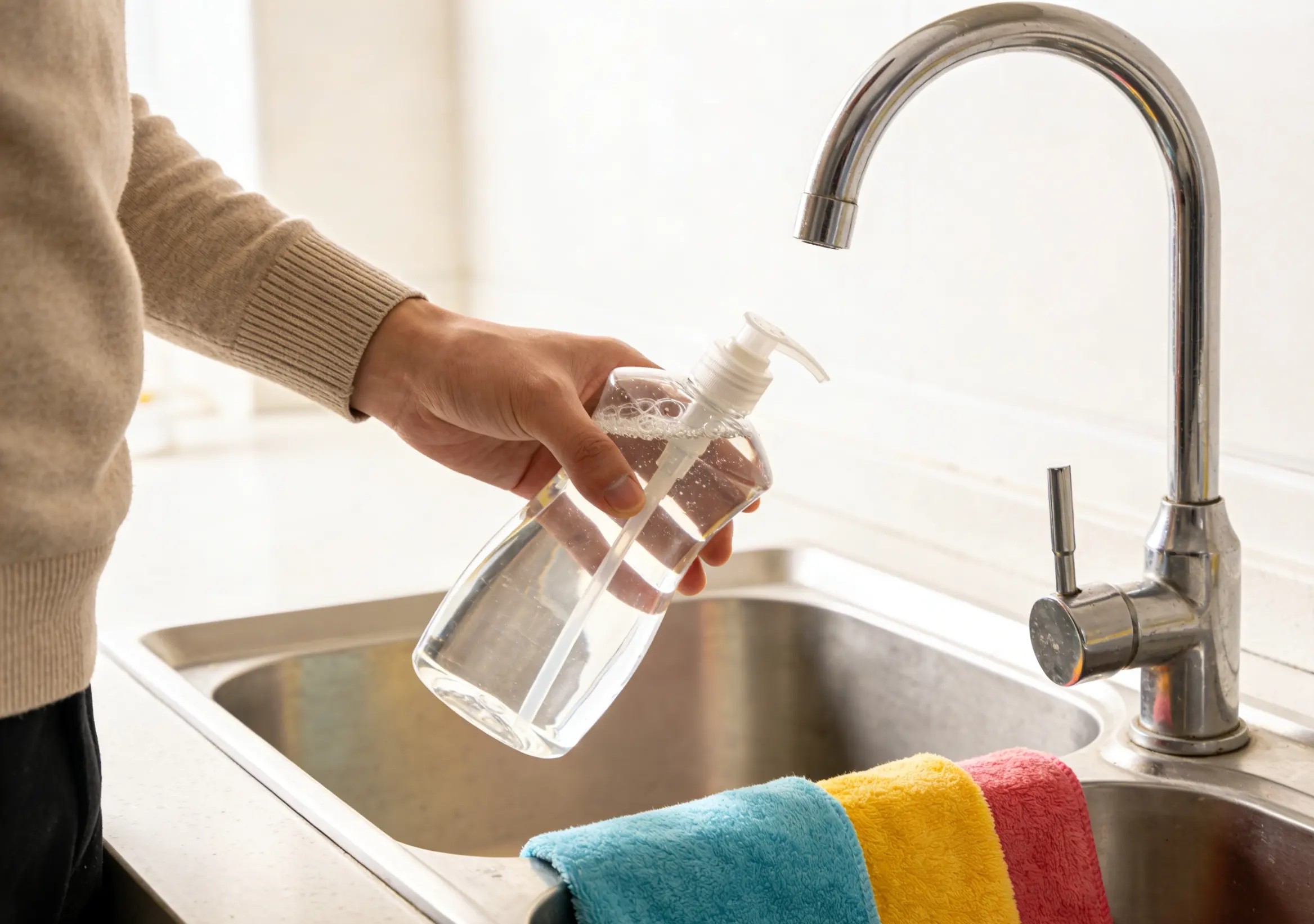
Mild dish soap is the gold standard for cutting through grease on upholstery. This method works for most fabric types when executed with proper moisture control.
Mix Warm Water with Degreasing Soap
Combine one tablespoon of mild dish soap with one cup of warm water in a small bowl. Stir gently to create suds that target grease without harsh chemicals.
Dampen Cloth Without Soaking Fabric
Dip a microfiber cloth into the solution and wring it out until it is barely damp. Over-wetting the fabric can cause water rings or damage the internal padding of your headboard.
Blot from Outer Edges Inward
Clean the stain using small circular motions, always starting from the outside and moving toward the center. This technique prevents the grease from spreading to clean areas of the fabric.
Absorb Lifted Grease Immediately
Blot the treated area with a dry section of your cloth after every pass to lift the oily residue. Repeat this cycle until the stain disappears, then rinse lightly with water if soapy residue remains.
Vinegar and Baking Soda Paste for Stubborn Stains
:max_bytes(150000):strip_icc()/Baking-soda-and-stain-pre-treating-1901052_color-cdebdc6d60c648ada0099397a0253055.jpg)
Some old or heavy stains require a stronger reaction to break down the grease bonds effectively. This paste method provides mild abrasion and chemical action.
Create a Thick Cleaning Paste
Mix two parts baking soda with one part white vinegar to form a thick, fizzing paste. The reaction helps dislodge grease while the soda acts as a gentle scrubber.
Apply Paste and Wait 20 Minutes
Spread the mixture directly over the stain and let it sit for 15 to 20 minutes. Do not let the paste dry completely, as this can leave a dusty residue behind.
Scrub Lightly with Soft Bristles
Use a soft-bristled toothbrush to agitate the paste gently in circular motions. Focus on discolored areas but avoid aggressive scrubbing that could fray the fabric threads.
Wipe Clean and Dry Thoroughly
Remove the paste with a damp cloth and immediately blot the area dry with a clean towel. Ensure no moisture remains in the padding to prevent mold or mildew growth.
Selecting Commercial Upholstery Cleaners
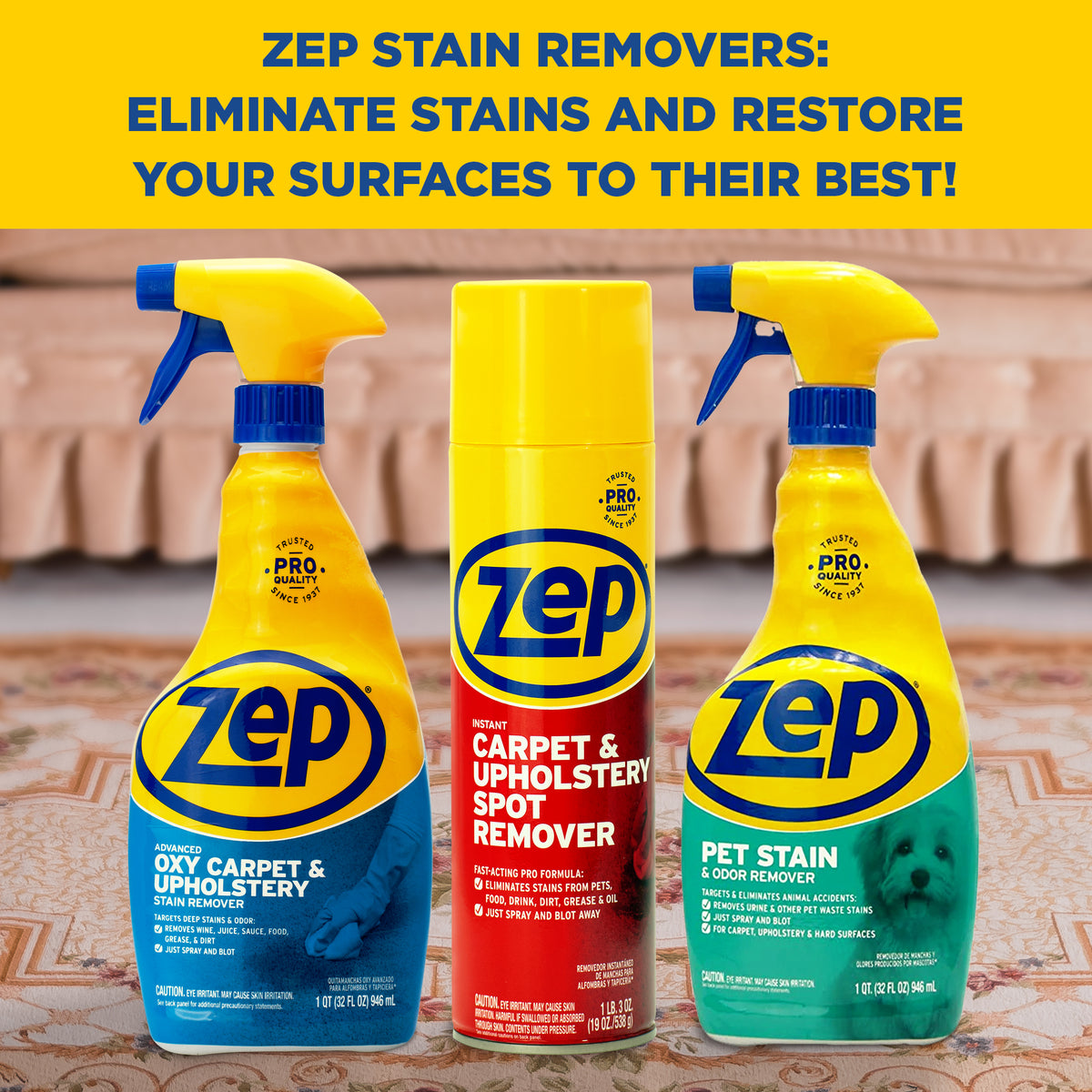
Store-bought products offer convenience if you prefer not to mix your own solutions. Choosing the right formula is essential for safety and effectiveness.
Choose Fabric-Specific Formulas
Select a cleaner labeled specifically for your headboard fabric type, such as cotton, polyester, or microfiber. Verify that the product targets grease or oil stains for best results.
Follow Manufacturer Instructions Precisely
Apply the product exactly as directed on the label regarding dwell time and application method. Some sprays require immediate wiping, while others need time to penetrate the fibers.
Avoid Harsh Solvents and Bleach
Never use industrial degreasers, ammonia, or bleach on your fabric headboard. These chemicals can weaken fibers, strip colors, and leave behind toxic odors.
Proper Drying Techniques to Prevent Damage
How you dry the fabric is just as important as how you clean it. Improper drying can ruin your progress by setting remaining stains or damaging the structure.
Air Dry Completely Before Use
Allow the cleaned section to dry naturally for 2 to 4 hours in a well-ventilated room. Do not lean against the headboard until it is fully dry to avoid re-soiling the area.
Use Cool Air to Accelerate Drying
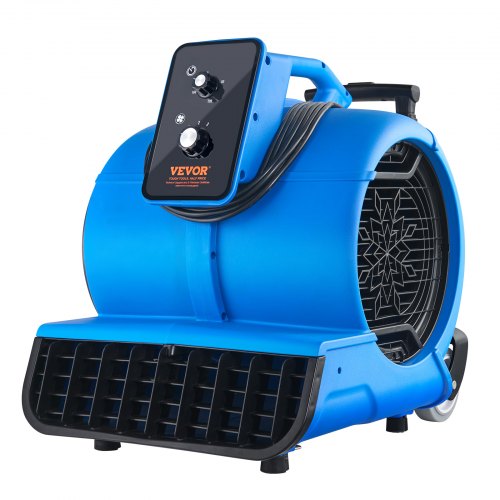
Point a fan at the damp spot or use a hairdryer on the coolest setting to speed up evaporation. Never use high heat, as it can bake any residual oil into the fibers permanently.
Restore Fabric Texture After Drying
Gently brush the dried area with a soft brush to fluff the fibers and blend the cleaned spot. This step restores the nap and ensures the repair is invisible to the eye.
Final Inspection and Repeat Treatments
A thorough final check ensures the stain is truly gone and prevents future issues. Some marks only become visible again once the fabric is completely dry.
Check Results Under Natural Light
Inspect the area in daylight to spot any remaining shadows or discoloration. If a mark persists, repeat the full process of dry absorption followed by liquid treatment.
Consult Professionals for Persistent Stains
Contact an upholstery specialist if the stain remains after two or three cleaning attempts. Professionals have access to steam extraction tools and specialized solvents.
Preventing Future Hair Oil Transfer
Stopping stains before they happen saves you time and effort in the long run. Simple changes to your routine can keep your headboard looking new.
Switch to Silk or Satin Pillowcases
These materials create less friction than cotton and transfer significantly less oil to your bedding and headboard. They also benefit your hair health by reducing breakage.
Use Lightweight Hair Products
Opt for water-based styling products instead of heavy pomades or oils before bed. If you must use oil, apply it early in the evening to allow time for absorption.
Clean Monthly with Damp Cloth
Wipe down your headboard once a month with a slightly damp microfiber cloth. This removes surface dust and oils before they have a chance to build up and stain.
Apply Fabric Protector Spray
Treat your clean headboard with a fabric guard spray designed for upholstery. This creates an invisible barrier that repels liquids and gives you time to blot spills.
Frequently Asked Questions About Removing Hair Oil
Can I use regular laundry detergent to clean my headboard?
Laundry detergent can be too harsh and may leave residues that attract more dirt. Mild dish soap is generally safer and more effective for spot cleaning upholstery.
How long does it take for a hair oil stain to set permanently?
Oil begins penetrating fibers immediately, but it becomes significantly harder to remove after 24 hours. Acting within the first few minutes offers the best chance of complete removal.
Is it safe to use a steam cleaner on fabric headboards?
Steam cleaning can be safe for some fabrics but risky for others, especially if the padding is not designed for heavy moisture. Always check manufacturer guidelines before using steam.
What happens if I use hot water to clean the stain?
Hot water can cook the oil into the fibers, making the stain permanent. Always use warm or cool water when treating grease on fabric upholstery.
Can I use rubbing alcohol to remove hair oil?
Rubbing alcohol can work on some synthetic fabrics but may strip dye or damage natural fibers. It is safer to start with dish soap and water before trying alcohol.
Key Takeaways for Removing Hair Oil from Fabric Headboards
Successfully removing hair oil requires immediate action, starting with dry absorption before any liquid touches the fabric. Always blot gently, test cleaners in hidden spots, and avoid high heat during the drying process to protect your furniture.
Start by applying cornstarch or baking soda to lift the bulk of the grease, then follow up with a mild dish soap solution for deep cleaning. With patience and the right technique, you can restore your headboard and prevent future stains effectively.