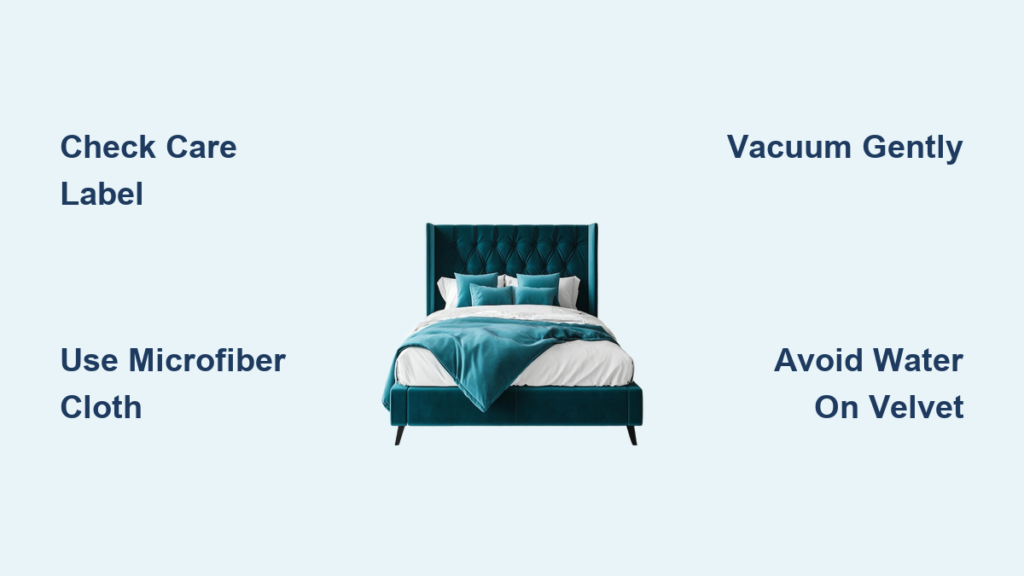
Dust trapped in your fabric headboard does more than look bad; it triggers allergies and degrades fibers over time. Unlike hard surfaces, upholstery absorbs particles deep within the weave, making simple wiping ineffective.
This guide explains exactly how to remove dust from fabric headboard materials safely using dry tools and proper techniques. You will learn specific steps for velvet care, stain removal, and prevention methods that protect your investment without professional help.
Check Care Labels Before Cleaning

Skipping the manufacturer’s instructions is the fastest way to ruin your headboard. Every fabric type has specific limitations regarding water exposure and chemical use that you must respect to avoid permanent damage.
Locate and Decode the Tag
Find the care label usually hidden on the back or underside of the headboard. This tag provides a code telling you exactly which cleaning methods are safe for your specific material.
* W: Safe for water-based cleaning solutions.
* S: Use solvent-based cleaners only; water causes damage.
* WS: Both water and solvent cleaners are acceptable.
* X: Vacuum and dry brush only; no liquids allowed.
If your headboard lacks a tag, assume it is code X and stick strictly to dry cleaning methods.
Perform a Hidden Patch Test
Even safe tools can cause discoloration on older or dyed fabrics. Always test your chosen method on a small, hidden area like a seam or the bottom edge.
Apply the same pressure and motion you plan to use on the main surface. Wait 24 hours to check for color transfer, texture changes, or moisture absorption. If you see any damage, switch to a gentler dry tool immediately.
Use Dry Tools for Deep Dust Removal

Dry mechanical removal is the gold standard for lifting dust without pushing it deeper into the fibers. This phase removes 90% of particulate matter before you consider any moisture.
Wipe Surfaces with Microfiber Cloths
Start with a clean, dry microfiber cloth to capture surface dust effectively. The tight weave of microfiber traps particles instead of scattering them into the air like feather dusters often do.
Gently wipe the headboard in straight, overlapping strokes. For tufted or textured designs, fold the cloth around your fingers to reach deep into crevices. Launder the cloth after every use to prevent redepositing dirt.
Vacuum with Soft Brush Attachments
For embedded dust, use a vacuum cleaner fitted with a soft brush attachment. This tool agitates the fabric gently to lift dirt while the suction removes it.
* Set your vacuum to low suction to prevent pulling threads.
* Glide the brush slowly over the surface with light pressure.
* Work from the top down to catch falling particles.
Pro Tip: Never press hard with the vacuum head, as this can flatten the fabric pile and leave permanent marks.
Clean Velvet Headboards Safely
Velvet acts as a magnet for dust but suffers easily from improper handling. You must follow the direction of the nap to maintain its luxurious texture and appearance.
Brush in Direction of the Nap
After vacuuming, use a clean, dry soft-bristle brush to restore the fabric pile. Brushing against the grain crushes fibers and leaves visible tracks that are hard to fix.
* Start at the top and brush downward in one smooth motion.
* Use long, single-direction strokes only.
* Never scrub back and forth on velvet surfaces.
This process realigns flattened fibers and brings back the plush look essential for velvet aesthetics.
Avoid These Velvet Cleaning Mistakes
Velvet demands strict adherence to specific rules to prevent irreversible texture loss. Ignoring these guidelines often results in water rings or crushed piles that cannot be repaired at home.
* No soaking: Water causes permanent rings and backing damage.
* No rubbing: Blot stains gently; scrubbing ruins the pile.
* No heat: Never use steam cleaners or irons on velvet.
* No harsh chemicals: Stick to mild soap or velvet-safe products only.
Treat Sticky Dust and Stains
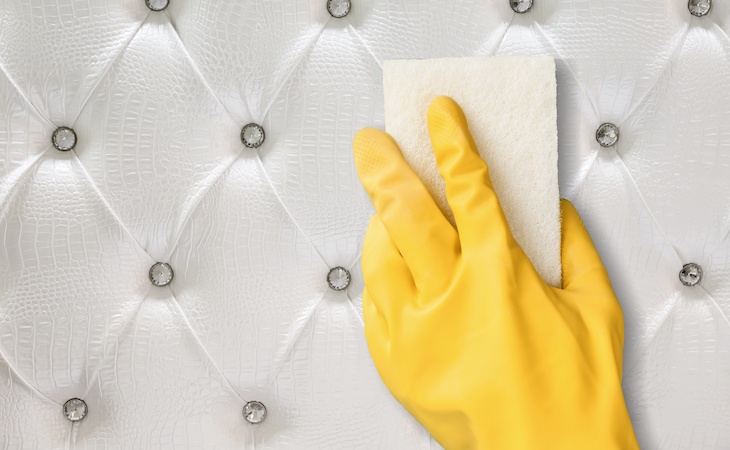
When dust mixes with oils or spills, it becomes sticky and requires damp cleaning. You must verify your care label allows water before proceeding with this step.
Mix Mild Soap Solution
Prepare a gentle cleaning solution if your fabric code is W or WS. Harsh chemicals strip color and weaken fibers, so simplicity is key for safe cleaning.
* Mix 1 drop of mild dish soap with 1 cup of cool water.
* Use a spray bottle or bowl for easy access.
* Avoid bleach, ammonia, or generic all-purpose cleaners.
Dampen Cloth Without Soaking Fabric
Moisten a clean microfiber cloth with your solution and wring it out until it is barely damp. A dripping cloth soaks the backing and creates water stains that are difficult to remove.
* Gently dab the soiled area without rubbing.
* Work from the edge of the stain inward to prevent spreading.
* Blot immediately with a dry cloth to absorb excess moisture.
Rinse and Air Dry Completely
If you used soap, lightly dab the area with a cloth dampened with plain cool water to remove residue. Blot again with a dry towel to extract as much moisture as possible.
Let the headboard air dry fully, which can take 4 to 12 hours depending on humidity. Keep the room well-ventilated and never sleep against a damp headboard, as moisture invites mold growth.
Restore Texture and Protect Fabric
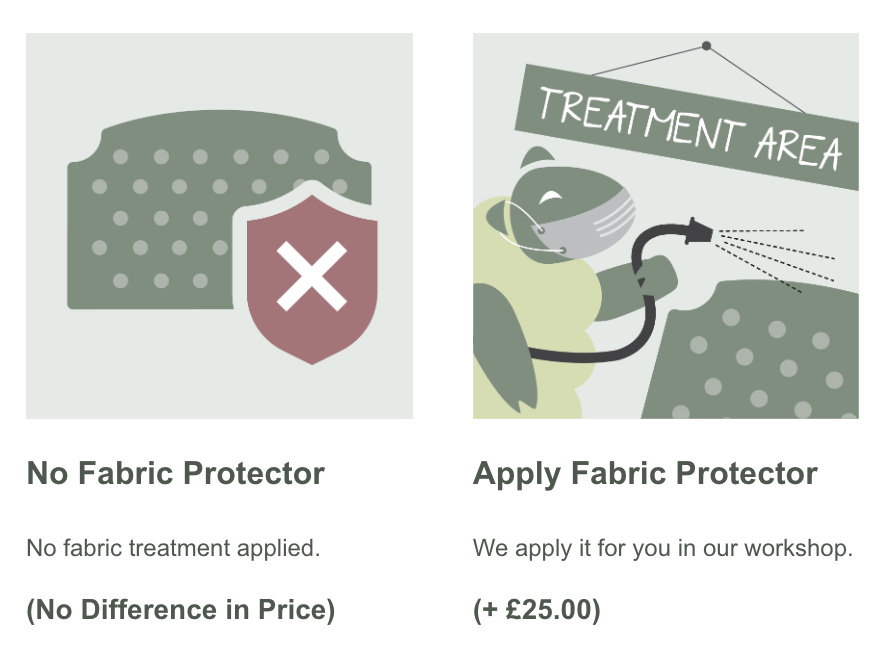
Cleaning can sometimes leave fabrics looking matted or flat. Restoring the texture and adding a protective layer ensures your headboard stays clean longer.
Revive Flattened Areas
Use a dry soft-bristle brush to gently lift fibers in matted spots. For non-velvet fabrics, a handheld steamer held 6 inches away can help lift fibers if the care label permits steam.
For velvet, simply brushing in the direction of the nap usually restores the look. If flat spots persist on velvet, hold a hair dryer on the cool setting 6 inches away to lift fibers without heat damage.
Apply Fabric Protection Spray
Once the headboard is clean and dry, apply a fabric protection spray designed for upholstery. These sprays create an invisible barrier that repels dust, spills, and stains.
* Spray evenly from 6 to 8 inches away.
* Let it dry for 1 to 2 hours before using the bed.
* Reapply every 3 to 6 months for best results.
This step is especially valuable for light-colored or high-touch headboards to reduce future cleaning frequency.
Prevent Future Dust Buildup

Consistent maintenance prevents dust from settling deep into the fibers where it becomes hard to remove. A simple routine keeps your headboard looking fresh year-round.
Dust Weekly
Set a reminder to wipe your headboard with a dry microfiber cloth every 7 to 10 days. This simple habit takes only 2 to 3 minutes but prevents deep accumulation.
Regular dusting reduces the need for intensive cleaning sessions and keeps allergens at bay.
Improve Room Ventilation
Dust thrives in stagnant air, so keeping your bedroom well-ventilated is crucial. Reducing airborne dust means less settles on your headboard.
* Open windows daily to circulate fresh air.
* Use a ceiling fan or air purifier to capture floating particles.
* Change HVAC filters regularly to maintain air quality.
Rotate Headboard If Possible
If your headboard design allows, rotate it 180 degrees every few months. This distributes wear and dust exposure evenly across the surface.
Symmetrical designs benefit most from this practice, extending the overall life of the fabric.
Fix Common Cleaning Mistakes
Even careful cleaners make mistakes. Knowing how to troubleshoot common issues can save your headboard from permanent damage.
Fix Flattened Velvet Pile
Cause: Pressing too hard with a vacuum or brushing against the nap.
Fix: Gently brush the area in the correct direction with a soft brush. If flat spots remain, use a cool hair dryer held 6 inches away to lift fibers without applying heat.
Remove Water Rings
Cause: Over-wetting or uneven drying during spot cleaning.
Fix: Blot with a dry cloth and let air dry completely. For persistent rings, lightly dab with a damp cloth and blot again to even out moisture distribution.
Address Color Fading
Cause: Use of harsh cleaners, bleach, or vigorous rubbing.
Fix: Prevention is the only cure; faded color cannot be restored at home. Always use fabric-safe products and gentle blotting motions.
Eliminate Musty Smells
Cause: Incomplete drying or poor ventilation after cleaning.
Fix: Air the headboard near a fan or open window for several hours. If the odor persists, sprinkle baking soda on the surface, wait 30 minutes, then vacuum thoroughly.
Frequently Asked Questions About Removing Dust from Fabric Headboards
Can I use a regular vacuum hose without an attachment?
No, you should never use a bare vacuum hose on fabric headboards. The strong suction can pull threads, distort the weave, and permanently damage delicate materials like velvet. Always use a soft brush attachment.
How often should I deep clean my fabric headboard?
You should dust weekly with a microfiber cloth and vacuum with a brush attachment every few weeks. Deep cleaning with moisture is only necessary for stains or sticky dust, not for routine maintenance.
Is it safe to use steam cleaners on velvet headboards?
No, steam cleaners are strictly prohibited for velvet and many delicate fabrics. The heat and excessive moisture can collapse the pile, cause water rings, and ruin the texture permanently.
What do I do if my headboard has no care label?
If there is no label, assume the fabric is delicate and code X (dry clean only). Stick to vacuuming with a soft brush and dry microfiber wiping to avoid accidental water damage.
Can I use baby wipes to dust my headboard?
It is not recommended to use baby wipes unless the care label explicitly allows water. Many wipes contain lotions or chemicals that can leave residues or discolor fabric over time.
Key Takeaways for Removing Dust from Fabric Headboards
Successfully learning how to remove dust from fabric headboard surfaces relies on using dry methods first and respecting material limits. Always check your care label, use microfiber cloths and soft vacuum attachments, and avoid water on velvet unless absolutely necessary.
Start your weekly maintenance routine today by grabbing a dry microfiber cloth and gently wiping down your headboard. This simple action prevents deep buildup and keeps your bedroom air cleaner and your furniture looking new.