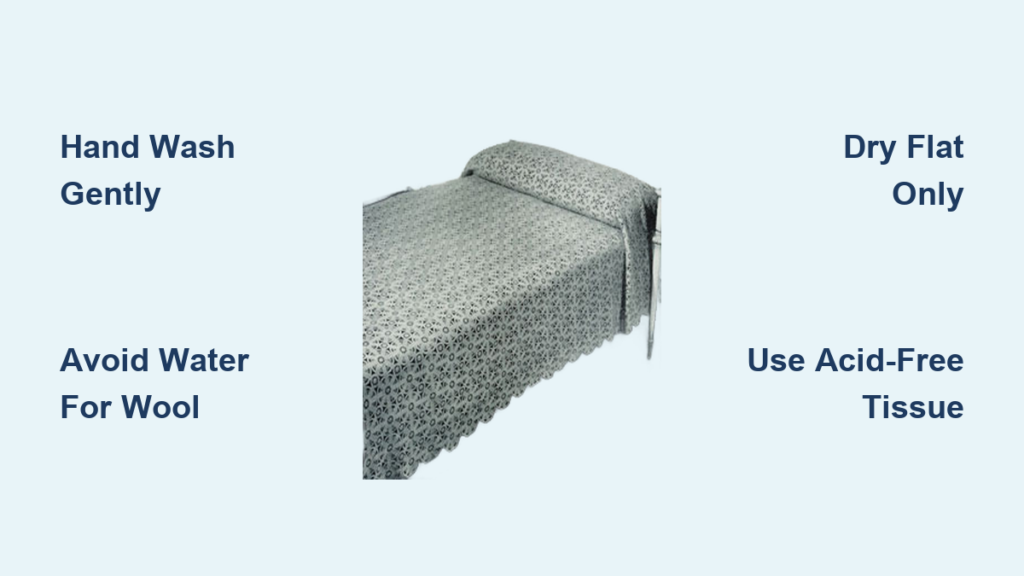
Your antique crochet bedspread holds generations of history, but dust and age can dull its intricate beauty. Many owners panic when asking how to wash antique crochet bedspread items without ruining fragile, decades-old fibers.
This guide reveals the exact steps to clean cotton heirlooms safely while warning you when water causes irreversible damage. You will learn to identify fiber types, execute a gentle hand wash, and store your treasure to prevent future decay.
Assess Your Antique Bedspread Before Cleaning

Cleaning an antique without inspection invites disaster. You must examine the fabric in natural light to find weak spots, broken threads, or unraveling patterns before any water touches the material.
Check for musty odors that signal mold growth or stiff sections indicating brittle fibers. Note any beads or buttons that could rust or loosen during a wash. If the piece falls apart when you touch it, stop immediately and seek professional help.
Identify the Fiber Type Correctly
The cleaning method depends entirely on whether your bedspread is cotton, wool, or silk. Cotton is common and often washable if strong, while wool shrinks permanently with heat or agitation.
Perform a burn test on a loose thread if you are unsure of the material. Cotton burns quickly like paper, whereas wool smells like burning hair and forms a black bead. When in doubt, treat the piece as wool to avoid catastrophic shrinking.
Check for Structural Weakness
Run your fingers gently along the edges to feel for thin or translucent areas. Look for frayed threads or discoloration that might bleed into the rest of the fabric during a wash.
Test colorfastness by dabbing a damp white swab on a hidden seam. If color transfers to the swab, the dyes are unstable, and immersion cleaning is too risky for your antique.
Perform a Critical Spot Test
Mix a small amount of mild detergent with cool water and apply a drop to a hidden area. Wait ten minutes and blot with a white cloth to check for color bleeding or fiber distortion.
Stop immediately if you see any adverse reactions. This simple step prevents you from ruining the entire bedspread with a harsh chemical reaction.
Hand Wash Cotton Bedspreads Safely
Hand washing is the only safe method for cleaning cotton or synthetic antique bedspreads. Machine washing creates agitation that tears delicate threads and distorts the intricate crochet pattern forever.
This process requires patience and a large basin big enough to hold the spread without folding. Expect to spend one to two hours on the actual washing and rinsing process.
Prepare the Cleaning Solution
Fill a clean bathtub or large basin with cool water, as heat sets stains and weakens old fibers. Add a mild, pH-neutral detergent designed for delicates, such as Woolite or Orvus.
Avoid regular laundry detergents, bleach, or enzymatic cleaners. These harsh chemicals break down aged fibers and cause permanent yellowing or brittleness in your antique.
Submerge and Soak Gently
Lower the bedspread into the water slowly, letting it sink naturally without forcing it. Support the weight with your hands to prevent stress on weak areas while ensuring full saturation.
Let the item soak for 15 to 30 minutes to loosen dirt. Gently swirl the water with your hands but never scrub, rub, or twist the fabric, as mechanical action damages the structure.
Rinse Until Water Runs Clear
Drain the soapy water and refill the basin with fresh cool water for rinsing. Lift and lower the bedspread slowly to release soap, repeating this step three to five times.
Residual detergent attracts dirt and degrades fibers over time. Continue rinsing until the water remains completely clear after swirling.
Remove Water Without Wringing
Press water out gently with your hands while the item is still submerged. Lift the bedspread carefully and place it on a clean, absorbent towel to begin the drying process.
Roll the towel and bedspread together like a jelly roll to absorb moisture. Press down on the roll or step on it lightly, then unroll and repeat with a dry towel if needed.
Dry Flat to Prevent Stretching
Lay the damp bedspread flat on a dry towel or drying rack and reshape it to its original dimensions. Never hang an antique crochet piece, as the water weight stretches fibers and ruins the pattern.
Keep the item away from direct sunlight to prevent fading. Allow 24 to 72 hours for complete drying in a cool, well-ventilated room.
Avoid Water for Wool and Fragile Pieces
Water immersion destroys wool and silk by causing shrinking, felting, or dissolving fibers. If your bedspread contains these materials or shows significant fragility, you must avoid traditional washing methods.
Professional conservation is the safest route for these delicate items. However, you can perform limited maintenance at home to remove surface dust without wetting the fibers.
When to Choose Professional Dry Cleaning
Engage a textile conservator or a cleaner specializing in antiques for wool or silk bedspreads. These experts use controlled solvents that clean effectively without triggering the felting process.
Standard dry cleaners often use harsh chemicals or rough handling that harms vintage textiles. Ensure your provider has specific experience with museum-quality or heirloom items.
Use Air and Low-Suction Vacuuming
Lay the bedspread flat on a clean sheet outdoors to let fresh air circulate and reduce mustiness. Use a vacuum with a low-suction setting and a mesh screen over the nozzle.
Hover the vacuum gently over the surface without pressing down. This removes dust and insect debris while keeping the fragile fibers completely dry and safe.
Spot Clean Only When Necessary
Dampen a white cloth with cool water or a tiny drop of mild detergent for small stains. Blot the stain gently from the outside in, never rubbing, to lift the soil.
Allow the area to air dry completely before storing the item. If the stain persists or the fabric reacts poorly, stop and consult a professional.
Never Use These Damaging Methods
Certain cleaning habits destroy antique textiles instantly. Avoid washing machines, dryers, and bleach at all costs to preserve your heirloom.
Machine agitation tears threads, while dryer heat shrinks fibers and melts synthetics. Bleach and stain removers dissolve old fibers and cause irreversible yellowing.
Hanging a wet bedspread stretches the crochet mesh permanently. Direct sunlight fades colors and weakens the structural integrity of the fabric over time.
Store Your Antique Bedspread Properly

Proper storage protects your clean bedspread from moisture, pests, and physical stress. The goal is to maintain the condition you just worked hard to achieve.
Fold the piece loosely with acid-free tissue paper lining the folds to prevent creases. Avoid tight folding or rolling that stresses the fibers.
Use Acid-Free Tissue and Breathable Bags
Place the bedspread in a cotton muslin bag or an archival textile box. These materials allow the fabric to breathe while protecting it from dust.
Never use plastic bags, as they trap moisture and encourage mildew growth. Plastic also promotes silverfish infestations that eat natural fibers.
Choose a Safe Storage Environment
Keep the bedspread in a cool, dry, and dark place with stable temperature and humidity. Avoid attics, basements, or closets near bathrooms where conditions fluctuate.
Ideal storage conditions are between 60 and 70 degrees Fahrenheit with 40 to 50 percent relative humidity. Check the piece every few months for signs of pests or mold.
Protect Against Moths and Pests
Use dried lavender in muslin pouches or cedar blocks as natural deterrents. Ensure cedar does not touch the fabric directly to avoid oil transfer.
Avoid traditional mothballs, as their strong odor and chemicals can damage fibers. Rotate your stored textiles annually to prevent permanent creases.
Know When to Call a Professional
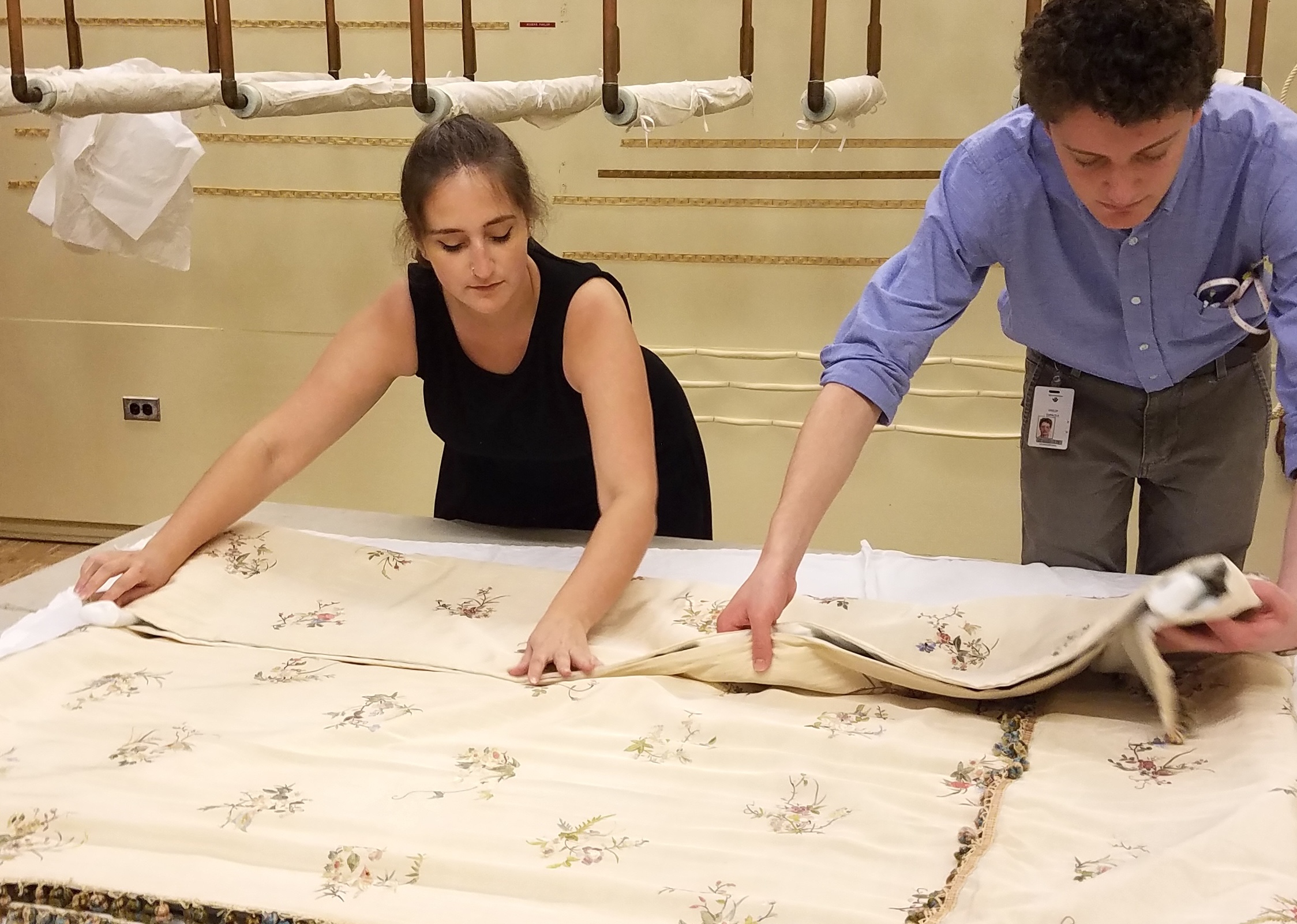
Not every antique bedspread should be cleaned at home, especially if you are unsure of the fiber content. Consult a textile conservator if the piece is fragile, heavily stained, or historically significant.
Professionals can identify fibers, test stability, and clean with precision solvents. They also offer repair services that restore damaged areas without compromising the antique value.
Frequently Asked Questions About Washing Antique Bedspreads
Can I put my antique crochet bedspread in the washing machine?
No, never use a washing machine for antique crochet. The agitation and spinning motion will tear delicate threads and distort the pattern permanently.
How do I know if my antique bedspread is cotton or wool?
Perform a burn test on a loose thread. Cotton burns quickly like paper with gray ash, while wool burns slowly, smells like hair, and forms a black bead.
What is the best way to dry a wet antique bedspread?
Lay the bedspread flat on a clean towel and reshape it. Never hang it, as the weight of the water will stretch the fibers and ruin the design.
Can I use bleach to remove yellow stains from my antique bedspread?
No, bleach breaks down old fibers and causes further yellowing. Use a mild, pH-neutral detergent and cool water for safe cleaning.
How often should I wash my antique crochet bedspread?
Clean antique textiles as infrequently as possible. Spot clean minor issues and only perform a full hand wash when absolutely necessary to preserve fiber strength.
What should I do if my bedspread has mold or mildew?
Mold indicates serious moisture issues. Air the piece out gently and consult a textile conservator, as aggressive cleaning can spread spores or damage weak fibers.
Key Takeaways for Washing Your Antique Crochet Bedspread
Preserving your heirloom requires identifying the fiber type and avoiding harsh machines or heat. Always hand wash cotton pieces gently with cool water and mild detergent, while leaving wool and fragile items to professionals.
Store your clean bedspread in acid-free tissue within a breathable cotton bag. By following these careful steps, you ensure your antique crochet bedspread remains a beautiful legacy for future generations.