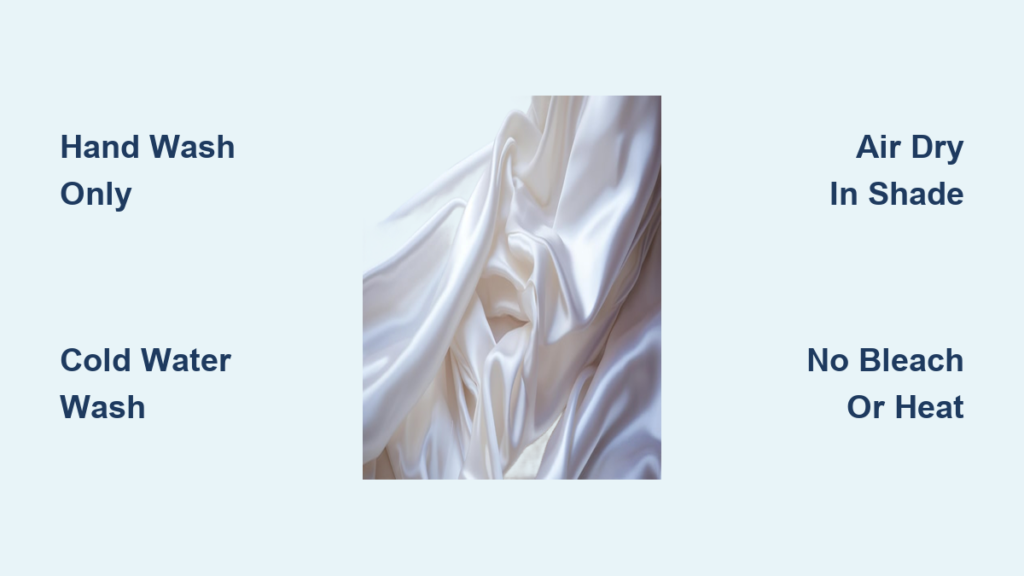
Your silk bedspread adds instant elegance to any bedroom, yet its delicate protein fibers demand specific care to avoid ruin. Washing it incorrectly can lead to fading, pilling, or total fiber breakdown within just one cycle.
This guide reveals exactly how to wash silk bedspread items safely using hand or machine methods approved by experts. You will learn which detergents prevent damage, how to dry without sun exposure, and when to call a professional cleaner.
Verify Care Label Instructions Before Washing
Always start by reading the care label attached to your bedspread. This small tag contains critical data about the weave, dye stability, and cleaning limits specific to your item.
Confirm Washing Suitability
Most 100% mulberry silk bedspreads allow hand washing, but blends often require professional care. If the label states “Dry Clean Only,” you must respect that directive to prevent shrinking or texture changes.
Identify Restricted Cleaning Symbols
Look for red-crossed icons on the tag that signal danger. A crossed-out tub means no machine washing, while a crossed-out triangle indicates no bleach.
- A hand-in-tub symbol confirms hand washing is safe.
- A circle with an X means do not dry clean.
- Unclear symbols warrant a cautious hand wash with cold water.
Select pH-Neutral Detergent for Silk

Silk is a protein fiber similar to human hair, so it requires gentle, enzyme-free cleaners. Using the wrong product can digest the fibers and weaken the fabric structure over time.
Use Enzyme-Free Formulas
Biological detergents contain enzymes designed to break down proteins, which unfortunately includes silk. Always choose a mild, pH-neutral detergent labeled specifically for silk or wool.
- Heritage Park Silk and Wool Detergent is an ideal choice.
- Ensure the formula is free of sulfates, phosphates, and optical brighteners.
- Avoid standard laundry pods as they often contain harsh enzymes.
Avoid Harmful Chemical Additives
Bleach causes irreversible disintegration of silk fibers and must never be used. Fabric softeners coat the fibers, reducing breathability and creating a stiff, unnatural feel.
- Skip dryer sheets entirely as they leave residue.
- Alkaline detergents can harden silk and dull its natural sheen.
- Stick strictly to silk-safe formulas for every wash.
Use Safe Alternatives in Emergencies
If you lack specialized silk detergent, gentle baby shampoo works as a temporary substitute. Sulfate-free hair shampoos are also safe since they are formulated for protein surfaces.
Pre-Treat Stains Before Full Wash
Acting quickly on spills prevents permanent setting and reduces the need for aggressive washing later. Immediate attention saves the fabric from deep saturation.
Blot Liquids Without Rubbing
Use a clean, dry cloth to blot up any liquid spills immediately. Never rub the area, as friction pushes stains deeper and damages the delicate fiber weave.
Spot-Clean with Cool Water
Dampen a white sponge with cool water and a drop of silk-safe detergent. Wring it out until barely damp, then dab the stain gently for 5 to 10 minutes.
- Rinse by blotting with a clean, wet cloth.
- Repeat the process until the stain lifts completely.
- Always test your solution on a hidden seam first.
Handle Tough Stains Carefully
For stubborn marks, mix a solution of enzyme-free all-purpose cleaner and water in a 1:1 ratio. Spray lightly on the spot, wait no more than 2 minutes, then rinse thoroughly.
Hand Wash Silk Bedspread Safely
Hand washing remains the safest method to preserve the luster and structural integrity of your silk bedspread. It eliminates the harsh mechanical agitation found in machines.
Prepare Cold to Lukewarm Water
Fill a clean sink, tub, or basin with water at or below 30°C (86°F). Hot water can set stains permanently and damage the protein structure of the fibers.
Add Detergent and Soak
Pour in a capful of silk-safe detergent and mix gently with your hands. Submerge the bedspread fully and let it soak based on your cleaning needs.
- Soak for 5–10 minutes for a light refresh.
- Soak for 15–30 minutes for a deep clean.
- Do not leave it soaking for hours as prolonged exposure weakens fibers.
Agitate Gently by Hand
Move the fabric slowly through the water using your palms. Never twist, scrub, or wring the material, as this causes friction damage.
- Focus on soiled areas with light pressing motions.
- Let the water and detergent lift the dirt naturally.
- Avoid any vigorous scrubbing actions.
Rinse Until Water Runs Clear
Drain the soapy water and refill the basin with cool, clean water. Swish the bedspread gently and repeat this process 2–3 times until no suds remain.
Remove Water Without Wringing
Press the fabric against the side of the basin to squeeze out excess water. Lay it flat on a clean, white towel and roll it tightly like a jellyroll to absorb moisture.
Machine Wash Only If Label Permits
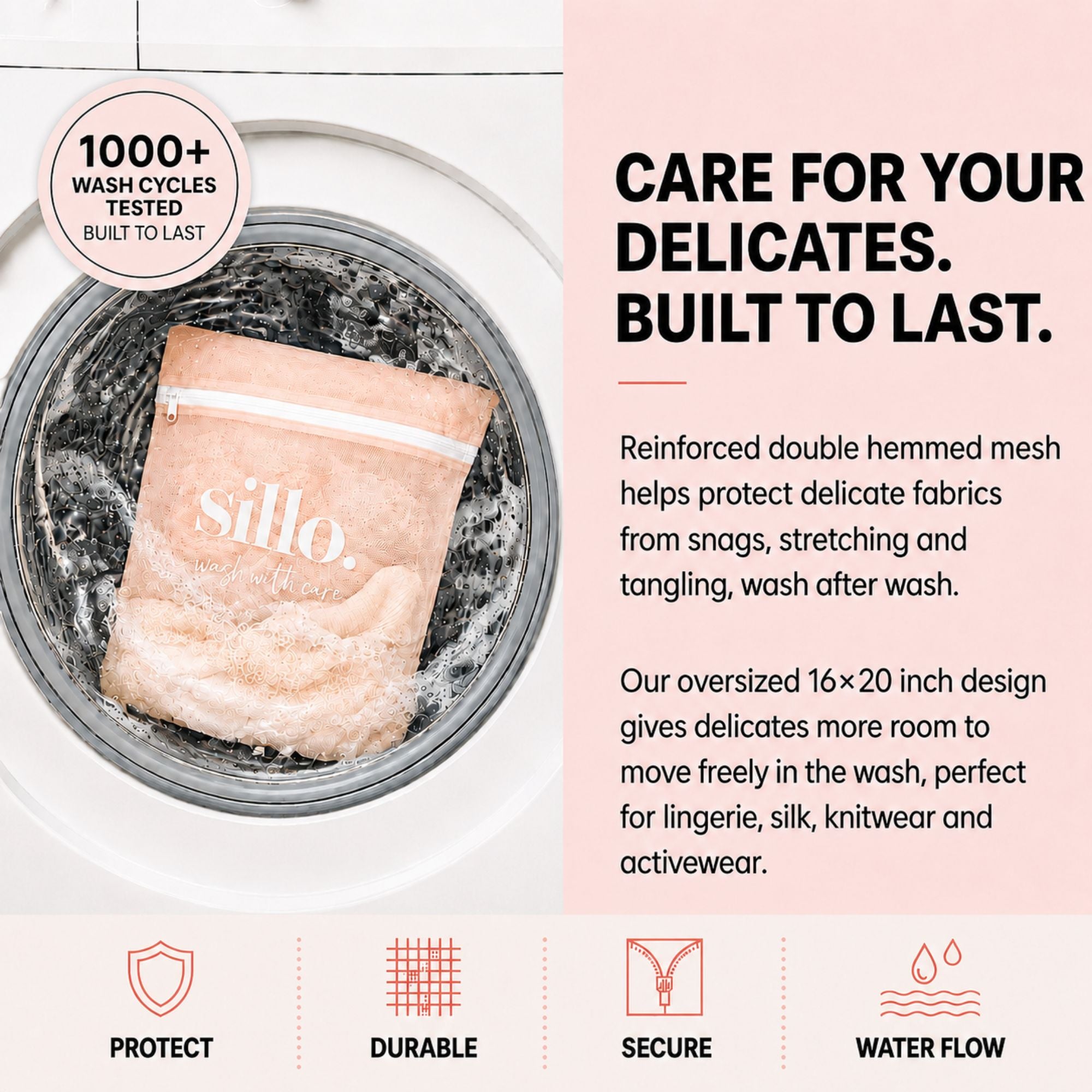
Machine washing is risky and should only be attempted if the care label explicitly allows it. Extreme precautions are necessary to prevent mechanical damage.
Use a Mesh Bag and Delicate Cycle
Turn the bedspread inside out to protect the surface finish. Place it in a large mesh laundry bag to prevent snagging on the drum or agitator.
- Wash the item alone or with other silk pieces only.
- Never mix silk with heavy items like towels or jeans.
- Ensure the mesh bag is large enough to avoid compression.
Select Cold Water and Gentle Settings
Choose the “Delicate,” “Hand Wash,” or “Silk” cycle on your machine. Set the temperature to cold or lukewarm, ensuring it does not exceed 30°C.
- Use minimal amounts of silk-safe detergent.
- Avoid spin cycles above 600 RPM to reduce stress.
- Double-check that no bleach or softener is in the dispenser.
Avoid Washing Filled Comforters
Silk-filled duvets or comforters should never go in a washing machine. The filling will clump, harden, and lose its loft, ruining the item permanently.
Air Dry Away from Direct Sunlight
Drying is just as critical as washing, and improper drying can undo all your careful cleaning efforts. UV rays are particularly damaging to wet silk fibers.
Hang or Lay Flat in Shade
Hang the bedspread indoors on a padded hanger or over a drying rack. Choose a shaded, well-ventilated area like a covered porch if drying outdoors.
- Direct sunlight breaks down protein fibers rapidly.
- UV exposure causes immediate and permanent color fading.
- Indoor drying near a fan offers safe air circulation.
Avoid Wind and Heat Sources
Strong wind pulls on wet fabric, causing it to stretch out of shape. Keep the item away from radiators, heaters, or direct airflow from fans.
- Turn duvet covers inside out to protect the outer fabric.
- Allow the item to dry naturally without acceleration.
- Ensure the space is free from humidity spikes.
Lay Flat for Heavy Items
Thick or heavily embroidered bedspreads should lay flat on a clean sheet or drying mat. Reshape the item gently to maintain its original dimensions while drying.
Limit Dryer Use to Preserve Fibers
Machine drying significantly reduces the lifespan of silk due to heat and tumbling action. Use this method only as a last resort and with extreme caution.
Tumble Only on No Heat
If you must use a dryer, select the “Air Fluff” or “No Heat” mode exclusively. Add wool dryer balls to improve airflow and prevent the fabric from clumping.
- Run the cycle for only 10–15 minutes.
- Stop when the fabric is almost dry but still damp.
- Never use high heat settings under any circumstances.
Finish with Air Drying
Remove the bedspread while it is still slightly damp to the touch. Hang or lay it flat to finish drying completely using the air-dry method.
- This prevents over-drying which makes silk brittle.
- It reduces the risk of static and fiber breakage.
- It ensures the item retains its natural softness.
Avoid Frequent Machine Drying
Even low heat reduces silk’s lifespan over time through repeated stress. Stick to air drying whenever possible to maintain the luxury feel.
Iron Only If Necessary

Silk rarely needs ironing because wrinkles often fall out after a day of use on the bed. If pressing is required, follow strict heat protocols.
Use Low Heat and a Pressing Cloth
Set your iron to the lowest heat setting, often labeled “Silk” or “Delicate.” Always place a clean, white cotton cloth between the iron and the silk.
- This barrier prevents scorching and shine marks.
- It protects the delicate surface from direct heat.
- It ensures even heat distribution across the fiber.
Iron While Slightly Damp
Damp fabric responds better to heat and requires less pressure. If the bedspread is dry, use the steam function lightly rather than spraying water directly.
- Water spots can set permanently if sprayed directly.
- Dampness helps release creases more easily.
- It reduces the time needed with the iron.
Glide, Don’t Press
Move the iron gently in one direction without pressing down hard. Avoid lingering in one spot to prevent localized heat damage.
Store Properly for Longevity
Proper storage prevents dust accumulation, moisture damage, and pest infestation during off-seasons. Clean bedding lasts longer when stored correctly.
Clean Before Storing
Never store a silk bedspread while it is dirty. Oils, sweat, and dust attract moths and cause permanent stains that set over time.
Fold Neatly, Not Tightly
Fold along original seams to minimize deep creases. Avoid sharp folds that can weaken fibers and create permanent stress points.
Use Airtight Containers with Protection
Place the folded bedspread in a breathable cotton storage bag or sealed plastic container. Add silica gel packs to absorb moisture and prevent mildew growth.
- Insert cedar blocks or lavender sachets to deter moths.
- Avoid mothballs as they leave strong, lingering odors.
- Ensure the container is completely dry inside.
Choose a Cool, Dry Place
Store in a dark, temperature-stable area like a closet shelf. Avoid attics, basements, or rooms with humidity swings that encourage mold.
Adjust Wash Frequency for Usage
How often you wash your silk bedspread depends on your sleeping habits and whether you use protective layers.
Every 6 Weeks with a Top Sheet
If you use a top sheet between yourself and the bedspread, it stays cleaner longer. Washing every six weeks is sufficient to remove dust and light oils.
Every 1–2 Weeks Without a Top Sheet
Sleeping directly on the silk transfers body oils and dead skin cells regularly. Wash it as often as your pillowcases and bottom sheet, ideally weekly.
Spot-Clean Between Washes
Use a damp, soapy cloth to wipe up spills immediately after they happen. This extends the time between full washes and prevents stains from setting deeply.
Prevent Common Damage Issues
Understanding what damages silk helps you avoid costly mistakes during the cleaning process. Prevention is key to maintaining luxury.
Stop Color Fading
Fading results from UV exposure, hot water, and harsh detergents. Always wash in cold water, dry in shade, and store away from sunlight.
Reduce Pilling
Pilling occurs due to friction and over-washing. Avoid rough fabrics in the wash and handle the item gently during cleaning.
Avoid Sun and Heat Damage
Wet silk is especially vulnerable to sun damage. Never dry it in direct light, and keep stored items away from windows.
Never Use Bleach
Bleach destroys silk at a molecular level, causing yellowing and holes. Stick to non-chlorine, silk-safe products only.
When to Call a Professional
Some situations require expert handling to save your silk bedspread from ruin. Knowing when to stop DIY cleaning is crucial.
For Filled Silk Comforters
Silk-filled duvets need expert handling to clean without clumping the filling. Professionals use specialized wet-cleaning methods.
Persistent Stains
If home spot-cleaning fails, stop immediately. Aggressive home treatments can make stains worse, so consult a specialist.
Antique or Delicate Pieces
Heirloom bedspreads with embroidery or fragile dyes should be cleaned by experts. They specialize in luxury textiles and preservation.
Dry-Clean Only Labels
If the label says “Dry Clean Only,” find a cleaner experienced with silk. Ask if they use gentle solvents to avoid drying out the fibers.
Frequently Asked Questions About Washing Silk Bedspreads
Can I put my silk bedspread in the washing machine?
You can only machine wash if the care label explicitly permits it. Use a mesh bag, cold water, and a delicate cycle with silk-safe detergent.
What happens if I use regular detergent on silk?
Regular detergents often contain enzymes that digest protein fibers, causing the silk to weaken, lose structure, and eventually fall apart.
How do I dry silk bedspreads without damaging them?
Air dry your silk bedspread in a shaded, well-ventilated area. Never expose wet silk to direct sunlight or high heat from dryers.
Is it safe to iron silk bedspreads?
Yes, but only on the lowest heat setting and with a pressing cloth between the iron and fabric. Iron while slightly damp for best results.
How often should I wash my silk bedspread?
Wash every 1–2 weeks if sleeping directly on it, or every 6 weeks if using a top sheet. Spot clean spills immediately to extend time between washes.
Can I use bleach to remove stains from silk?
No, bleach causes irreversible disintegration of silk fibers. It leads to yellowing, holes, and total fabric failure, so never use it.
Key Takeaways for How to Wash Silk Bedspread
Caring for your silk bedspread requires gentle handling, specific products, and strict avoidance of heat and harsh chemicals. By hand washing with pH-neutral detergent, air drying in shade, and storing properly, your investment can last over a decade.
Remember that enzymes, bleach, and direct sunlight are the three biggest enemies of silk fabric. Always check your care label first, and when in doubt, opt for professional cleaning to preserve the luxury and longevity of your bedding.