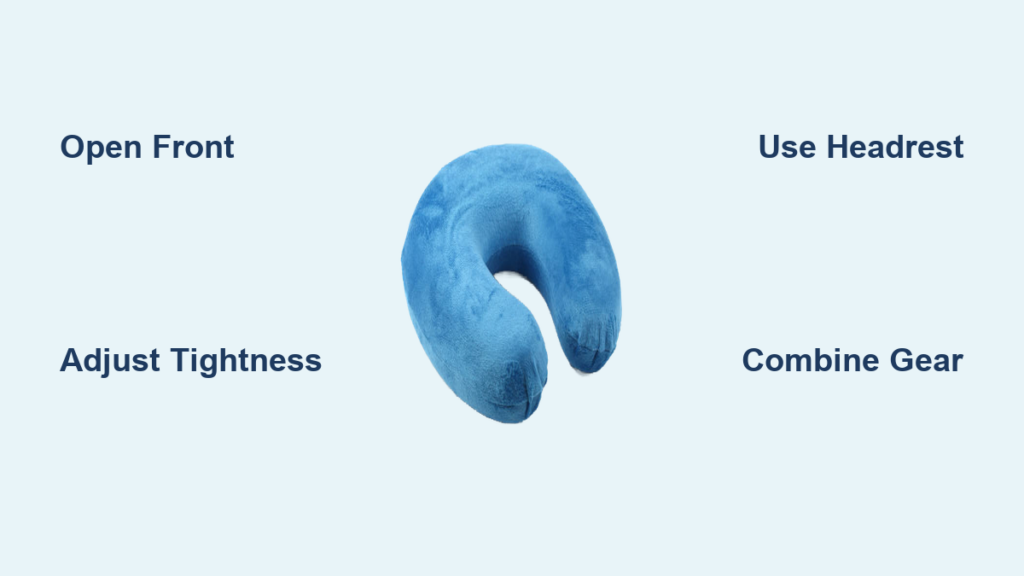
Traveling by plane often means long hours in an upright seat, where falling asleep can lead to stiff necks, sore shoulders, and groggy arrivals. A neck pillow is more than just a comfort accessory. It is a tool for maintaining spinal alignment and reducing fatigue during flight. When used correctly, it supports the head and neck, prevents awkward head drops, and helps you rest more soundly at 30,000 feet. Whether you are a frequent flyer or preparing for your first long-haul journey, knowing how to use a neck pillow on a plane properly can make all the difference in arriving refreshed instead of strained.
Not all neck pillows are the same, and using one incorrectly can do more harm than good. Placing it backward, tightening it too much, or relying on it alone without adjusting your posture can lead to discomfort. This guide breaks down the best ways to position and use your neck pillow based on seat type, sleep style, and pillow design. You will learn how to combine it with seat features like headrests and tray tables, avoid common mistakes, and enhance its benefits with complementary travel gear.
Choose the Right Neck Pillow for Your Seat
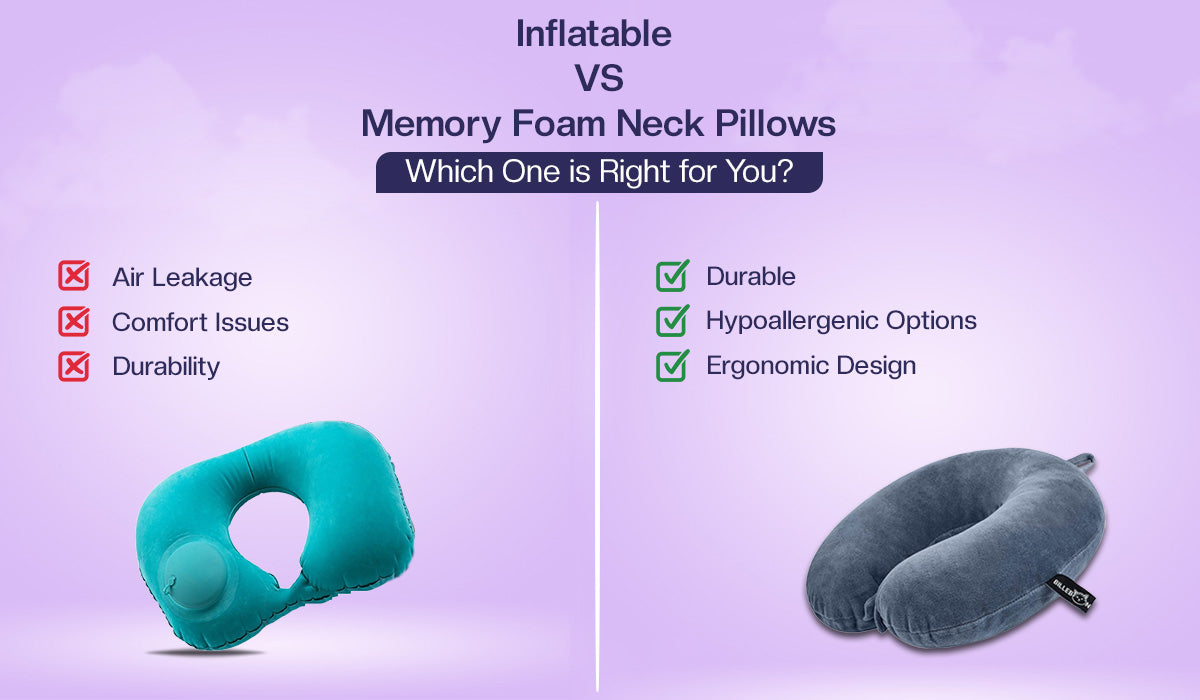
Selecting the correct pillow type for your specific travel situation is the first step toward comfortable in-flight rest. Different designs serve different needs, and matching your pillow to your seat location and sleeping position matters.
Inflatable Pillows for Aisle Seats
If you are in an aisle seat, space is limited and reclining may not be ideal out of courtesy to other passengers. An inflatable neck pillow offers compact support you can adjust mid-flight. Inflate it fully for firm support or slightly under-inflate for a softer feel. Its slim profile makes it easy to turn your head toward the cabin without bumping into neighbors. Keep a small pump or use mouth inflation before boarding. Some models come with auto-inflate technology for quick setup.
Pro Tip: Test inflation levels at home. Over-inflation can push your chin forward, straining the neck.
Memory Foam for Back Sleepers
Back sleepers benefit most from memory foam neck pillows, which mold to the contours of your neck and provide consistent support. These work well when slightly reclining your seat. Look for models with ergonomic curves that support the base of the skull. While bulkier than inflatable options, they deliver superior pressure relief on flights over four hours.
Warning: Avoid compressing memory foam for long periods. It loses shape over time. Store loosely in your carry-on rather than compressing it in a tight bag.
Wrap-Around Pillows for Window Seats
Window seat passengers should consider a 360-degree wrap-around pillow. It prevents head roll during turbulence and supports side-to-side movement. Some include hoods, eye masks, or pockets for small items. Drape it evenly around the neck so the chin is cradled, and lean gently against the cabin wall. This setup minimizes disturbance from neighbors and maximizes stability.
Expert Note: Pair your wrap-around pillow with a hoodie to reduce cold airflow and block light from the window.
Position the Neck Pillow Correctly

How you position your neck pillow determines whether it provides genuine support or simply sits unused around your neck. The orientation matters more than most travelers realize.
Opening at the Front for Upright Rest
Place a standard U-shaped pillow with the open end facing forward, under the chin. The thicker part should support the back of the head and upper neck. This position keeps the cervical spine aligned and stops the head from dropping forward during microsleeps.
• Supports natural neck curve
• Works well with headrests
• Avoid if the pillow feels too loose. Your head will still fall forward.
Adjust until your chin rests lightly on the front cushion. You should feel supported, not squeezed.
Opening at the Back to Prevent Head Nodding
Some travelers prefer the opening at the back, placing the arms of the U under the jaw. This setup resists forward head drop, making it useful if you tend to nod off suddenly.
• Excellent forward resistance
• Ideal for upright alertness
• Less support at the base of the skull
Use this method only if your seatback allows slight recline. Otherwise, your head may float unsupported and cause neck strain.
Over-the-Shoulder for Side Leaning
In a window seat, try the over-the-shoulder method. Drape the pillow over one shoulder, the side you are leaning toward, and let the top curve support your cheek and jaw. This mimics pillow support at home and works best when resting against the plane wall.
Visual Cue: Your ear should align with your shoulder, not tilt upward or downward.
Avoid this positioning in aisle seats. It can cause imbalance and strain on the opposite side of your neck.
Combine with Airplane Seat Features
Your airplane seat already has built-in support elements. Using your neck pillow in conjunction with these features amplifies comfort rather than fighting against them.
Use With Headrests Effectively
Many travelers ignore the headrest or fight against it when wearing a neck pillow. Instead, align both supports for maximum benefit.
- Adjust the headrest to its lowest or mid position
- Place the neck pillow so the headrest supports the base of your skull
- Let the neck pillow cushion the sides and front of the neck
Some advanced pillows have contoured cutouts designed to fit standard airplane headrests. Look for these if you fly frequently.
Check: Verify there are no gaps between your head and the support. Any space means poor alignment and reduced effectiveness.
Lean on the Tray Table Smartly
If you need to nap forward, use the tray table safely to avoid lower back strain.
- Roll up a jacket or blanket into a soft mound
- Place it on the tray table
- Rest your arms and forearms on the table for stability
- Gently lower your head, letting the neck pillow support your neck while the bundle cushions your forehead or chin
This reduces strain on the lower back and keeps breathing unobstructed.
Caution: Do not sleep like this for more than 30 to 45 minutes. Prolonged forward bending can compress spinal discs and cause discomfort.
Adjust for Seat Recline
When reclining your seat, and it is acceptable to do so, re-position your neck pillow to match the new head angle. Ensure the back of your head remains supported throughout. Memory foam and wrap-around styles perform best in reclined positions.
Etiquette Note: Always recline slowly and check behind you first to avoid disturbing the passenger behind.
Avoid Common Neck Pillow Mistakes
Even the best neck pillow fails when used incorrectly. These frequent errors can turn a comfort tool into a source of pain.
Wearing It Backward
One of the most frequent errors is placing the U-shape backward, with the opening at the back when the design intends it at the front. Always check manufacturer instructions. If your head tilts forward uncontrollably, the pillow is likely upside down or misaligned.
Fix: Flip it so the bulk supports the heaviest direction of head movement.
Too Tight or Too Loose
A neck pillow should be snug but not restrictive.
• Too loose: Head drops, defeating the purpose
• Too tight: Compresses carotid arteries, causes numbness, or restricts breathing
Test: You should be able to fit one finger between the pillow and your neck.
Ignoring Your Sleep Style
Using a side-sleeper pillow when you naturally sleep on your back leads to poor support. Match your pillow type to your sleep position.
• Side sleepers need wrap-around or over-the-shoulder support
• Back sleepers need front-opening memory foam
• Toss-and-turners benefit from adjustable inflatable options
Skipping Supplementary Supports
A neck pillow alone is not enough for quality rest. Pair it with these essentials.
• An eye mask to block cabin light
• Noise-canceling headphones or earplugs
• A travel blanket to stay warm
• A lumbar roll for lower back support
These create a rest-friendly micro-environment even in economy class.
Not Adjusting Mid-Flight
Posture shifts during turbulence or sleep cycles. Reposition your pillow when you wake up, stretch, or change position. Small tweaks maintain comfort and prevent stiffness.
Pro Move: Set a reminder to adjust every 2 to 3 hours on long flights.
Enhance Comfort with Travel Wellness Gear
Beyond the basic neck pillow, several accessories can elevate your in-flight rest experience.
Try a Weighted Neck Pillow
For anxious flyers or light sleepers, a weighted neck pillow adds deep pressure stimulation, which calms the nervous system. Filled with clay or glass beads, typically 2 to 4 pounds, it feels like a gentle hug around the neck.
• Reduces in-flight anxiety
• Improves sleep onset by 20 to 30 percent
• Combines physical and sensory support
Best For: Long flights, turbulence-prone routes, meditation during travel
Add a Travel Weighted Blanket
Drape a compact weighted blanket over your lap or torso. It lowers cortisol, reduces restlessness, and enhances the grounding effect of your neck pillow.
Travel Hack: Choose one with a seatbelt slot so you can stay secured during takeoff and landing.
Use Heat Therapy Pre-Flight
Apply a portable infrared heating pad to your shoulders before boarding. It relaxes tight muscles and increases blood flow, preparing your body for seated rest.
Alternative: Pack a microwavable travel heat pack if allowed through security.
Consider a Sauna Blanket Post-Flight
After landing, use a far-infrared sauna blanket to release travel tension. Just 20 to 30 minutes helps detoxify, loosen stiff muscles, and reset your circadian rhythm, especially after overnight flights.
Keep Your Neck Pillow Clean and Functional
Proper maintenance ensures your pillow remains hygienic and effective for many trips.
Wash Removable Covers Regularly
Most neck pillows come with machine-washable covers. Wash after every few flights using cold water and mild detergent. Air dry or tumble dry on low to prevent shrinkage.
Hygiene Boost: Use a removable pillowcase, like you would at home, for an extra layer of protection.
Spot Clean Memory Foam
Never soak memory foam. Spot clean with a damp cloth and mild soap. Wipe gently, then air dry completely before reuse.
Warning: Trapped moisture breeds mold and odors. Always ensure thorough drying.
Deflate and Store Inflatables Properly
After each flight, fully deflate inflatable pillows and store them in a protective pouch. This prevents valve damage and punctures.
Check: Inspect for slow leaks before boarding. No one wants a flat pillow at cruising altitude.
Inspect for Wear and Tear
Before every trip, examine your pillow for these issues.
• Tears in fabric
• Loose seams
• Odors or stains
• Valve issues for inflatables
Replace if compromised. Your neck deserves reliable support.
Optimize Based on Your Travel Profile
| Traveler Type | Best Pillow Choice | Positioning Tip | Extra Gear |
|---|---|---|---|
| Window Seat Flyer | Wrap-around or over-the-shoulder | Lean into cabin wall | Eye mask, hoodie |
| Aisle Seat Passenger | Inflatable or low-profile foam | Use tray table lean | Earplugs, lumbar roll |
| Back Sleeper | Memory foam, opening front | Slight recline plus headrest | Weighted blanket |
| Side Sleeper | 360-degree support | Align ear with shoulder | Folded jacket for extra lift |
| Anxious Traveler | Weighted neck pillow | Combine with deep breathing | Noise-canceling headphones |
| Frequent Flyer | Compact inflatable with washable cover | Adjust per flight length | Disinfectant wipes for mid-flight |
Final Tips for Maximum Comfort
Test Your Setup at Home
Practice using your neck pillow before flying. Sit in an upright chair and simulate sleeping. Adjust until your neck feels fully supported without strain.
Success Sign: You can nap for 20 minutes without waking with neck pain.
Prioritize Neck Alignment Over Bulk
A bulky pillow is not always better. Choose one that matches your neck circumference and keeps your head level, not tilted up, down, or sideways.
Stay Hydrated and Move Regularly
Even the best neck pillow cannot prevent stiffness if you sit still for 8 hours. Walk the aisle every 1 to 2 hours, stretch your neck gently, and drink water to reduce swelling and fatigue.
Upgrade Strategically
Consider investing in multi-functional travel gear.
• Neck pillows with built-in Bluetooth speakers
• Inflatable models with magnetic closures
• Weighted versions with cooling gel layers
These small upgrades can significantly improve comfort on long journeys.
Arrive Feeling Refreshed
Using a neck pillow correctly is not just about comfort. It is about preserving your physical well-being during travel. Proper support reduces muscle strain, improves sleep quality, and helps regulate breathing and circulation.
Real-World Result: Studies show correct neck pillow use reduces neck stiffness by 68 percent and improves sleep efficiency by 30 to 45 percent on long flights.
Frequently Asked Questions About Using a Neck Pillow on a Plane
Should I inflate my travel pillow fully or leave it slightly soft?
It depends on your preference and neck size. Fully inflated provides firm support, while slightly under-inflated offers a softer feel that conforms to your neck. Test different levels at home before your flight to find what works best for you.
Can I use a neck pillow with the airplane headrest?
Yes, and you should. Position your neck pillow so it works with the headrest rather than against it. The headrest should support the base of your skull while the neck pillow cushions the sides and front of your neck.
Is it better to sleep forward or backward on a plane with a neck pillow?
Back sleepers generally fare better with a slight seat recline and the pillow opening at the front. Side sleepers in window seats can use the over-the-shoulder method. Forward sleeping on the tray table works for short naps but should not exceed 30 to 45 minutes.
How do I clean a memory foam neck pillow?
Memory foam should never be soaked. Spot clean with a damp cloth and mild soap, then air dry completely before storing. Use a removable pillowcase for added hygiene between cleanings.
What is the best neck pillow for anxious flyers?
A weighted neck pillow filled with clay or glass beads provides deep pressure stimulation that calms the nervous system. Pair it with noise-canceling headphones and an eye mask for maximum relaxation.
How often should I replace my travel neck pillow?
Inspect your pillow before each trip. Replace it if you notice tears, persistent odors, flattened support, or valve issues with inflatable models. Frequent travelers may benefit from annual replacement to maintain optimal support.
Key Takeaways for Using a Neck Pillow on a Plane
The way you use a neck pillow on a plane determines whether it becomes a useless accessory or a game-changer for your travel comfort. Choose the right pillow type for your seat location and sleep style, whether that is an inflatable for aisle seats, memory foam for back sleepers, or a wrap-around for window seats. Position it correctly with the opening facing the direction that prevents your head from dropping, and always adjust the tightness so you can fit one finger between the pillow and your neck.
Combine your neck pillow with supplementary supports like eye masks, earplugs, and lumbar rolls to create a complete rest environment. Use your airplane headrest and tray table strategically to enhance rather than fight against the seat features. Clean your pillow regularly, inspect it for wear before trips, and replace it when support deteriorates.
With these strategies, you can transform even the most cramped economy seat into a restful haven. Arrive at your destination feeling refreshed and ready to enjoy your trip instead of stiff and fatigued.