Lower back pain affects millions of people, especially those who sit for long hours at work, drive frequently, or spend time in poorly designed chairs. One simple, science-backed solution is a lumbar pillow. Designed to support the natural inward curve of your lower spine, a lumbar pillow helps maintain proper posture, reduce strain, and prevent long-term back issues. But simply having one is not enough. Knowing how to use a lumbar pillow correctly makes all the difference between relief and continued discomfort.
When positioned properly, a lumbar pillow keeps your spine in a neutral alignment, preventing the slumped, rounded posture that increases pressure on spinal discs and fatigues supporting muscles. Whether you are battling existing back pain or aiming to prevent it, using a lumbar pillow the right way turns an ordinary seat into an ergonomic haven. This guide walks you through optimal placement, common mistakes, ideal usage settings, and complementary habits to maximize spinal health.
Find the Natural Lumbar Curve
Locate the Small of Your Back
Before placing your lumbar pillow, identify the exact spot it should support. Sit upright and run your hand down your spine until you feel the inward curve just above your buttocks. This is your lumbar region. It is typically 2 to 4 inches above the top of your hips.
This hollow area is where the lumbar pillow must sit. Supporting this spot helps maintain the spine is natural lordosis, preventing it from collapsing into a C-shape during sitting.
Test for Proper Engagement
Once you have found the curve, press gently into the hollow. You should feel slight resistance from the muscles and ligaments supporting the spine. This tactile feedback confirms you have located the correct zone, the target area for lumbar support.
Avoid confusing this with your tailbone or mid-back. Placing the pillow too low targets the sacrum, offering no real support. Too high shifts focus to the thoracic spine, which can cause upper back strain.
Position the Pillow Correctly
Sit Fully Back in the Chair
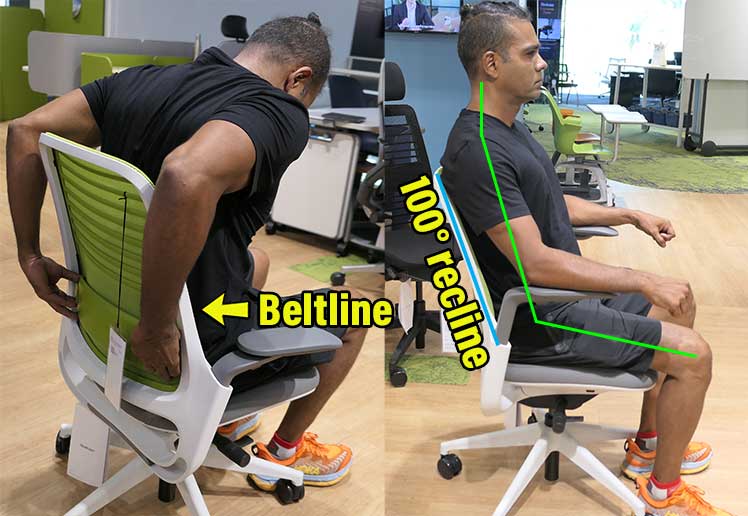
Start by scooting all the way back until your hips and buttocks are flush against the chair is backrest. Do not perch on the edge. This disrupts pelvic alignment and makes lumbar support ineffective.
The key cue is to stick your bottom underneath the support and sit back naturally. This simple action ensures your pelvis is engaged and ready for proper spinal alignment.
Align Pillow with Lumbar Hollow
Place the center of the lumbar pillow directly into the small of your back. The convex rounded part should press gently into the inward curve. Most quality pillows have adjustable straps. Use them to secure the cushion in place so it does not slip during use.
Lean back slightly to engage the support. You should feel a subtle lift in your lower back, as if your spine is being gently encouraged into a neutral, slightly extended position.
Check Postural Alignment
After positioning, verify that your ears, shoulders, and hips line up vertically. Your pelvis should tilt slightly forward, which is known as anterior tilt. There should be no gap between your lower back and the pillow.
If you feel pressure or discomfort, reposition the pillow. Small adjustments make a big difference in achieving proper alignment.
Avoid Common Placement Mistakes

Pillow Placed Too Low
Placing the lumbar pillow below the natural curve near the tailbone does nothing to support spinal alignment. Instead, it encourages forward slumping, increasing disc pressure and muscle fatigue.
Fix this by moving the pillow upward until it fills the hollow of your lower back.
Pillow Placed Too High
Positioning the pillow at mid-back level forces your upper spine to round forward, leading to shoulder hunching and neck strain.
Fix this by adjusting downward. Lumbar support is for the lower back only.
Sitting Too Far Forward
Even the best pillow fails if you are not sitting fully back. If your hips are not against the backrest, the pillow cannot engage the lumbar curve.
Fix this by scooting back first, then placing the pillow.
Wrong Firmness Level
A pillow that is too soft collapses under pressure, offering no real support. A pillow that is too firm creates pressure points, causing discomfort.
The ideal choice is memory foam or gel-infused foam that contours to your shape while maintaining structural integrity.
Optimize for Car Seats
Fix Downward Seat Slope
Many car seats slope downward from hips to knees, forcing the pelvis into a posterior tilt and flattening the lumbar curve. This is a major cause of driving-related back pain.
The solution involves two steps. First, place a folded towel, cushion, or seat wedge under your thighs to elevate your hips above your knees. Then position the lumbar pillow at the small of your back. This dual adjustment restores anterior pelvic tilt and reestablishes healthy spinal curvature.
Secure Pillow During Driving
Use a lumbar pillow with non-slip backing or adjustable straps that hook over the headrest posts. This prevents shifting during turns or braking.
Test the setup on a short drive. You should feel reduced lower back fatigue, less need to squirm or adjust posture, and improved comfort over long distances.
Use in Office and Home Chairs
Pair with Ergonomic Furniture
A lumbar pillow works best when combined with an adjustable chair. Set your seat height so your feet are flat on the floor and your knees are at or slightly below hip level. The backrest should be vertical or slightly reclined at 100 to 110 degrees. Armrests should position your elbows at 90 degrees with shoulders relaxed.
Add the lumbar pillow to enhance built-in support or replace inadequate factory lumbar features.
Maintain Monitor Alignment
Even perfect lumbar support fails if your head juts forward. Position your computer screen at eye level, about an arm is length away.
Use a laptop stand or external monitor to avoid neck flexion, which pulls the entire spine out of alignment.
Choose the Right Pillow Design

Memory Foam vs. Gel-Infused
Memory foam provides firm, durable support but can retain heat. Gel-infused foam offers a cooler feel and better airflow but tends to be slightly more expensive. Both contour well to the spine. Choose based on comfort preference and climate.
Look for Key Features
Effective lumbar pillows share several important features. Adjustable straps allow secure fit on any chair. Ventilated fabric or perforated foam prevents sweating during extended use. A compact size fits behind your back without pushing you forward. A portable design makes it easy to carry between car, office, and home.
Avoid flat cushions. They lack the convex shape needed for true lumbar support.
Combine with Healthy Sitting Habits
Take Frequent Movement Breaks
No pillow replaces the need to move. Sitting too long, even with perfect posture, reduces blood flow and stiffens muscles.
The rule is to stand or walk for 2 to 5 minutes every 30 to 60 minutes. Try walking to deliver messages instead of emailing. Use a standing desk part-time. Do light stretches at your desk during breaks.
Stretch Tight Muscles
Tight hip flexors and hamstrings pull the pelvis out of alignment, undermining lumbar support.
Perform these stretches 2 to 3 times per week. The kneeling hip flexor stretch targets 30 seconds per side. The seated forward bend lasts 30 seconds while keeping your back straight. The cat-cow stretch warms up the spine for 1 minute.
These movements improve pelvic mobility and enhance the effectiveness of your lumbar pillow.
Support Long-Term Spinal Health
Use Proactively, Not Just for Pain
Many people wait until back pain starts before using a lumbar pillow. But its greatest benefit is prevention.
Start using one if you work at a desk 4 or more hours per day, drive more than 30 minutes daily, or have a history of lower back discomfort. Think of it like a seatbelt. Use it before injury occurs.
Add Complementary Therapies
For chronic or recurring pain, combine pillow use with massage therapy to reduce muscle tension every 2 to 4 weeks. Physical therapy teaches core stabilization and posture correction. Chiropractic care addresses joint misalignments affecting spinal mechanics.
These professionals can also assess whether your pillow is positioned correctly.
Quick-Start Usage Checklist
Sit fully back with hips against the backrest. Find the hollow in your lower back. Center the pillow in that curve. Lean gently into the support. Check that your ears, shoulders, and hips are in line. Elevate your hips above your knees, especially in cars. Use adjustable straps to secure the pillow. Take movement breaks every 30 to 60 minutes. Combine with a monitor at eye level.
Frequently Asked Questions About Using a Lumbar Pillow
Where should a lumbar pillow be placed?
Place the lumbar pillow at the small of your back, directly in the natural inward curve above your buttocks. The center of the pillow should align with this hollow area to support proper spinal alignment.
How do I know if my lumbar pillow is positioned correctly?
When correctly positioned, your ears, shoulders, and hips should form a vertical line. You should feel a subtle lift in your lower back with no gap between your spine and the pillow. Your pelvis should tilt slightly forward.
Can I use a lumbar pillow in any chair?
Yes, lumbar pillows work in most seating environments including office chairs, car seats, home recliners, and airplane seats. Look for one with adjustable straps to ensure secure attachment on different chair styles.
How often should I take breaks when using a lumbar pillow?
Take a movement break every 30 to 60 minutes regardless of pillow use. Stand up, walk around, or do light stretches to maintain circulation and prevent muscle stiffness.
What firmness level is best for a lumbar pillow?
The ideal firmness is firm enough to maintain support but soft enough to contour to your body. Memory foam or gel-infused foam offers the best balance. Avoid pillows that are too soft, as they collapse, or too firm, as they create pressure points.
Key Takeaways for Using a Lumbar Pillow Effectively
A lumbar pillow is more than a comfort item. It is a tool for maintaining spinal integrity during daily sitting. When used correctly, it reduces disc pressure, prevents muscle fatigue, and supports long-term back health. The key is precise placement centered at the natural lumbar curve, used in conjunction with proper seating, and integrated into a movement-rich lifestyle.
By avoiding common mistakes and using your lumbar pillow proactively, whether at your desk, in your car, or on a plane, you transform passive sitting into spine-smart sitting. Over time, this small habit can prevent chronic pain, improve posture, and keep you moving freely for years to come.