You toss and turn, mind racing with tomorrow’s to-do list. The room is dark, your phone is away but sleep still will not come. What if the solution was as simple as a few spritzes? A lavender pillow spray can be your secret weapon for better rest. This natural DIY aromatherapy mist uses pure lavender essential oil to calm your nervous system, quiet mental chatter, and signal to your brain that it is time to sleep.
Making your own lavender pillow spray takes under 10 minutes, costs just a few dollars, and lets you control every ingredient. No synthetic fragrances, no harsh chemicals just therapeutic-grade oils and clean water. Whether you are battling insomnia, helping a child wind down, or creating a serene guest room, this spray works as part of a powerful bedtime ritual. In this guide, you will learn the exact ingredients, step-by-step methods, safety tips, and pro tricks to make a spray that actually works and lasts.
Choose Your Spray Bottle
Use Dark Glass for Longevity
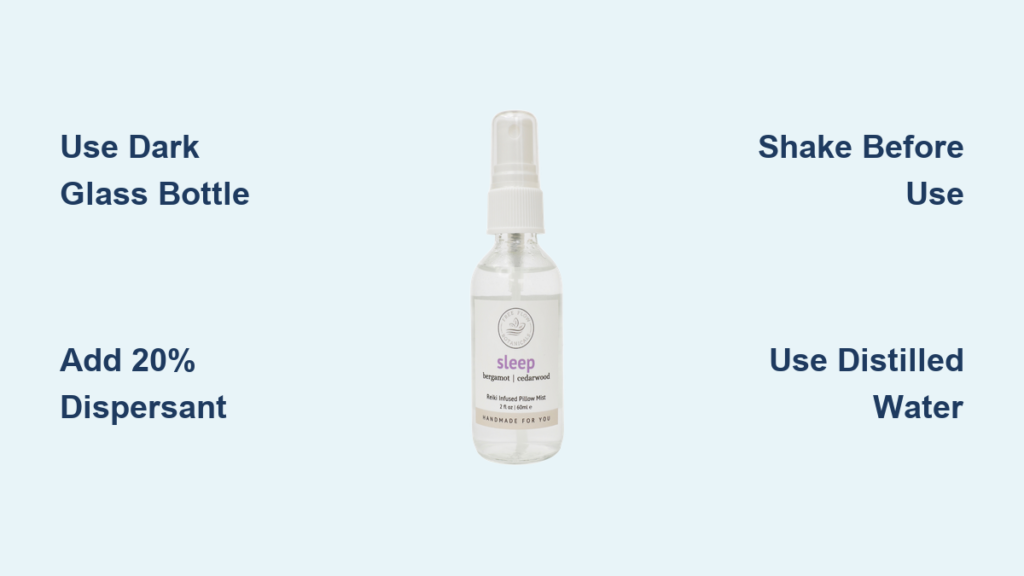
Always store your lavender pillow spray in a glass spray bottle, preferably amber or cobalt blue. These colors block UV light, which can degrade essential oils and shorten shelf life. Avoid plastic bottles because lavender oil can break down plastic over time, leaching chemicals and clogging the nozzle.
A 2- to 8-ounce bottle is ideal. Smaller sizes are perfect for travel or testing your blend. Larger ones reduce how often you need to remake the spray.
Pick the Right Nozzle
Opt for a fine mist nozzle or trigger sprayer. A fine mist ensures even distribution without soaking your pillow. Trigger sprayers offer more control, especially for larger bottles. Make sure the nozzle is clean and functional by rinsing it with warm water before first use.
Pro Tip: Label your bottle with the date and ingredients. This helps track shelf life and avoid confusion if storing multiple blends.
Select Your Essential Oil

Use 100% Pure Lavender Oil
The heart of your spray is Lavandula angustifolia, true lavender essential oil. This is not the same as fragrance oil or aromatherapy oil found in craft stores. Look for 100% pure, undiluted, therapeutic-grade oil in dark glass bottles. Check the label for the botanical name and origin. France or Bulgaria are known for high quality.
One 10 ml bottle of lavender oil can make 5 to 10 batches of spray, making it extremely cost-effective.
Boost Effects with Complementary Oils
While lavender alone is powerful, you can enhance its calming effects with other oils. Roman chamomile soothes anxiety and supports deep sleep. Himalayan cedarwood has grounding, woody properties that reduce mental tension. Avoid mixing too many oils and stick to 2 to 3 maximum for a balanced, non-overpowering aroma.
Warning: Never use essential oils internally without professional guidance.
Pick Your Dispersant
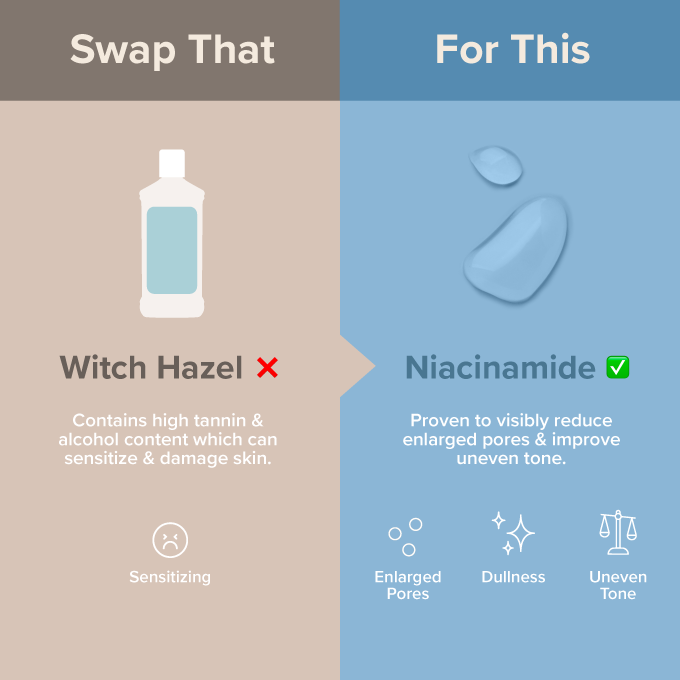
Vodka vs. Witch Hazel vs. Rubbing Alcohol
Essential oils do not mix with water. You need a dispersant to emulsify the oils and preserve the spray. Choose one option based on your needs.
Vodka at 80-proof or higher works for most users and is skin-safe. It is odorless and an effective preservative. Witch hazel suits sensitive skin and natural purists. It is mild, plant-based, and has a slightly floral scent. Rubbing alcohol at 70% isopropyl is for non-body use only and can irritate skin.
Use 1 oz for a 2 oz bottle or 20 to 30 ml for larger bottles. This is about 20 to 25% of total volume.
Expert Tip: Vodka is the top choice for pillow sprays because it preserves without adding scent and is safe near skin and bedding.
Use Distilled Water
Never Use Tap Water
Always finish your spray with distilled, purified, or deionized water. Tap water contains minerals and microbes that can cloud your spray, promote mold, and shorten shelf life.
If you do not have distilled water, boil tap water for 5 minutes then cool completely before using. Store-bought distilled water is cheap and lasts for years. Fill the rest of the bottle after adding your dispersant and oils, leaving half an inch of headspace to allow shaking.
Visual Cue: The final mix should look slightly cloudy when shaken. This is normal.
Mix the Spray Step by Step
Sterilize and Prepare
First, wash the bottle with hot soapy water. Rinse thoroughly and dry completely because any moisture can introduce bacteria. Use a small funnel to avoid spills when adding liquids.
Layer the Ingredients
Follow this order for best results. Add 30 ml of vodka or witch hazel as your dispersant. Add 10 to 45 drops of essential oil depending on desired strength. Swirl gently to mix oils with alcohol, which helps them disperse in water. Fill with distilled water leaving space at the top. Cap tightly and shake for 15 seconds.
Rule of Thumb: More drops equal stronger scent. Use 10 to 20 drops per 1 oz for mild formulation. Use 30 to 45 drops per 100 ml for strong formulation.
Customize Your Formula
Try These Proven Blends
The Simple Lavender Spray works well for beginners. Use 20 drops lavender oil, 1 oz vodka, 1 oz distilled water in a 2 oz amber glass bottle.
The Calming Sleep Blend suits advanced users. Combine 20 drops lavender, 10 drops Roman chamomile, 20 ml witch hazel, and 80 ml distilled water in a 100 ml cobalt bottle.
The Alcohol-Free Option works for those avoiding spirits. Mix 15 drops lavender, 1 tbsp vegetable glycerin or witch hazel, and 1 cup distilled water. Store in refrigerator and use within 2 weeks.
Note: Alcohol-free versions separate faster and spoil quicker. Shake well and use often.
Use It the Right Way
Spray Before Bed
Shake well because oil and water separate over time. Spritz 1 to 2 times on your pillowcase, sheets, or sleep mask. Inhale deeply as you lie down because this sends calming signals directly to your brain.
Use 10 to 15 minutes before sleep to allow the scent to settle. Reapply if you wake up during the night.
Pro Tip: Spray on pajamas before washing for a light, lasting scent that boosts sleep hygiene.
Safe for Kids and Pets
Children: Yes, With Caution
Lavender spray is safe for children when used on bedding. Use a milder formula with 5 to 10 drops per 100 ml. Avoid spraying near face or skin and patch test on fabric first.
Many parents report success using it as part of a bedtime routine, even spraying on a stuffed animal or blanket.
Dogs: Safe on Bedding
Dogs can benefit from the calming effects. Spray lightly on dog beds, crates, or carriers during storms or travel. Never spray directly on fur.
Cats: Do Not Use
Lavender is toxic to cats. They lack liver enzymes to process certain compounds in essential oils. Even diffused scents can be harmful. Keep all sprays away from cats.
Critical Warning: Never apply undiluted essential oils to skin, pets, or babies.
Store for Maximum Shelf Life
Keep It Cool and Dark
With alcohol or witch hazel, your spray can last indefinitely if stored properly. Without a preservative, it lasts 1 to 2 weeks. Refrigeration helps extend life.
Store in a cool dark place such as a nightstand drawer, linen closet, or bathroom cabinet away from sunlight. Always shake before every use because separation is normal.
Sign of Spoilage: Cloudiness, mold, or musty smell. If present, discard and remake with distilled water.
Troubleshoot Common Problems
Spray Smells Weak
The cause is oil degradation from light or heat exposure. Store in dark glass away from windows and use fresher oil.
Nozzle Clogged
The cause is dried botanicals or residue. Rinse nozzle with warm water and avoid adding fresh lavender sprigs unless using a strainer.
Skin Irritation
The cause is high oil concentration or rubbing alcohol. Reduce drops to 10 to 15 per 100 ml and switch to witch hazel or vodka.
Spray Separates Too Fast
The cause is not enough dispersant. Ensure at least 20% of total volume is alcohol or witch hazel.
Why DIY Beats Store-Bought
Save Money, Control Ingredients
Commercial sprays cost 15 to 25 dollars. Your DIY version costs under 5 dollars and lasts longer. Plus, you avoid synthetic fragrances, phthalates, parabens, and hidden alcohols. You also get full transparency because every drop is intentional.
Customize Your Scent
Love a woodsy twist? Add cedarwood. Prefer a sweeter note? Try a drop of chamomile. Your spray, your rules.
Bonus: Homemade sprays make thoughtful gifts. Add a ribbon and label for a natural, personal touch.
Maximize Sleep Benefits
Pair With a Bedtime Routine
A pillow spray works best as part of a consistent wind-down ritual. Dim lights 1 hour before bed. Stop screens 30 minutes before sleep. Spray pillow, breathe deeply, read a book.
Over time, your brain will associate the scent with sleep, making it easier to fall asleep.
Combine With Other Lavender Forms
Boost effects with dried lavender sachets under your pillow. Use a diffuser in the bedroom. Try a lavender bath soak before bed. Layered aromatherapy creates a deeply relaxing environment.
Frequently Asked Questions About Making Lavender Pillow Spray
How long does homemade lavender pillow spray last?
With vodka or witch hazel as a preservative, your spray can last indefinitely when stored in a dark glass bottle away from heat and light. Without alcohol, it lasts 1 to 2 weeks in the refrigerator.
Can I use tap water instead of distilled water?
No, always use distilled, purified, or boiled-cooled water. Tap water contains minerals and microbes that promote mold growth and shorten shelf life.
How many drops of essential oil should I use?
Use 10 to 20 drops per 1 oz for a mild scent. Use 30 to 45 drops per 100 ml for a stronger aroma. Start with fewer drops and adjust to your preference.
Is lavender pillow spray safe during pregnancy?
Yes, lavender spray is generally safe for aromatic and topical use during pregnancy. Consult your healthcare provider if you have concerns.
Can I use this spray on my baby?
Yes, but only on bedding, not on skin or near the face. Use a milder concentration of 5 to 10 drops per 100 ml and ensure good ventilation.
Why does my spray separate so quickly?
Separation is natural because oils do not dissolve in water. Always shake well before each use. If separation happens too fast, you may need more dispersant. Ensure at least 20% of your total volume is alcohol or witch hazel.
Key Takeaways for Making Lavender Pillow Spray
Making a lavender pillow spray is simple, effective, and empowering. With just three ingredients, lavender oil, a dispersant, and distilled water, you create a tool that supports better sleep, reduces anxiety, and enhances your nightly routine. Whether you are making it for yourself, your kids, or as a gift, this spray is a small change with big results.
The most important factors for success are using 100% pure therapeutic-grade lavender oil, always storing in a dark glass bottle, and adding at least 20% alcohol or witch hazel as a preservative. Shake well before every use and apply 10 to 15 minutes before bed for maximum benefit.
Start tonight. Shake well, spray lightly on your pillow, and breathe your way into restful sleep.