
Washing a bedspread in a washing machine often leads to clumping, mildew, or machine damage when homeowners ignore capacity limits and material rules. You might find your comforter still dirty, smelling musty, or filled with lumps if you skip critical prep steps or use the wrong cycle settings.
This guide explains exactly how to wash bedspread in washing machine safely by checking care labels, choosing the right detergent, and mastering the drying process. You will learn specific timeframes, machine size requirements, and troubleshooting tips to keep your bedding fresh and fluffy for years.
Verify Care Label Instructions Before Washing
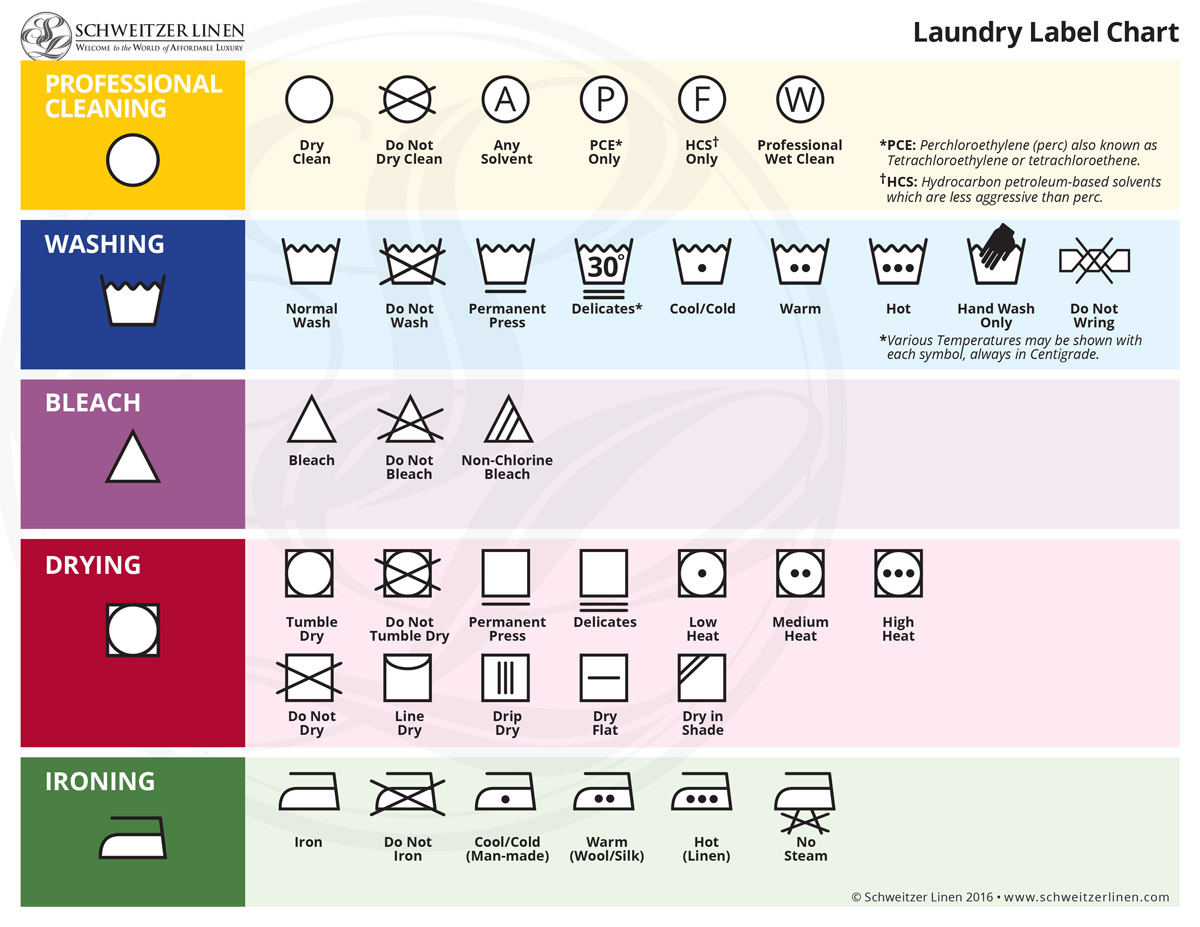
The care label acts as the ultimate authority on whether your specific bedspread can survive a home wash cycle. Ignoring these symbols can lead to shrinkage, felting, or permanent damage to delicate fills like wool or silk.
Identify Machine Washable Symbols
Look for the tub icon which indicates water washing is safe. If you see a circle inside a square or the words “dry clean only,” you must take the item to a professional cleaner instead of risking it in your machine.
Check Material Compatibility
Down, cotton, polyester, and down-alternative fills usually handle machine washing well. Wool and silk items generally require dry cleaning unless the tag explicitly states they are safe for water agitation.
Handle Missing Labels with Caution
If the tag is missing or unreadable, assume the item needs professional care. Washing an incompatible bedspread can ruin its structure and void any remaining warranties.
Inspect Seams and Treat Stains Early
Small tears or loose threads can expand rapidly during the agitation phase, leading to massive filling loss inside your drum. A quick visual scan and minor repairs before washing save you from a disaster zone of fluff later.
Scan All Edges and Stitching
Run your hands along every seam to feel for weak spots or fraying threads. Pay close attention to corners since they endure the most stress during the spin cycle.
Repair Damage Before Loading
Use a needle and thread or fabric glue to fix minor holes immediately. Skipping this step risks unbalancing your washer and losing filling that is impossible to recover.
Pre Treat Stains Gently
Apply mild detergent directly to stained areas and let it sit for 10 to 15 minutes. Gently dab the spot with a damp cloth rather than scrubbing hard to avoid damaging the fibers.
Confirm Your Machine Me Size Requirements

Using a washer that is too small is the most common reason for poor cleaning results and mechanical strain on your appliance. Your bedspread needs ample room to move freely for water and soap to penetrate the fabric.
Meet the 5.0 Cubic Foot Minimum
King-size or thick comforters require a washer with at least 5.0 cubic feet of capacity. Anything smaller will compress the item, preventing proper water circulation and rinsing.
Choose Front Loaders When Possible
Front-loading machines generally handle bulky items better due to their tumbling action. If you must use a top-loader, ensure it is agitator-free or wrap the bedspread loosely around the post.
Utilize Laundromat Capacities
Commercial machines offer 40 to 60 pound capacities ideal for oversized or weighted blankets. These units provide superior agitation and rinsing power that home units often lack.
Select Mild Detergent and Avoid Softeners
The wrong cleaning agents can strip natural oils from down or leave heavy residues that irritate your skin. Choosing the correct formula protects the loft and breathability of your bedding.
Use Fragrance Free Formulas
Opt for mild, hypoallergenic detergents without dyes or perfumes. These additives can build up in thick fabrics and cause skin irritation or allergic reactions.
Choose Down Specific Cleaners
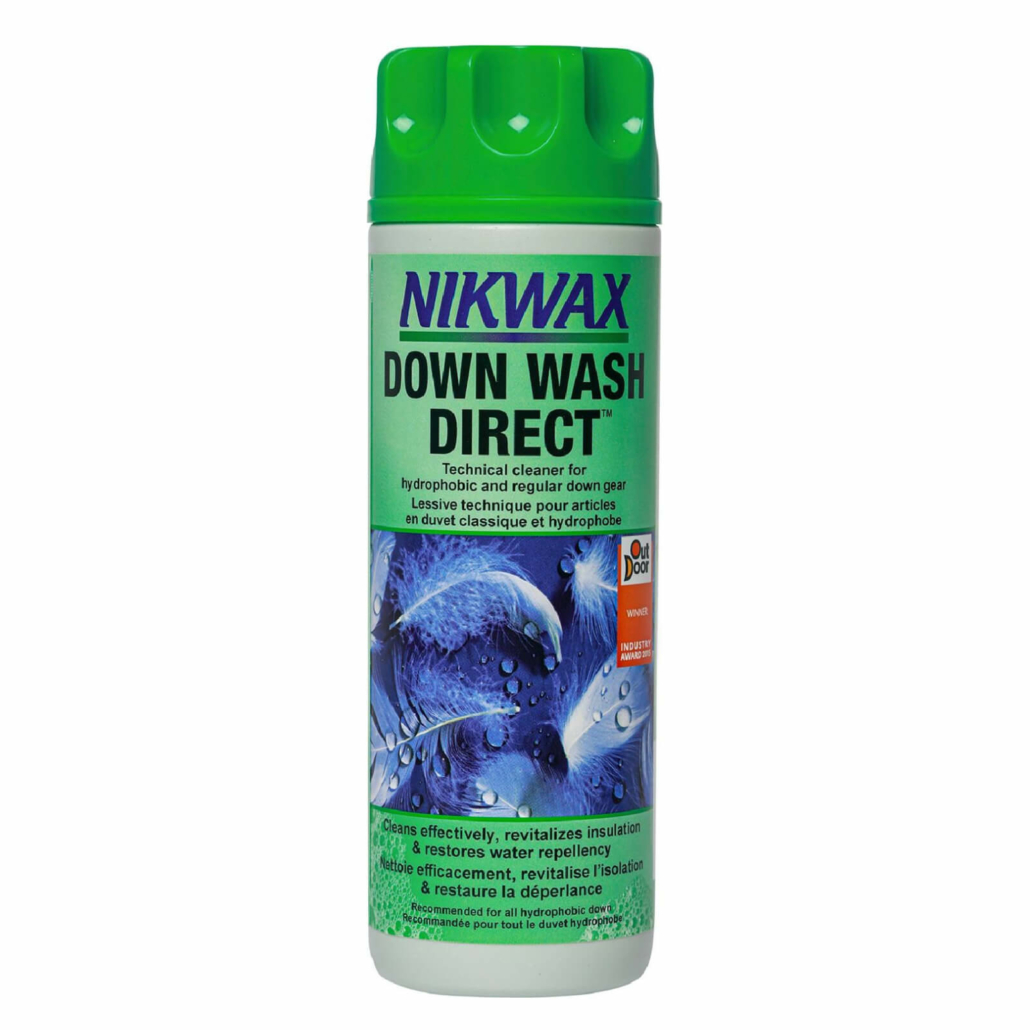
For down-filled items, use a specialized detergent like Nikwax Down Wash Direct. Regular detergents strip natural oils from feathers, causing them to clump and lose their insulating power.
Skip Fabric Softener Entirely
Fabric softeners coat fibers and reduce breathability while trapping moisture inside. Use wool dryer balls instead to achieve softness without the chemical buildup.
Load the Washer Correctly for Balance
How you place the item in the drum affects both cleaning performance and the safety of your machine bearings. An unbalanced load can cause excessive vibration or incomplete rinsing.
Distribute Weight Evenly
Place the bedspread evenly around the drum in front-loaders. In top-loaders, drape it gently around the center post without forcing it into a tight ball.
Ensure Free Movement
The comforter must move freely during the cycle to get clean. If it is stuffed tightly, water cannot circulate effectively to remove dirt and allergens.
Enable Extra Rinse Settings
Select the “Extra Rinse” option to flush out trapped detergent and allergens. Bulky items hold soap deep within their layers, making this step crucial for skin health.
Set Bulky Cycle and Water Temperature
Selecting the wrong cycle or temperature can shrink fibers or fail to clean deep within the filling. Proper settings ensure thorough cleaning while protecting the structural integrity of the fabric.
Choose Bulky or Bedding Cycle
Select the “Bulky,” “Bedding,” or “Delicate” setting on your machine. These cycles use gentle agitation patterns and extended rinse times perfect for large items.
Stick to Cold or Warm Water
Hot water can shrink natural fibers and melt synthetic fills. Use cold or warm water unless your care label specifically permits hot temperatures.
Allow Full Cycle Completion
Expect the wash to take between 45 and 80 minutes depending on your machine. Do not interrupt the cycle as full agitation and rinse phases are essential for deep cleaning.
Dry Thoroughly to Prevent Mildew Growth
:strip_icc()/Bhg-how-to-use-dryer-balls-7499250-hero-H_22281_7D0SWymp4y7Bx9tkVasgAr-69e270ec602341d988483607ef4a481b.jpg)
Incomplete drying is the number one cause of musty smells and mold growth in bedding. Even slightly damp centers can harbor bacteria and ruin the item over time.
Use Low Heat Settings
Set your dryer to “Bulky” or “Bedding” mode with low or no heat. High heat damages fibers and causes shrinkage, especially in down and wool fills.
Add Dryer Balls for Fluffing
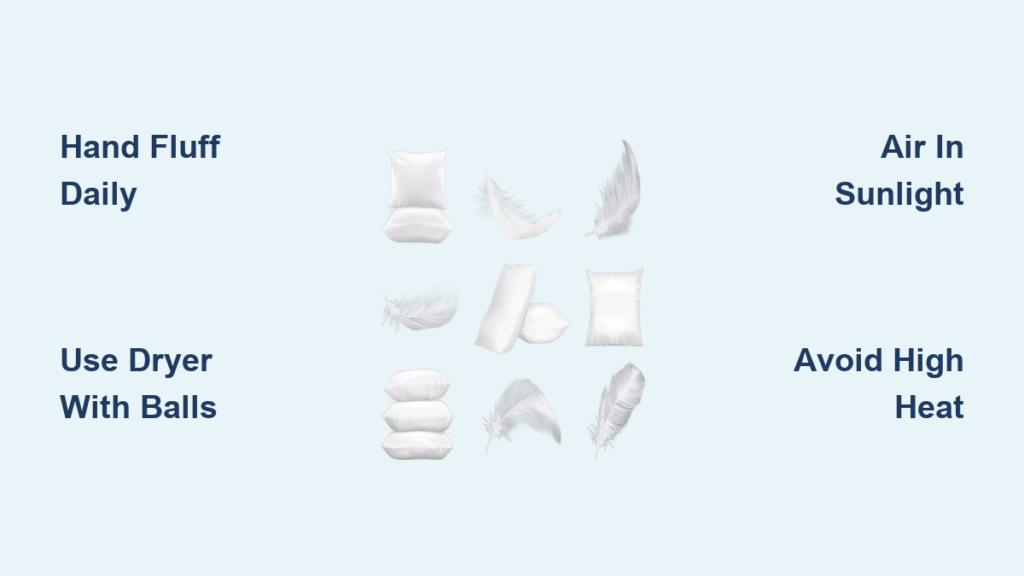
Toss in two or three wool or tennis balls to break up wet clumps. These balls improve airflow and help redistribute the filling as it dries.
Plan for Extended Drying Time
Total drying time often ranges from two to three hours. Initial cycles may take 40 to 90 minutes, but full dryness usually requires multiple rounds.
Fluff and Shake During Drying Cycles
Pausing the dryer to manually redistribute the filling prevents clumping and ensures even drying throughout the core. This step is vital for restoring loft and eliminating damp spots.
Remove and Shake Vigorously
Take the bedspread out every 30 minutes and shake it hard. This action redistributes the filling and prevents the center from staying wet.
Check Thick Areas for Dampness
Feel the middle and corners for cool or heavy spots. If these areas feel damp, return the item to the dryer immediately.
Repeat Until Completely Dry
Continue drying in 20-minute increments until the core is fully dry. Do not stop just because the outside feels dry to the touch.
Air Dry as a Safe Alternative Method
If you lack a large dryer or the care label advises against machine drying, air drying is a safe and effective backup plan. This method takes longer but eliminates heat damage risks.
Hang on Sturdy Supports
Use a clothesline, shower rod, or sturdy drying rack with good airflow. Avoid direct sunlight for extended periods as it can fade colors and weaken fibers.
Flip Regularly for Even Drying
Turn the bedspread over every few hours to expose both sides to air. This prevents one side from staying damp and speeds up the overall process.
Allow One to Two Days
Air drying is slow and may take 24 to 48 hours depending on humidity. Be patient because rushing this step leads to mildew issues.
Handle Special Materials with Specific Care

Different fills require unique approaches to maintain their performance and longevity over time. Understanding your specific material type prevents costly mistakes.
Give Down Extra Attention
Use down-specific detergent and extend drying time significantly. Frequent fluffing with dryer balls is essential to restore loft and prevent clumping.
Avoid Heat on Down Alternatives
Polyester and rayon fills are durable but can melt under high heat. Always use low-temperature settings and avoid wringing the item when wet.
Verify Weighted Blanket Capacity
Most weighted blankets need a washer with at least 40 pound capacity. Check the label carefully since some cannot be machine washed due to filler leakage risks.
Dry Clean Wool and Silk
These delicate materials often felt or degrade in water agitation. Unless labeled machine-washable, opt for professional dry cleaning services.
Fix Common Washing Problems Quickly
Even with careful planning, issues like lumps or odors can arise after a wash cycle. Knowing how to troubleshoot these problems saves your bedding from the trash bin.
Resolve Lumpy Filling
Return the item to the dryer with tennis balls on low heat for 20 to 30 minutes. Shake vigorously between cycles to break up clumps.
Eliminate Musty Smells
Rewash and dry thoroughly if you detect a musty odor. Air drying in sunlight can help neutralize odors if the fabric allows it.
Address Itchy Sensations
Rewash with fragrance-free detergent and an extra rinse cycle to remove residue. Avoid fabric softeners which often cause skin irritation.
Correct Uneven Cleaning
Use a larger capacity machine if cleaning appears uneven. Ensure the bedspread moves freely during the cycle for proper water circulation.
Know When to Visit the Laundromat
Your home machines may simply be too small for king-size duvets or heavy weighted blankets. The laundromat offers the capacity and power needed for these massive loads.
Ideal for Large or Thick Items
Commercial washers with 40 to 60 pound capacities provide the space needed for proper agitation. This prevents mechanical strain on your home appliance.
Estimate Cost and Time
Expect to pay $8 to $12 per load with wash times of 45 to 60 minutes. Drying takes 60 to 90 minutes in commercial units.
Follow Standard Washing Steps
Use mild detergent, cold or warm water, and the bulky cycle just as you would at home. Monitor drying closely and fluff every 30 minutes.
Determine Proper Washing Frequency
How often you clean your bedspread depends on usage patterns and whether you use a protective duvet cover. Following a schedule keeps allergens and dirt under control.
Wash Every Three to Six Months with Cover
A duvet cover shields the bedspread from oils and sweat effectively. Wash the cover every two to four weeks and the comforter less frequently.
Wash Every One to Two Months Without Cover
Direct contact with skin requires more frequent cleaning to remove dead skin and oils. This schedule prevents buildup of allergens and odors.
Increase Frequency for Allergy Sufferers
Dust mites and pollen accumulate over time in bedding materials. Washing every two to three months reduces allergen levels significantly.
Hand Wash If No Machine Is Available
If you cannot access a large enough machine, the bathtub method offers a viable alternative for cleaning your bedspread. This labor-intensive process requires patience but yields good results.
Fill Tub with Cold Water
Half-fill a clean bathtub with cold or warm water and add gentle detergent. Mix well before submerging the bedspread.
Soak and Agitate Gently
Press the bedspread under water and let it soak for 15 to 20 minutes. Agitate softly by hand without scrubbing or twisting the fabric.
Rinse Until Water Runs Clear
Drain and refill the tub multiple times until no suds remain. This may take three or four rinse cycles to complete fully.
Remove Water Without Wringing
Press gently or roll the item in towels to absorb moisture. Never twist or wring the bedspread as this damages fibers and stitching.
Frequently Asked Questions About Washing Bedspreads
Can I wash a king-size comforter in a standard washing machine?
Most standard home washers are too small for king-size comforters. You need a machine with at least 5.0 cubic feet of capacity, or you should use a laundromat.
How long does it take to dry a comforter completely?
Drying typically takes two to three hours total. You must pause to fluff the item every 30 minutes and may need multiple cycles to ensure the core is dry.
What happens if I use regular detergent on down?
Regular detergent strips natural oils from down feathers. This causes the feathers to clump together and lose their insulating loft permanently.
Why does my comforter smell musty after washing?
A musty smell indicates the item was not completely dry before storage or use. You must rewash and dry it thoroughly to prevent mold growth.
Can I use fabric softener on my bedspread?
You should avoid fabric softener as it coats fibers and reduces breathability. It can also trap moisture inside, increasing the risk of mildew.
How often should I wash my bedspread?
Wash every three to six months if using a duvet cover. Wash every one to two months if you do not use a cover or if you have allergies.
Key Takeaways for Washing Bedspread in Washing Machine
Successfully learning how to wash bedspread in washing machine requires respecting capacity limits, choosing gentle detergents, and committing to thorough drying. Always verify your care label, repair tears before washing, and use dryer balls to maintain loft and prevent clumping.
Take action today by checking your machine size and care labels before your next laundry day. If your home equipment is too small, visit a laundromat to ensure your bedding gets the space it needs for a deep, safe clean.