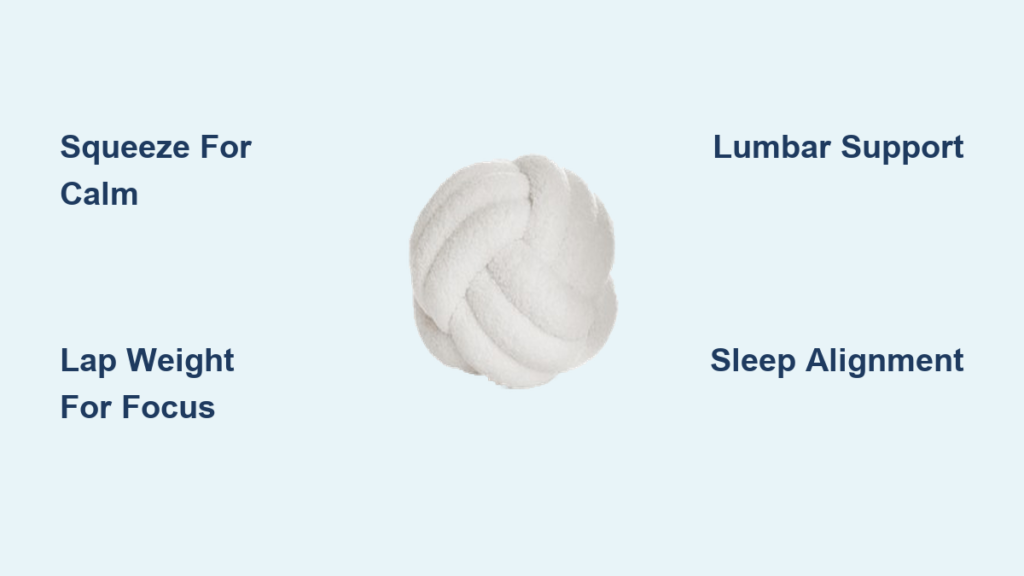
You’ve seen them on Instagram and Pinterest—those soft, sculptural cushions that look impossibly satisfying to touch. The knot pillow isn’t just a decor trend; it’s a practical tool for relaxation, focus, and comfort. Whether you purchased one from Bearaby or crafted your own using spandex and fiberfill, knowing how to use a knot pillow unlocks its full potential across your home, workspace, and wellness routine.
This versatile object blends art and function, offering deep pressure stimulation, fidget relief, and striking visual appeal. From calming anxiety to elevating your living room aesthetic, a knot pillow adapts to your needs. In this guide, you’ll discover exactly how to use it with real-world tips, usage scenarios, and expert-backed methods drawn from design, sensory therapy, and DIY crafting insights.
Stress Relief Through Touch
A knot pillow is a natural stress-relief tool designed to be handled, squeezed, and twisted. Its soft yet structured form provides the perfect resistance for tactile grounding, helping your nervous system shift from stress to calm.
Squeeze and Release for Calm
Hold the knot pillow in both hands and apply firm pressure. Squeeze for 3 to 5 seconds, then release completely. Repeat 5 to 10 times. This simple exercise activates your parasympathetic nervous system, helping reduce cortisol levels and induce a sense of calm.
Use a small knot pillow weighing 0.5 to 1 pound during high-stress moments like before a meeting, during travel, or when you need to reset emotionally.
Twist and Roll Between Fingers
Roll one loop between your palms or twist sections slowly. The continuous shape encourages fluid motion, making it ideal for fidgeting without distraction. This approach works well for people with ADHD or anxiety, helping occupy restless hands during screen time or meetings. It can replace less discreet fidget toys while providing the same tactile satisfaction.
Look for slight indentations forming in the fabric as a visual cue that you’re applying optimal pressure without risking seam damage.
Grounding Lap Weight for Focus
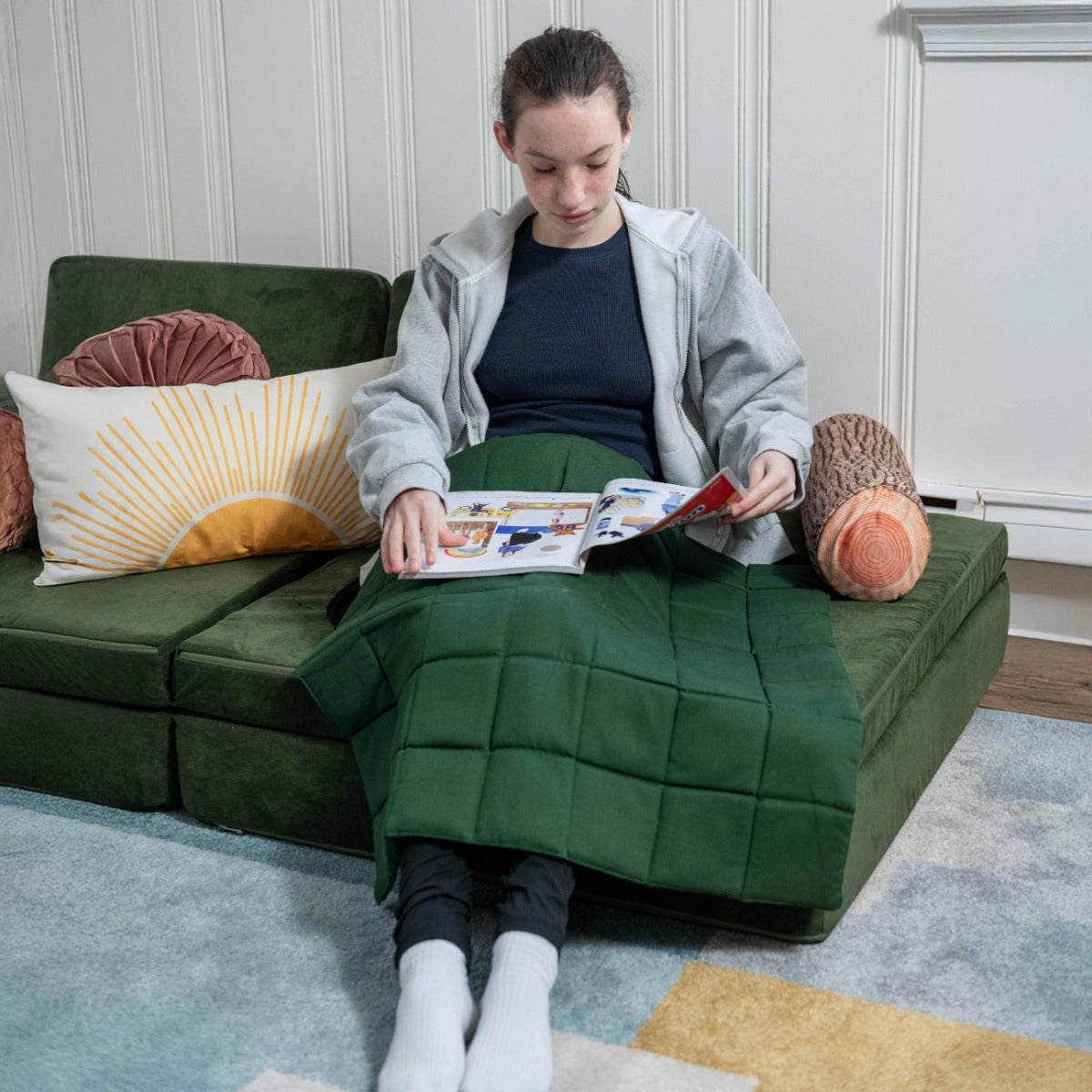
Place a large knot pillow weighing about 3 pounds on your lap to create deep pressure stimulation, a therapeutic technique known to improve focus and emotional regulation. The gentle weight mimics a comforting hand on your legs, grounding your body and reducing physical restlessness and mental wandering.
Enhance Meditation or Reading
During mindfulness practices or quiet reading sessions, the lap weight provides predictable sensory input. It’s less clinical than traditional weighted lap pads, making it socially acceptable in offices, classrooms, or while relaxing on the sofa. Combine it with a weighted blanket for full-body calm during deeper relaxation sessions.
Many users report feeling “held” without restriction, unlike heavier blankets that can cause overheating.
Support for Sensory Needs
For children or adults with autism or sensory processing differences, the lap weight offers consistent sensory input. It’s aesthetically pleasing enough to use in public spaces without drawing attention or feeling clinical.
Supervise young children during use and avoid prolonged placement if circulation feels restricted.
Lumbar Support for Posture
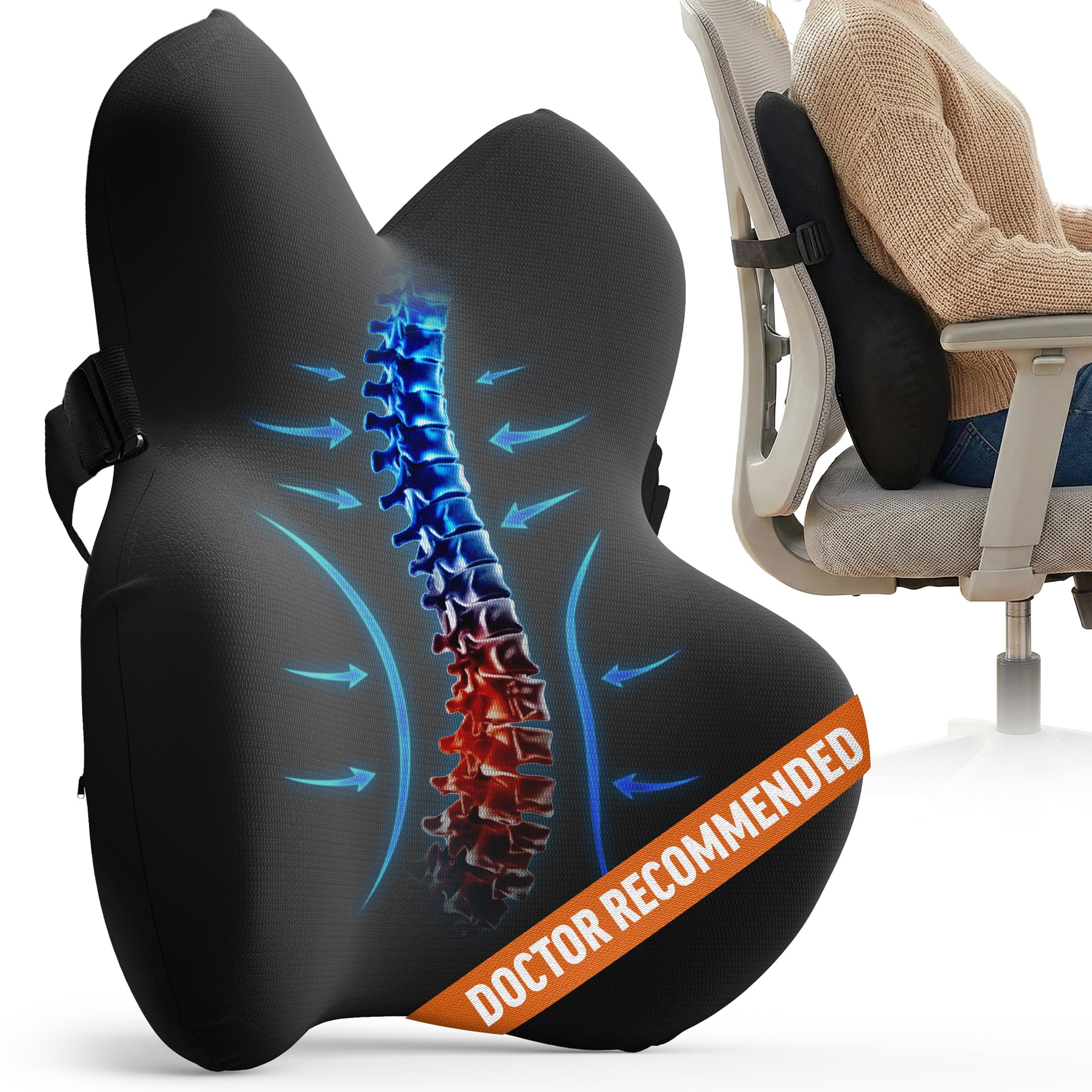
Use the knot pillow behind your lower back to maintain spinal alignment, especially on soft sofas or unsupported chairs. The interwoven tube structure gives firm-but-yielding support that adapts to your body shape.
Improve Sitting Posture
Sit upright and tuck the knot pillow snugly into the curve of your lower back. This prevents slouching during long work sessions and reduces lower back strain. It works effectively in office chairs, car seats, or reading nooks.
Expect to notice improved comfort within 10 to 15 minutes of use.
Travel-Friendly Back Support
Unlike bulky cushions, a knot pillow fits easily in a tote or backpack. Bring it on flights, road trips, or co-working visits to maintain posture on the go. Choose a medium size around 8 to 9 inches for the best balance of portability and support.
Sleep and Body Alignment Aid
Beyond stress relief, the knot pillow supports restful sleep and proper body positioning when used strategically.
Place Under Knees When Lying Down
If you sleep on your back, slide the pillow under your knees. This slight elevation reduces pressure on your lumbar spine and promotes circulation. It’s especially helpful for those with lower back pain and works on memory foam or spring mattresses.
Use Between Legs for Side Sleepers
Tuck the knot pillow between your thighs to align your hips and pelvis. This relieves tension in the lower back and prevents leg fatigue during the night. Opt for breathable Tencel or cotton blend fabric if used nightly to avoid overheating.
Support for Neck or Arms
Gently cradle your arm or rest your neck on a soft loop. While not a replacement for orthopedic pillows, it offers adaptable comfort for temporary use or naps.
Decorative Styling Tips
The knot pillow doubles as modern home decor, adding texture and sculptural interest to any room.
Style on Sofa or Bed
Place one or two knot pillows as accent pieces. They stand out beautifully against flat surfaces and minimal textiles. Mix sizes by pairing a large floor version with smaller hand-held ones. Layer textures by combining with chunky knit throws, linen sheets, or faux fur rugs.
Choose Calming Color Palettes
Colors like moonstone grey, cloud white, evening rose, and midnight blue promote tranquility. Use neutral tones for Scandinavian or minimalist interiors. Try bold reds or patterns for holiday or bohemian themes.
Red braided knot pillows styled like Christmas wreaths are a rising Pinterest trend for seasonal decor.
Display on Console Tables or Reading Nooks
Treat the knot pillow like a sculpture. Place it on a side table, shelf, or windowsill where natural light highlights its form. Rotate colors seasonally, using pastels in spring and earth tones in fall.
Sensory Tool for Kids and Classrooms
Knot pillows are safe, engaging, and beneficial for child development when properly supervised.
Encourage Tactile Exploration
Let kids squeeze, twist, and explore the texture. The continuous loop invites open-ended interaction that builds fine motor skills and soothes sensory-seeking behaviors. The durable construction handles light play including tossing and bouncing.
Use in Calming Corners
Place knot pillows in classrooms or therapy rooms as part of a sensory toolkit. Label them with phrases like “Hug Me When Stressed” to encourage emotional regulation. Offer multiple colors so children can choose based on their mood.
Always supervise young children during use and avoid small, keychain-sized versions for kids under 3.
Handmade Gifting With Meaning
A DIY knot pillow makes a heartfelt gift that carries both aesthetic and emotional value.
Personalize Fabric and Tags
Choose favorite colors or meaningful patterns like floral for a gardener or navy for a sailor. Add a handwritten tag with messages like “Made with Love” or “Squeeze This When You Miss Me” to personalize the gift further.
Package Thoughtfully
Wrap in reusable fabric using furoshiki style or place in a gift box with a note explaining its uses. Ideal occasions include housewarmings, birthdays, teacher gifts, or as mental health support tokens.
Recipients often keep them on their desk or bed, appreciating both the visual appeal and the emotional comfort they provide.
DIY Construction and Customization
Making your own knot pillow lets you control size, texture, and function while saving money.
Select Durable Fabric
Use spandex, swimwear fabric, or low-stretch knit for best results. Avoid high-stretch jersey as it can tear under the tension of knotting. Upcycled leggings work as an eco-friendly option.
Always sew with a zigzag stitch. Straight stitches will snap when the pillow is knotted and used.
Cut and Stuff Correctly
Cut two fabric strips, each 7 inches wide and 54 to 60 inches long. Sew them into tubes, turn right-side out, and stuff with about 16 ounces of polyester fiberfill per tube. Do not overstuff because moderate density allows easier knotting and better shape retention.
Use a PVC pipe or fabric bolt tube as a stuffing aid. Gift wrap rolls often collapse during the stuffing process.
Master the Double-Tube Knot
Tie the first tube into a pretzel shape. Weave the second tube along the same path, going over and under at matching points. Tuck all four ends inside the knot. Use a diagram or tutorial video because this step trips up most beginners.
Care and Longevity Tips
Keep your knot pillow looking and feeling great with proper maintenance.
Spot Clean Only
Never machine wash. Instead, dampen a cloth with mild soap and warm water and gently wipe stained areas. Air dry away from direct sunlight. The filling cannot be removed and may clump if soaked, making spot cleaning essential.
Refresh and Repair
Air out monthly to prevent odors. If the pillow flattens, carefully reopen the seam if possible and re-stuff. Re-sew torn seams using a zigzag stitch for durability.
With regular care, expect a lifespan of 2 to 5 years.
Key Takeaways for Using Your Knot Pillow
The knot pillow is more than a passing trend. It’s a multitasking object that supports mental wellness, physical comfort, and home aesthetics. Whether you’re squeezing it to calm anxiety, using it as lumbar support, or styling it as decor, its value lies in simplicity and adaptability.
By understanding how to use a knot pillow, you unlock its full range of benefits from sensory grounding to thoughtful gifting. Start small by trying it on your lap during work. Hug it when stressed. Let it live on your sofa or gift it to someone who needs comfort. However you use it, the knot pillow proves that sometimes the most powerful tools come in soft, squishy forms.
Frequently Asked Questions About How to Use a Knot Pillow
What is a knot pillow used for?
A knot pillow serves multiple purposes including stress relief, sensory stimulation, lumbar support, and decorative accent. You can squeeze it for anxiety relief, place it on your lap for focus, position it behind your back for posture support, or use it as a stylish home decor piece.
How do you use a knot pillow for anxiety?
Hold the pillow in both hands and squeeze firmly for 3 to 5 seconds, then release. Repeat 5 to 10 times. You can also twist or roll the loops between your fingers for continuous tactile stimulation that helps calm the nervous system.
Can a knot pillow help with focus?
Yes. Placing a larger knot pillow on your lap creates deep pressure stimulation that improves concentration and emotional regulation. This works well during reading, meditation, computer work, or any activity requiring sustained attention.
Is a knot pillow good for sleep?
Knot pillows can support better sleep by positioning them under your knees when lying on your back to reduce lumbar pressure, or between your thighs when sleeping on your side to align hips and pelvis. Choose breathable fabrics like Tencel or cotton blends for nightly use.
How do you clean a knot pillow?
Spot clean only using a damp cloth with mild soap and warm water. Never machine wash or submerge the pillow because the filling cannot be removed and will clump. Air dry away from direct sunlight.
Can kids use knot pillows safely?
Yes, with supervision. Knot pillows encourage tactile exploration and can help children with sensory needs. Always supervise young children and avoid small keychain-sized versions for kids under 3 years old.