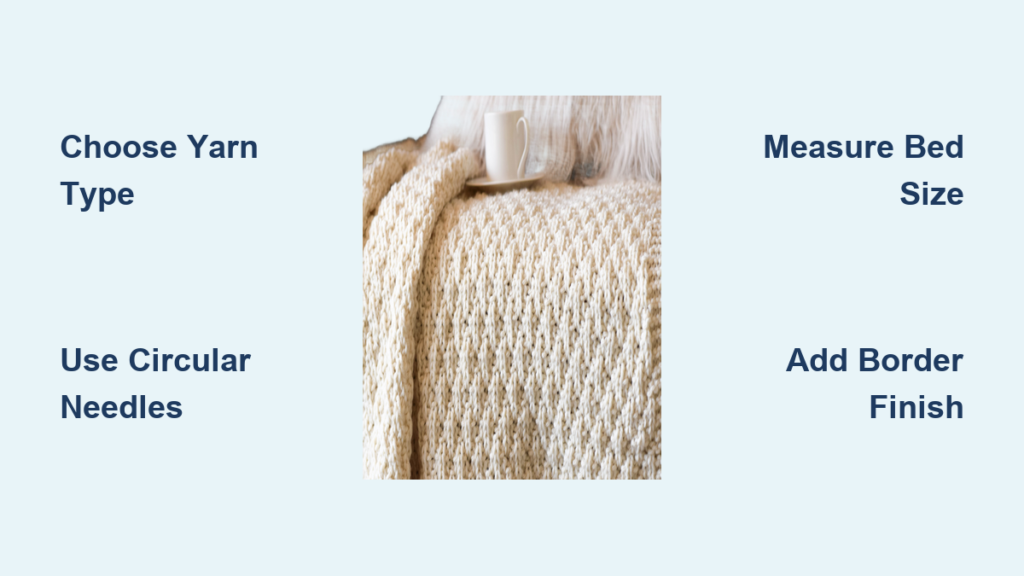
Does your bedroom need a cozy, handmade touch that store-bought blankets simply cannot match? Learning how to knit a bedspread allows you to create a custom, textured centerpiece tailored exactly to your style and size requirements.
This guide walks you through selecting the right yarn, calculating precise dimensions, and managing large-scale projects with ease. You will discover expert techniques for joining panels, maintaining even tension, and finishing your work with a professional border.
Choose the Right Yarn Type for Your Bedspread
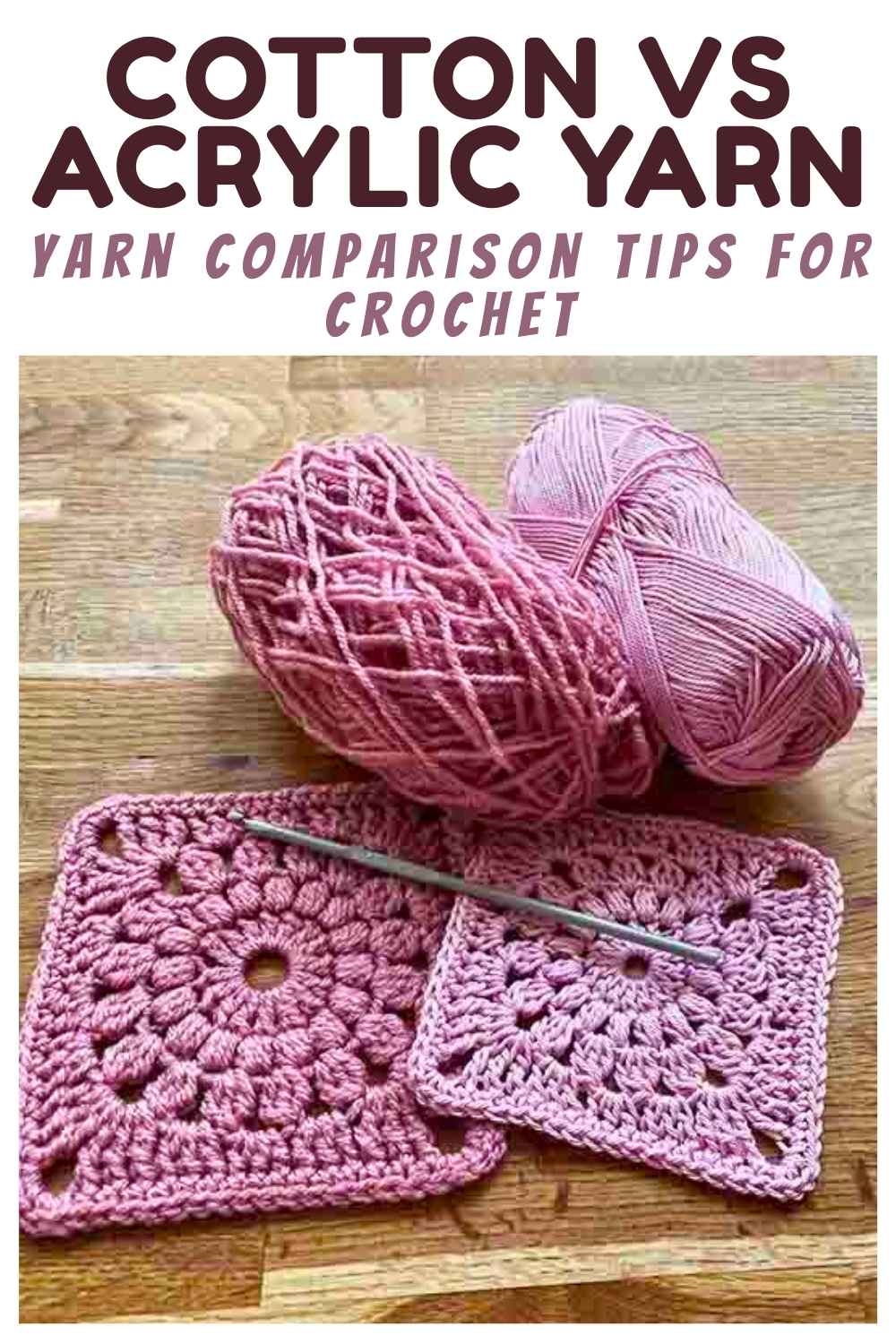
Selecting the correct fiber is the most critical step when you decide to knit a bedspread. Your choice dictates the weight, drape, and care instructions for your final project.
Compare Cotton, Acrylic, and Wool Fibers
Cotton yarn offers breathability and durability, making it perfect for year-round use. It lacks stretch, which helps maintain a structured shape in large blankets.
Acrylic yarn provides an affordable and widely available option for big projects. It mimics the softness of wool without the high cost or special washing requirements.
Wool delivers natural warmth and excellent elasticity for consistent stitches. However, it often requires hand washing and may irritate those with sensitivities.
- Cotton: Best for structured patterns and warm climates.
- Acrylic: Ideal for budget-friendly and easy-care needs.
- Wool: Perfect for maximum warmth and stretch.
Prioritize Washable and Durable Options
Since a bedspread sees daily use, you must choose a machine-washable yarn for long-term practicality. Look for labels marked “easy care” or “machine washable” to simplify your life.
Thicker yarns like bulky or super bulky weights significantly reduce your total knitting time. Always purchase at least 10–15% more yarn than your calculation requires to cover mistakes or future repairs.
Select Suitable Knitting Needles for Large Projects
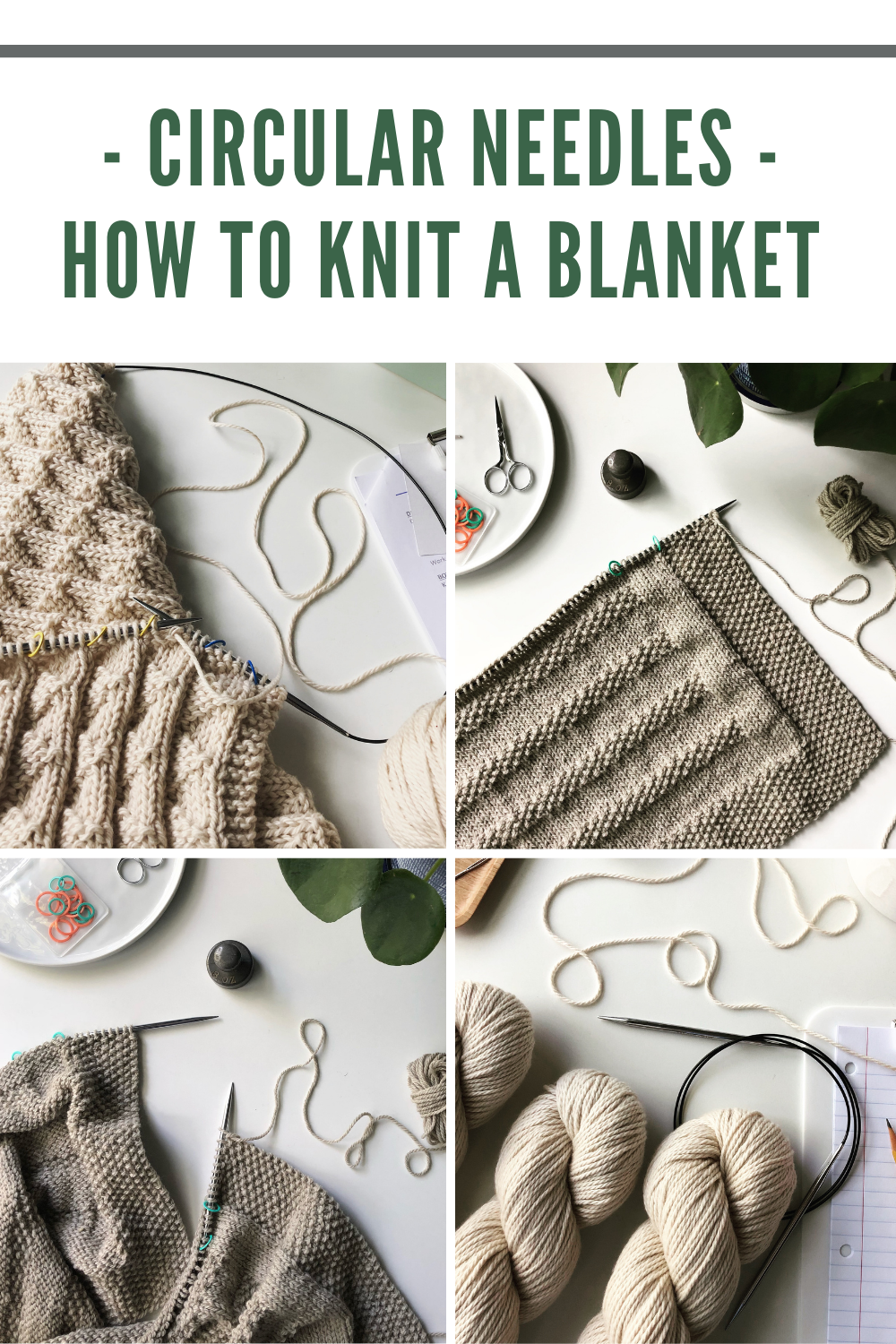
Using the wrong tools can make knitting a bedspread physically difficult and frustrating. The right needles distribute weight evenly and accommodate hundreds of stitches.
Use Long Circular Needles for Support
You need long circular needles measuring at least 32 to 40 inches for this project. These cables hold more stitches and distribute the heavy fabric weight across your lap rather than your hands.
Even if you knit flat rows, circular needles prevent stitches from slipping off as the project expands. This setup reduces strain on your wrists during long knitting sessions.
Match Needle Size to Your Yarn Weight
Always match your needle size to the recommendation on your yarn label for best results. For worsted weight yarn, use US 7–9 (4.5–5.5 mm) needles.
- Use US 10–11 (6–8 mm) for bulky yarn types.
- Knit a gauge swatch before starting the main project.
- Go up a needle size if your stitches feel too tight.
If your swatch stitches are too loose, try going down a needle size to correct the density.
Measure Bed and Calculate Exact Size
:max_bytes(150000):strip_icc()/standard-bed-and-blanket-sizes-2116316-FINAL-5b64db72c9e77c0025ad020f.png)
Accurate measurements ensure your hard work fits your bed perfectly. Guessing dimensions often leads to a spread that is too short or awkwardly proportioned.
Determine Standard Bedspread Dimensions
Measure your mattress height, width, and length before casting on any stitches. Add a drop length of 12 to 18 inches to cover the sides of the bed.
- Twin: Finish around 75″ x 99″ with an 18″ drop.
- Full/Double: Aim for approximately 90″ x 99″.
- Queen: Target roughly 96″ x 104″.
- King: Plan for about 112″ x 104″.
Include extra width if you plan to sew multiple panels together.
Calculate Total Yardage Needs
Yarn requirements vary based on your stitch pattern and chosen thickness. Bulky yarn typically needs 4,000 to 6,000 yards for a queen-sized spread.
Worsted weight yarn often requires between 6,000 and 9,000 yards for the same size. Check the yardage on each skein and divide your total needed amount by that number. Always round up to the next whole skein to be safe.
Pick a Simple and Repeatable Pattern
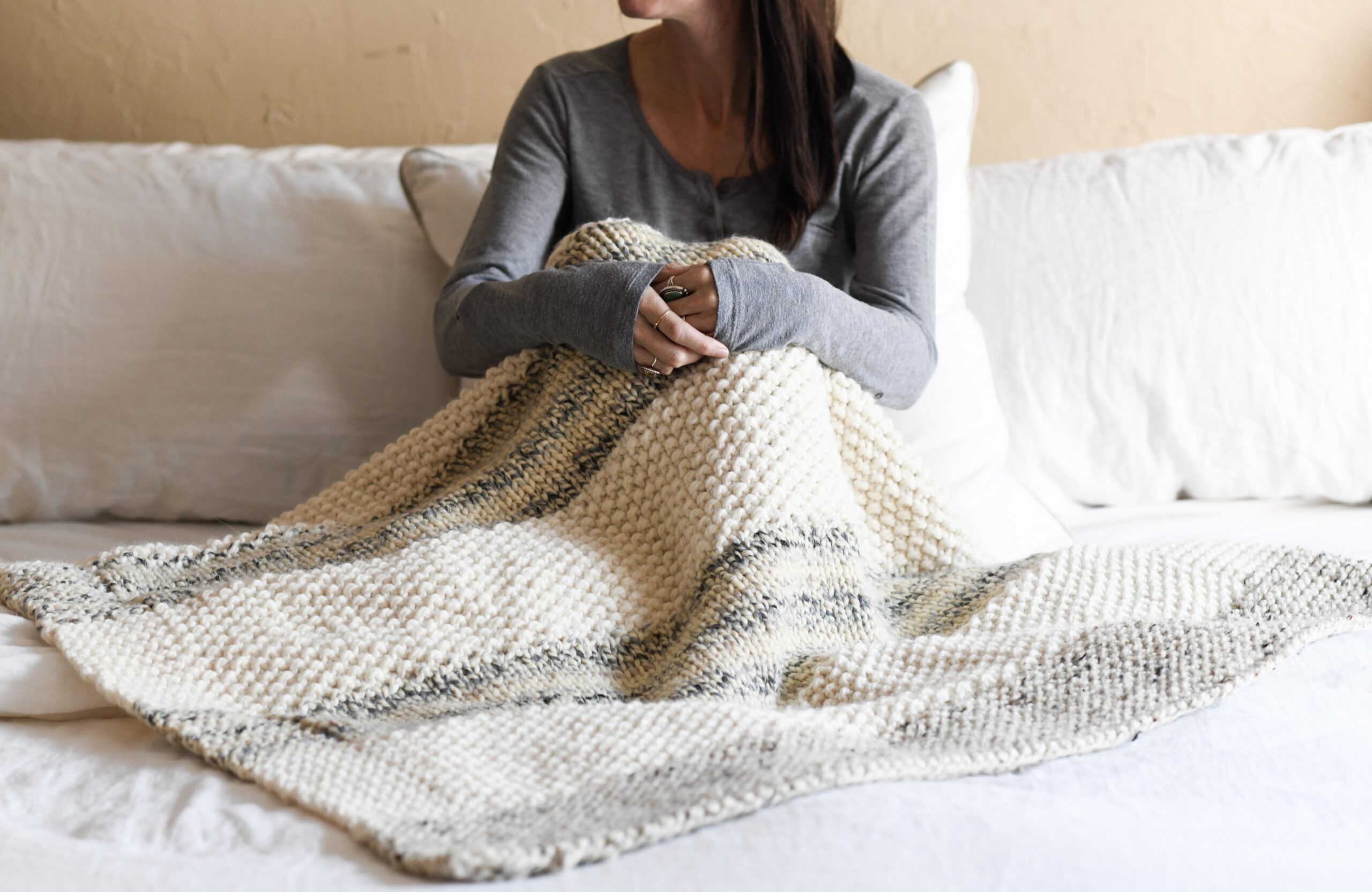
Complex patterns can become overwhelming when you are knitting thousands of stitches. Simplicity ensures consistency and helps you maintain momentum.
Select Easy Stitch Patterns for Consistency
Opt for beginner-friendly stitches that repeat easily across long rows. Garter stitch creates a bumpy, flexible fabric by knitting every single row.
Stockinette stitch offers a smooth front and bumpy back by alternating knit and purl rows. Seed stitch provides a textured, reversible option by alternating knit and purl stitches.
- Avoid overly complex cables unless you are an experienced knitter.
- Choose patterns that do not require constant chart checking.
- Consistency matters more than intricacy for large items.
Work in Manageable Large Panels
Knitting the entire spread in one piece can be unwieldy and heavy. Divide your project into manageable panels, such as sections 20 to 24 inches wide.
This approach makes handling the weight easier and allows for color blocking. You can sew these panels together later using the mattress stitch for an invisible seam.
Cast On and Begin Knitting Your Spread
Starting your project with a solid foundation prevents edge curling and uneven borders. A sturdy cast-on method is essential for heavy bedspreads.
Use the Long-Tail Cast-On Method
The long-tail cast-on creates a sturdy and elastic edge ideal for bedspreads. Estimate your tail length by wrapping yarn around your needles once per stitch, then doubling that length.
For example, wrap for 150 stitches and then double that measured length. Keep your tension consistent to avoid tight or loose edges that distort the fabric.
Maintain Even Tension Throughout
Your project will become heavy quickly, which can pull on your stitches. Use stitch markers every 20 to 30 stitches to track progress and prevent accidental errors.
Take frequent breaks to rest your hands and check your tension. Uneven tension can cause the final bedspread to warp or look irregular.
Manage Large Projects Efficiently
Knitting a bedspread is a marathon, not a sprint. Efficient management prevents fatigue and protects your work in progress.
Store Work Safely Between Sessions
Secure live stitches with locking markers or scrap yarn when you pause. Place your work in a large project bag or pillowcase to keep dust and pets away.
Never leave the heavy fabric hanging off the needle ends. This habit stretches the edges and ruins the shape of your careful knitting.
Rotate Your Knitting Position
Change your position frequently to prevent wrist and back fatigue. Try knitting on your lap, at a table, or using a specialized lap desk.
Some knitters clip the cable to a lanyard around their neck for support. This technique helps bear the weight of the growing fabric.
Join Panels Seamlessly for a Professional Look
Connecting your panels correctly ensures a smooth surface without bulky ridges. Proper seaming makes your handmade item look store-bought.
Use Mattress Stitch for Invisible Seams
Sew your completed panels together using the mattress stitch technique. This method creates a flat, nearly invisible vertical seam when done correctly.
Work with the same yarn used for the project and a tapestry needle. Align edge stitches carefully and pick up the horizontal bars between V-shaped stitches on each side.
Block Panels Before Seaming Together
Wash and block each individual panel before you begin sewing. This process evens out your stitches and ensures all pieces are the exact same size.
Pin them to a flat surface like a carpeted floor or blocking mat. Let them dry completely before attempting to join them.
Finish with a Strong and Decorative Border
A finished edge prevents curling and gives your bedspread a polished appearance. It also adds structural integrity to the sides.
Add a Knitted or Crocheted Edging
Pick up stitches evenly along each side of your spread. Use stitch markers every 10 inches to ensure consistent spacing.
Knit 2 to 4 inches of garter or ribbed edge for a classic look. Alternatively, crochet a simple border using single or double crochet stitches for added stability.
Weave in Loose Ends Securely
Use a tapestry needle to weave all yarn ends into seams or edges. Double back through several stitches to lock them in place firmly.
Trim excess yarn close to the fabric without cutting the main knitted strands. This step ensures your hard work lasts for years.
Care for Your Knitted Bedspread Properly
Proper maintenance extends the life of your handmade creation. Follow care instructions specific to your chosen yarn type.
Wash Gently and Dry Flat
Hand wash in cool water with mild detergent or use a gentle machine cycle in a mesh bag. Never wring or twist the fabric, as this distorts the shape.
Press out excess water gently and lay the spread flat to dry on a clean towel. Reshape it while damp to maintain your intended dimensions.
Store Clean and Folded Correctly
Ensure the bedspread is completely dry before storing to prevent mildew growth. Fold it neatly and place it in a breathable cotton bag.
Avoid plastic containers that trap moisture and damage fibers. Add lavender sachets to deter moths if you used wool yarn.
Frequently Asked Questions About Knitting a Bedspread
How long does it take to knit a bedspread?
The timeline depends on your yarn weight and knitting speed. Bulky yarn projects may take a few weeks, while finer yarns can take several months of consistent daily work.
Can I knit a bedspread with straight needles?
Straight needles are not recommended because they cannot hold the hundreds of stitches required. Long circular needles are necessary to support the weight and width of the fabric.
What is the best stitch for a beginner bedspread?
Garter stitch is the easiest option because you only knit every row. It creates a thick, reversible fabric that lies flat and hides minor tension inconsistencies well.
How do I prevent my bedspread from curling?
Curling often happens with stockinette stitch. You can prevent this by adding a garter stitch border around all four edges or by choosing a reversible pattern like seed stitch.
Is it better to knit a bedspread in one piece?
Knitting in panels is usually better for manageability. Large single pieces become extremely heavy and difficult to handle, whereas panels are easier to store and transport.
Key Takeaways for How to Knit a Bedspread

Knitting a bedspread is a rewarding journey that combines patience with creativity. By choosing washable yarn, using long circular needles, and working in manageable panels, you can complete this large project successfully.
Remember to block your pieces before seaming and finish with a sturdy border for a professional result. Start your project today by measuring your bed and selecting the perfect yarn for your new handmade treasure.