You stare at your new full size bed frame and realize the missing piece is a headboard, but you are unsure exactly how big is a full size headboard for your specific room layout. Most standard models measure 54 inches wide to match your mattress, yet heights and depths vary wildly based on design style and mounting method.
This guide breaks down exact width, height, and depth measurements so you can avoid ordering errors or installation headaches. You will learn how material choices like wood or velvet impact overall size and discover which adjustable models offer the best fit for your bedroom ceiling height.
Standard Full Size Headboard Width and Height Measurements

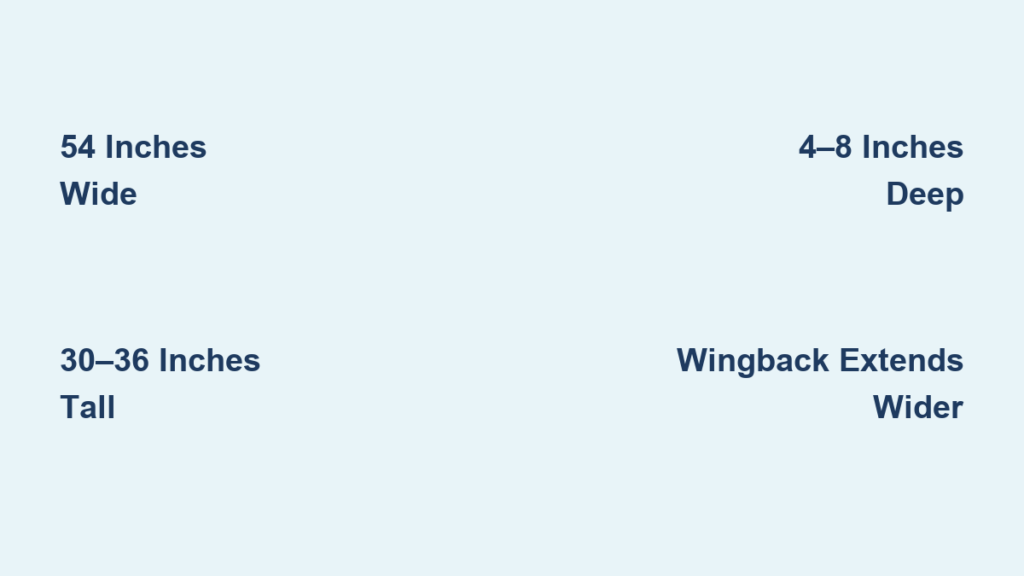
A standard full size headboard measures 54 inches wide to align perfectly with the 54-by-75-inch dimensions of a full mattress. While width remains consistent across most brands to ensure proper side alignment, the vertical height fluctuates significantly based on aesthetic goals.
Typical Width Ranges for Full Beds
Manufacturers design these pieces to sit flush against the bed frame without overhang.
* Standard Width: Exactly 54 inches for panel and metal styles.
* Wingback Width: Up to 58–62 inches due to side wings extending outward.
* Sleigh Style: Often 54–58 inches because curved rails add visual bulk.
Common Height Categories
Height determines the visual weight of your bed and depends on your ceiling line.
* Low Profile: 30–36 inches tall, ideal for small rooms or bunk setups.
* Mid Height: 37–44 inches, common in modern upholstered designs like the Forest Hill model.
* Tall Statement: 45–51+ inches, found in tufted velvet or storage units.
How Design Style Impacts Headboard Dimensions

The architectural style you choose directly alters the physical footprint of the piece. A simple metal spindle frame occupies less visual space than a plush wingback design with side extensions.
Wingback vs. Panel Proportions
Wingback styles like the Joshuwa Upholstered Headboard feature sides that curve forward, increasing the total width beyond the standard 54 inches. Panel headboards such as the Richey model maintain a strict rectangular silhouette that stays within the mattress width limits.
Sleigh and Storage Design Bulk
Sleigh headboards often have curved top rails that add height, while storage models include shelves that increase depth.
* Storage Units: Can reach 8–12 inches deep to accommodate cubbies or charging ports.
* Tufted Designs: Button detailing adds slight thickness compared to flat wood panels.
* Metal Frames: Usually only 1–3 inches deep, offering a slim profile for tight spaces.
Mounting Methods That Change Headboard Fit

How you attach the headboard affects both its stability and the space it consumes. You must verify your bed frame compatibility before purchasing a specific mount type.
Bed Frame Mounted Options
These attach directly to the headrail of your bed frame using pre-drilled holes.
* Fit: Typically exactly 54 inches wide to match standard frames.
* Stability: Moves with the bed, preventing gaps between mattress and headboard.
* Examples: Most metal and wood panel models like the Ramon Steel Slat Headboard.
Wall Mounted and Freestanding Styles
Wall-mounted units allow for oversized designs that do not rely on frame brackets. Freestanding models often include legs that sit on the floor behind the bed.
* Clearance: Wall mounts require drilling into studs and offer flexibility in height placement.
* Footprint: Freestanding units like the Estero Wicker Headboard need floor space behind the mattress.
* Versatility: Ideal for renters or those with non-standard bed frames.
Material Choices That Affect Headboard Depth

The construction material dictates how far the headboard protrudes into your room. This depth measurement is critical if you have limited space between your bed and a opposing wall or window.
Upholstered Depth and Padding
Upholstered models use foam layers that increase thickness significantly.
* Foam Layers: Add 4–8 inches of depth for comfort while leaning.
* Fabrics: Velvet, linen, or polyester covers add minimal extra bulk.
* Examples: The Gretna Tufted Velvet Headboard offers a plush, deep profile.
Solid Wood and Metal Profiles
Wood and metal constructions prioritize structural integrity over padding.
* Solid Wood: Models like the Tahoe Solid Mango Wood Headboard range 2–4 inches deep.
* Metal Frames: Often just 1–3 inches deep with narrow spindles or slats.
* Wicker: Open-frame designs like the Estero model provide an airy look with moderate depth.
Adjustable and Tech-Integrated Headboard Sizes
Modern innovations introduce variable dimensions to accommodate smart features and custom fits. These models often provide flexibility that static designs cannot match.
Height-Adjustable Mechanisms
Some headboards allow you to change the vertical position to suit your mattress thickness.
* Range: Models like the Aveigha and Nestl adjust from 37 to 51 inches.
* Benefit: Perfect for thick mattresses or adjustable bed bases.
* Installation: Requires checking leg placement to ensure stability at max height.
Integrated Storage and Charging Features
Headboards with built-in technology often have larger housings.
* Power Ports: Units like the Lozandier include USB and AC outlets within the frame.
* LED Lighting: Strips or ambient lights may add slight bulk to the back panel.
* Shelving: Hidden compartments increase depth to hold books or devices.
Measuring Your Space for a Full Size Headboard
Accurate measurements prevent returns and ensure your new purchase fits your bedroom layout. Follow these steps to determine the correct size for your needs.
Step 1: Verify Mattress and Frame Width
Confirm your bed is a true full size before shopping for accessories.
1. Measure the mattress width (should be 54 inches).
2. Check the bed frame headrail width for mounting hole alignment.
3. Note any existing hardware that might block attachment points.
Step 2: Assess Wall and Ceiling Clearance
Ensure the room can accommodate the height and depth of your chosen style.
* Wall Width: Leave at least 2–3 inches on each side for visual balance.
* Ceiling Height: Tall headboards over 48 inches need high ceilings to avoid crowding.
* Obstacles: Check for ceiling fans, light switches, or artwork above the bed.
Step 3: Consider Room Flow and Function
Think about how the headboard impacts daily movement and usage.
* Walking Space: Maintain 30 inches of clearance in front of the bed.
* Nightstands: Ensure the headboard width allows space for side tables.
* Viewing Angles: Tall headboards should not block windows or TV views.
Common Mistakes When Selecting Full Size Headboards
Shoppers often overlook key details that lead to fit issues or aesthetic mismatches. Avoid these pitfalls to ensure a successful bedroom upgrade.
Ignoring Total Width Including Wings
Buying a wingback style without measuring the widest point causes fit errors.
* Error: Assuming all full headboards are exactly 54 inches wide.
* Consequence: Wings may hit adjacent walls or crowd nightstands.
* Solution: Always check the maximum width specification including side extensions.
Overlooking Ceiling Fan Interference
Tall headboards can create safety hazards if placed under low ceiling fans.
* Risk: Fan blades may strike the top of a 50+ inch headboard.
* Prevention: Measure from floor to fan blade tip before buying tall models.
* Alternative: Choose low-profile designs for rooms with low ceilings.
mismatching Mounting Hardware
Not all headboards fit all bed frames without modification.
* Issue: Pre-drilled holes may not align with your specific frame brand.
* Fix: Look for universal mounting brackets or adjustable leg options.
* Check: Verify if the model supports your mattress thickness range.
Frequently Asked Questions About Full Size Headboards
What is the exact width of a standard full size headboard?
A standard full size headboard is exactly 54 inches wide to match the width of a full mattress. Some wingback or sleigh styles may extend wider, reaching up to 62 inches total width.
How tall should a full size headboard be for a low ceiling?
For rooms with low ceilings, choose a headboard between 30 and 36 inches tall. This low-profile height prevents the bed from feeling cramped while still providing back support.
Can I use a full headboard on a queen bed frame?
No, a full headboard is 54 inches wide while a queen frame requires 60 inches. Using a full headboard on a queen frame will leave 3 inches of gap on each side.
Do upholstered headboards take up more room than wood ones?
Yes, upholstered headboards are typically deeper due to foam padding, ranging from 4 to 8 inches thick. Wood and metal models are slimmer, usually measuring only 1 to 4 inches in depth.
Are there full size headboards with adjustable height settings?
Yes, models like the Aveigha and Nestl offer adjustable heights ranging from 37 to 51 inches. This feature helps accommodate different mattress thicknesses and bed frame styles.
Key Takeaways for Choosing Your Full Size Headboard
Selecting the right headboard requires knowing that a standard full size model is 54 inches wide but varies greatly in height and depth. You must measure your wall space, ceiling height, and bed frame compatibility to ensure a perfect fit for your bedroom layout.
Prioritize your specific needs by choosing adjustable heights for thick mattresses or slim metal profiles for small rooms. Check product specifications carefully for wingback extensions or storage depth to avoid installation surprises and enjoy a stylish, functional sleep space.