
You have found the perfect headboard but lack a bed frame to hold it. Learning how to hang a headboard on your wall creates a modern floating look while freeing up floor space for easier cleaning.
This guide details eight proven methods to mount your board safely using basic tools. You will discover how to match your specific headboard type to the right anchoring system for a professional finish.
Build a Hidden Wooden Frame for Heavy Headboards
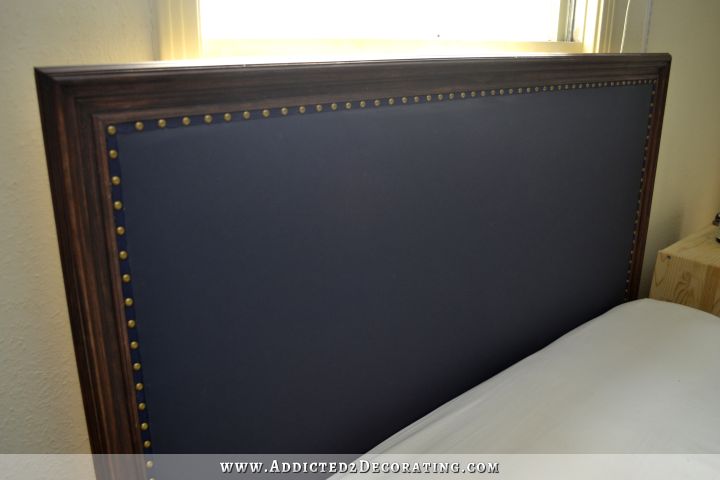
A custom wooden frame provides invisible support for large upholstered or solid wood pieces. This method distributes weight evenly across multiple wall studs for maximum stability.
Cut and Assemble the Support Structure
Measure your headboard dimensions precisely and cut ¾-inch plywood or 2×4 lumber to match. Assemble these pieces into a rigid rectangle that sits flush against your wall surface.
Anchor the Frame Directly to Studs
Locate wall studs using a reliable stud finder and mark their centers clearly. Drive 3-inch lag screws through your wooden frame and into each stud to bear the full load.
Fasten the Headboard to the Frame
Position your headboard over the mounted frame and secure it from the back. Use countersunk screws or concealed L-brackets to attach the board without visible hardware.
- Pro Tip: Assemble the frame on the floor first to verify fit before drilling into your walls.
Install Heavy-Duty Metal Brackets for Stability
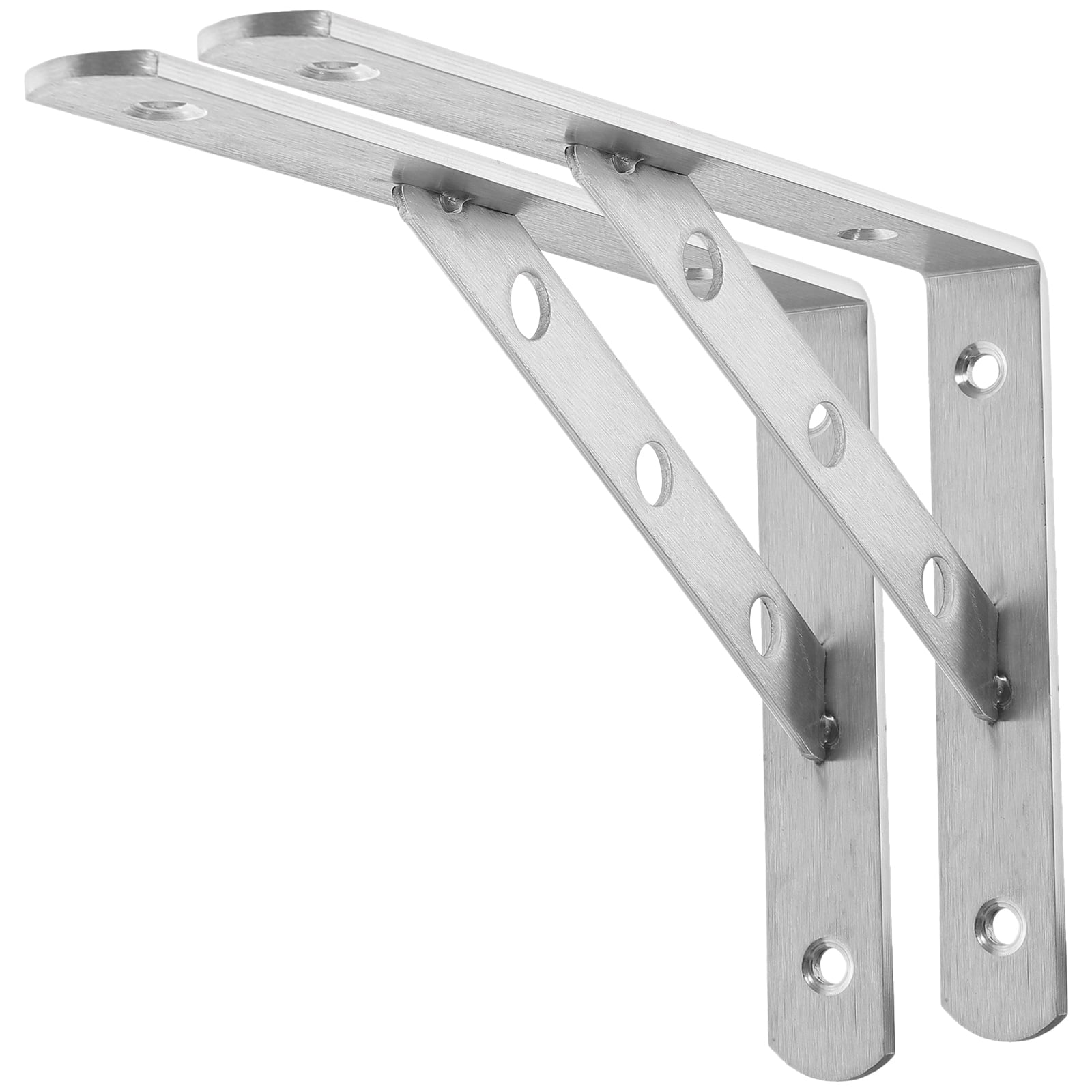
Metal brackets offer a simple yet robust solution for most standard headboards. This approach works best when you desire a clean profile with minimal visual clutter.
Select Appropriate Bracket Ratings
Choose stainless steel L-brackets or U-shaped arms rated for at least 50 pounds each. Wider boards require three brackets placed at both ends and the center for balanced support.
Drill Pilot Holes into Wall Studs
Hold your brackets at the desired height and mark screw locations that align with studs. Drill pilot holes first to prevent wood splitting before driving in 2.5-inch wood screws.
Bolt the Headboard Securely
Rest the headboard on the installed brackets and tighten bolts through pre-drilled holes. Avoid over-torquing these connections to prevent stripping the wood or cracking the finish.
- Common Mistake: Never rely on drywall anchors alone as they often fail under constant pressure.
Utilize Picture Rails for Vintage Style Mounting

Decorative trim can support your headboard while adding period charm to your bedroom. This technique preserves wall integrity and allows for easy repositioning later.
Mount a Level Picture Rail
Attach a hardwood rail horizontally to wall studs just above where the headboard will sit. Ensure the rail spans the full width of your board and remains perfectly level.
Attach Cleats to the Headboard Back
Cut a matching wooden cleat to fit the top rear edge of your headboard. This piece will slide into the wall rail or hook over it like a traditional picture frame.
Hang and Style Your Board
Slide the headboard cleat into the wall rail until it rests securely. Paint or stain the rail to match your decor for a seamless and elegant integration.
- Best For: Lightweight to medium wooden headboards weighing under 60 pounds.
Mount a Floating Shelf as a Base

A wide floating shelf doubles as a display surface and a structural base for slim headboards. This method combines functionality with a modern aesthetic appeal.
Install a Reinforced Shelf System
Select a shelf at least 12 inches deep capable of holding over 75 pounds. Secure the hidden bracket system directly into wall studs at standard headboard height.
Position and Secure the Board
Place your headboard upright on the shelf and check for balance. Attach low-profile corner brackets through the back into the shelf to prevent tipping.
Style the Display Surface
Use the exposed shelf area to arrange books, lamps, or decorative plants. This setup turns your sleeping area into a functional focal point for the room.
- Warning: Avoid this method for tall or top-heavy designs as they may tip forward.
Implement a Hidden Rail System for Removal
Concealed vertical tracks allow you to slide your headboard on and off with ease. This high-end solution maintains a flush appearance while offering practical flexibility.
Fix a Vertical Rail to Studs
Mount a metal channel or wooden upright vertically along the wall behind the bed location. Secure this rail to at least two studs using heavy-duty lag bolts.
Attach Sliding Brackets to Headboard
Fix mounting brackets to the back of your headboard that correspond with the wall rail. Some systems use T-nuts or dovetail sliders for tool-free installation and removal.
Slide Board Into Place
Lift the headboard and lock it onto the vertical rail system. Add felt pads where the board contacts the wall to prevent scuffing during adjustment.
- Pro Tip: This method is excellent for renters who need to move furniture frequently.
Secure Corners with Bracket Mounting
Corner brackets provide minimalist support at key stress points for flat-backed boards. This industrial-style approach offers strong holding power with minimal hardware visibility.
Position Brackets at Top Edges
Place heavy-duty corner brackets at the upper left and right rear corners of the headboard. Mark the wall through the bracket holes to identify stud locations.
Anchor Both Legs of Brackets
Ensure both the horizontal and vertical legs of each bracket screw into wall studs. Use 2-inch screws for the wall side and 1.5-inch screws for the headboard side.
Test Stability Before Use
Attach the headboard and gently push or pull to check for wobbling. Add a third center bracket if you detect any movement or instability.
- Best For: Wooden or metal headboards with flat backs rather than curved designs.
Integrate Headboard into Custom Wall Panels
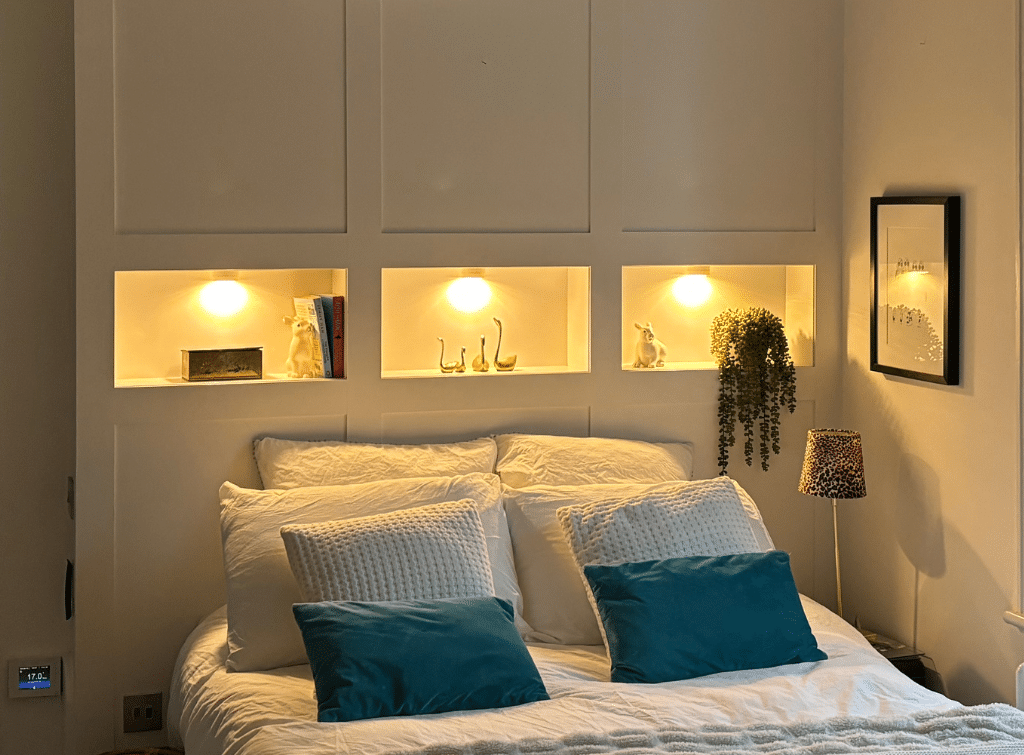
Building a full wall panel creates a luxury built-in look that surrounds your sleeping area. This complex method requires more work but delivers a tailored designer result.
Construct a Matching Wall Panel
Build a large panel from MDF or reclaimed wood that extends beyond your headboard edges. Include molding details or cutouts for lighting to enhance the design.
Mount Panel Directly to Studs
Secure the entire panel to wall studs using construction adhesive and screws. This distribution prevents warping and ensures the structure remains solid over time.
Insert or Screw Headboard In
Screw your headboard directly into the panel or design a recessed slot for a snug fit. Some advanced designs use magnetic clips for easy removal and cleaning.
- Design Bonus: Add LED strip lighting behind the panel for ambient nighttime glow.
Use Adhesive Strips for Lightweight Options
Heavy-duty adhesives work for thin foam or canvas boards when drilling is not an option. This temporary solution suits dorm rooms or rental properties with strict rules.
Apply Industrial Strength Tape
Clean the wall surface thoroughly and apply double-sided VHB tape to the headboard back. Press the board firmly onto the wall and hold for the recommended time.
Reinforce with Support Straps
Install clear straps from the top corners of the board to stud-mounted hooks. These straps provide essential backup security for the adhesive bond.
Limit Usage to Light Loads
Restrict this method to headboards under 30 pounds in low-traffic areas. Never use adhesive-only mounting for heavy boards due to fall risks.
- Safety Note: Always combine adhesive with mechanical fasteners for any board you touch daily.
Frequently Asked Questions About Hanging Headboards
Can I hang a headboard without drilling into studs?
No, you should always anchor mounts into wall studs for safety and stability. Drywall alone cannot support the weight and dynamic load of a headboard.
What is the standard height for hanging a headboard?
Most headboards look best when mounted 36 to 48 inches from the floor. Adjust this height based on your mattress thickness and personal preference.
How much weight can metal brackets hold?
Heavy-duty metal brackets rated for 50 pounds each can support most standard headboards. Always check the specific weight rating printed on your hardware packaging.
Is it safe to use adhesive for a wooden headboard?
Adhesive is only safe for very lightweight materials like foam or thin canvas. Solid wood headboards require mechanical fasteners screwed into wall studs.
How do I find studs behind my wall?
Use an electronic stud finder to locate wooden framing behind your drywall accurately. You can also tap the wall to listen for solid sounds versus hollow echoes.
Key Takeaways for How to Hang a Headboard
Successfully mounting your board requires matching the right technique to your specific wall structure and board weight. Always prioritize anchoring into studs rather than relying on drywall anchors or adhesive alone.
Choose a method like hidden frames for heavy pieces or picture rails for vintage styles to ensure long-term durability. Test your installation thoroughly before regular use to guarantee safety and peace of mind.