Finding live bed bugs in the seams of your fabric TV bed headboard is a startling discovery that demands immediate attention. These pests are rising in prevalence across the UK and thrive near sleeping humans regardless of how clean your home is.
This guide details exactly how to get bed bugs out of headboard structures using heat, vacuuming, and targeted treatments. You will learn specific steps to isolate the area, treat the fabric, and prevent the infestation from spreading to your mattress or walls.
Isolate the Infested Headboard Immediately
Time is your most valuable resource when dealing with bed bugs. Moving the bed away from walls prevents these insects from migrating to other furniture or hiding spots in your room.
Secure the Area to Stop Spread
You must stop the bugs from traveling further into your home.
* Pull the bed frame at least six inches away from all walls.
* Ensure no bedding touches the floor to create a barrier.
* Do not move the headboard to another room as this spreads the infestation.
Assess the Severity of the Colony
Finding five live bugs suggests an active colony rather than a single hitchhiker. Look closely for dark fecal spots resembling ink stains, shed skins, or tiny pearl-white eggs in the fabric folds. If you see these signs, treat the entire headboard as heavily infested.
Inspect All Adjacent Sleeping Zones
Bed bugs rarely stay confined to one spot once they establish a presence. If they are in your headboard, they have likely explored nearby hiding places.
Check Common Hiding Spots
Use a flashlight and magnifying glass to examine these specific areas:
* Mattress and box spring: Inspect all seams, tags, and piping carefully.
* Bed frame joints: Look inside screw holes and cracks in the wood or metal.
* Nightstands: Check drawers, undersides, and any electrical outlets nearby.
* Wall coverings: Peel back loose wallpaper or check baseboards near the bed.
Deploy Detection Tools
Place a bed bug detection card under each bed leg to catch crawling insects. This helps you monitor if bugs are still active after your initial cleaning efforts.
Deep Vacuum the Fabric Seams
Vacuuming is your first physical line of defense against removing live bugs, eggs, and debris from your fabric headboard.
Use Specialized Attachments
Standard suction often misses bugs hidden deep in upholstery.
* Attach a crevice tool to reach tight seams and folds.
* Use a brush nozzle to agitate the fabric and dislodge hidden pests.
* Scrub every seam, corner, and tuft with slow, deliberate strokes.
Dispose of Debris Safely
Never leave vacuumed contents inside your home.
* Immediately seal the vacuum bag in a plastic bag and take it to an outdoor bin.
* If using a bagless model, empty the canister into a sealed bag and wipe the interior with alcohol.
* Repeat this vacuuming process every two to three days during your treatment period.
Apply Heat Treatment to Kill Bugs
Heat is one of the most effective methods to kill bed bugs at all life stages including eggs and nymphs.
Steam Clean the Upholstery
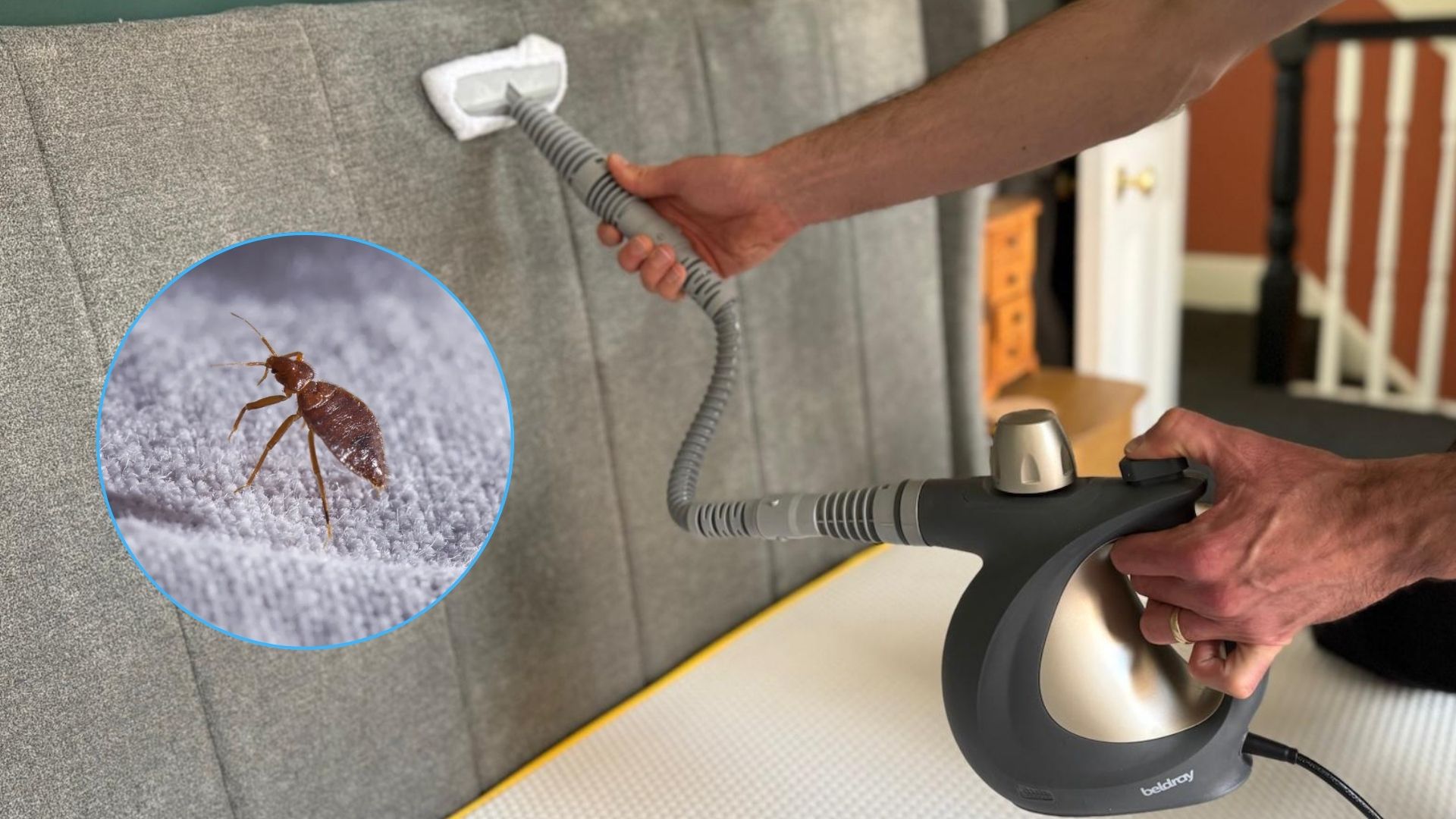
A dry steam cleaner can penetrate fabric where bugs hide.
* Ensure your steamer reaches at least 60°C (140°F) at the nozzle.
* Pass the steam slowly over every inch of the headboard fabric.
* Focus heavily on seams, folds, and crevices where bugs cluster.
* Test a small hidden area first to ensure the fabric does not stain or damage.
Pro Tip: Steam kills on contact but may not penetrate deep into wood frames. Combine this method with other treatments for full coverage.
Wash Removable Items at High Temperatures
Any removable covers, pillows, or drapes near the headboard need immediate washing.
* Wash items in hot water with a minimum temperature of 50°C (122°F).
* Dry everything on high heat for at least 30 minutes to ensure all life stages die.
* Store clean items in sealed plastic bags until the infestation is gone.
Apply Targeted Chemical and Non-Chemical Treatments
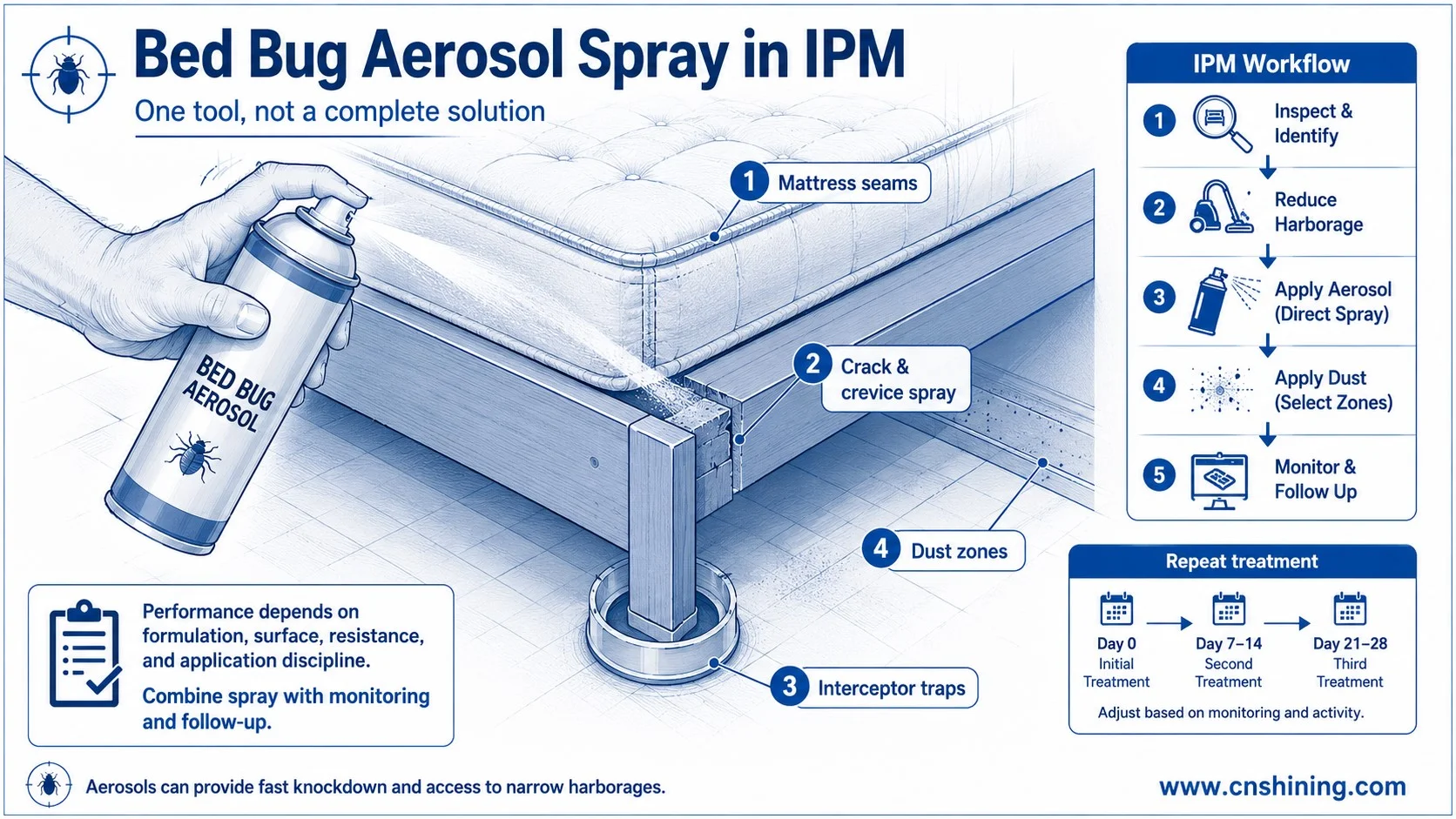
While heat and vacuuming remove visible pests, residual treatments ensure no survivors remain in the headboard.
Use Approved Insecticide Sprays
Select products specifically labeled for bed bugs and approved for use in the UK.
* Choose sprays containing permethrin or neonicotinoids for effectiveness.
* Apply only to seams, crevices, and fabric folds to avoid overspray.
* Never spray directly on surfaces where you sleep until completely dry.
Warning: Avoid using foggers or DIY pesticides not meant for bed bugs. These can spread the infestation and are often ineffective against hidden colonies.
Utilize Desiccant Dusts
Desiccants dry out the protective outer layer of bed bugs causing them to dehydrate.
* Apply food-grade diatomaceous earth or silica gel dust lightly into seams.
* These powders remain effective for weeks as long as they stay dry.
* Use caution during application to avoid inhaling the dust and keep it away from pets.
Disassemble and Treat Wooden Components
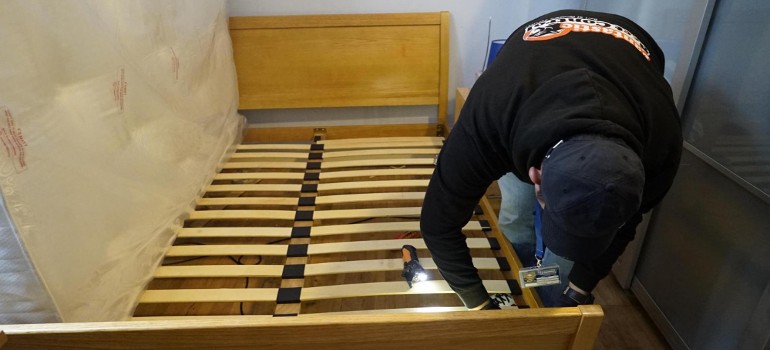
If your headboard has wooden parts or a complex frame, bugs may be hiding inside cracks or joints.
Remove Panels and Backing
Take apart any removable sections of the headboard structure.
* Unscrew panels and check behind fabric backing for hidden colonies.
* Inspect joint areas and screw holes where bugs often lay eggs.
* Use a credit card or spatula to scrape out debris and visible bugs.
Treat Internal Structures
Once exposed, treat the internal wood components directly.
* Use a clothes iron on high heat with a cloth barrier to press fabric-covered wood.
* Apply crack-and-crevice insecticide directly into joints following label instructions.
* Allow all treated areas to dry completely before reassembling the headboard.
Encase and Monitor for Remaining Pests

Even after aggressive treatment, some bed bugs may survive. Protective barriers help trap and starve any remaining insects.
Install Protective Encasements
Cover your mattress and box spring with bed bug-proof encasements.
* Choose encasements rated to trap bugs for at least 18 months.
* Zip them fully and leave them on for at least one year to starve trapped bugs.
* This prevents any surviving bugs from feeding or reproducing.
Set Up Interceptor Traps
Place interceptor cups under each leg of your bed frame.
* These devices catch crawling bugs attempting to climb up to the bed.
* Check the traps weekly to monitor for any remaining activity.
* Empty and clean traps regularly to maintain their effectiveness.
Know When to Call a Professional
If you continue seeing bugs after treatment, a DIY approach may not be sufficient for your specific situation.
Identify Signs You Need Help
Contact a professional if you notice repeated sightings or if the infestation spreads.
* Bugs appear in other rooms or behind skirting boards.
* The headboard is heavily upholstered and difficult to treat fully.
* You find infestation in wall outlets or difficult-to-reach areas.
Choose a Qualified Pest Controller
Select a company accredited by the British Pest Control Association (BPCA).
* Ensure they use integrated methods including heat, chemicals, and monitoring.
* Request a written treatment plan and a guarantee for their work.
* Check if your local council offers subsidized pest control services.
Prevent Future Bed Bug Infestations
Once your headboard is clean, maintaining vigilance prevents future outbreaks in your bedroom.
Avoid Risky Secondhand Furniture
Be extremely cautious when acquiring used items for your home.
* Never bring in used headboards or mattresses without thorough inspection.
* Heat treat or steam clean any secondhand fabric items before bringing them inside.
* Inspect guest rooms and living areas regularly for early signs of pests.
Maintain Regular Cleaning Routines
Consistent hygiene reduces the likelihood of bed bugs establishing a foothold.
* Vacuum the headboard and bed frame weekly to remove debris.
* Wash bedding every 7 to 10 days in hot water.
* Inspect seams and crevices monthly using a bright flashlight.
Understand Your Legal Rights as a Renter
If you rent your home in the UK, your landlord has specific legal responsibilities regarding pest infestations.
Notify Your Landlord Promptly
Communication is key to resolving infestations in rental properties.
* Send a dated message with photos of the bugs and damage immediately.
* Keep copies of all communication for your records.
* Request a timeline for when treatment will occur.
Enforce Housing Standards
Landlords must address pest issues under the Environmental Protection Act 1990.
* They must act promptly to hire licensed professionals for treatment.
* Contact your local council environmental health department if the landlord delays.
* Councils can issue enforcement notices to ensure properties remain habitable.
Frequently Asked Questions About Removing Bed Bugs from Headboards
Can I save my fabric headboard after finding bed bugs?
Yes, you can often save a fabric headboard by combining deep vacuuming, steam cleaning, and targeted insecticide applications. Success depends on thoroughness and treating all seams and crevices where bugs hide.
How long does it take to get bed bugs out of a headboard?
Eliminating bed bugs typically takes several weeks of consistent treatment and monitoring. You may need to repeat vacuuming and steaming every few days while using interceptors to catch remaining pests.
Will washing the headboard cover kill all the bed bugs?
Washing removable covers in water at least 50°C (122°F) and drying on high heat for 30 minutes will kill all life stages. However, non-removable upholstery requires steam or chemical treatment to reach deep inside the fabric.
Do bed bugs live in wooden headboards too?
Yes, bed bugs hide in cracks, joints, and screw holes of wooden headboards just as they do in fabric. You must disassemble wooden parts to inspect and treat these hidden areas effectively.
What if I still see bed bugs after cleaning the headboard?
If sightings persist, the infestation may extend beyond the headboard into walls or other furniture. Contact a BPCA-accredited pest control professional for a comprehensive inspection and treatment plan.
Key Takeaways for Getting Bed Bugs Out of Your Headboard
Eliminating bed bugs from your headboard requires a multi-step approach involving isolation, heat, and persistent monitoring. You must vacuum deeply, apply steam to kill hidden eggs, and use targeted treatments to ensure no survivors remain.
Taking immediate action protects your entire bedroom from a larger infestation. Start by isolating your bed today and follow these steps rigorously to reclaim your sleep space.