You walk into your bedroom after a long day and immediately notice the wall behind your bed. A well-chosen headboard transforms this space from ordinary to luxurious while adding essential comfort. With so many styles and materials available, learning how to choose a headboard becomes a critical step in creating your ideal retreat.
Selecting the right piece involves more than just picking a color you like. You must consider bed size, room dimensions, and your daily habits to ensure a perfect fit. This guide walks you through measuring your space, selecting durable materials, and finding a style that matches your lifestyle.
Match Your Headboard to Exact Bed Dimensions

Size is the most critical factor when you how to choose a headboard because a mismatched piece ruins visual balance. An ill-fitting headboard creates awkward gaps or dangerous overhangs that disrupt the entire room layout. You need precise measurements to ensure the piece complements your specific mattress and frame combination.
Verify Standard Mattress Widths
Your headboard width should align closely with your mattress dimensions for a proportional look.
* Twin (38″ x 75″): Ideal for children’s rooms or single sleepers in tight spaces.
* Full (54″ x 75″): Fits smaller bedrooms but feels narrow for two adults.
* Queen (60″ x 80″): The most popular choice for couples in average-sized rooms.
* King (76″ x 80″): Requires a spacious room to accommodate its wide footprint.
* California King (72″ x 84″): Offers extra length but is slightly narrower than a standard king.
Aim for a headboard width within 1 to 3 inches of your mattress size for the best aesthetic result.
Measure Frame Versus Mattress Width
Do not rely solely on mattress labels since bed frames often extend beyond the mattress edge. Use a tape measure across the top rail of your actual frame to confirm the exact width before buying. Oversized headboards make bold statements but can overwhelm small rooms if you do not have the ceiling height or floor space to support them.
Check Vertical Clearance Carefully
Measure from the floor to the ceiling and subtract the combined height of your mattress and box spring. You should leave at least 2 to 3 inches between the top of the headboard and the ceiling to avoid a cramped feeling. Rooms with low ceilings under 8 feet need headboards under 48 inches tall, while high ceilings allow for dramatic 54-inch plus designs.
Select a Style That Defines Your Bedroom
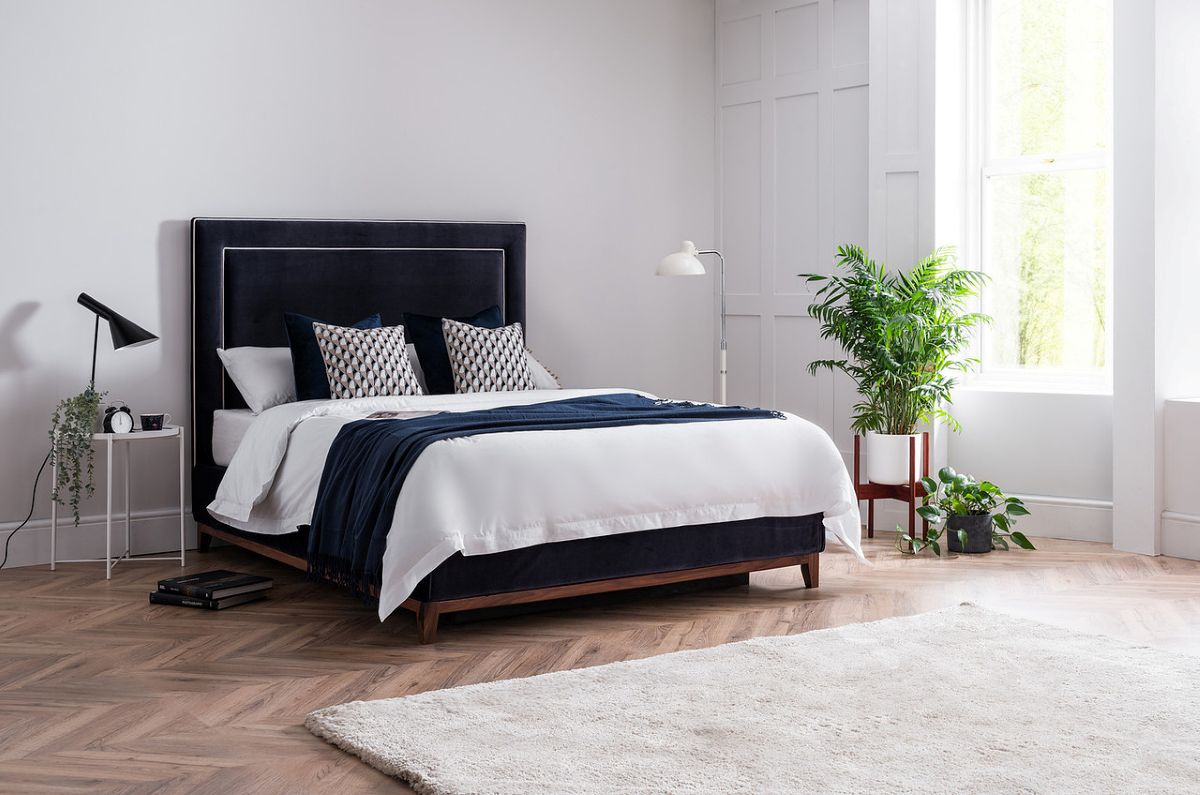
Your headboard sets the entire tone for the room, so choose a style that reflects your personal taste. Whether you prefer modern minimalism or traditional elegance, the right design enhances the overall atmosphere of your space.
Modern and Minimalist Designs
Clean lines and neutral tones define this category, making it perfect for contemporary decor. Look for slim metal or wood frames with flat panels in matte black, gray, or natural wood finishes. These styles work exceptionally well in small spaces where you want to avoid visual clutter.
Traditional and Classic Looks
Tufted upholstery and carved wood details create a sense of timeless luxury and warmth. Features often include button-tufted fabric, wingback shapes, and rich dark wood tones like cherry or espresso. This style thrives in larger rooms with formal or vintage-inspired decor schemes.
Rustic and Farmhouse Aesthetics
Warm textures and inviting finishes characterize the rustic look for cozy bedrooms. Common traits include reclaimed wood planks, whitewashed surfaces, and X-bracing details that pair well with linen bedding. This aesthetic complements shiplap walls and warm lighting perfectly.
Upholstered and Soft Options
Fabric-covered headboards offer the highest comfort level for those who sit up in bed frequently. They provide cushioned support for reading or watching TV and come in various fabrics like velvet, linen, and microfiber. These are excellent choices for master bedrooms where comfort is the top priority.
Consider Material and Durability Factors
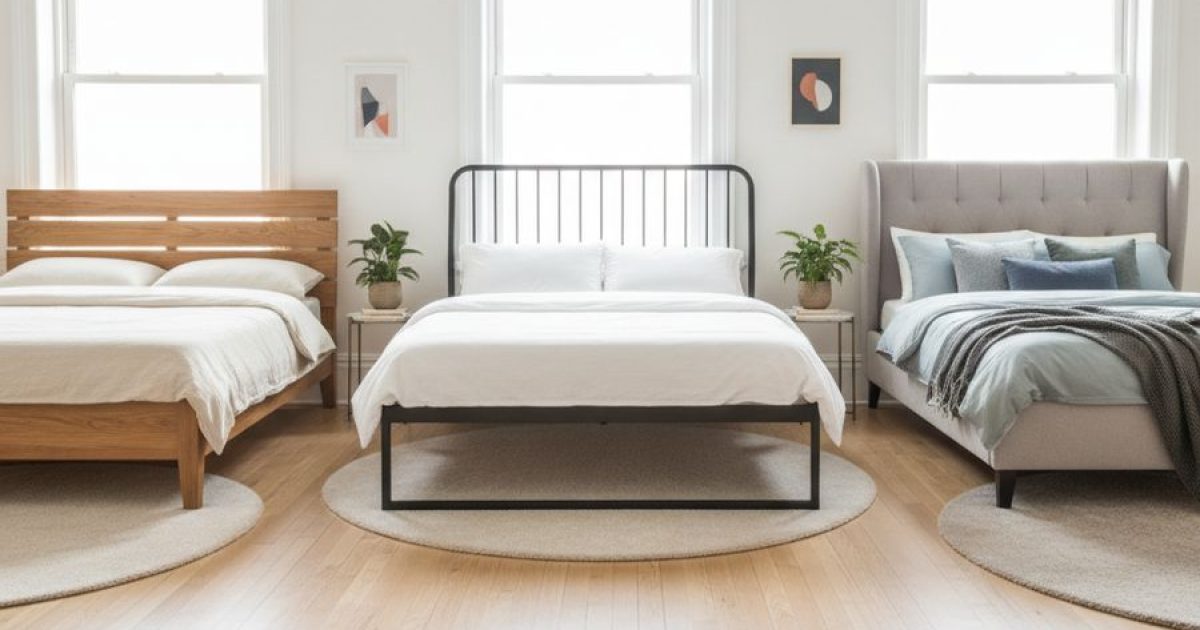
The material you select impacts the look, feel, cost, and maintenance required for your new headboard. Your lifestyle, local climate, and cleaning habits should dictate which material serves you best over time.
Solid Wood Longevity
Hardwood options like oak, walnut, and birch last for decades and add natural warmth to any room. They are naturally durable, scratch-resistant, and can be refinished if they become damaged over the years. Avoid plywood or veneer if you want maximum durability, as these may peel over time.
Metal Strength and Appeal
Steel, iron, and aluminum frames offer a sleek industrial or minimalist appearance for modern homes. These materials resist wear and pests while remaining lighter in weight than solid wood alternatives. Keep in mind that metal can feel cold against walls and may squeak if not secured properly.
Upholstered Comfort and Sound Control
Fabric or leather-covered padding provides superior comfort and helps reduce noise in your bedroom. Check the fabric durability rating, aiming for a Martindale rub count of 15,000 or higher for daily use. Microfiber or Crypton fabrics resist stains well, making them safer for homes with pets or children.
Woven and Natural Fiber Textures
Rattan, seagrass, and cane add unique texture and a boho flair to coastal or tropical themes. These lightweight and breathable materials are eco-friendly and biodegradable choices for stylistic accents. However, they are not ideal for high humidity areas where they might mildew or lose structural integrity.
Evaluate Headboard Mounting Options
The attachment method affects stability, ease of assembly, and potential impact on your walls. Understanding these options helps you decide based on your living situation and DIY skills.
Freestanding Floor Models
These units stand on their own with legs or supports that touch the floor directly. They require no wall mounting, making them easy to move or reposition as needed. This option is best for renters or temporary setups where wall damage is a concern.
Wall-Mounted Solutions
Attached directly to wall studs using brackets, these create a floating look that saves floor space. They offer a secure and stable installation with clean lines that suit modern aesthetics. You must be able to locate two wall studs typically spaced 16 inches apart to use this method.
Frame-Attached Designs
These clip or bolt directly onto bed frame rails and represent the most common installation type. They cause no wall damage and are usually easy to install with included hardware. This method works best with compatible frames and may not suit ultra-tall designs.
Integrated Built-In Units
Part of a platform bed or storage unit, these offer a seamless and custom look. They often include shelves or lighting to maximize space in smaller rooms. Note that these are not interchangeable and are harder to replace or upgrade later.
Prioritize Comfort and Daily Function

A headboard serves a functional role in your sleep routine beyond just decoration. Consider how you use your bed throughout the day to select a piece that supports your habits.
Support for Sitting Up
Choose upholstered or padded headboards at least 4 inches thick if you read or work in bed. A height between 36 and 48 inches provides necessary back and neck support for extended sitting. Thin wood or metal boards offer little cushion and may cause discomfort during use.
Noise Reduction Benefits
Upholstered headboards absorb sound effectively, making them ideal for apartments or shared walls. Thicker padding equals better sound dampening, which helps create a quieter sleep environment. This feature is particularly valuable in noisy neighborhoods or buildings with thin walls.
Added Storage and Features
Some headboards include shelves, cubbies, or USB ports to enhance functionality. These features are great for small bedrooms where space is tight and every inch counts. You can find options with hidden compartments for valuables or integrated lighting for reading.
Coordinate With Your Bedroom Layout
Room size, shape, and furniture flow dictate which headboard works best for your specific situation. Proper coordination ensures the piece enhances rather than hinders your space.
Small Bedroom Strategies
Maximize limited space with low-profile headboards under 30 inches tall. Wall-mounted designs free up floor space, while mirrored or light-colored finishes help reflect light. Avoid oversized or bulky styles that make the room feel crowded and claustrophobic.
Large Master Suite Options
Go bold with king-sized or wider headboards that command attention in spacious rooms. Tall or full-height panels over 54 inches and statement materials like velvet create a luxurious focal point. Center the bed and leave at least 30 inches on each side for clear walkways.
Odd-Shaped Room Solutions
Work around windows, doors, or slanted ceilings by measuring available wall space first. Choose narrow or custom-sized headboards that fit unique architectural features without blocking access. Detached or floating designs offer flexibility in rooms with unusual layouts.
Set a Realistic Budget Range
Headboard prices vary widely from $50 to over $2,000 depending on material, size, and features. Setting a realistic budget helps narrow your choices effectively.
Budget-Friendly Choices
Prices between $50 and $200 get you basic metal or fabric panels with lightweight frames. These often use plywood or MDF with veneer and are best for rentals or kids’ rooms. They are easy to assemble but may not offer long-term durability.
Mid-Range Quality
Spending $200 to $600 gets you solid wood or quality upholstery with durable fabrics. This range often includes integrated features like shelves or lighting for added value. These are suitable for primary bedrooms intended for long-term daily use.
High-End Luxury
Prices above $600 feature handcrafted wood, leather, and custom designer fabrics. Smart features like wireless charging and LED lighting are common in this premium category. These pieces are best for luxury master suites or as statement focal points.
Maintain and Clean Your Headboard Easily
Proper care ensures your headboard stays fresh and beautiful with minimal effort over time. Different materials require specific cleaning approaches to maintain their appearance.
Wood Care Essentials
Dust weekly with a microfiber cloth and clean spills immediately with a damp cloth. Use wood-safe polish every 3 to 6 months to maintain the finish and protect the surface. Avoid harsh chemicals or abrasive pads that could scratch or dull the wood.
Metal Maintenance Tips
Wipe metal frames with a damp cloth and mild soap, then dry immediately to prevent water spots. Touch up any scratches with matching paint to prevent rust and maintain appearance. Check bolts monthly to ensure the structure remains tight and secure.
Upholstered Cleaning Methods
Vacuum fabric monthly using a brush attachment to remove dust and debris. Blot stains immediately with mild detergent and avoid soaking the fabric to prevent mold. Use a fabric protector spray to add an extra layer of stain resistance.
Natural Fiber Upkeep
Dust woven fibers with a soft brush or vacuum attachment gently. Avoid direct sunlight which can fade or dry out natural materials over time. Use only dry cloths for cleaning since moisture damages these fibers significantly.
Frequently Asked Questions About Choosing a Headboard
How do I know what size headboard to buy?
Measure your mattress width and add 1 to 3 inches for a proportional look. Always check your bed frame width as well, since some frames extend beyond the mattress edges.
Can I install a headboard without drilling into the wall?
Yes, freestanding headboards rest on the floor and require no wall mounting. Frame-attached models also bolt directly to your bed frame without damaging walls.
What headboard material is best for pet owners?
Microfiber and Crypton fabrics offer excellent stain resistance and durability against claws. Leather is also a good option as it wipes clean easily and resists pet hair.
How tall should a headboard be for a low ceiling?
Choose a headboard under 48 inches tall for rooms with 8-foot ceilings to avoid a cramped feel. Leave at least 2 to 3 inches of space between the top of the headboard and the ceiling.
Are upholstered headboards hard to clean?
Regular vacuuming and immediate spot cleaning keep most upholstered headboards looking fresh. Fabric protector sprays add an extra layer of defense against spills and stains.
What is the average cost of a quality headboard?
A quality mid-range headboard typically costs between $200 and $600 for solid wood or durable upholstery. Budget options start around $50, while high-end custom pieces can exceed $2,000.
Key Takeaways for How to Choose a Headboard
Selecting the perfect headboard requires balancing size, style, material, and function to suit your specific needs. Start by measuring your bed and room dimensions accurately, then choose a material that matches your lifestyle and maintenance preferences. Whether you prioritize comfort for reading or need a space-saving design, the right choice enhances both your sleep quality and bedroom aesthetics.
Once you have selected your ideal piece, follow proper cleaning guidelines to maintain its beauty for years. Your headboard serves as the focal point of your sanctuary, so invest time in choosing wisely. Take action today by measuring your space and browsing options that align with your budget and design goals.