Finding a dark ink blotch on your clean bedspread feels like a disaster, especially when it comes from a leaky pen or a child’s art project. You can successfully get ink out of a bedspread if you act fast and use the correct solvents for your specific fabric type.
This guide details the exact steps to blot, treat, and wash your bedding without causing permanent damage. You will learn which household items dissolve ink effectively and why avoiding heat is the most critical rule for saving your comforter.
Immediate Steps to Stop Ink Spreading

Time is your enemy when dealing with ink because the longer it sits, the deeper it bonds with fabric fibers. Your first actions determine whether the stain lifts easily or becomes a permanent fixture on your bedding.
Blot Gently Without Rubbing
Take a clean, dry cloth or paper towel and press it lightly onto the wet ink. Lift the cloth straight up to absorb the liquid without spreading the pigment laterally. Repeat this process with fresh sections of the cloth until no more color transfers to the towel.
Protect Your Mattress Surface
Place a thick, absorbent towel directly underneath the stained area of the bedspread. This barrier catches dissolved ink and prevents it from bleeding through to your mattress or sheets below. If you are treating a duvet cover, lay it flat on a protected table before applying any liquids.
Freeze Dried Ink Residue
Put the stained section of the comforter in the freezer for two to three hours if the ink has already dried. Once frozen, the ink often becomes brittle enough to flake off when gently scraped with a spoon edge. This mechanical removal reduces the ink load before you apply any chemical solutions.
Best Solvents to Dissolve Ink Stains
Selecting the right solvent depends on your fabric type and the specific kind of ink causing the problem. Always perform a patch test on a hidden seam before applying these solutions to the visible stain.
Apply Rubbing Alcohol for Ballpoint Ink
Isopropyl alcohol with 70% concentration or higher is the most effective tool for breaking down oil-based ballpoint and permanent inks. Dampen a cotton ball with the alcohol and dab from the outside edge of the stain inward to prevent spreading. Let the solution sit for ten minutes to dissolve the bond, then blot frequently with a dry cloth to lift the pigment.
Warning: Do not use alcohol on silk, acetate, or delicate synthetics as it can cause discoloration or fiber damage.
Use White Vinegar for Sensitive Fabrics
White vinegar acts as a gentle acidic agent that breaks down ink molecules without harsh chemicals. Saturate the stain completely with clear white vinegar and let it sit for fifteen to thirty minutes before blotting and rinsing with cold water. You can also add one capful to your washing machine rinse cycle to help lift residual stains.
Mix Hydrogen Peroxide and Dish Soap
Combine a small amount of liquid dish soap with 3% hydrogen peroxide to create a powerful cleaning mixture for tough stains. Apply this solution directly to the affected area and wait ten to fifteen minutes for the oxidizing agents to work. Blot the area thoroughly and rinse with cold water to remove all residue.
Utilize Commercial Stain Removers
Products like OxiClean or Shout offer effective alternatives for set-in stains that resist home remedies. Follow the package instructions precisely, as these are often designed for soaking or pre-treatment applications. These oxygen-based cleaners work well on large stains where manual dabbing is insufficient.
Mechanical Methods for Set-In Stains
Some stubborn stains require physical agitation combined with cleaning agents to lift pigment from deep within the weave. These methods use mild abrasion to exfoliate the fibers without destroying the fabric structure.
Scrub with Toothpaste and Salt Paste
Mix non-gel white toothpaste with sea salt to create a thick, abrasive paste for scrubbing. Use a soft toothbrush to gently work the paste into the stain using small circular motions for several minutes. Rinse the area thoroughly after ten minutes to ensure no gritty residue remains in the fibers.
Apply Baking Soda Paste
Create a mild paste using baking soda and water for light stains or delicate fabrics that cannot handle harsh scrubbing. Apply the mixture to the stain and let it dry completely for about thirty minutes before brushing off the residue. Repeat this process if the stain persists after the initial application.
Pretreat with Liquid Laundry Detergent
Apply a few drops of liquid laundry detergent directly to the stain before using any solvents. Let it sit for twenty minutes to allow the surfactants to break down the oils in the ink. This step primes the fabric and boosts the effectiveness of subsequent alcohol or vinegar treatments.
Soaking and Washing Your Bedspread
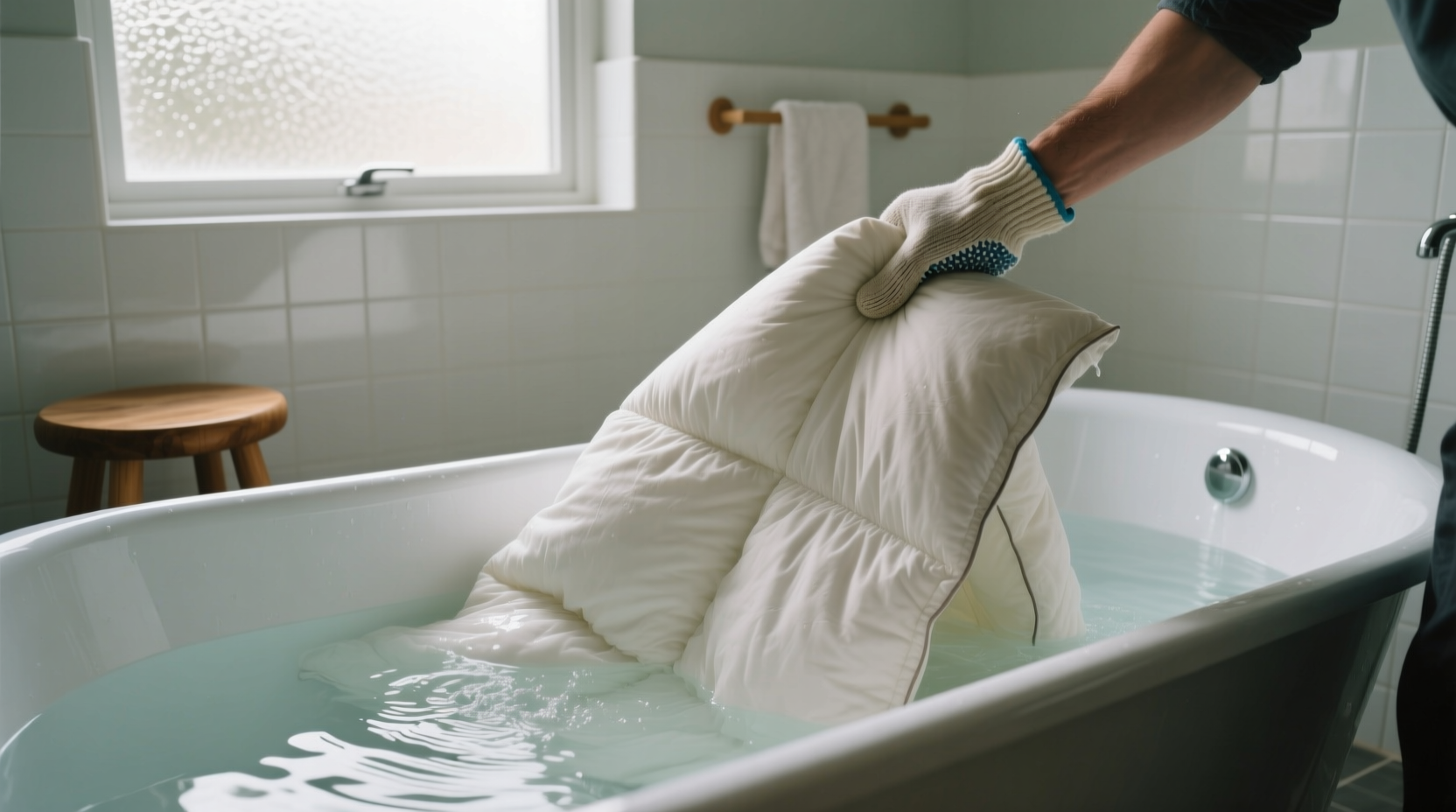
Deep cleaning removes both the dissolved ink and the cleaning agents you applied during the treatment phase. Proper soaking ensures that the solution penetrates the entire thickness of the comforter.
Soak in Oxygen-Based Cleaner
Fill a bathtub or large basin with warm water and dissolve an oxygen-based cleaner like OxiClean according to label directions. Submerge the stained area completely and let it soak for at least two hours, or overnight for older stains. Warm water activates the oxygen cleaner, but never use hot water as it can set the ink permanently.
Wash on Gentle Cycle with Cold Water
Place the bedspread in your washing machine using cold water and a gentle cycle setting. Add a capful of white vinegar to the rinse cycle to help flush out remaining ink particles. Avoid fabric softener entirely, as it leaves a residue that traps stains and reduces the fluffiness of your bedding.
Air Dry to Prevent Permanent Setting

The drying phase is the most critical step where many people accidentally ruin their chances of removing the stain. Heat acts as a fixing agent that bonds ink to fibers forever if any trace remains.
Never Use Heat on Ink Stains
Do not put your treated bedspread in the dryer unless you are absolutely certain the stain is 100% gone. Even a faint shadow of ink will become permanent if exposed to the high heat of a tumble dryer. Always verify the stain is invisible before considering any heat application.
Hang to Air Dry Completely
Hang the bedspread over a clothesline or lay it flat to air dry in a well-ventilated area. Once the fabric is fully dry, inspect it under natural light to check for any remaining discoloration. If you see any trace of the stain, repeat the treatment and washing process before attempting to dry it again.
Special Care for Delicate Fabrics

Not all bedspreads can withstand alcohol, peroxide, or vigorous scrubbing without sustaining damage. Identify your fabric type immediately to choose the safest cleaning method.
Handle Silk and Acetate with Care
Avoid using rubbing alcohol or harsh solvents on silk and acetate fabrics entirely. Use a mild dish soap mixed with warm water to dab gently at the stain, then hand wash the item carefully. Always test your cleaning solution on a hidden seam first to ensure it does not fade the color.
Consult Professionals for Down Comforters
High-end designer pieces or down-filled comforters often require specialized care to maintain their loft and structure. Try gentle home remedies first, but consult a professional cleaner if the stain persists or if the care label specifies dry cleaning only. Professional cleaners have access to industrial solvents that are safe for delicate fills.
Common Mistakes That Set Ink Stains
Avoiding specific errors is just as important as taking the right steps when treating ink. These common mistakes often turn a removable stain into a permanent fixture.
Using Hot Water Initially
Hot water cooks the ink into the fibers, making it nearly impossible to remove later. Always stick to cold or warm water during the initial rinsing and washing phases until the stain is completely gone.
Skipping the Air-Dry Verification
Tossing a treated bedspread directly into the dryer is the number one reason ink stains become permanent. Air drying allows you to inspect the results and re-treat if necessary without risking heat damage.
Applying Chlorine Bleach
Chlorine bleach reacts with ink dyes and can actually darken the stain or fix it permanently to the fabric. Never use bleach on an ink stain, as it often causes more harm than good.
Frequently Asked Questions About Ink Stains
Can I get ink out of a bedspread after it has dried?
Yes, you can remove dried ink by freezing the area to flake off residue, then treating it with rubbing alcohol or vinegar. Older stains may require multiple treatment cycles and an overnight soak in an oxygen-based cleaner to fully lift the pigment.
Will rubbing alcohol damage my bedspread fabric?
Rubbing alcohol is safe for cotton and polyester but can damage silk, acetate, and some delicate synthetics. Always perform a patch test on a hidden seam before applying alcohol to the main stain to ensure colorfastness.
Why should I not use the dryer on an ink-stained bedspread?
Heat from the dryer bonds ink molecules to fabric fibers, making the stain permanent and irreversible. You must air dry the bedspread first to confirm the stain is completely gone before using any heat.
Does white vinegar work better than alcohol for ink?
White vinegar is gentler and works well on sensitive fabrics, while alcohol is more effective on oil-based ballpoint inks. Choose vinegar for delicate materials and alcohol for durable fabrics like cotton or linen blends.
How long should I soak my bedspread to remove ink?
Soak the bedspread in an oxygen-based cleaner solution for at least two hours, or overnight for old and set-in stains. Extended soaking times allow the cleaning agents to penetrate deep into the fibers and break down the ink bonds.
Key Takeaways for Removing Ink from Bedspreads
Success in removing ink depends on quick action, the right solvent choice, and strict avoidance of heat until the stain is gone. Start by blotting gently, treat with alcohol or vinegar based on your fabric type, and always air dry to verify the result before machine drying.
Repeat the treatment process if any trace of the stain remains after air drying, as patience yields better results than aggressive scrubbing. By following these steps carefully, you can restore your bedspread to its original condition without permanent damage.