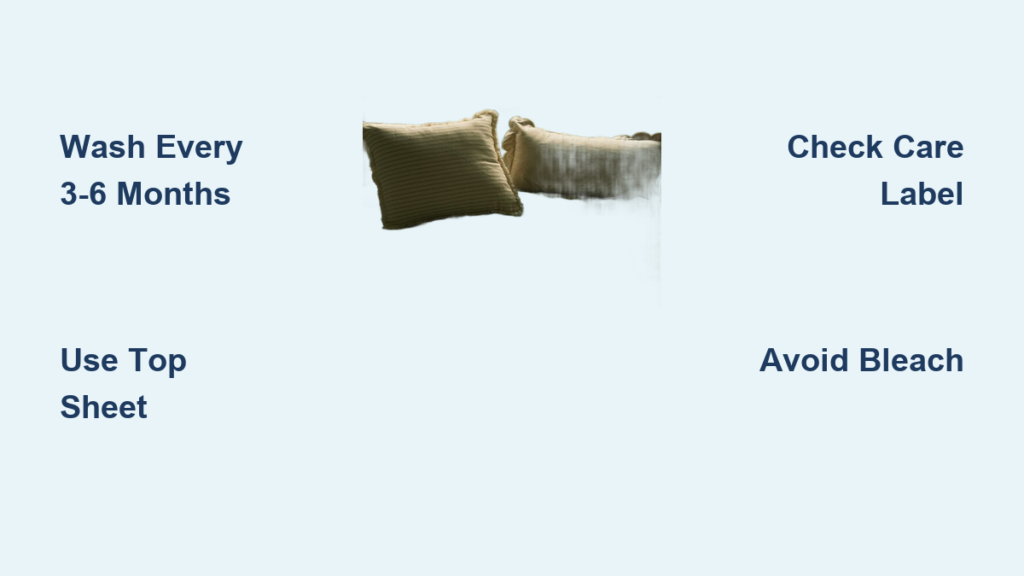
You likely wash your sheets weekly, but do you know how often to wash bedspread layers like duvet covers and comforters? Dust, allergens, and body oils accumulate in these thicker fabrics even when they do not touch your skin directly. Ignoring this buildup can lead to poor sleep quality and damaged fibers over time.
This guide provides a clear cleaning calendar for every layer of your bedding ensemble. You will learn specific timeframes for duvet covers, inserts, and decorative spreads based on expert data. We also cover the right detergents to use and critical mistakes to avoid during the process.
Distinguishing Between Bedspreads, Duvet Covers, and Comforters
:max_bytes(150000):strip_icc()/guide-to-different-types-of-bedding-350493-final-e1c98da45e6b4090984bfaa9dcc1f654.jpg)
Many people use the term “bedspread” loosely, but care instructions vary wildly between different bedding types. A traditional bedspread is a decorative, often floor-length cover designed to stay on the bed all day. In contrast, a duvet cover acts as a removable shell for an insert, while a comforter is a thick, quilted blanket filled with down or synthetic fibers.
Understanding which item you own is the first step to proper care. Washing a delicate wool throw with the same frequency as a cotton duvet cover can ruin the fabric. Conversely, waiting too long to clean a duvet cover used without a top sheet creates an unhygienic sleeping environment.
Why Fabric Type Dictates Your Washing Schedule
The material composition determines how often you must clean your bedding. Cotton and synthetic blends generally tolerate frequent machine washing. Wool and silk require much less frequent cleaning and often need specialized, enzyme-free detergents.
The Role of Top Sheets in Hygiene
Using a top sheet creates a critical barrier between your body and your duvet cover. If you skip the top sheet, your duvet cover absorbs sweat and oils directly, requiring a weekly wash cycle similar to standard sheets.
Recommended Washing Frequencies for Every Bedding Layer
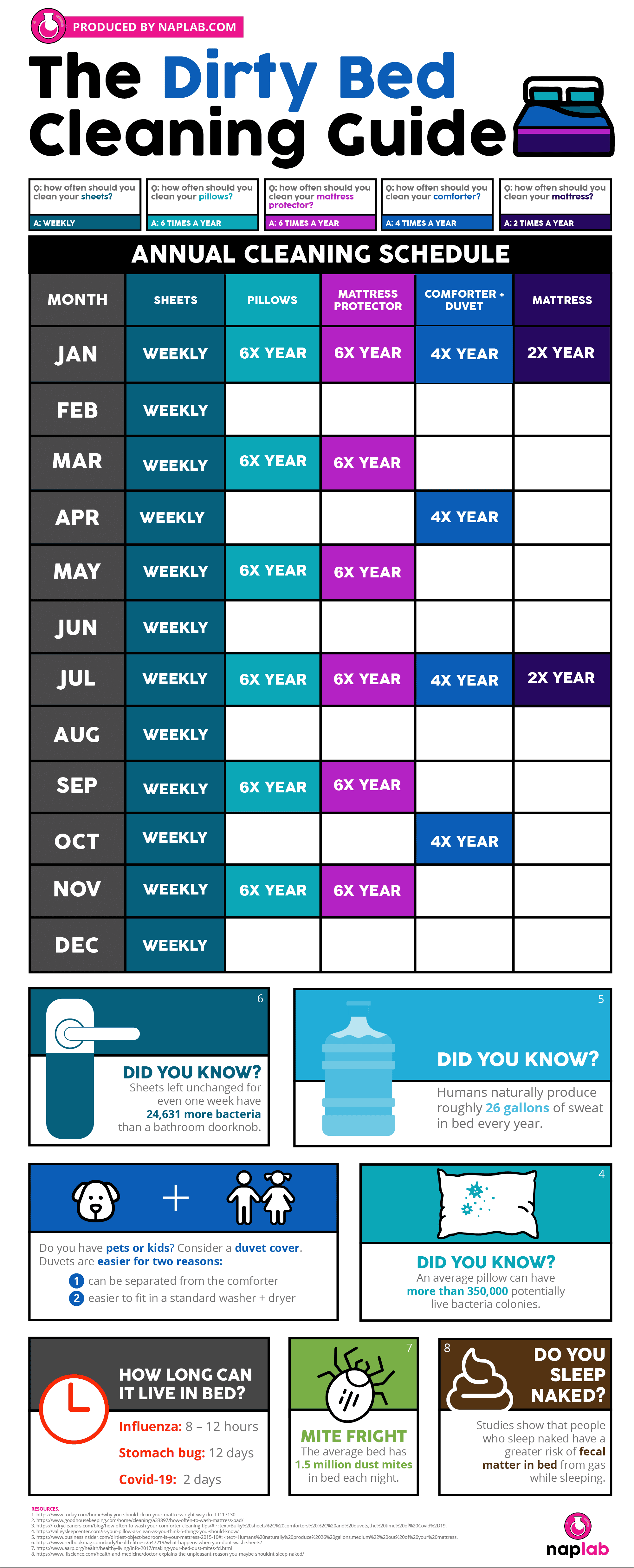
Cleaning schedules depend entirely on the specific component of your bed ensemble. Outer layers like decorative spreads collect dust slowly, while inner layers face direct contact with sweat and skin cells. Following a differentiated schedule ensures hygiene without unnecessary wear on your linens.
Standard Decorative Bedspreads
Wash every 3 to 6 months
These items serve primarily as decoration and rarely touch your skin directly. They accumulate airborne dust and pet dander rather than body oils. Vacuuming them monthly can extend the time between deep cleans.
Duvet Covers and Shams
Wash every 2 to 4 weeks
This layer protects your duvet insert from daily grime. If you use a top sheet, this bi-weekly to monthly schedule preserves fabric vibrancy and comfort.
Wash weekly if no top sheet is used
Sleeping directly under a duvet cover transfers body oils and sweat into the fabric rapidly. In this scenario, you must launder the cover every one to two weeks to prevent odors and staining.
Comforters and Duvet Inserts
Wash every 6 months
The inner filling of comforters and duvet inserts does not need frequent washing. Cleaning them twice a year maintains loft and warmth without breaking down the internal structure.
Mattress Pads and Pillow Protectors
Wash every 2 to 3 months
Mattress pads act as a shield for your investment mattress. Pillow protectors should be washed every two to three weeks to extend the life of the actual pillow insert.
Factors That Require More Frequent Washing
While general guidelines suggest specific intervals, your personal habits and environment may demand a stricter schedule. Identifying these variables helps you adjust your routine to maintain a truly clean bed.
Night Sweats and Hot Sleepers
If you wake up damp or tend to sleep hot, moisture penetrates deeper into your bedding layers. You should increase the frequency of washing duvet covers to once a week. Consider washing comforter inserts every three to four months instead of the standard six months to prevent mildew.
Presence of Pets
Pet fur, dander, and outdoor dirt drastically increase contamination levels. If your pets sleep on the bed, wash all top layers including duvet covers and decorative spreads every one to two weeks. Regular vacuuming between washes is also essential to remove embedded hair.
Allergies and Asthma
Dust mites thrive in bedding and can trigger severe reactions for sensitive individuals. Allergy sufferers should wash sheets and pillow protectors weekly. Increasing the wash frequency of mattress pads and duvet covers to every two weeks helps reduce the overall allergen load in your sleep zone.
Seasonal Transitions
Changing seasons is an ideal time to deep clean bedding you have stored away. Wash comforters and heavy wool blankets before storing them for summer to prevent musty odors. Similarly, clean summer linens before putting them away for winter storage.
Step-by-Step Guide to Washing Bedspreads Safely
Proper technique is just as important as timing when cleaning bulky bedding items. Rushing this process or using the wrong products can shrink fibers, fade colors, or damage the internal fill.
1. Verify Care Label Instructions
Always check the manufacturer’s tag before starting. Look for specific temperature limits, cycle recommendations, and dry-clean-only warnings. Ignoring these instructions on luxury items like silk or heavy wool can cause irreversible damage.
2. Pre-Treat Stains Gently
Address spots before the main wash cycle. Mix a solution of baking soda, mild dish soap, and hydrogen peroxide. Apply this to stained areas and let it sit for 15 minutes. Always test this mixture on a hidden seam first to ensure colorfastness.
3. Select the Correct Detergent
Use a mild, pH-neutral detergent that is free from optical brighteners and harsh bleaches. Plant-based and EWG-verified detergents are excellent choices for preserving fiber integrity.
Avoid enzyme detergents on protein fibers
Never use standard enzyme cleaners on silk or washable wool. Enzymes digest protein-based fibers, leading to holes and thinning fabric. Use specialized enzyme-free detergents for these delicate materials.
4. Choose the Right Wash Cycle
Select the “gentle” or “delicate” cycle on your machine. Use cold or warm water, as hot water can shrink natural fibers and set stains. Ensure your machine is not overloaded so the bedspread has room to move and rinse thoroughly.
5. Dry with Care
Tumble dry on low heat if the label permits. Remove the item promptly to minimize wrinkles. For heavy wool blankets or delicate silk, lay the item flat to air dry to prevent stretching or distortion.
Critical Mistakes to Avoid When Laundering Bedding
Even with the right schedule, common errors can ruin your bedding. Avoiding these pitfalls ensures your linens last for years rather than months.
Using Bleach and Optical Brighteners
Standard grocery store detergents often contain bleach and brighteners that weaken fabric fibers. These chemicals strip natural softness and can cause yellowing over time. Stick to gentle, fragrance-free, or naturally scented options.
Overloading the Washing Machine
Bedspreads and comforters need space to agitate and rinse properly. Stuffing a large duvet into a small machine prevents soap from rinsing out completely. This leaves residue that attracts more dirt and causes skin irritation. Use a commercial-sized washer for bulky items.
Ignoring the Top Sheet Variable
Assuming a duvet cover lasts a month between washes is a major error if you do not use a top sheet. Without that barrier, the cover functions as a sheet and requires weekly laundering. Failing to adjust this schedule leads to rapid buildup of body oils and bacteria.
Special Care Instructions for Wool and Silk

Luxury fabrics demand specific handling to maintain their texture and appearance. Treating them like standard cotton can result in shrinkage or fiber degradation.
Washing Wool Blankets and Throws
Wool requires less frequent washing than cotton, typically every two to three months. Many wool items strictly require dry cleaning. If machine washable, use cool water and a wool-specific detergent. Never hang wool to dry, as the weight of the water will stretch the fabric. Lay it flat on a clean towel instead.
Cleaning Silk Bedspreads and Shams
Silk is highly sensitive to heat and harsh chemicals. Most silk bedspreads are dry clean only. If the label allows hand washing, use cold water and a silk-safe detergent. Do not wring or twist the fabric. Dry silk away from direct sunlight to prevent fading and fiber weakness.
Expert Summary of Bedding Care Intervals

Consistency is key to maintaining a healthy and comfortable sleep environment. By following a structured schedule, you protect your investment and ensure better rest.
- Sheets and Pillowcases: Wash every 1 to 2 weeks without exception.
- Duvet Covers: Launder every 2 to 4 weeks, or weekly if no top sheet is used.
- Comforters and Inserts: Clean every 6 months to maintain loft.
- Mattress Pads: Wash every 2 to 3 months to prevent allergen buildup.
- Decorative Bedspreads: Clean every 3 to 6 months depending on usage.
Set reminders for these dates to keep your bedroom fresh. Your health and the longevity of your linens depend on this regular maintenance.
Frequently Asked Questions About Bedding Hygiene
Can I wash my comforter in a standard home washing machine?
It depends on the size of your machine and the comforter. Large king-size comforters often require a commercial washer at a laundromat to move freely. If the comforter fits loosely in your home machine, you can wash it on a gentle cycle.
What happens if I never wash my duvet insert?
Neglecting to wash your duvet insert allows dust mites, dead skin cells, and moisture to accumulate. This can lead to unpleasant odors, allergic reactions, and a breakdown of the internal filling, reducing its warmth and loft.
Is it safe to use fabric softener on bedspreads?
It is generally best to avoid fabric softeners on bedding. They leave a waxy residue that reduces the breathability of natural fibers like cotton and linen. This residue can also trap odors and reduce the absorbency of the fabric.
How do I know if my wool blanket needs dry cleaning?
Check the care label immediately. If it says “Dry Clean Only,” do not attempt to machine wash it. Wool can felt and shrink dramatically in water if it has not been treated for machine washing. When in doubt, professional cleaning is the safest option.
Does sleeping alone mean I can wash sheets less often?
No. The 1 to 2 week washing rule applies regardless of whether you sleep alone or with a partner. Your body sheds skin cells and produces sweat and oils every night, creating a breeding ground for bacteria regardless of occupancy.
Key Takeaways for Maintaining a Clean Bedspread
Knowing how often to wash bedspread items is essential for a hygienic home. Sheets require weekly attention, while duvet covers need washing every two to four weeks unless you skip the top sheet. Comforters and decorative spreads follow a slower schedule of every three to six months.
Always check care labels before washing, especially for wool and silk. Use mild, enzyme-free detergents for protein fibers and avoid harsh chemicals like bleach. By following these specific guidelines, you ensure your bedding remains fresh, comfortable, and durable for years to come. Start by checking the label on your current bedspread today to confirm its specific needs.