If you’re a new parent, your nursing pillow is likely one of the most-used items in your daily routine. Whether you’re breastfeeding, bottle-feeding, or using it for tummy time, it’s constantly exposed to spit-up, drool, and milk stains. Over time, this can lead to odor buildup and bacteria growth, so knowing how to wash a nursing pillow properly is essential for hygiene, safety, and longevity.
But here’s the catch: not all nursing pillows are cleaned the same way. Some can go straight into the washing machine, while others require delicate spot cleaning only. Washing it incorrectly could ruin its shape, damage the fabric, or void the warranty. With the right steps, you can keep your nursing pillow fresh, clean, and supportive for months or even years.
Check the Care Label Before Washing
Before doing anything, check the care label on your nursing pillow. This small tag holds the most important information about whether the cover or insert is machine washable, hand wash only, or spot clean recommended.
Why the Label Matters
The care label exists for several critical reasons. Some inserts are not machine washable, and washing them can cause clumping, flattening, or fabric separation. Covers may be removable and washable even if the insert is not. Ignoring these instructions can void warranties, especially with brands like Boppy. Always follow the manufacturer’s specific guidelines to protect your investment.
What to Do If There’s No Label
If your nursing pillow has no label, search your pillow model online or contact the manufacturer directly. For example, Tushbaby and Little Grape Land provide detailed care guides on their websites. Never assume a pillow is machine washable without verification.
Prepare the Pillow for Cleaning
Proper preparation prevents damage during cleaning and ensures a thorough wash.
Empty Pockets and Fasten Closures
Empty all storage pockets, especially in hybrid carrier-pillows like Tushbaby. Zip up covers, fasten Velcro, and button closures to avoid snagging in the washer. This simple step prevents fabric damage and ensures nothing gets tangled.
Pre-Treat Stains Immediately
Use a baby-safe stain remover or mild soap solution. Gently dab at milk stains, spit-up, or food residue. Do not rub, which can push stains deeper into the fabric. For dried spills, lightly dampen the area first before treating.
Shake Out Debris
Give the pillow a good shake over a trash can to remove crumbs, dried formula, or loose particles. This prevents these particles from redepositing during the wash cycle.
Machine Wash the Cover
Most nursing pillows come with a removable slipcover that is safe to machine wash, even when the insert is not.
Safe Washing Steps
Wash separately from towels, zippers, or rough fabrics that can cause pilling. Use cold to warm water, with a maximum temperature of 30°C or 85°F. Select the delicate or gentle cycle. Use mild, fragrance-free, hypoallergenic detergent that is safe for baby contact. Never use chlorine bleach. Only use non-chlorine bleach if absolutely necessary.
Drying the Cover
Tumble dry low if the label allows, or lay flat to dry to preserve fabric softness, especially for muslin cotton covers. Avoid high heat, which can shrink or weaken fibers over time. Keep two covers on hand so one is always ready while the other is being washed.
Can You Machine Wash the Insert

This is the biggest question, and the answer depends entirely on your specific brand and model.
Yes: Full Insert Machine Washable
Some pillows, like the Original Nursing Support (Boppy-style), allow full insert machine washing. Use a front-load washer only, which has less agitation than top-load machines. Use the delicate cycle with mild detergent at 30°C maximum. Tumble dry low with a tennis ball or dryer ball in a pillowcase to restore fluffiness. Only wash the full insert if explicitly allowed by the manufacturer.
No: Spot Clean Only
Many models, including Little Grape Land, muslin cotton varieties, and premium organic options, are not designed for machine washing. Machine washing can damage hypoallergenic filling or cause permanent flattening. These require hand cleaning only on stained areas.
Hand Wash or Spot Clean the Insert
When the insert is not machine washable, gentle spot cleaning is your best option.
Step-by-Step Spot Cleaning
Mix warm water with a drop of mild detergent. Dip a clean microfiber cloth into the solution and wring it out well so it is damp, not wet. Blot the stained area gently. Do not soak the insert. Rinse the cloth with clean water and wipe again to remove soap residue. Pat dry with a towel and air dry completely before reuse.
What to Avoid
Never submerge the insert in water. Do not wring, twist, or squeeze, as this distorts shape and compresses filling. Avoid steam cleaners or soaking, which can lead to mold and odor problems.
Dry the Pillow Completely
Improper drying is the number one cause of odors, mildew, and bacterial growth in nursing pillows.
Air Dry Flat
Lay the insert flat on a clean towel or drying rack in a well-ventilated room. Flip every few hours for even drying. Keep away from direct sunlight if fabric is sensitive, such as muslin. However, two to three hours of indirect sun helps sanitize and deodorize. Drying time is typically 24 to 48 hours depending on thickness and humidity.
Tumble Dry Low
Use low heat and the delicate setting if permitted by the label. Add a clean tennis ball or sneaker in a pillowcase to prevent flattening. Check frequently, as overheating can melt synthetic fibers or damage seams.
Deodorize and Refresh Naturally
Even with regular cleaning, nursing pillows can develop odors from constant use.
Baking Soda Odor Removal
Sprinkle a light layer of baking soda over the insert. Let sit for 20 to 30 minutes to absorb odors. Shake off thoroughly or use a handheld vacuum on low. Air dry afterward to ensure no moisture remains.
Sunlight Sanitizing
Place the pillow in indirect sunlight for two to three hours. UV rays naturally reduce bacteria and freshen fabric. Avoid prolonged exposure, as UV can degrade cotton and elastic over time.
Cleaning Frequency by Use
How often you wash depends on how much your pillow gets used.
| Usage Level | Cleaning Schedule |
|---|---|
| Newborn (frequent feeding) | Every 2 to 4 weeks, spot clean weekly |
| Daily use (feeding, tummy time) | Wash cover every 3 to 4 weeks, spot clean spills |
| Occasional use | Wash every 6 to 8 weeks, air out monthly |
| After spit-up, vomit, or blowout | Clean immediately |
Care by Material Type
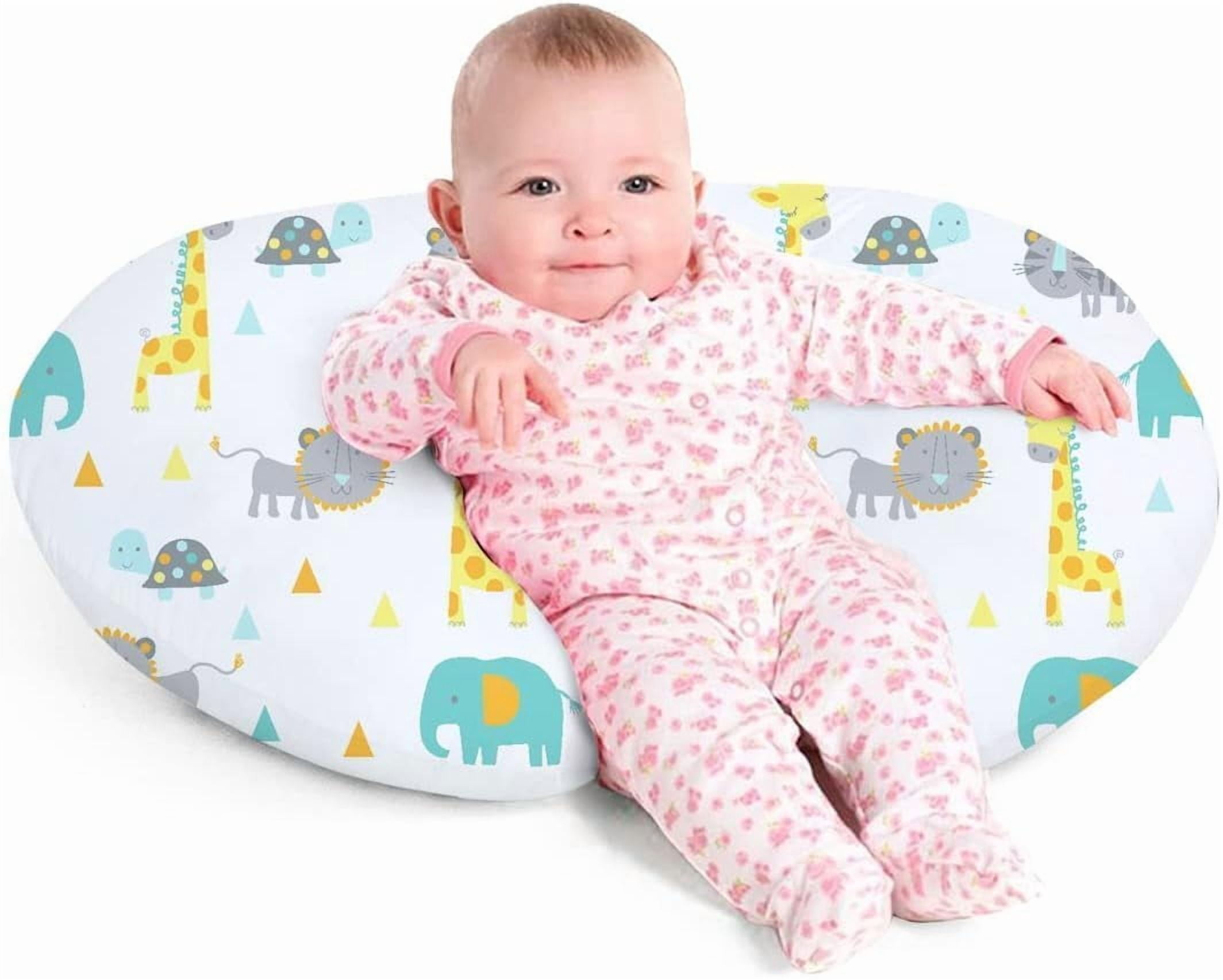
Different fabrics and fillings require specific care approaches.
Muslin Cotton
Muslin cotton nursing pillows, like those from Little Grape Land, feature 100% muslin cotton that is soft and breathable. The hypoallergenic filling is safe for sensitive skin. The cover is machine washable, but the insert requires spot cleaning only. Always air dry. Never use high heat.
Boppy-Style
Original Nursing Support pillows allow full insert machine washing. Use a front-load washer on delicate cycle at 30°C with mild detergent. Tumble dry low with a dryer ball. Cool iron the cover if needed, but never iron or dry clean the insert.
Multifunctional Carrier
For carrier-pillows like Tushbaby, remove plastic inserts before washing. Empty all pockets. Wash on cold and lay flat to dry. For wipe-clean models, use baby-safe wipes for daily maintenance.
Protect and Maintain Longevity
Extend your pillow’s life with simple daily habits.
Daily Protection Tips
Use a removable washable cover as a first line of defense against stains. It is easier to wash than the entire pillow and lets you rotate between clean covers. Keep baby wipes handy and wipe down after each feeding to prevent buildup. Use antimicrobial or baby-safe wipes for quick cleanups.
Proper Storage
Keep the pillow in a cool, dry place, not in damp basements or bathrooms. Avoid long-term compression under heavy items, which reduces loft. Fold or roll loosely, not tightly, when storing.
Safety First: Critical Warnings
Nursing pillows are not sleep products and require strict safety precautions.
Never Leave Baby Unattended
Adult supervision is required at all times. Risk of positional asphyxia or rolling off exists if the pillow is used improperly. Do not use the pillow as a crib or bassinet substitute. Never let baby sleep on it unsupervised.
Safe Uses Only
Nursing pillows are designed for breastfeeding, bottle feeding, supervised tummy time, and bonding and storytime. They are not intended for unsupervised sleep or as a sleeping surface.
Warranty and Manufacturer Support
Understanding warranty coverage helps protect your purchase.
Original Nursing Support (Boppy)
This product includes a one-year limited warranty covering defects in materials and workmanship. The warranty does not cover damage from improper washing or dry cleaning. Claims require proof of purchase and product inspection.
Certifications to Look For
Look for OEKO-TEX Standard 100 certification, which confirms the product is free from harmful substances. CPC certification indicates the product meets U.S. children’s product safety standards.
Quick Cleaning Do’s and Don’ts
Follow these guidelines for the best results.
Do: Check the care label first. Use mild, baby-safe detergent. Wash covers every three to four weeks. Spot clean spills immediately. Air dry completely before use. Deodorize with baking soda. Fluff after drying to restore shape.
Don’t: Assume it is machine washable. Use chlorine bleach. Soak or wring the insert. Machine wash the insert unless allowed. Store while damp. Ignore mold or musty smells. Use high heat or dry clean.
Frequently Asked Questions About Washing a Nursing Pillow
Can I put my nursing pillow in the washing machine?
It depends on the specific pillow. Some nursing pillows, like Boppy-style supports, allow machine washing of the full insert. Others, particularly muslin cotton or premium organic models, require spot cleaning only. Always check the care label first.
How often should I wash my nursing pillow?
For daily use during the newborn stage, wash the cover every two to four weeks with weekly spot cleaning. After any spit-up or vomit, clean immediately to prevent staining and odor buildup.
How do I remove odors from my nursing pillow?
Sprinkle baking soda over the insert and let it sit for 20 to 30 minutes. Shake off thoroughly or vacuum gently. Follow with air drying in indirect sunlight for a natural refresh.
Can I dry my nursing pillow in the dryer?
Only if the care label permits. Use low heat and the delicate setting. Add a tennis ball in a pillowcase to help maintain fluffiness. For most inserts, air drying flat is the safer option.
What if my nursing pillow gets mold inside?
Do not use the pillow if you suspect mold. Mold requires professional cleaning or replacement. To prevent mold, always ensure the pillow is completely dry before storing and never store it in damp areas.
Is it safe to use bleach on a nursing pillow?
Never use chlorine bleach on nursing pillows. The fumes and residue can harm your baby. Use only mild, fragrance-free, hypoallergenic detergents specifically formulated for baby items.
Key Takeaways for Washing Your Nursing Pillow
Washing your nursing pillow does not have to be complicated, but it does require attention to detail. Always start by checking the care label, as this determines whether you can machine wash or must spot clean. Use a removable slipcover to protect the insert and make cleaning easier. For drying, air drying flat is safest, but tumble dry low works if permitted. Never store the pillow while damp, as this leads to mold and musty odors.
With proper care, your nursing pillow can last well beyond the newborn stage. It will stay fresh, hygienic, and supportive through every feeding, tummy time, and cuddle session, ready for siblings, travel, or even resale.