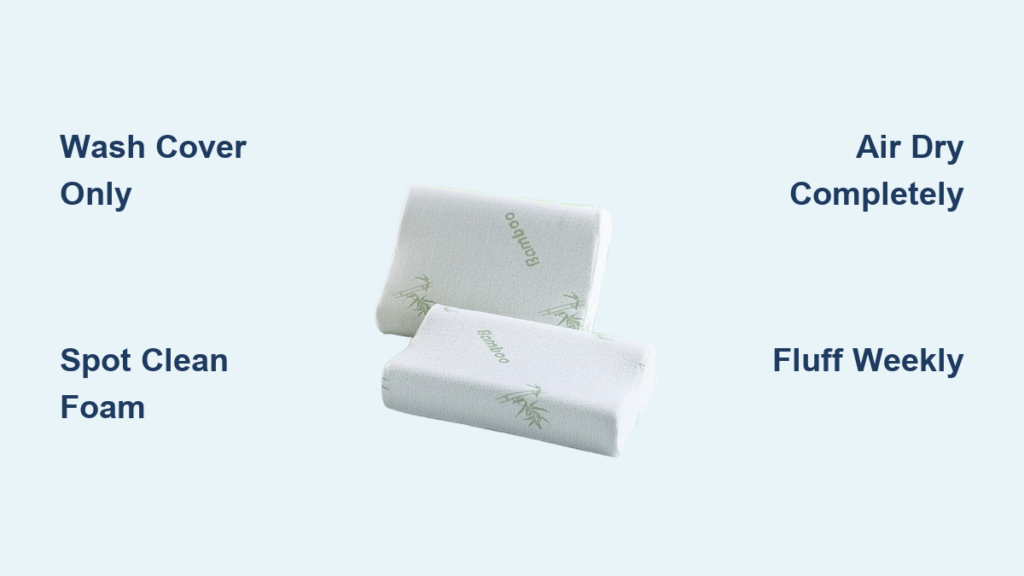
Your bamboo pillow delivers cooling comfort, hypoallergenic protection, and eco-friendly materials. When it starts developing odors or stains, you need to clean it without destroying the memory foam inside. The critical rule: only the zippered cover goes in the washing machine. The foam insert must be spot-cleaned and air-dried, or you risk permanent clumping, mold growth, and loss of support. This guide walks you through every step to clean both components safely, dry them properly, and maintain your pillow for years of comfortable sleep.
Check Your Bamboo Pillow Type Before Cleaning
Before starting any cleaning process, identify your pillow’s construction to avoid irreversible damage.
Inspect the Removable Cover
Most bamboo pillows feature a zippered, removable cover made from bamboo viscose. Unzip it fully and carefully pull it away from the foam insert. If the zipper is broken or the cover cannot be removed, you can only spot-clean the entire pillow. Never submerge a non-removable cover in water.
Read the Care Label First
Check for tags on the cover or foam that specify:
• Machine wash cover only
• Foam: spot clean only
• Do not submerge
Follow these instructions exactly. Some specialty models allow gentle foam washing, but the majority require spot-cleaning only.
Identify Your Foam Type
• Shredded memory foam: Adjustable and customizable, but prone to clumping after cleaning
• Solid memory foam: Holds its shape but cannot be reshaped if damaged
Both foam types absorb water easily and require 24 to 48 hours to dry completely. Never rush the drying process.
How to Machine Wash the Bamboo Cover Safely
The outer cover is the only component safe for machine washing.
Prepare the Cover for Washing
Remove the foam insert and turn the cover inside out. Close the zipper completely to prevent snagging during the wash cycle.
Pre-Treat Stubborn Stains
For sweat, body oils, or makeup stains:
• Apply mild detergent directly to body oil stains and gently rub. Wait 10 minutes before washing
• Dab makeup stains with a 1:10 mixture of dish soap and water. Blot gently rather than scrubbing
Select the Right Wash Settings
Use these settings for safe cleaning:
• Water temperature: Cold or cool (never hot, which can shrink bamboo fabric)
• Cycle: Gentle or delicate
• Detergent: One tablespoon of mild, fragrance-free liquid detergent
• Extra rinse: Helps remove all soap residue, especially important for sensitive skin
• Laundry bag: Use if your washing machine has an agitator to protect the cover
Wash time typically ranges from 30 to 45 minutes.
Dry the Cover Properly
• Air-dry preferred: Lay flat or hang on a drying rack away from direct sunlight
• Tumble-dry option: Only if the care label permits. Use low heat and add a clean towel to reduce static
• Dry time: 2 to 6 hours depending on humidity
If the cover feels stiff after drying, run a rinse-only cycle to remove detergent buildup. Avoid bleach, fabric softeners, and high heat, as these degrade bamboo fibers over time.
Safely Spot-Clean the Memory Foam Insert
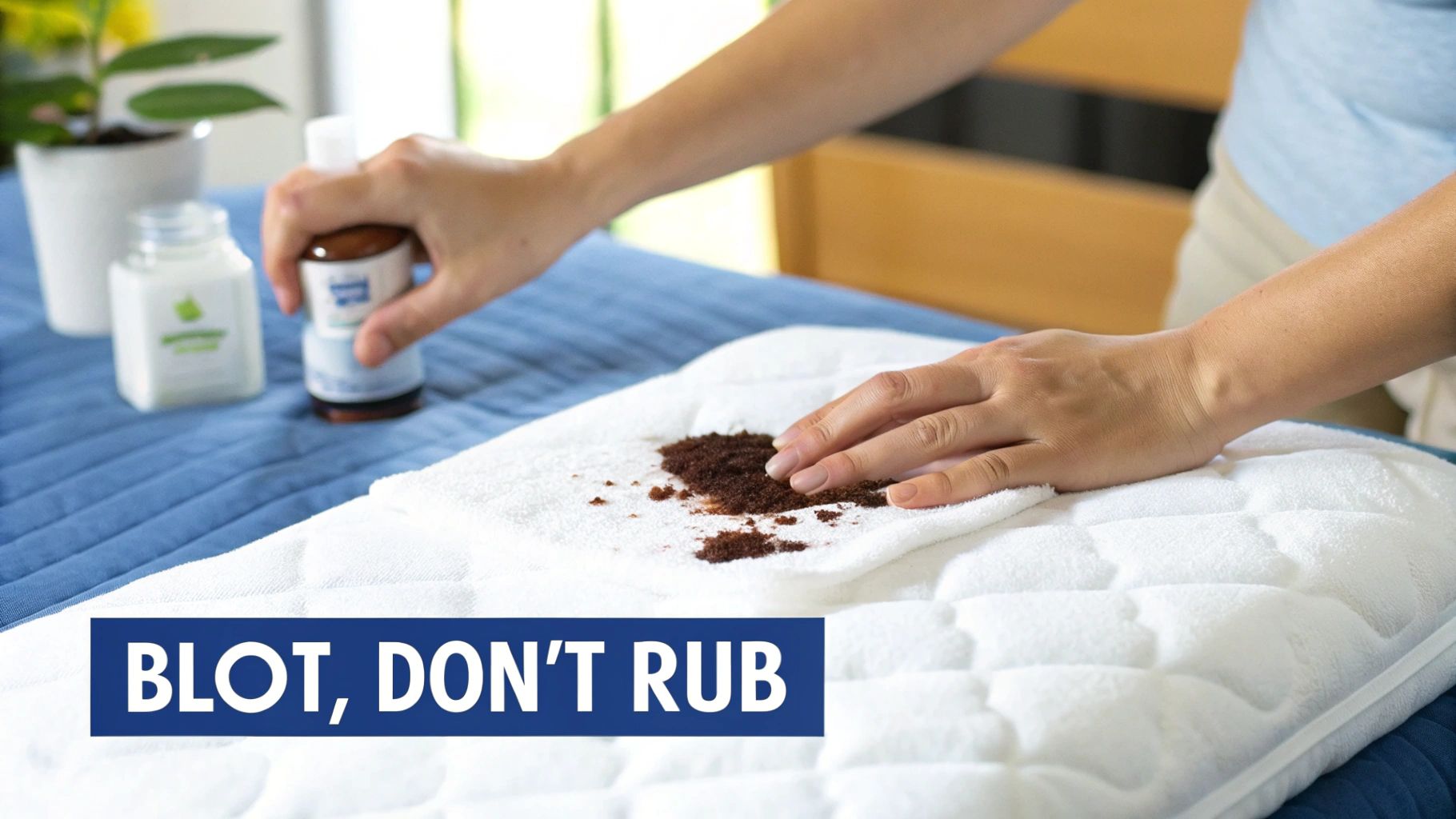
The foam core must never be soaked or machine washed. Water causes mold, disintegration, and permanent odors.
Vacuum the Foam First
Use an upholstery attachment on low suction. Go over the entire surface to remove dust, hair, and dead skin. This prevents debris from being driven deeper during spot cleaning.
Dab Stains Gently
Mix a few drops of mild detergent with lukewarm water. Dip a microfiber cloth in the solution and wring it out until barely damp. Gently dab stained areas without scrubbing, as scrubbing tears foam apart. Use a second cloth with clean water to wipe away soap residue, then blot with a dry towel to absorb moisture.
Never use bleach, hydrogen peroxide, or disinfectant sprays on foam. These chemicals break down the foam structure.
Handle Accidents Immediately
If liquid spills on the pillow:
1. Press dry towels firmly onto the spot to absorb as much liquid as possible
2. Repeat with fresh towels until no moisture transfers
3. Air-dry immediately using the method described below
4. If odor develops, treat with baking soda
Dry Both Components Properly to Prevent Mold

Improper drying is the leading cause of bamboo pillow failure. Mold, mildew, and musty smells develop in damp foam.
Dry the Foam Insert
Place the foam flat on a clean, dry surface in a well-ventilated room. Use a fan to circulate air across the foam rather than blowing directly into it. Rotate the foam every 4 to 6 hours for even drying.
Do not use a hair dryer, heater, or direct sunlight. Heat warps and damages foam permanently. Dry time ranges from 24 to 48 hours depending on thickness. Test for dryness by pressing the center. If it feels cool or damp, continue drying.
Dry the Bamboo Cover
For air-drying, hang or lay flat and flip sides every hour to speed drying. For tumble-drying, use low heat for 10 to 15 minutes with a dry towel to absorb moisture. Remove promptly to avoid wrinkles. Do not over-dry, as high heat weakens fibers and causes pilling.
Deodorize and Refresh Your Bamboo Pillow
Even without visible stains, pillows absorb sweat and body odors over time. Refresh between washes.
Use Baking Soda
Sprinkle baking soda lightly over the foam surface. Let sit for 30 minutes, or up to 2 hours for strong odors. Vacuum thoroughly with an upholstery attachment to remove all residue. Baking soda naturally pulls out oils and neutralizes odors.
Air in Sunlight
Place the foam or covered pillow in indirect sunlight for 1 to 2 hours. UV rays kill bacteria and freshen the fabric. Avoid direct sun, which fades bamboo fibers and weakens foam.
Try a DIY Fabric Spray
Mix equal parts water and white vinegar in a spray bottle. Lightly mist the foam surface without soaking. Air dry completely. The vinegar smell dissipates quickly.
Refresh your pillow every 1 to 2 months or when it starts smelling stuffy.
Maintain Shape and Loft with Weekly Fluffing
Bamboo pillows lose support without regular maintenance. Keep them fluffy and firm.
Fluff by Hand Weekly
After sleeping, foam compresses. Every week, remove the cover and pull apart any clumped pieces of shredded foam. Reshape to your preferred loft and replace the cover. For shredded foam, this prevents clumping and maintains even distribution.
Use Air-Fluff Cycle for Foam
Some brands allow placing the foam only in a dryer on a no-heat, air-fluff setting for 10 to 15 minutes. This restores bounce and softens the pillow over time. Never add heat, as it melts foam bonds.
Revitalize the Cover
Place the empty bamboo cover in the dryer with 2 to 3 wool dryer balls on low heat for 10 minutes. This restores softness and reduces static.
Regular fluffing can extend pillow life to 2 to 3 years.
Adjust Firmness Based on Your Sleep Position
Many bamboo pillows allow customization of firmness and loft.
Modify Foam for Your Sleep Style
• Stomach sleepers: Remove foam to achieve lower height (1 to 2 inches) and prevent neck strain
• Back sleepers: Keep medium loft and create a slight dip for head support while maintaining neck alignment
• Side sleepers: Add extra foam on your preferred side for proper head and neck alignment
• Hybrid sleepers: Build dual-loft with higher support on one side and flatter support on the other
Store removed foam in an airtight ziplock bag under the bed or in a drawer for future use.
Long-Term Care Tips to Prevent Damage
A bamboo pillow lasts 2 to 3 years with proper maintenance.
Use a Pillow Protector
Wear a waterproof or bamboo protector under your pillowcase. This blocks sweat, oils, and allergens, reducing wash frequency and preventing odor buildup.
Wash Pillowcases Weekly
Sweat and facial oils transfer through pillowcases. Weekly washing keeps the pillow cleaner longer and reduces the need for deep cleaning.
Rotate Monthly
Turn the pillow head-to-toe every month to balance wear and prevent permanent indentations from forming.
Store Properly
When traveling or rotating bedding, place the pillow in a breathable cotton bag or clean pillowcase. Avoid plastic, which traps moisture and encourages mold growth. Keep in a cool, dry place away from sunlight.
Avoid sleeping with wet hair, eating in bed, or using heavy hair products, as these increase moisture and stains.
Recognize When to Replace Your Bamboo Pillow
Even well-maintained pillows eventually wear out.
Perform the Rebound Test
Press down on the foam with your palm. If it doesn’t return to its original shape within 30 seconds, the foam has lost its supportive properties.
Watch for Replacement Signs
• Persistent musty smell that returns after cleaning
• Visible lumps, tears, or sagging
• Cover that is frayed or zipper that is broken
• Foam that feels gummy or disintegrates when touched
With regular care, bamboo pillows typically last 2 to 3 years. Without proper care, they may need replacement in under one year.
Brand-Specific Care Guidelines
Always follow your specific model’s care label, but here are general recommendations.
Panda London
Machine wash the cover in cold water with mild detergent. Hand wash the foam only, never machine wash. Air-dry for 48 hours. Avoid bleach.
Cosy House
Machine wash the cover in cool water and tumble dry on low. Spot clean foam only. Use the air-fluff cycle to restore loft. Their three-layer foam design resists flattening.
Ecoy and Similar Brands
Machine wash the cover on gentle cycle. Hand wash foam with a damp cloth and air-dry for 24-plus hours. Separable design makes cleaning straightforward.
Sealed Models Without Zipper
Spot clean the entire pillow only. Use a fabric refresher spray. Focus on surface cleaning and never soak the pillow.
Essential Do’s and Don’ts for Bamboo Pillow Care
Keep this checklist handy for trouble-free cleaning.
Do:
• Wash cover every 2 to 4 weeks
• Spot-clean foam with a barely damp cloth
• Air-dry foam for 24 to 48 hours
• Use a pillow protector
• Fluff foam weekly
• Follow the care label exactly
Don’t:
• Machine wash the foam insert
• Use bleach or hot water on any component
• Use a dryer on foam
• Skip the thorough drying step
• Ignore odors or stains
• Assume all bamboo pillows have identical care requirements
Frequently Asked Questions About Washing Bamboo Pillows
Can I put my bamboo pillow in the washing machine?
Only the cover can be machine washed. The foam insert must never be submerged or machine washed. Always remove the foam before washing the cover.
How long does it take for a bamboo pillow foam insert to dry?
Memory foam typically takes 24 to 48 hours to dry completely when air-dried in optimal conditions with good airflow and low humidity.
What happens if I machine wash the foam insert?
Machine washing foam causes it to clump, lose shape, and may develop mold from trapped moisture. The foam can become unusable and lose all supportive properties.
How often should I wash the bamboo cover?
Wash the cover every 2 to 4 weeks, or more frequently if you use a pillow protector. Weekly pillowcase washing reduces how often the cover needs cleaning.
Can I use bleach on my bamboo pillow cover?
No. Bleach weakens bamboo fibers and can cause yellowing. Use mild, fragrance-free detergent instead.
How do I know when it’s time to replace my bamboo pillow?
Replace when the foam no longer rebounds after compression, persistent odors remain after cleaning, or visible lumps and sagging appear. Most bamboo pillows last 2 to 3 years with proper care.
Key Takeaways for Washing Your Bamboo Pillow
Cleaning a bamboo pillow is straightforward when you follow the essential rules. Only the removable cover goes in the washing machine using cold water and gentle detergent. The memory foam insert requires spot-cleaning with a barely damp cloth and must be air-dried for 24 to 48 hours to prevent mold and damage. Weekly fluffing, monthly deodorizing with baking soda, and using a pillow protector will keep your bamboo pillow fresh, supportive, and comfortable for years. Stick to cold water, low heat settings, and patience throughout the process. Your bamboo pillow will reward you with cool, restful sleep wash after wash.