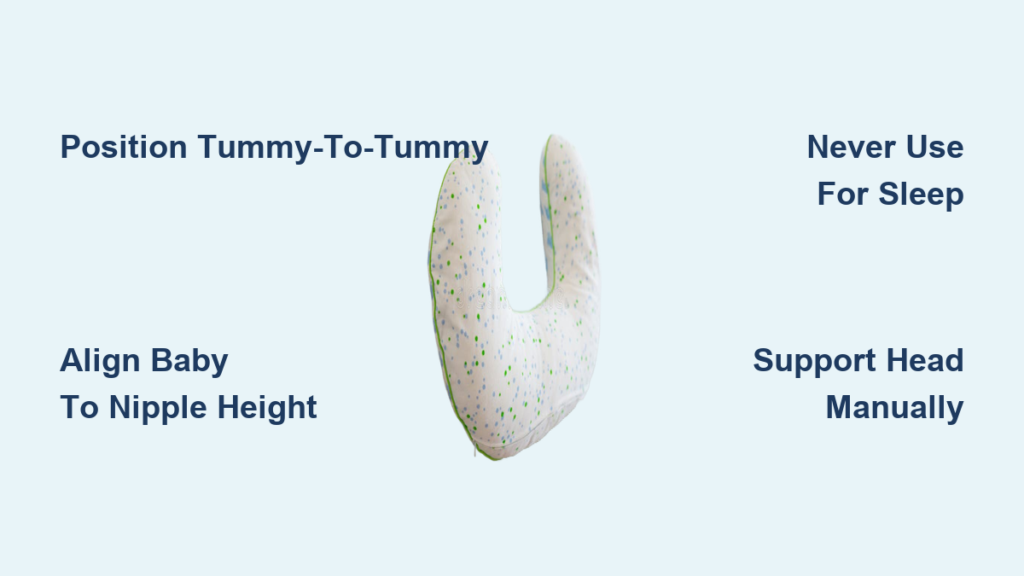
If you’re a new parent or caregiver, you’ve likely heard about the feeding pillow, but you might not be sure exactly how to use a feeding pillow safely and effectively. Designed to support your baby during breastfeeding or bottle-feeding, this ergonomic tool reduces strain on your arms, back, and neck while helping your infant latch properly and feed comfortably. With up to 12 feeding sessions a day in early infancy, using a feeding pillow can make a significant difference in your physical well-being and your baby’s feeding success.
This guide walks you through every step of using a feeding pillow correctly, from positioning and posture to safety rules and cleaning. You’ll learn which positions work best, how to avoid common mistakes, and why this simple tool is more than just a comfort item. It’s a key ally in healthy, sustainable feeding.
Choose Your Feeding Location
Pick a quiet, consistent spot for feeding, like a supportive armchair, couch, or bed. A dedicated location helps create routine, especially during nighttime feeds. Keep essentials within reach: water, burp cloths, diapers, and a phone. Avoid distractions like bright lights or loud screens to help both you and your baby stay calm and focused.
Make sure your chair offers good back support. If it doesn’t, place a small cushion behind your lower back. Your feet should be flat on the floor or elevated on a footstool so your knees are slightly higher than your hips. This posture supports your spine and reduces lower back strain during long feeding sessions.
Position the Pillow Correctly

Sit down and center the feeding pillow across your lap. Wrap it around your waist if it’s designed to do so. Most U-shaped or sea-shaped pillows rest snugly in front and along your sides. The Boppy and My Brest Friend are popular examples of this design.
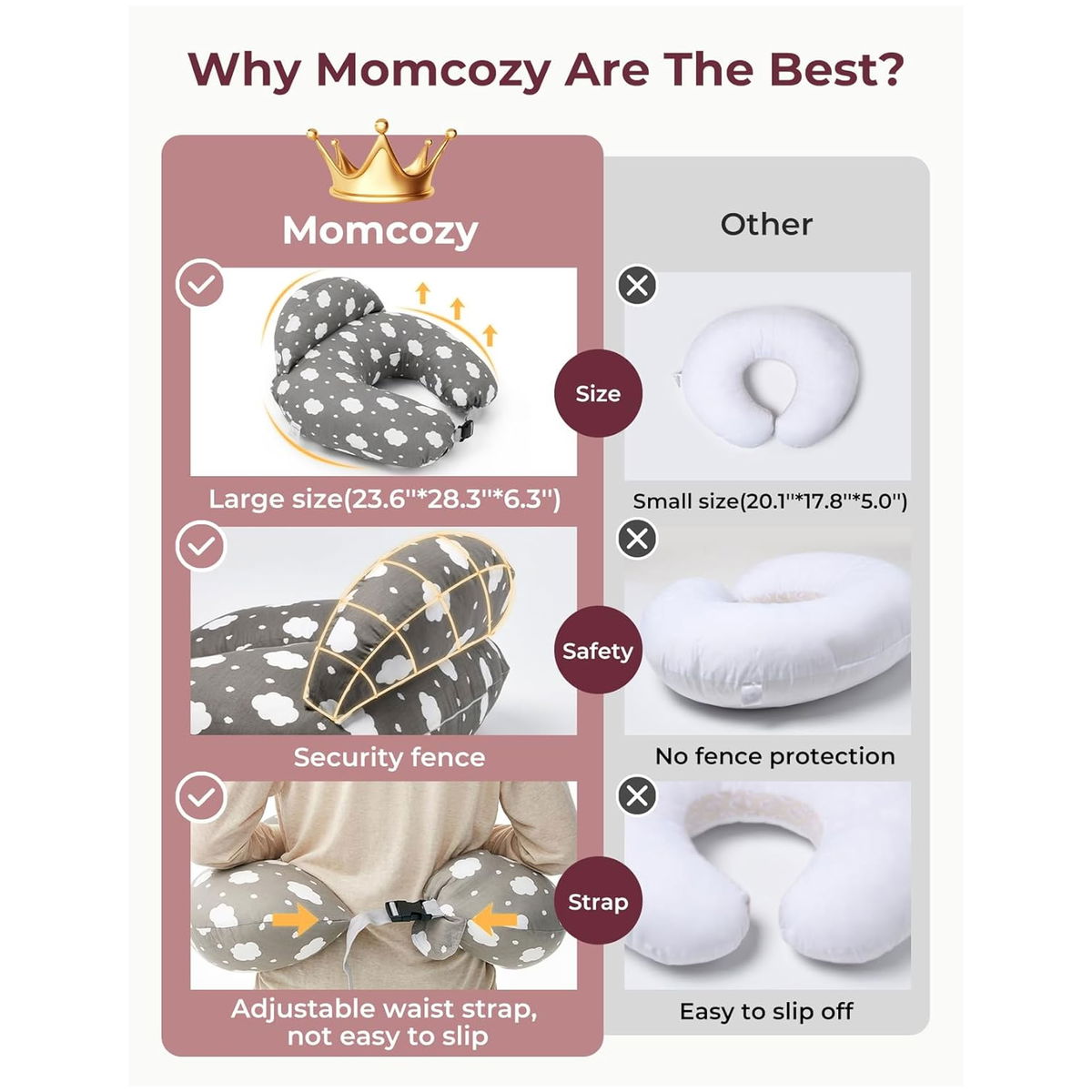
If your pillow has adjustable straps, ties, or Velcro fasteners, secure them around your waist. The fit should be firm enough to prevent slipping but not so tight that it’s uncomfortable. For example, some pillows use dual ties and a loop fastener to accommodate postpartum body changes without restricting movement.
Avoid placing the pillow too high or too low. Its front edge should align with your mid-abdomen, ready to support your baby at breast or bottle level.
Adjust for Proper Height Alignment
The goal is to bring your baby up to your nipple height, not to lean down to them. When the baby is positioned on the pillow, their nose should be level with your nipple. This alignment supports a deep, effective latch and prevents hunching.
If the pillow is too low, try these solutions:
• Place a folded towel or small cushion underneath
• Sit cross-legged to raise your lap height
• Use a higher chair or add a booster under the seat
You’re positioned correctly if you can kiss your baby without leaning forward. This “close enough to kiss” rule ensures proper ergonomics and reduces long-term strain on your back and shoulders.
Secure the Pillow
Some pillows, like the My Brest Friend or MomCozy MaxSupport, come with waist straps designed to keep the pillow stable during feeding. Fasten these securely, but remember: the strap is for you, not the baby. Never use ties, clips, or fasteners to restrain the infant. These can pose strangulation risks and defeat safe feeding practices.
A stable pillow means less shifting during feeds, allowing you to focus on your baby rather than readjusting the cushion every few minutes.
Position the Baby Safely
Always place your baby tummy-to-tummy, facing you, with their body in a straight line from ear to shoulder to hip. This neutral spine alignment supports healthy digestion and proper latching.
Support your baby under their bottom or neck with the crook of your arm. The feeding pillow supports your arm, not the baby’s head or torso independently. In the first 6 to 8 weeks, always keep one hand on your baby’s head and neck. Do not rely on the pillow alone to hold them in place.
Never allow the baby to lie face-down or unattended on the pillow. Even a slight tilt can obstruct their airway.
Cradle Hold: Classic Feeding Position
Rest the baby’s head in the crook of your elbow on the same side as the breast you’re using. Their body lies along your forearm, supported by the feeding pillow.
• Pillow role: Takes the weight of your arm after latching
• Best for: Babies who latch easily and have good head control
• Tip: Use the “breast sandwich” technique to guide a better latch
Cross-Cradle Hold: Ideal for Newborns
Use the opposite arm to support the baby. For example, use your left hand for the right breast. Cradle their head in your palm and support their back with your forearm.
• Pillow role: Reduces fatigue in the supporting arm, crucial when guiding a newborn to latch
• Best for: First-time feeders, C-section recovery, or low milk supply
• Tip: This position gives you more control over head alignment and is often recommended by lactation consultants
Football Hold: Abdominal Relief
Tuck the baby under your arm like a football, with their legs extending behind you. Position them at your side, facing your breast.
• Pillow role: Rotate the pillow vertically to support the baby’s back and your forearm
• Best for: Cesarean recovery, large-breasted parents, or twin feeding
• Tip: Place a small towel under the baby’s head for extra height if needed
Older-Child Seated Nursing
Once your child can sit with support, use the feeding pillow to elevate them during nursing.
• Pillow role: Provides back and body support for both you and your toddler
• Best for: Extended nursing into the second year
• Tip: This position works well with larger, full-length pillows
Use for Bottle Feeding Too
A feeding pillow isn’t just for breastfeeding. It’s equally valuable during bottle-feeding, especially for partners, grandparents, or caregivers who may not have the same arm endurance.
Place the baby on the pillow, support their head manually, and hold the bottle at a slight angle to prevent air swallowing. The pillow reduces shoulder and wrist strain, making nighttime or prolonged feeds more comfortable for all caregivers.
Avoid Common Mistakes

Never Use the Pillow for Sleep
This is the most critical rule. Never let your baby sleep on a feeding pillow. Even a brief nap poses a suffocation risk. The U.S. Consumer Product Safety Commission and American Academy of Pediatrics warn that soft, inclined surfaces can obstruct an infant’s airway.
Feeding pillows are not sleep products. Always transfer your baby to a firm, flat sleep surface like a crib or bassinet after feeding.
Never Prop the Baby Unattended
Never prop your baby on the pillow and walk away. Even a 10-second distraction can lead to rolling or airway blockage. Always keep one hand on your baby, especially in the first two months.
Avoid Unsafe Models
Avoid older or soft pillows marketed as both feeding and lounging aids. These fail current safety standards due to excessively soft fill, narrow openings that trap infants, and lack of clear warning labels.
Stick to CPSC-compliant models like the Boppy New Nursing Pillow, My Brest Friend, or MomCozy MaxSupport.
Clean and Maintain the Pillow
Hygiene matters. Milk spills, spit-up, and drool can quickly soil the pillow.
Wash the Cover Regularly
• Remove the cover and machine-wash every 1 to 2 weeks or immediately after soiling
• Use cold or warm water with mild detergent
• Air dry or tumble dry on low
Spot Clean the Core
• Never submerge the inner cushion
• Wipe with a damp cloth and baby-safe cleaner
• Let it air dry completely before replacing the cover
Deep clean the core monthly or as needed. A well-maintained pillow can last 2 years or more, even with daily use.
Know When to Stop Using It
Most parents phase out the feeding pillow between 3 to 6 months. By this age, babies typically have strong neck control, can sit with support, and feed more quickly.
However, some continue using it for bottle-feeding older infants, nursing toddlers, or back support during seated play.
If your baby starts trying to climb over or roll off the pillow, it’s time to retire it for feeding purposes.
Repurpose for Long-Term Value
High-quality feeding pillows offer lasting value beyond infancy.
• As a body pillow for sleep during future pregnancies or adult back support
• For toddlers during reading, seated feeding, or tummy time with supervision
• For caregivers needing lumbar or hip support during rest
Pillows designed for multi-stage use offer excellent return on investment.
Choose the Right Pillow for You
Not all feeding pillows are created equal. Your choice should depend on your body type, feeding method, and lifestyle.
Nursing-Only Pillows
• Compact, lightweight, easy to move
• Best for focused feeding sessions
• Limited versatility but highly portable
Wrap-Around Pillows
• Firm, flat surface with waist strap
• Excellent stability and alignment
• Lactation consultant-recommended
Full-Body Pillows
• C-shaped or U-shaped, supports entire torso
• Doubles as pregnancy support
• Bulkier but highly durable
Table-Style Pillows
• Rectangular, broad surface
• Ideal for larger babies or active movers
• Less contouring but more space
Look for firm fill, removable washable cover, adjustable closure, and clear safety labels stating “Not for Sleep” and “Use Under Supervision.”
Follow Safety Guidelines Strictly
Do
• Supervise your baby at all times
• Use only during active feeding
• Check for stability before each use
• Follow manufacturer instructions
Don’t
• Leave baby unattended
• Use in cribs, bassinets, or playpens
• Allow infant to sleep on it
• Use restraints or straps on the baby
As of 2021, compliant feeding pillows must have a wide opening that fits an adult waist, no infant restraints, and permanent warning labels.
Maximize Comfort and Success
Pro Tips from Parents and Experts
• Practice positioning during the day before attempting night feeds
• Keep a towel or small pillow nearby for height adjustments
• Hydrate during feeds by keeping water within reach
• Combine pillow use with other supports like rocking chairs or babywearing
Who Benefits Most
• Parents recovering from C-sections
• Those with back, shoulder, or arm pain
• Caregivers with less feeding experience
• Families feeding multiples
Lactation consultant Mina Ognjanovic Jasovic emphasizes that a firm, flat nursing pillow supports ideal alignment and reduces the risk of poor latch or rolling.
Final Takeaways on Using Your Feeding Pillow
Using a feeding pillow correctly transforms feeding from a physically taxing routine into a comfortable, bonding experience. When used as intended, under supervision, with proper alignment, and never for sleep, it becomes an essential tool for early parenting.
The most important points to remember are positioning your baby tummy-to-tummy with spine aligned, adjusting height so you can kiss their forehead without leaning, always supporting the baby’s head manually in the early weeks, and never allowing sleep on the pillow. Choose CPSC-compliant, firm, washable models for the best safety and durability.
Most parents use their feeding pillow for 3 to 6 months, but high-quality options can be repurposed for pregnancy support, toddler use, or adult comfort. A feeding pillow isn’t just a convenience. It’s an ergonomic investment in your health, your baby’s development, and your long-term feeding success.
Frequently Asked Questions About Using a Feeding Pillow
At what age should I start using a feeding pillow?
You can start using a feeding pillow immediately after birth. It’s especially helpful in the first 6 to 8 weeks when feeding frequency is highest and babies lack head control.
How long can a baby stay on a feeding pillow?
A baby should only be on a feeding pillow during active feeding sessions. Never leave a baby unattended on a pillow, and never allow them to sleep on it. Always transfer to a crib or bassinet after feeding.
Can I use a feeding pillow for bottle-feeding?
Yes, feeding pillows work well for bottle-feeding. They reduce strain on the caregiver’s arms, shoulders, and wrists, making them valuable for partners, grandparents, or anyone feeding the baby regularly.
When should I stop using a feeding pillow?
Most parents stop using the feeding pillow between 3 to 6 months when babies develop stronger neck muscles and can sit upright with minimal support. Some continue using it for bottle-feeding older infants or toddler nursing.
Are all feeding pillows safe to use?
No. Only use CPSC-compliant pillows with firm fill, wide openings, and clear warning labels. Avoid older models marketed as both feeding and lounging aids, as these pose suffocation risks. Recommended safe models include Boppy New, My Brest Friend, and MomCozy MaxSupport.
How do I clean my feeding pillow?
Remove the cover and machine-wash it every 1 to 2 weeks or immediately after soiling. Spot clean the core with a damp cloth and mild soap. Never submerge the inner cushion, and ensure it Air dries completely before reattaching the cover.