If you have recently purchased the Elviros cervical memory foam pillow, you might be wondering why it feels different from every pillow you have owned before. The truth is, this is not a typical pillow. Its unique butterfly-shaped design and dual-height contours are engineered specifically to support your neck and head in a way that mimics professional ergonomic care. However, using it incorrectly can lead to discomfort, neck strain, or simply a wasted investment.
This guide covers everything you need to know about how to use elviros pillow for your specific sleeping position. You will learn exactly which side to use, how to position your head, what to expect during the adjustment period, and how to maintain your pillow for years of better sleep.
Choose Your Sleeping Position First
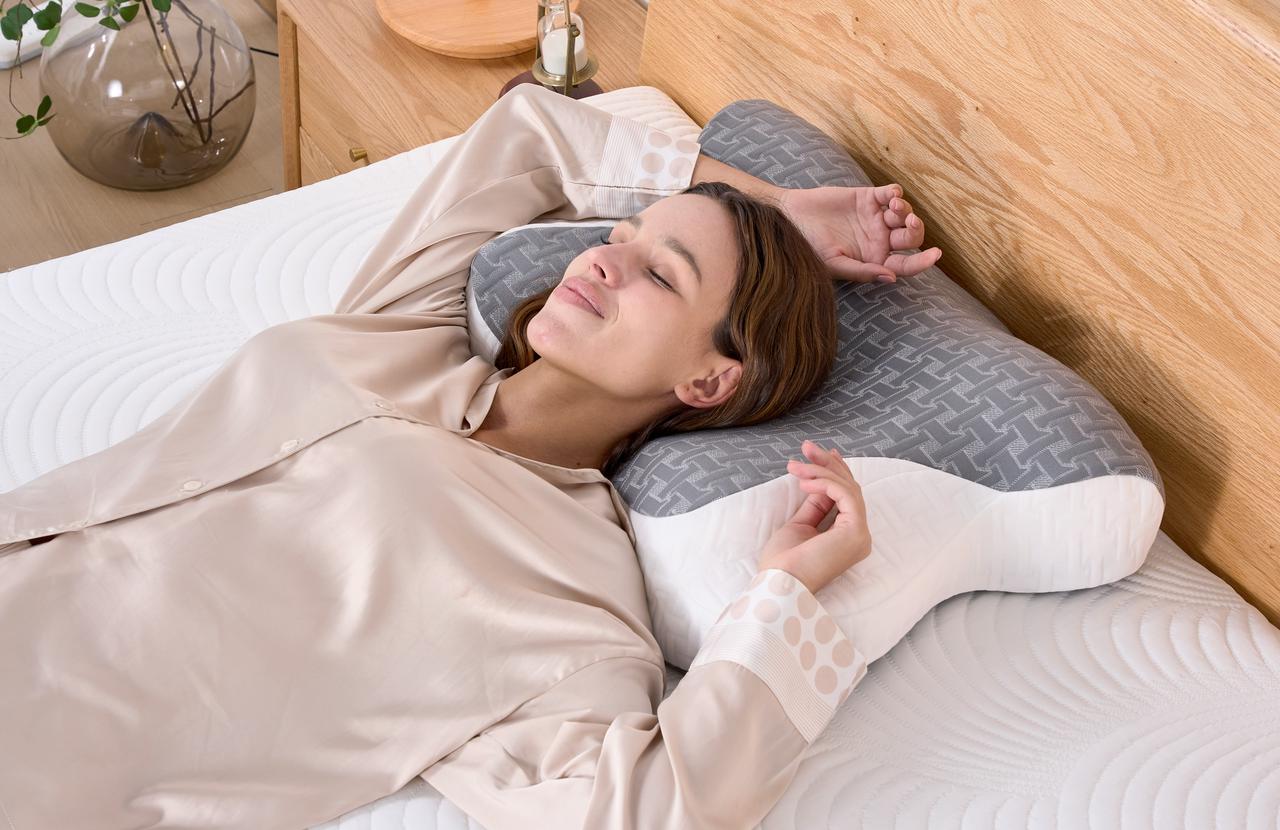
Before placing the pillow on your bed, you must determine your primary sleeping posture. This decision dictates how you will orient the pillow and which side to use. The Elviros pillow is specifically designed for back and side sleepers only.
Back Sleepers: Align Neck on Lower Side
If you sleep on your back, position the Elviros pillow so the lower contoured side supports your neck. This side measures approximately 4.1 inches in height. Place your head gently into the central cavity, which is the dip in the middle of the pillow, while letting your neck rest fully on the raised wing beneath it.
This setup maintains the natural C curve of your cervical spine. Your chin should remain level with the floor, not tucked toward your chest. If your head tilts forward, the pillow is too high. If your neck feels stretched upward, it is too low.
Place your hand behind your neck while lying down. You should feel snug support without pressure. If your hand slides easily, the fit is correct.
Side Sleepers: Use the Higher Loft Side
For side sleeping, rotate the pillow so the taller side is under your neck and shoulder. This side measures approximately 4.9 inches in height. Slide your shoulder slightly into the curve of the pillow so your head stays in line with your spine.
This prevents your head from dropping toward the mattress, which causes strain on neck muscles and joints. The elevated wing fills the gap between your shoulder and ear, keeping your spine neutral.
Have someone take a photo of you lying on your side. Your ear, shoulder, and hip should form a straight vertical line.
Stomach Sleepers: Not Recommended
The Elviros pillow is not suitable for stomach sleepers. Its raised edges force your neck into an unnatural upward bend, increasing strain and potentially worsening pain over time. If you are a stomach sleeper, consider transitioning to back or side sleeping or choose a flatter, softer pillow instead.
Flip and Adjust for Best Fit

One of the standout features of the Elviros pillow is its dual-height design, allowing customization without buying two pillows. Understanding this feature is essential to learning how to use elviros pillow effectively.
Dual Loft Design: Pick the Right Height
Use these guidelines to pick your ideal loft. The low loft of 4.1 inches works best for back sleepers, lighter individuals, or those with narrow shoulders. The high loft of 4.9 inches is ideal for side sleepers, broader frames, or people over 5’6″ tall.
You can flip the pillow nightly depending on your position, but avoid alternating between the Elviros and a soft pillow during the adjustment phase. Doing so delays acclimation.
Butterfly Shape: Center Your Head Properly
The pillow contoured butterfly shape has three key zones. The central cavity cradles the base of your skull. The raised wings support the cervical spine. The gradual slopes allow smooth head movement within limits.
Make sure your head sits fully in the center. Do not let it hang off the edge or rest only on the wing. Misalignment defeats the pillow is purpose.
Never stack another pillow underneath. This alters the designed angle and may cause discomfort.
Expect an Adjustment Period
Even if the pillow feels awkward at first, commit to using it every night for at least 7 to 14 days. Your body is retraining muscle memory to maintain a healthier neck posture. This is a crucial part of understanding how to use elviros pillow correctly.
Signs You Are Adjusting Well
After the first week, look for reduced morning neck pain. Fewer instances of waking up with a crick indicate improvement. Feeling more rested upon waking is a positive sign.
If discomfort persists beyond two weeks, double-check your sleeping position and pillow orientation. The firmness may feel rigid at first because the high-density foam resists compression. Give it time to mold to your shape.
Maximize Comfort and Support
Your mattress plays a big role in how well the Elviros pillow works. Understanding how to use elviros pillow alongside proper mattress support maximizes results.
Pair with the Right Mattress
For best results, use a medium-firm mattress that offers balanced support. Avoid overly soft or sagging beds because they increase spinal misalignment. If your mattress sags at the shoulders, consider adding a topper.
Use a Compatible Pillowcase
The Elviros pillow unusual shape does not fit standard pillowcases. Look for stretchable, oversized cases labeled contour or cervical. Materials like bamboo-derived rayon or jersey knit work well for breathability. Ensure the cover is removable and machine-washable if not included.
Improve Airflow and Reduce Heat
Memory foam retains heat, but you can minimize this. Choose a cover with cooling fabric such as bamboo or TENCEL. Use the pillow in a well-ventilated room. Consider models with ventilation channels if available.
Clean and Maintain Properly
Proper maintenance ensures your pillow lasts its full lifespan while remaining hygienic.
Spot-Clean the Foam Core
Never soak or machine-wash the memory foam core. To clean, dampen a cloth with mild soap and water. Gently wipe stained areas. Blot dry with a towel. Let air dry completely away from direct sunlight.
Avoid bleach, alcohol, or dry cleaning. These degrade foam over time.
Wash the Cover Regularly
If your Elviros pillow has a removable cover, machine wash in cold water on gentle cycle. Use mild detergent. Air dry or tumble dry on low heat. Wash every 1 to 2 weeks to prevent buildup of oils, sweat, and allergens.
Know When to Replace It
High-density memory foam lasts longer than traditional fillings, but it does not last forever. Understanding when to replace your pillow is part of knowing how to use elviros pillow effectively.
Lifespan: 18 to 24 Months
Replace your Elviros pillow every 1.5 to 2 years, even if it looks fine. Pillows collect dead skin, dust mites, and bacteria over time. Regular replacement supports both comfort and health.
Signs It Is Time for a New Pillow
Look for permanent indentations in the neck zone. Sagging or lopsided shape indicates degradation. Loss of firmness or rebound affects support. Visible cracks or crumbling foam require immediate replacement. Lingering odors after cleaning suggest bacterial buildup.
Who Should and Should Not Use This Pillow
The Elviros pillow works best for specific users. Knowing whether you fall into this category is essential to learning how to use elviros pillow successfully.
Ideal Users
This pillow works best for back sleepers with forward head posture. Side sleepers experiencing shoulder or neck pain see significant benefits. Adults with chronic stiffness or desk-related strain find relief. Anyone seeking non-invasive postural support benefits from this design.
It is especially helpful for those recovering from minor neck injuries or adjusting to better ergonomics.
Not Recommended For
Avoid this pillow if you sleep on your stomach because it causes neck strain. Children under 12 years old should not use it because cervical pillows are not suited for developing spines. People who prefer ultra-soft, plush pillows will find this one too firm. Those who toss and turn constantly may struggle because the fixed shape limits free movement.
Consult a doctor before use if you have conditions like herniated discs, cervical radiculopathy, or spinal fusion.
Troubleshoot Common Issues
Knowing how to use elviros pillow means knowing how to fix common problems that arise during the adjustment period.
It Feels Too Firm
This is the most common complaint and is usually temporary. The high-density foam feels rigid at first because it resists compression. Give it 7 to 14 nights to adjust. Ensure you are using the correct side. Warm the foam slightly with body heat by lying on it consistently.
Over time, the foam molds more naturally to your shape.
My Head Feels Elevated
If your head feels propped up, you may be using the high side when you should use the low side. Check that your shoulders are not elevated. Your spine must stay neutral. Try adjusting your mattress or adding a thin pad if needed.
It Does Not Fit My Pillowcase
Standard cases will not work. Buy a contour-specific, stretchable pillowcase. Look for memory foam cervical pillow cover online. Choose deep-pocket or elasticized designs. Opt for breathable, hypoallergenic fabrics.
Final Tips for Success
Use the pillow consistently during the adjustment phase. Do not alternate with old pillows. Stick with the Elviros every night. Consistency accelerates adaptation.
Maximize results by pairing with good sleep hygiene. Sleep on a supportive mattress. Keep a regular sleep schedule. Avoid screens before bed. Practice neck stretches during the day.
Mild discomfort is normal during the adjustment period. Sharp pain or numbness is not. If symptoms worsen, stop use and consult a healthcare provider.
Frequently Asked Questions About the Elviros Pillow
How long does it take to adjust to the Elviros cervical pillow?
Most users need between 7 to 14 days to fully adjust, though some may take a few weeks to acclimate. Muscle memory must adapt to the new sleeping posture, and temporary discomfort is common during this time.
Can the Elviros pillow reduce snoring?
By promoting proper head and neck alignment, it may help keep the airway open, which can reduce snoring in cases related to positional obstruction. However, it is not a treatment for sleep apnea or medical-grade snoring disorders.
Is the Elviros pillow suitable for all ages?
It is primarily designed for adults and is not recommended for children under 12 years old due to differences in spinal development. Always consult a pediatrician or healthcare provider before use in minors.
Are ergonomic cervical pillows worth it?
Yes, for individuals who experience neck pain, poor sleep quality, or misalignment due to inadequate pillow support. They are especially valuable for back and side sleepers seeking structured, long-term postural benefits.
How often should you replace a cervical pillow?
Replace the pillow every 18 to 24 months, depending on usage, material quality, and signs of wear. Continued use beyond this period may compromise support and hygiene.
Do memory foam pillows help with sleep comfort?
Yes. Memory foam conforms precisely to the head and neck, offering customized pressure relief and minimizing motion transfer. This leads to fewer disturbances and more stable support throughout the night.
Key Takeaways for Using the Elviros Pillow
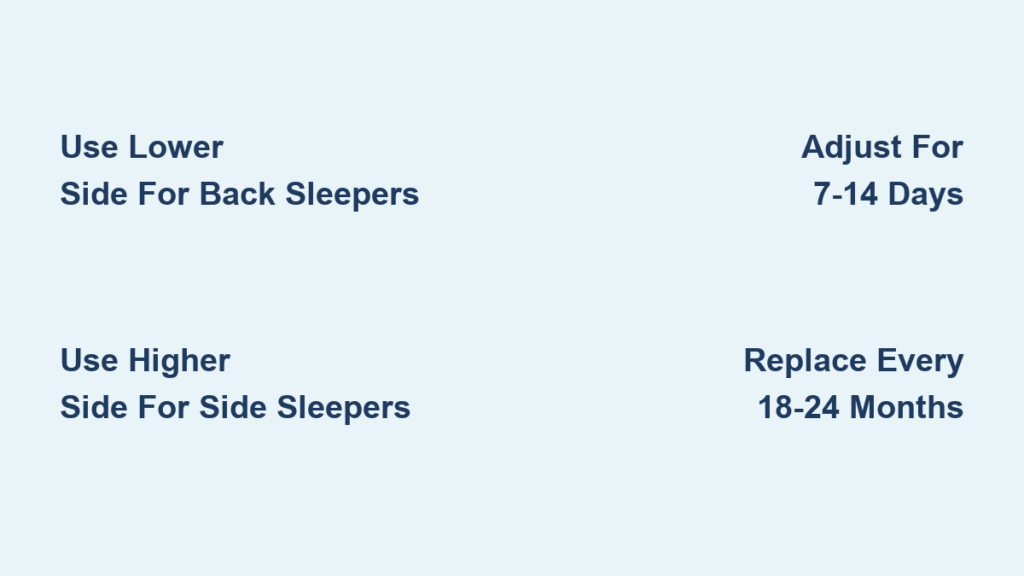
The Elviros cervical memory foam pillow delivers targeted support that traditional pillows cannot match when used correctly. Choose the lower loft side for back sleeping and the higher loft side for side sleeping. Allow 7 to 14 days for your body to adjust to the new support structure. Maintain the pillow by spot-cleaning the foam and washing the cover regularly. Replace the pillow every 18 to 24 months to ensure continued spinal support and hygiene.
Give the pillow time, follow these steps based on your sleep position, and you will likely find yourself waking up with less pain and more energy.