If you’ve just purchased a Tempur-Pedic neck pillow and are struggling to get comfortable, you’re not alone. Many buyers make the mistake of treating this therapeutic support device like a regular pillow, only to experience discomfort or give up too soon. The Tempur-Pedic neck pillow is engineered for spinal alignment and neck pain relief, not plush comfort. How you position it, select the right size, and adjust your sleep habits determines whether you wake up pain-free or frustrated. This guide covers exactly how to sleep on a Tempur-Pedic neck pillow based on your sleep position, body type, and adjustment period.
Choose the Right Tempur-Pedic Neck Pillow Size
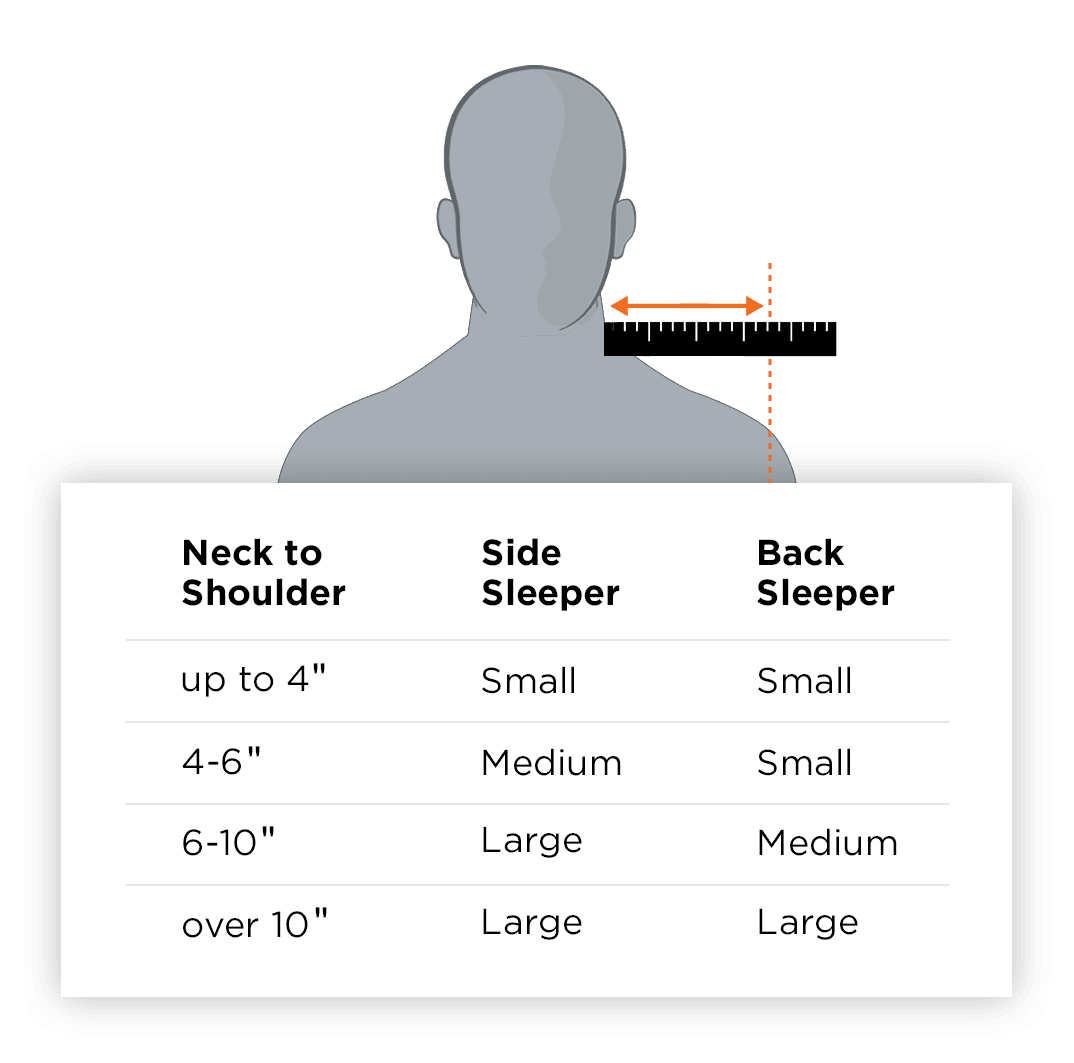
Selecting the correct pillow height is the foundation of proper use. A pillow that’s too tall or too short will misalign your spine, defeating the entire purpose of this ergonomic tool.
Measure Your Shoulder-to-Neck Distance
To find your ideal fit, lie on your side on a firm surface. Use a tape measure to calculate the distance from the base of your neck to the outer edge of your shoulder. Match this measurement to the pillow height:
- Small (3″): Best for narrow shoulders, petite frames, or back sleepers needing minimal lift
- Medium (4″): Ideal for average builds and most back and combination sleepers
- Large (4.5″): Designed for broad shoulders and side sleepers requiring greater neck elevation
Using the wrong size disrupts spinal alignment. Too low, and your neck tilts downward. Too high, and it bends unnaturally upward.
Get a Professional Fitting
Many users guess their size and end up with discomfort. Visit authorized retailers like Relax The Back, where sleep specialists assess your build, sleep position, and posture to recommend the perfect fit. This small step prevents weeks of trial and error.
Position the Tempur-Pedic Neck Pillow Correctly

The contoured design has specific sides for specific sleep positions. Understanding this distinction is crucial for achieving neutral spinal alignment.
Identify the Contoured Sides
The Tempur-Pedic neck pillow has two distinct sides:
- Shallow (lower) side: Designed for back sleepers
- Deep (taller) side: Meant for side sleepers
The central groove cradles your head while the raised ends support your neck and shoulders. Never flip it sideways or place it vertically.
Place It on a Firm Surface
Set the pillow on a flat, stable mattress. Medium-firm to firm mattresses work best. Soft or sagging mattresses cause body sinkage, which defeats the pillow’s ergonomic design by misaligning your spine.
Back Sleeping on Your Tempur-Pedic Neck Pillow
Back sleeping is the optimal position for this pillow. When done correctly, it maintains open airways, reduces pressure on cervical discs, and allows neck muscles to fully relax.
Use the Shallow Side Up
Flip the pillow so the shallower side faces upward. Center your head in the central dip. The raised edge should fully support the base of your skull, keeping your chin slightly elevated.
Check Your Alignment
From the side view, your nose should line up vertically with your sternum. Your forehead should be level with your chin. If your head tilts forward or backward, the pillow is likely the wrong height or positioned incorrectly.
Benefits of Correct Back Sleeping
Users who master back sleeping report reduced morning stiffness, less neck pain, and improved sleep continuity. One verified purchaser experienced complete pain relief within two nights after switching from a flat pillow.
Side Sleeping on Your Tempur-Pedic Neck Pillow
Side sleeping places greater demand on neck support due to the increased distance between your neck and the mattress. Getting this right prevents nerve compression and shoulder impingement.
Use the Deep Side Up
Rotate the pillow so the deeper, taller side faces up. Slide your neck into the highest part of the curve. Your head should rest gently in the center groove.
Align Ears Over Shoulders
When lying on your side, your ears should stack directly over your shoulders, creating a straight spine from neck to hips. If your head sinks toward the mattress, you need a taller pillow. If it’s lifted too high, switch to a smaller size.
Recommended Sizes for Side Sleepers
- Medium (4″): Narrow to average shoulders
- Large (4.5″): Broad shoulders or athletic builds
Athletes and those with upper-body strain often see the biggest improvements, including reduced post-workout soreness and less nerve irritation.
Combination Sleeping With Your Tempur-Pedic Neck Pillow
If you shift between back and side sleeping during the night, you can still benefit from this pillow with some adaptation.
Rotate the Pillow Based on Position
When you wake up in a different position, flip the pillow accordingly. Use the shallow side up for back sleeping and the deep side up for side sleeping.
Avoid Stacking Pillows
Adding a second pillow under the Tempur-Pedic defeats its design. Instead, use a body pillow to stabilize your position and reduce rolling.
Practice Nighttime Repositioning
During light sleep, train yourself to adjust the pillow. Over time, your body will naturally seek proper alignment.
Why Stomach Sleeping Is Not Recommended
Sleeping face-down forces your neck to twist sharply to one side. The contoured shape of the Tempur-Pedic pillow amplifies this rotation, increasing the risk of cervical strain, facet joint irritation, and nerve compression.
Transition to Safer Positions
If you’re a stomach sleeper, try these steps:
- Place a thin pillow under your pelvis to reduce spine curvature
- Gradually shift to side sleeping with the deep side of the Tempur-Pedic up
- Use a body pillow to prevent rolling back onto your stomach
If you cannot change positions, use a flat, soft pillow instead, but know it won’t provide therapeutic support.
Achieve Neutral Spinal Alignment
Proper alignment reduces strain on discs, joints, and muscles. Follow this setup protocol for optimal results.
The 7-Step Alignment Protocol
- Lay the pillow flat on a firm mattress
- Orient the correct side up (shallow for back, deep for side)
- Lie down slowly, letting your head sink naturally into the groove
- Check your side profile: nose aligned with sternum (back), ears over shoulders (side)
- Feel for pressure points: no discomfort at the skull base or shoulder tops
- Adjust position if needed
- Use consistently for 7 to 14 nights before judging comfort
Allow Time for Adjustment
If you’re used to plush or flat pillows, the Tempur-Pedic will feel too firm at first. This is normal. The pillow doesn’t collapse like memory foam. It supports.
Expect Initial Discomfort
You may feel mild stiffness as postural muscles adapt to proper alignment. This is not a sign that the pillow is wrong. It’s a sign your body is learning new habits.
Ease Into Full-Night Use
Start with short naps to let your body adjust. Gradually increase to full nights. Avoid reverting to your old pillow. Consistency is crucial for adaptation.
Most Users Adapt Within Two Weeks
Users who stick with it report less neck pain, fewer awakenings, better morning mobility, and deeper, more restorative sleep. If discomfort persists beyond 14 nights, recheck your size or sleep position.
Clean and Maintain Your Tempur-Pedic Neck Pillow
Proper care extends the pillow’s lifespan and maintains its therapeutic properties.
Wash the Cover, Spot Clean the Core
Remove and machine-wash the cover regularly. Spot clean the foam with a damp cloth and mild detergent. Never submerge, machine wash, or dry clean the foam, as this damages the TEMPUR Material.
Air Dry and Protect
Let the core air dry away from sunlight or heat. Use a breathable pillow protector to guard against sweat and oils.
Rotate Weekly for Even Wear
Flip the pillow end-to-end once a week. Though high-density foam resists flattening, this extends its lifespan.
Replace Every 3 to 5 Years
Signs it’s time for a new pillow include visible sagging, persistent odor despite cleaning, or increased discomfort. With proper care, many users get 5 or more years of support.
Who Should Use the Tempur-Pedic Neck Pillow
This pillow works best for specific users who can commit to the adjustment period and proper positioning.
Ideal Candidates
- Back or side sleepers seeking improved spinal alignment
- Chronic neck or shoulder pain sufferers
- Desk workers with forward head posture
- Athletes with upper-body strain
- Anyone recovering from neck injury
Not Ideal For
- Stomach sleepers who cannot change positions
- Those who want a soft, plush feel
- People unwilling to endure an adjustment period
Frequently Asked Questions About Sleeping on a Tempur-Pedic Neck Pillow
How long does it take to adjust to a Tempur-Pedic neck pillow?
Most users adapt within 7 to 14 nights. Expect initial firmness and mild stiffness as your postural muscles adjust to proper alignment. Start with short naps before transitioning to full nights.
Which side of the Tempur-Pedic neck pillow should I use?
Use the shallow (lower) side for back sleeping and the deep (taller) side for side sleeping. The contoured design specifically supports each position differently.
Can I use my Tempur-Pedic neck pillow on a soft mattress?
No. Soft mattresses cause body sinkage, which disrupts spinal alignment and defeats the pillow’s ergonomic design. Use it on a medium-firm to firm mattress for best results.
How do I know if I have the right pillow size?
Measure the distance from the base of your neck to the outer edge of your shoulder while lying on your side. Match this to the pillow height: Small (3″), Medium (4″), or Large (4.5″).
Can stomach sleepers use a Tempur-Pedic neck pillow?
Stomach sleeping is not recommended. The contoured design forces excessive neck rotation, which can cause cervical strain, joint irritation, and nerve compression.
How often should I replace my Tempur-Pedic neck pillow?
Replace every 3 to 5 years, or sooner if you notice visible sagging, loss of resilience, or increased discomfort despite proper positioning.
Key Takeaways for Sleeping on Your Tempur-Pedic Neck Pillow
The Tempur-Pedic neck pillow is a medical-grade support tool, not a comfort pillow. Success comes from matching the size to your body, using the correct side for your sleep position, and giving your body time to adapt. Choose the right height based on your shoulder-to-neck measurement, position the shallow side up for back sleeping and deep side up for side sleeping, and commit to at least two weeks of consistent use before judging results. When used properly, this pillow delivers lasting relief from neck pain, improves sleep quality, and supports long-term spinal health, making it a high-value investment in how you feel every morning.