Waking up to a flat, lifeless pillow can ruin your morning and compromise your sleep quality. Over time, even the fluffiest pillows lose their shape from nightly compression, moisture buildup, and normal wear. But before you toss that sad-looking cushion, know this: refluffing a pillow can restore its support, freshness, and comfort in just minutes. Whether you’re dealing with clumps, odors, or a pillow that looks deflated, the right technique brings it back to life.
This guide reveals the most effective, material-specific ways to refluff any pillow using simple hand techniques, your dryer, or natural sunlight. You’ll learn how to extend your pillow’s lifespan by up to 40 percent, keep it hygienic, and avoid common mistakes that cause irreversible damage. From down and fiberfill to shredded foam and buckwheat, we’ll show you exactly what works.
Quick Daily Fluffing Technique That Works in 60 Seconds
The fastest, safest way to keep any pillow plump is daily hand-fluffing. This method works for nearly all loose-fill pillows and takes less than a minute each morning.
Accordion Compression Technique
Hold the shorter edges of your pillow and push them together like a concertina. Quickly pull apart and compress again for 15 to 30 seconds. This motion forces air back into the fill, breaking up early compression. Rotate the pillow 90 degrees and repeat on the other sides to ensure even aeration.
Best for: Down, feather, fiberfill, shredded foam, and body pillows.
Avoid on: Solid memory foam or latex.
Knead and Punch for Lumps
Lay the pillow flat and use your fingertips to massage compacted areas in circular motions, just like kneading dough. For down or feather fills, gently punch the surface with your fist to loosen matted clusters. Finish with a light diagonal clap. Grab opposite corners and snap them together once or twice to fluff the core.
Pro tip: Do this over a clean surface to prevent dirt transfer. Pair it with flipping or rotating your pillow weekly to prevent uneven wear.
Dryer Method for Deep Pillow Restoration
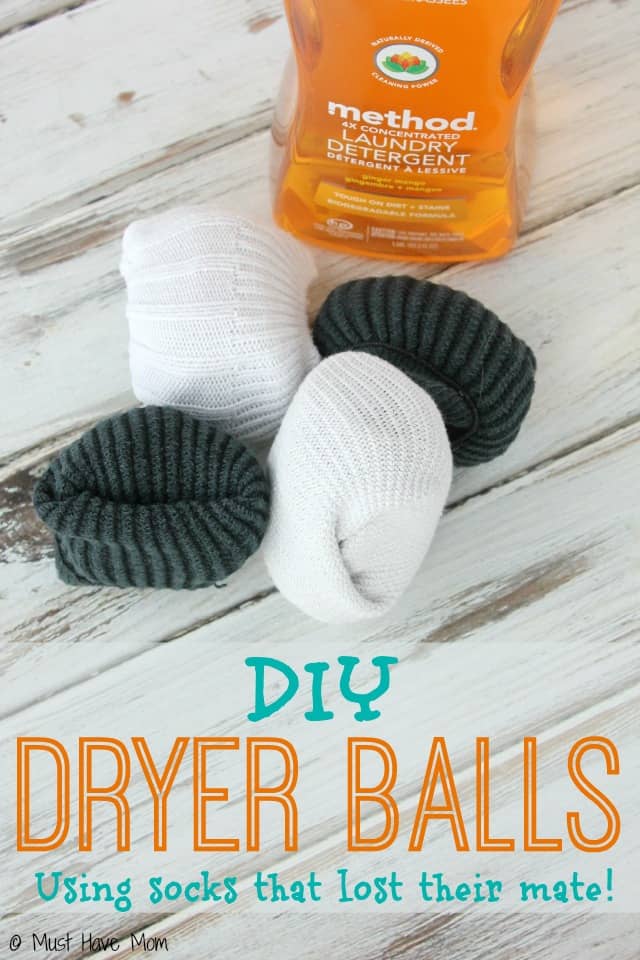
When hand-fluffing is not enough, especially after washing or long-term storage, use the dryer with agitation tools for powerful restoration.
Prepare Agitation Tools Safely
Never toss tennis balls directly into the dryer because they can scuff or stain fabric. Instead, place one to three clean tennis balls, rubber dryer balls, or wool dryer balls inside clean cotton socks. Tie the ends securely. This protects your pillowcase while allowing the balls to bounce and break up clumps.
Why wool balls win: They are quieter, chemical-free, and gentler than rubber. Though pricier at 10 to 20 dollars per set, they last hundreds of cycles and reduce drying time by 25 percent.
Dryer Settings by Pillow Type
| Pillow Type | Heat Setting | Time | Notes |
|---|---|---|---|
| Down/Feather | Low heat or air-fluff | 20-30 min | Prevents feather damage; wool balls preferred |
| Polyester/Fiberfill | Low heat | 20 min | Break up wet clumps by hand before drying |
| Shredded Memory Foam | Air-fluff only | 15-20 min | Never use high heat |
| Body Pillows | Low heat (if labeled safe) | 30 min | Load opposite each other for balance |
Never put solid memory foam or latex in the dryer. Heat above 180 degrees Fahrenheit can warp or melt foam. These pillows do not need fluffing. Replace if permanently indented.
Monitor and Reshape
Pause the cycle halfway to shake and reposition the pillow. This ensures even fluffing and prevents one side from staying compressed. After drying, finish with a quick hand-fluff to smooth out the surface and maximize loft.
Sunlight and Fresh Air Pillow Refresh

Sunlight and fresh air do more than make your pillow smell clean. They kill bacteria, reduce allergens, and help restore natural loft.
Sun-Airing Procedure
Remove the pillowcase. Place the pillow flat on a clean drying rack or hang it on a clothesline. Leave in direct sunlight for 2 to 4 hours, flipping halfway. Bring indoors and shake vigorously to redistribute fill.
Best results: Down, feather, and synthetic fills respond well. UV rays neutralize dust mites and mold spores, while solar heat gently expands fibers.
Limitations: Not effective for memory foam, latex, or buckwheat. Avoid on humid or rainy days because moisture counteracts the benefits.
Frequency: Every 3 to 6 months as part of seasonal bedding care.
Breaking Up Stubborn Pillow Lumps
Even with regular care, lumps form. Here is how to fix them fast.
Break Up Clumps by Hand
Lay the pillow flat and massage lumpy areas with your fingers. For wet pillows after washing, separate clumps before drying. This prevents hard spots and ensures even fluffing.
Use Dryer Balls for Stubborn Clumps
Run a 10-minute air-fluff cycle with tennis or wool balls to target persistent clumps. The bouncing action mimics deep tissue massage for your pillow.
Adjust Fill in Zippered Models
Some shredded foam, down, or fiberfill pillows have inner zippers. Open the cover, redistribute fill, or add extra stuffing if volume is low. This restores loft better than fluffing alone.
Material-Specific Pillow Fluffing Methods
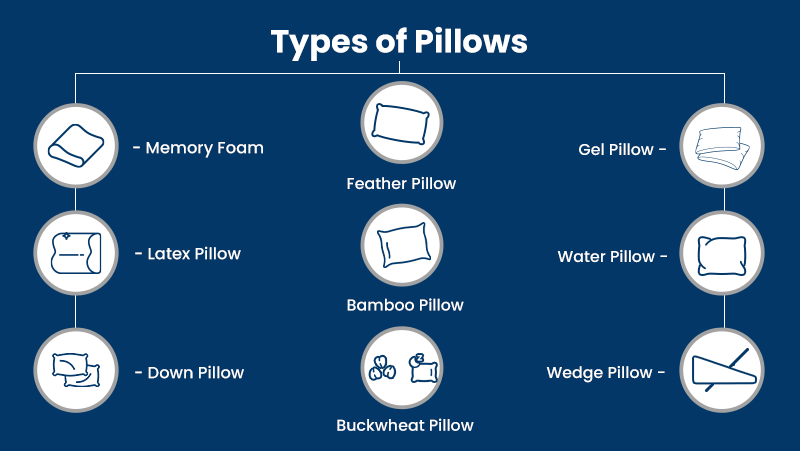
Not all pillows can be refluffed. Use this quick-reference guide to avoid damage.
Down and Feather: Fluff Daily
These natural fills are highly elastic and respond instantly to fluffing.
Method: Hand-fluff daily, dryer with wool balls on low heat, sun-air weekly.
Replace: Every 5 to 10 years with proper care.
Tip: Use a pillow protector because body oils degrade feathers over time.
Synthetic Fiberfill: Limited Recovery
Cheap polyester breaks down quickly and loses spring.
Method: Dryer with balls is most effective. Hand-fluff between washes.
Replace: Every 1 to 2 years.
Warning: If it stays flat after drying, it is time for a new one.
Shredded Memory Foam: Gentle Fluffing
Loose foam pieces can be redistributed.
Method: Hand-fluff or air-fluff with dryer balls.
Never use high heat because it can fuse pieces together.
Replace: Every 2 to 3 years.
Solid Memory Foam: No Fluffing Possible
This pillow supports with density, not fluff.
Can you refluff? No.
If flattened, it is permanently damaged. Replace it.
Never wash or dry the core. Only clean the cover.
Latex (Solid): No Need to Fluff
Natural latex resists compression and does not require fluffing.
Replace if cracked or deformed.
Shredded latex can be fluffed like shredded foam.
Buckwheat: Shake, Do Not Fluff
Hulls do not compress but settle over time.
Method: Shake vigorously or open zipper to add or remove hulls.
Never machine dry because hulls can overheat or crack.
Lifespan: Hulls last indefinitely. Replace shell if worn.
Body and Vacuum-Packed Pillows
Body pillows: Use accordion fluffing and low-heat dryer if labeled safe.
Vacuum-packed: Allow 24 to 72 hours to expand. Speed up with a 20-minute air-fluff cycle.
Preventing Pillow Flatness With Simple Daily Care
Fluffing works best when combined with simple habits that slow degradation.
Use a Pillow Protector
This single step blocks sweat, oils, and allergens from entering the core.
Result: Pillows stay cleaner, drier, and fluffier longer.
Real-world data: Users without protectors replace pillows twice as often.
Rotate Weekly
Turn your pillow end-to-end or flip it weekly to distribute wear. This prevents permanent indentations and doubles usable surface area.
Wash Every 3 to 6 Months
Washing removes odor-causing oils and restores softness.
Use: Gentle cycle, mild detergent, cold or warm water.
Dry thoroughly: Use multiple short dryer cycles with balls to ensure zero moisture. Damp pillows breed mold.
When Your Pillow Needs Replacement Instead of Fluffing
Fluffing cannot fix structural failure. Use the fold test to decide.
Perform the Fold Test
Fold the pillow in half vertically. Place it on a flat surface and let go.
Springs back immediately? Still good. Keep fluffing.
Stays folded or sags? Fill is dead. Replace it.
Valid for: Down, synthetic, fiberfill.
Not for: Memory foam, latex, buckwheat.
Replacement Red Flags
Watch for these signs that indicate replacement is necessary:
- Neck or shoulder pain upon waking
- Allergy flare-ups like sneezing or congestion
- Yellow stains, tears, or foul odors
- Using extra pillows to compensate for poor support
- Age over 2 years for synthetics or 3 plus years for foam
Frequently Asked Questions About Pillow Fluffing
What does fluffing do to a pillow?
Fluffing redistributes fill, breaks up clumps, removes moisture, and restores air pockets. This brings back loft, support, and breathability.
How often should you fluff pillows?
Down, feather, fiberfill: Daily.
Shredded foam: As needed.
Deep dryer fluff: Every 4 to 8 weeks, especially after washing.
Can you fluff a memory foam pillow?
No. Solid memory foam cannot be refluffed. If it is flat, it is worn out. Never put it in the dryer.
Are dryer balls better than tennis balls?
Yes. Wool or rubber dryer balls are quieter, eco-friendly, and do not emit rubber smell when heated. Encase tennis balls in socks to avoid damage.
Why does my pillow go flat so fast?
Common causes include no pillow protector, body oils and sweat soaking in, low-quality fill, and pets sleeping on the bed. Fix this by using a protector, rotating weekly, and choosing high-resilience materials.
What is the fastest way to refluff a pillow?
The accordion compression technique takes only 60 seconds. Hold the shorter edges, push together and pull apart rapidly for 15 to 30 seconds, then rotate and repeat.
Key Takeaways for Keeping Your Pillow Fluffy
A well-fluffed pillow is not just about looks. It supports better sleep by maintaining neck alignment and reducing pain. The daily hand-fluffing routine takes less than a minute but prevents deep compression that shortens pillow life. Using a pillow protector is the single best investment you can make because it blocks oils, sweat, and allergens from degrading the fill. When fluffing no longer restores shape or support, the fold test tells you it is time to replace. Remember that different pillow materials require different approaches. Down and feather respond to all methods, while solid memory foam and latex cannot be refluffed at all. By following these proven, material-specific techniques, you will keep your pillows plump, clean, and supportive for years to come.