Finding a comfortable sleeping position during pregnancy can feel impossible as your body changes. A properly positioned pregnancy pillow aligns your spine, supports your growing belly, reduces hip and back pain, and helps you maintain the side-sleeping position recommended by healthcare providers. This guide covers exactly how to position every type of pregnancy pillow, from C-shaped to wedge styles, so you can sleep soundly through each trimester.
Choose the Right Pregnancy Pillow Shape for Your Needs
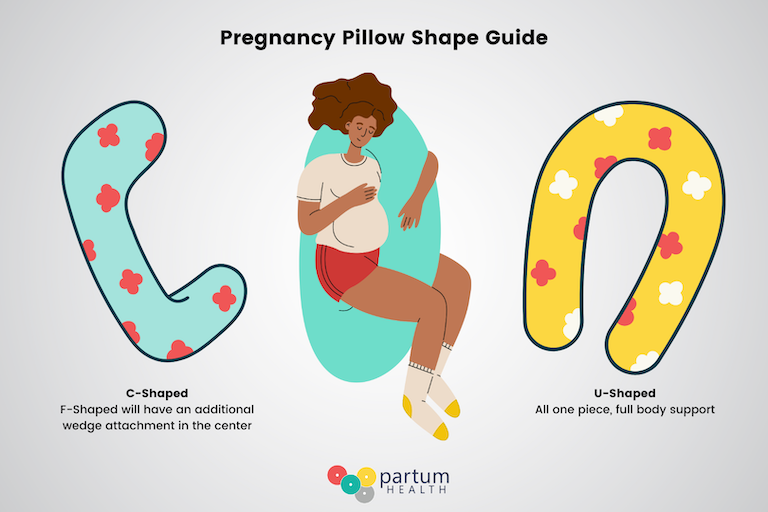
Not all pregnancy pillows work the same way. Selecting the right shape depends on your sleep style, bed space, and the specific discomforts you need to address.
• C-Shaped pillows work best for dedicated side sleepers who want full-body support without dominating the bed.
• U-Shaped pillows provide 360-degree coverage ideal for restless sleepers who toss and turn throughout the night.
• I-Shaped or body pillows suit minimalists seeking hip and spinal alignment with a slim profile.
• J-Shaped pillows offer targeted back and pelvic support with a streamlined design.
• Wedge pillows deliver localized relief for heartburn, belly support, or knee alignment.
• Modular or noodle pillows adapt to your changing body because you can bend and reposition them freely.
If you share your bed, a C-shaped or I-shaped pillow takes up less space than a bulky U-shaped model. Consider your partner’s comfort before purchasing.
Position a C-Shaped Pillow Correctly
A C-shaped pillow offers versatile support, but proper orientation matters for maximum benefit.
Support Your Back While Side Sleeping
Place the C so the open end faces away from your sleeping side. Rest your head on the top curve, align the long section along your spine, and tuck the bottom curve between your knees. This setup prevents you from rolling onto your back while supporting your hips and lower back.
Use any built-in ties to secure the pillow in place during the night. This is especially helpful when you need to shift positions or get up for bathroom trips.
Cradle Your Belly for Abdominal Relief
Flip the C so the curve wraps around your front. Hug the top arc to your chest and let your belly rest against the center section. Tuck the lower end between your knees. This position reduces strain on your abdominal muscles and round ligaments, particularly useful during the second and third trimesters.
Use It for Sitting and Nursing
Position the C behind your lower back while sitting on the couch. Wrap it around your waist and fasten the ties to maintain lumbar support during reading or television watching. The same setup works as a nursing pillow. Secure it around your torso and rest your baby on the curve to reduce arm and shoulder strain during feeding sessions.
Maximize Support with a U-Shaped Pillow
U-shaped pillows provide the most comprehensive support, wrapping your entire body in cushioning.
Center Yourself in the Hug
Lie in the middle of the U with your head resting on one arm. Let the front section cradle your belly while your arms wrap around it. The back arm supports your spine and hips, naturally preventing you from rolling backward. Position your legs between the two lower arms, with one supporting your front leg and the other behind your back leg.
This configuration maintains neutral spinal alignment and works exceptionally well for women experiencing sciatica or severe pelvic girdle pain.
Keep It in Place All Night
The bulk of a U-shaped pillow naturally resists shifting. However, if you move frequently, press the back section firmly against the mattress to create a solid barrier. Some models include non-slip bottoms or anchoring straps for added security.
Align Your Spine with an I-Shaped Body Pillow
I-shaped pillows promote long-axis spinal alignment, making them excellent for side sleepers who want straightforward support.
Hug It from Shoulder to Feet
Lie on your preferred side, ideally the left side for optimal blood flow. Run the pillow alongside your body from shoulder to feet. Hug the upper portion to support your head and shoulders. Tuck the lower end firmly between your knees and ankles to keep your hips level and reduce sciatic nerve pressure.
This position mimics the medically recommended log position that promotes proper spinal alignment during pregnancy.
Prevent Slippage
Straight pillows can slide down during the night. Anchor the top under your upper arm or tuck the bottom under your feet. Some models include removable side supports to stabilize the pillow throughout the night.
Optimize a J-Shaped Pillow Setup

J-shaped pillows combine the benefits of straight and curved designs for targeted support.
Align Spine and Hips Together
Position the long vertical section along your back and spine. Let the curved base extend between your knees and calves. The top supports your shoulders and upper back while the bottom stabilizes your pelvis. This shape excellently prevents nighttime rolling and maintains side-sleeping posture.
Pair with a Wedge for Belly Support
J-shaped pillows offer minimal front abdominal support. If you need belly cradling, place a small wedge pillow under your bump while using the J for back alignment.
Use Wedge Pillows for Targeted Relief
Wedge pillows deliver focused support where you need it most without taking up much space.
Elevate Your Upper Body to Stop Heartburn
Place the wedge under your upper back and head to elevate your torso between 30 and 45 degrees. This angle uses gravity to keep stomach acid down, significantly reducing nighttime heartburn and GERD symptoms that often worsen in the second and third trimesters.
Avoid stacking regular pillows, as they can misalign your neck and actually worsen reflux.
Slide It Under Your Belly
When side-sleeping, place the wedge under your lower abdomen. This lifts the weight of your growing uterus, reducing strain on your ligaments and easing lower back discomfort.
Tuck It Between Your Knees
A small wedge between your knees maintains hip alignment and relieves sciatica. Combine it with a full-body pillow for layered support if needed.
Follow Trimester-Specific Positioning Tips
Your pillow needs change as your pregnancy progresses.
First Trimester: Start Building Good Habits
Even before your bump shows, using a pillow between your knees prevents hip strain that can develop later. Place a body pillow behind your back while sitting to improve posture. Curl around a pillow in a fetal position to soothe early abdominal discomfort.
Second Trimester: Transition Fully to Side Sleeping
As your belly grows, shape your pillow into a C or S curve for combined belly and back support. If heartburn begins, add a wedge under your upper body. Use the pillow during prenatal stretches by placing it under your hips during pelvic tilts.
Third Trimester: Build a Supportive Nest
Create a stable sleep environment using layered support. Position a U-shaped pillow as your base and add wedges where needed. Place one section of the pillow under your belly to reduce pressure on the vena cava. Elevate your feet slightly to improve circulation and reduce swelling.
Your hips, shoulders, and ears should form a straight line when viewed from behind.
Creative Placement Strategies for Better Sleep
Sometimes standard positioning needs adjustment based on your situation.
Create a Boundary With Your Partner
Place the pillow vertically between you and your partner. This protects your belly from accidental bumps, reduces motion transfer, and defines personal space in smaller beds.
Try the Treehugger Position
Lie on your side and tightly embrace the pillow. Tuck one arm underneath and elevate your knees. This provides strong back, hip, and belly support with minimal effort.
Use the Sack of Potatoes Method
Drape the pillow over your lower back and hips like a sack. This requires minimal adjustment and delivers decent relief on exhausting nights when technique takes a back seat to convenience.
The Tail Tuck for Pelvic Lift
Grab the bottom end of the pillow and pull it upward under your hips and thighs. This elevates your knees, promotes pelvic alignment, and can relieve sciatica. Just be mindful of proximity to your partner.
Support Key Areas With Any Pillow
Regardless of pillow type, certain principles apply to all setups.
Keep Hips Level to Prevent Pelvic Girdle Pain
Place firm support between your knees and ankles. This prevents inward hip rotation and reduces strain on your sacroiliac joints. For severe pelvic girdle pain, add a second pillow under your top thigh for extra stabilization.
Lift Your Belly to Reduce Ligament Strain
Use a wedge or rolled towel under your lower abdomen. This supports the growing uterus and eases pressure on the round ligaments, especially in late pregnancy.
Maintain Spinal Alignment
Ensure your spine stays neutral whether lying down or sitting. Use a lumbar roll or C-shaped pillow behind your lower back. Your hips, shoulders, and head should align in a straight line.
Ease Neck and Shoulder Tension
Support your neck with a small cylindrical pillow or rolled washcloth. Avoid over-elevating your head, which can worsen heartburn and breathing issues.
Repurpose Your Pillow After Birth
Your pregnancy pillow remains useful after delivery.
Aid Cesarean Recovery
Place the pillow under your abdomen or incision site when lying down. This reduces tension on the wound and makes movement less painful.
Support Breastfeeding
Use your pregnancy pillow as a nursing aid. Wrap it around your torso and rest your baby on it. This elevates your infant to reduce strain on your arms, neck, and shoulders. The same setup works for bottle feeding.
Help With Baby Development
Use the pillow to prop your baby during supervised tummy time or sitting practice. Never leave infants unattended, and remember that safe sleep guidelines prohibit elevated or soft surfaces for infant sleep.
Extend Family Use
Older children can use the pillow for back support on the couch. Adults can repurpose it for travel, seating, or general pain relief.
Know When to Start Using a Pregnancy Pillow
Most women benefit from starting around week 20, but earlier use is helpful if you experience hip pain, restlessness, or bloating. Starting early establishes healthy sleep habits before discomfort escalates.
Reassess your positioning weekly as your body changes. What works at 24 weeks may not work at 34 weeks. Combine pillow types, like a U-shaped base with a belly wedge, for layered support.
Frequently Asked Questions About Positioning a Pregnancy Pillow
When should I start using a pregnancy pillow?
Most women begin using a pregnancy pillow around week 20, but you can start earlier if you experience hip pain, bloating, or restlessness. Early use helps establish healthy sleep habits and prevents minor discomfort from becoming major pain.
What is the best sleeping position with a pregnancy pillow?
Side sleeping, particularly on your left side, is medically recommended. The optimal setup includes a pillow between your knees and ankles, your belly cradled by a C or U-shaped pillow, and your back supported to prevent rolling backward.
Should I use my pregnancy pillow after giving birth?
Absolutely. Pregnancy pillows work excellently as nursing supports, C-section recovery aids, and baby positioning tools. They also provide general comfort for parents and can be used by other family members.
How do I prevent my pregnancy pillow from sliding during the night?
Anchor the pillow by tucking the ends under your feet or upper arm. Use built-in ties if your pillow has them. Some models include non-slip bottoms or straps for added security.
Can a pregnancy pillow help with sciatica and pelvic pain?
Yes. Placing a firm pillow between your knees maintains hip alignment, reduces joint strain, and relieves sciatic nerve pressure. This simple adjustment significantly alleviates both pelvic girdle pain and sciatica symptoms.
Key Takeaways for Positioning Your Pregnancy Pillow
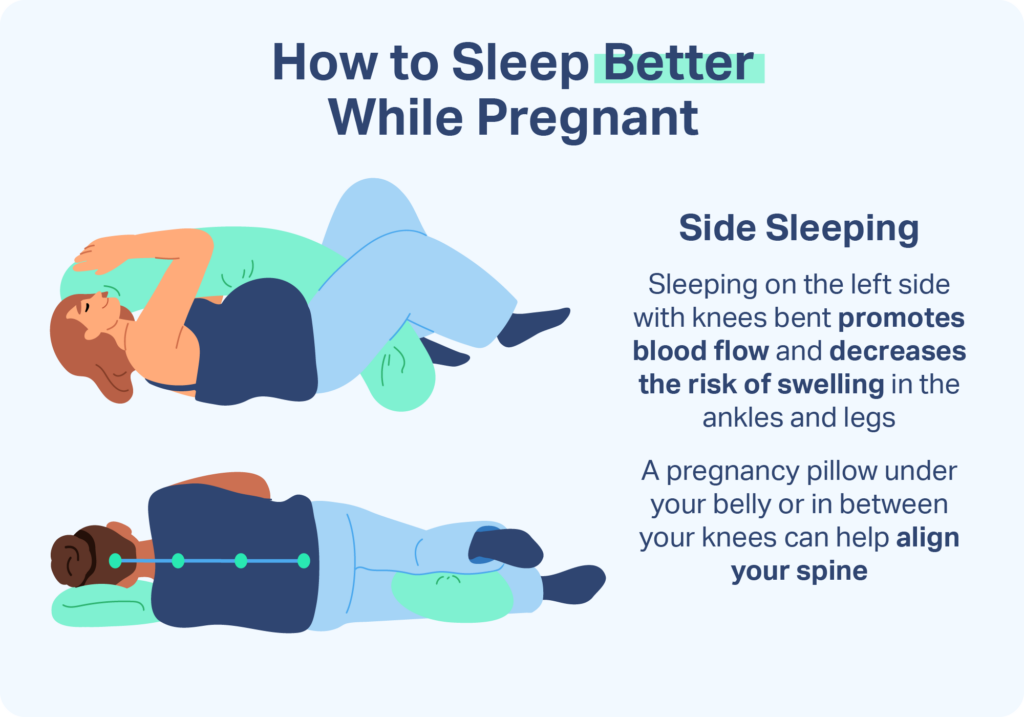
Finding the right pregnancy pillow position requires understanding your body and experimenting with different setups. Start with a pillow that matches your sleep style and bed space, then adjust positioning as your pregnancy progresses. The goal is maintaining neutral spinal alignment while supporting your belly, hips, and knees. Side sleeping on your left side remains the safest and most recommended position throughout pregnancy. Don’t hesitate to combine pillow types for layered support, and remember that your pillow serves you well beyond pregnancy for nursing, recovery, and family use. Listen to your body, reassess weekly, and consult your healthcare provider if you experience persistent pain or circulation concerns.