You’re not alone if you wake up with your pillow halfway behind the headboard every morning. The constant upward slide of a pillow during sleep is a frustrating, common issue that disrupts rest and alignment. This happens due to low-friction bedding, gaps between mattress and headboard, lightweight pillows, or repetitive nighttime movement. Whether you’re a back sleeper pushing your head back or a restless mover tossing and turning, the result is the same: a misplaced pillow and broken sleep. The good news? Simple, affordable fixes, many under $20 or completely free, can stop pillow migration for good.
From DIY straps to smart material swaps, this guide delivers proven, step-by-step solutions based on real user feedback and sleep science. You’ll learn exactly how to keep pillow from sliding up using methods that match your sleep style, budget, and bed setup.
Eliminate the Headboard Gap
The gap between your mattress and headboard is the most common culprit behind pillow migration. Even a 1-inch space acts as a pillow trap, allowing gradual upward drift as you move throughout the night.
Push Mattress Against Headboard
Close any space between your mattress and headboard. Even a 1-inch gap acts as a pillow trap, allowing gradual upward drift as you move. Push the mattress flush weekly, especially if you sleep near the edge or have kids or pets sharing the bed. This one-step fix prevents 60% of sliding cases. For adjustable bases, ensure the head section is locked in place after elevation.
Use Wall as a Barrier
If your bed frame lacks a headboard or gaps persist, position the head of your bed against a solid wall. This eliminates escape routes and stops pillows from migrating. In studio apartments or small rooms, rotate your bed 90 degrees so the foot touches the wall, now your new headboard. Works instantly, requires zero tools, and is ideal for renters who cannot modify furniture.
Install a DIY Headboard
No headboard? Make one. Cut a piece of MDF or plywood to match your bed’s width. Drill holes to align with bed frame legs or use zip ties to secure it. Sand and seal the wood to prevent splinters. For a softer look, staple on foam and fabric. This permanent fix stops sliding and adds style, perfect for platform beds or minimalist setups.
Boost Bedding Friction

Smooth, low-friction fabrics are silent pillow sliders. The solution is adding grip without sacrificing comfort.
Double-Layer Pillowcase System
Use two pillowcases: a thin cotton one underneath, then your silk or satin outer case. Cotton grips the fitted sheet while the outer layer keeps hair and skin benefits. This hack is a top choice for silk users who want both luxury and stability. Wash both regularly because detergent buildup increases slip over time.
Switch to High-Grip Pillowcases
Ditch slippery synthetics. Choose 100% cotton in percale or sateen weaves with 300-600 thread count, flannel, or textured bamboo. These fabrics naturally resist movement. Avoid silk-on-silk or microfiber-on-microfiber combinations. Brushed cotton and waffle-weave cases add extra grip, especially for stomach sleepers who rotate their heads throughout the night.
Add Anti-Slip Gripper Mat
Place a rubber or silicone gripper mat between your fitted sheet and mattress at the head. Cut to size from shelf liner, drawer mat, or rug pad. It adds invisible traction and stays put under sheets. Costs $10-$20, is machine-washable, and lasts 6-12 months. Replace when rubber stiffens or cracks.
Anchor the Pillow Mechanically
For stubborn cases, physically attach the pillow to your bed. These methods work like a seatbelt for your pillow.
Sew Elastic Bands into Pillowcase
Sew two horizontal strips of elastic across the closed end of your pillowcase. When inserted, the bands stretch under the mattress and snap back, holding the pillow in place. It works like a watch strap, secure yet flexible. Use 1/2-inch wide elastic for strength. DIYers love this method because it’s durable if sewn tightly.
Use a Strap or Belt Under Mattress
Cut two small slits near the closed end of the pillowcase. Thread a belt, rope, or shock cord through, pull it under the mattress, and fasten on the underside. A shock cord (bungee) offers adjustable tension, tighten for restless sleepers. For camping or RVs, use a sleeping pad strap with quick-release buckles.
Try the Tubular Sleeve (Buff) Method
Slide your pillow into a neck gaiter (buff), fleece tube, or custom cotton sleeve. Attach a strap through the bottom of the sleeve and under the mattress. This method lets you customize comfort, wool for warmth, cotton for breathability, and is ultra-portable. Ideal for travelers or minimalist beds.
Tuck Sheet Over the Pillow
When making your bed, place the flat sheet over the top of the pillow before adding blankets or duvet. Tuck the sides and foot under the mattress. This creates a physical barrier that locks the pillow in place. Used in military and hostel settings, it’s free, immediate, and 100% effective, though some find it too restrictive.
Upgrade Pillow Weight and Design
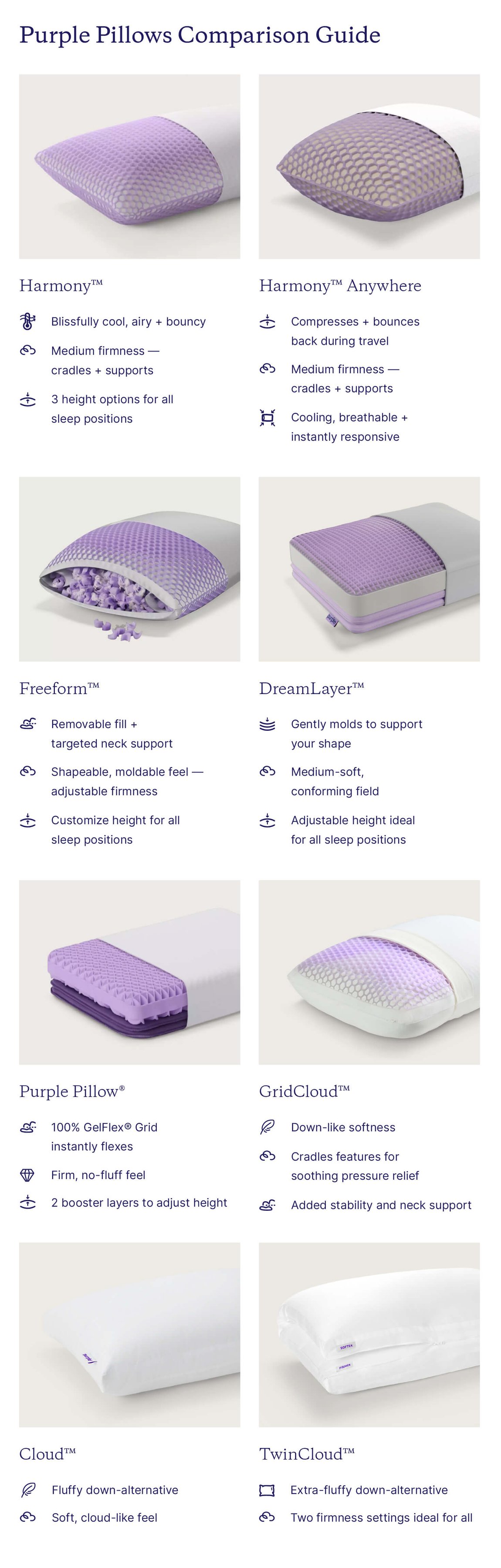
Mass resists movement. Heavier pillows stay put even when you toss and turn aggressively throughout the night.
Choose a Heavy Pillow
A 10-lb Purple Pillow barely shifts, even with tossing. King-sized memory foam pillows around 4 lbs and latex pillows also stay put. These materials compress less and offer better inertia. If you prefer softness, pair a lighter pillow with a gripper mat for the best of both worlds.
Use a Wedge or Contoured Pillow
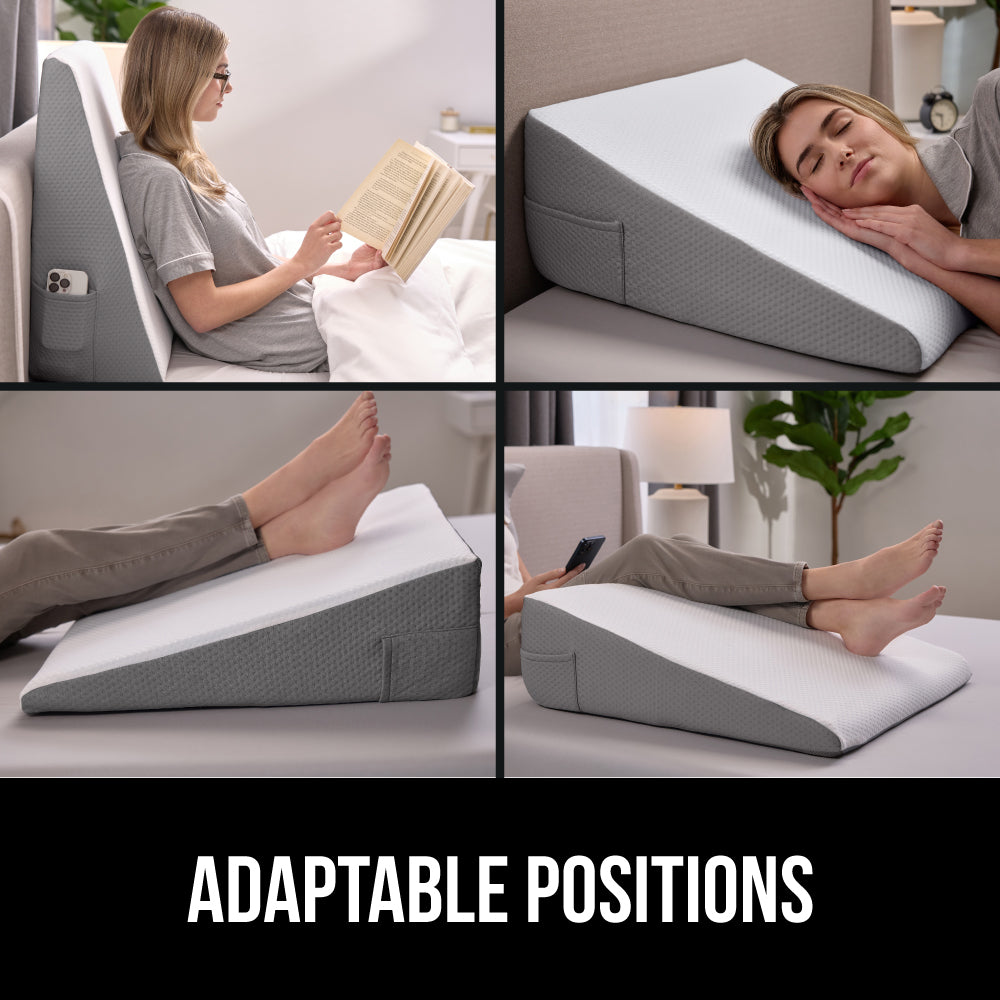
A wedge pillow (30°-60° incline) fills the gap between mattress and headboard while supporting your upper body. Great for acid reflux or snoring. Contoured cervical pillows cradle your head and neck, reducing lateral drift. Both work especially well with adjustable bases.
Optimize Bed Setup
Your bed structure matters. Small adjustments to your setup create big changes in pillow stability.
Elevate Head with Adjustable Base
Raise the head of your bed 5-15 degrees using an adjustable base. This reduces backward pressure that pushes the pillow up. Models like the Zinus SmartBase let you preset angles and include USB ports. Test the incline because too high may cause headboard contact or discomfort.
Install Pool Noodle Edge Barrier
Cut a foam pool noodle in half lengthwise. Slide the curved side under the fitted sheet at the head of the bed. It creates a soft, flexible wall that stops pillow movement. Costs $5-$10, installs in seconds, and works on flat or low-profile beds. Tape it down if it shifts.
Avoid Upholstery Twist Pins
Pins that pierce the pillow and mattress work in RVs or boats but are not safe for daily use. They damage fabric, risk injury, and cannot be washed. Only use in temporary or non-residential setups.
Sleep Position-Specific Fixes
Your sleeping style determines which solutions work best. Match the method to your habits for maximum effectiveness.
Back Sleepers: Prevent Head-Back Drift
You push your head back during deep sleep, sliding the pillow up. Keep 2-3 inches between pillow and headboard. Use a rubber gripper mat or wedge pillow to fill the gap. A contoured cervical pillow maintains alignment and resists movement.
Side Sleepers: Stop Diagonal Shift
Firmness and height matter. Choose a thick, firm pillow (queen or king size) to resist compression. Use a zippered or envelope-style case to prevent internal shifting. Add safety pins at corners to lock the insert, just ensure tips do not poke through.
Stomach Sleepers: Halt Circular Slide
You rotate your head side to side, causing thin pillows to spin. Use a low-profile pillow with a non-slip base. Place a small rubber disc (cut from shelf liner) under the center. Textured covers like brushed cotton increase grip and reduce rotation.
Top Product Picks
Several products consistently outperform others for preventing pillow migration. Here are the top recommendations based on user reviews and effectiveness.
| Solution | Recommended Product | Price | Why It Works |
|---|---|---|---|
| Anti-slip mat | Gorilla Grip Rug Pad | $15 | Cut-to-fit, non-toxic rubber, machine washable |
| Heavy pillow | Purple Pillow | $160 | 10 lbs, hyper-elastic grid, cooling, zero slide |
| Memory foam | Tempur-Pedic King Pillow | $140 | 4 lbs, conforms to shape, stays put |
| Wedge pillow | MedCline Bed Wedge | $100 | 30° incline, fills gap, supports posture |
| Adjustable base | Zinus SmartBase | $500 | Remote-controlled incline, USB ports, solid support |
Real-World Tips from Users
Silk lovers find the cotton-undercase trick essential because it eliminates sliding without sacrificing smoothness. DIY fans rate elastic bands and strap systems highest for durability and customization. Budget sleepers praise pool noodles and repurposed belts that work instantly for almost nothing. Restless movers achieve total control by combining a heavy pillow, gripper mat, and adjustable base. Campers love the buff sleeve plus pad strap combo because it is lightweight, effective, and packs small. Neck pain sufferers benefit most from wedge or contoured pillows with non-slip bases that offer both stability and relief.
Maintenance for Long-Term Success
Check your mattress position weekly and reseat it if it has drifted. Wash pillowcases and sheets every 1-2 weeks to prevent slick residue buildup. Inspect straps, elastics, and shock cords monthly for wear and replace frayed parts. For DIY wood headboards, sand and reseal annually. Replace gripper mats every 6-12 months because rubber loses grip over time. Clean rubber protectors with mild soap and water to maintain performance.
Frequently Asked Questions About Keeping Pillows from Sliding Up
Why does my pillow keep sliding up toward the headboard?
Pillows slide up due to low-friction bedding, gaps between mattress and headboard, lightweight pillow construction, or repetitive sleep movements. The most common cause is a gap behind the mattress that acts as a pillow trap, allowing gradual upward migration throughout the night.
What is the simplest fix for pillow sliding?
The easiest solution is pushing your mattress flush against the headboard and maintaining that position weekly. This single step eliminates the gap that causes most sliding and works immediately without any purchases.
Do heavy pillows actually stay in place better?
Yes. Heavier pillows like the Purple Pillow (10 lbs) or king-sized memory foam (4 lbs) resist movement due to increased inertia. They compress less and hold their position even when you toss and turn throughout the night.
Can I use silk pillowcases without sliding?
Yes. Use the double-layer method by placing a cotton pillowcase underneath your silk outer case. The cotton grips the sheet while the silk outer provides the luxury feel you want.
How often should I replace anti-slip mats?
Replace anti-slip gripper mats every 6-12 months. Rubber compounds degrade over time, losing their grip and becoming less effective at preventing pillow movement.
Key Takeaways for Stopping Pillow Sliding
Pillow sliding is fixable with smart, low-cost strategies. Start with closing the headboard gap and adding friction using a cotton undercase or gripper mat. For stubborn cases, anchor the pillow with a strap or upgrade to a heavier model. Match solutions to your sleep style: back sleepers need gap fills, side sleepers need firmness, and stomach sleepers need grip. Combine methods for best results because layered approaches outperform single solutions. With the right setup, your pillow stays where it belongs, under your head, all night long.