Feathers poking through your pillowcase? You’re not alone. It’s a common and frustrating problem with down and feather-filled pillows that can turn your comfortable sleep setup into a prickly nightmare. The good news: with the right strategies, you can stop feathers from escaping, extend your pillow’s lifespan, and sleep comfortably without constantly plucking quills from your sheets. This guide reveals proven methods, from protective barriers to smart maintenance techniques, so you can enjoy the softness of down without the mess.
Use a Pillow Protector as Your First Line of Defense
A pillow protector is your most effective defense against feather escape. Think of it as an invisible shield that keeps fill inside while blocking sweat, oils, and allergens from compromising your pillow’s integrity.
Choose High-Thread-Count Protectors
Opt for protectors with 200 or more thread count, ideally 400-thread-count cotton sateen, for true down-proofing. Low thread count fabrics let tiny quills slip through over time, while high-density weaves block even the smallest feathers.
• Best materials: Cotton sateen, cambric, or ticking
• Avoid: Thin polyester blends or knit fabrics
• Check for zippers: A full-zip design ensures complete containment
Wear It 24/7 on Every Feather Pillow
Use a protector on every feather pillow, whether on your bed, couch, or decorative throw. Even if the cover looks intact, microscopic gaps develop with use. A protector stops leaks before they start and guards against sweat, oils, and allergens.
Pro tip: If you’re already seeing feathers, add a protector immediately. It won’t fix existing damage, but it will catch escaping down and prevent further mess.
Line Pillows with Ticking Fabric for Maximum Protection
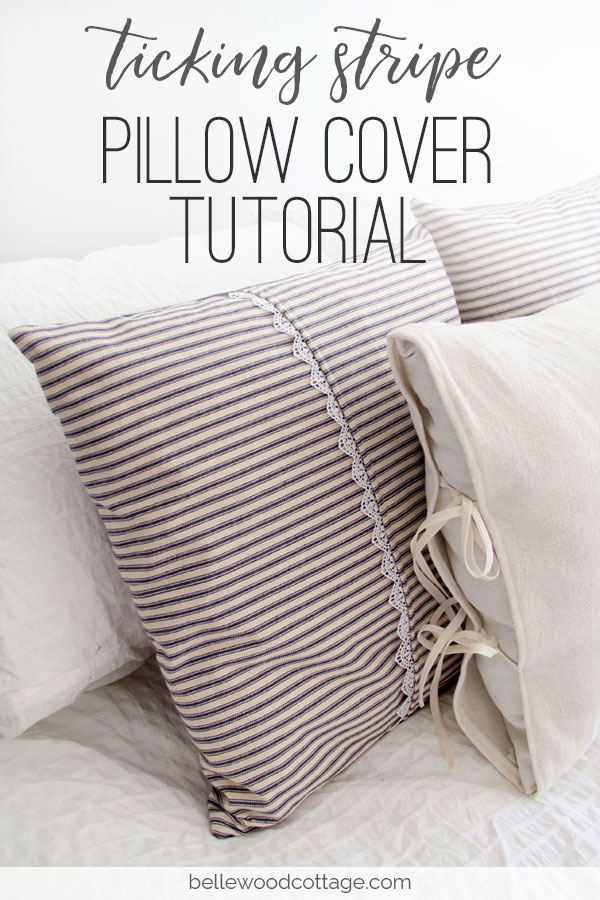
Ticking fabric is a game-changer for feather containment. Originally used in antique mattresses, it’s tightly woven to hold down without sacrificing breathability.
How Ticking Stops Feather Escape
With a thread count around 220, ticking is specifically engineered to resist quill penetration. It’s stronger than standard cotton and quieter than plastic liners.
• Where to use it: Wrap inserts before placing in decorative covers, especially for couch cushions
• Where to buy: Available at most fabric stores in neutral and patterned options
• User result: One couch owner stopped all feather leakage after lining every cushion with ticking
“There is this magic material designed just for the purpose of stopping the down feather assault—it is called TICKING.”
Install Ticking as an Inner Sleeve
- Cut ticking slightly larger than your pillow insert
- Sew three sides shut
- Insert pillow
- Hand-stitch or zip the final side closed
- Slide into your outer cover
This double-layer system is ideal for high-use furniture where feathers escape fastest.
Pick the Right Pillow Shell to Prevent Leaks

The pillow’s inner casing determines how long it stays sealed. Even the best care cannot save a poorly made shell, so understanding fabric specifications matters.
Optimal Fabric and Weave Standards
| Feature | Recommended |
|---|---|
| Thread count | 200+ (min), 400+ (ideal) |
| Weave type | Sateen, cambric, or ticking |
| Seam style | Knife-edge with double or zigzag stitching |
| Closure | Zippered for easy inspection and liner access |
Avoid pillows with loose weaves, unfinished seams, or no zipper, as these are early failure points that cause feathers to poke through.
Goose Down vs Duck Feathers
Goose down is the superior choice for minimizing leakage because larger, softer clusters are less likely to pierce fabric, and longer loft retention means less compression stress on the shell.
• Goose down: $80–$200, lower shedding risk, better longevity
• Duck feathers: $35–$150, stiffer quills more prone to poking through
“Goose down pillows generally shed less due to larger, softer feathers that are less likely to puncture fabric.”
Adopt Protective Use Habits That Extend Pillow Life
How you use your pillow impacts its lifespan more than you think. Small behavioral changes can drastically reduce feather escape and keep your pillows feeling new longer.
Avoid Rough Handling and Improper Storage
• No pillow fights: They stress seams and force quills through fabric
• Don’t use as car seat support: Constant compression damages the shell
• Never vacuum pack: Extreme pressure pushes feathers through weak spots
Instead, store pillows in breathable cotton bags in a dry, cool place to maintain their structure without causing damage.
Fluff and Rotate Regularly
Daily fluffing redistributes fill evenly, preventing lumps that create pressure points where feathers escape.
• Fluff by hand each morning
• For couch cushions, rotate weekly to balance wear
• Gently squeeze from all sides to restore loft
This simple habit prevents thinning and delays the need for replacement.
Wash Sparingly to Preserve Fabric Integrity
Frequent washing breaks down fibers and weakens seams, making feather escape more likely over time.
• Wash every 6–12 months, or only when visibly soiled
• Use mild detergent and gentle cycle
• Dry on low heat with tennis balls to restore fluff
Better yet: spot clean spills and stains instead of full washing to extend your pillow’s life.
Inspect for Damage Monthly to Catch Problems Early
Regular checks catch problems early, before a tiny hole becomes a feather fountain that ruins your sheets and frustrates you daily.
What to Look For During Inspection
• Thinning fabric, especially near seams
• Small tears or pinpricks
• Clumps of feathers near stitching
• Yellow sweat stains or odor
Check all layers: the insert, protector, and outer cover, because damage can start in any layer.
“Even a small tear can quickly lead to feathers poking through.”
When to Act on Damage You Find
If you find damage, address it immediately. Small holes can be patched, multiple leaks mean consider replacement, and unraveling seams need re-stitching or retirement. Early intervention can add months or even years to your pillow’s life.
Repair Leaking Pillows Fast Before They Get Worse
If feathers are already escaping, do not toss the pillow yet. Repair can buy you significant time and save money.
Re-Sew Weak Seams Effectively
- Remove from case and protector
- Locate all damaged areas
- Use strong thread and tight, small stitches to re-sew seams
- Add a second parallel line of stitching for reinforcement
Use a zigzag stitch on a machine for flexible, durable repairs that move with the fabric.
Patch Holes Before They Expand
For larger tears, cut a fabric patch from an old sheet or scrap, place it behind the hole, then hand-sew or use iron-on mending tape to seal edges completely. For high-stress areas, use seam-reinforcing tape under the patch for extra durability.
“Repair small rips early—most leaks start at seams.”
Control Moisture Exposure to Protect Fabric Integrity
Sweat and humidity break down cotton shells and invite odor, creating conditions where feathers escape more easily.
Protect Hot Sleepers from Moisture Damage
If you sweat at night, use cotton or linen pillowcases because they breathe better, add cooling sheets to reduce night sweats, and always use a zippered protector to block moisture from reaching the pillow shell.
Dry Thoroughly After Washing to Prevent Damage
Never store a damp pillow. Trapped moisture causes mold, promotes odor, and weakens stitching. Air dry completely or use a dryer on low heat with dryer balls to ensure thorough drying.
Match Pillows to Your Sleep Style for Optimal Durability
Your sleeping position affects wear rate significantly, which influences how quickly feathers start poking through.
Side Sleepers Experience Higher Wear
Side sleepers compress pillows more, leading to faster loss of shape, increased seam stress, and earlier feather escape. Consider replacing every 1–2 years, even with good care.
Back and Stomach Sleepers Have Lower Stress
These positions apply less pressure on pillows. With proper maintenance, pillows can last 2–3 years without significant feather leakage.
“If your pillow has lasted over 3 years, it’s had a nice run!”
Know When to Replace Your Feather Pillow
Even with perfect care, all feather pillows wear out. Do not wait for total failure before replacing it.
Five Signs It Is Time to Replace
- Frequent feather leakage: Occasional escape is fixable, but daily shedding means the shell is compromised.
- Permanent dents or flat spots: No longer supports neck alignment, causing pain or strain.
- Sweat stains and discoloration: Yellowing indicates trapped moisture and fabric breakdown.
- Musty smell or allergy symptoms: Old pillows trap dust, oils, and allergens that affect health.
- Age over 3 years: Most down pillows last 1–3 years; beyond that, performance and hygiene decline.
Switch to Feather-Free Alternatives for Zero Mess
For zero leakage, consider synthetic options that mimic down’s softness without the mess.
Down Alternative Pillows Offer Clean Solution
Made from polyester or microfiber, these mimic down’s softness without feathers poking through.
Pros:
• No feather escape
• Hypoallergenic
• Easy to clean
• Budget-friendly
Cons:
• Less breathable
• May feel warmer
• Loses loft faster than real down
“Peacock Alley offers hypoallergenic Down Alternative Pillows for allergy sufferers.”
Synthetic Couch Cushions Work Well for Furniture
For furniture, choose inserts labeled “down blend alternative” or “100% synthetic fill” and pair with ticking or high-thread-count covers for durability.
Choose Quality at Purchase to Prevent Future Problems
The best prevention starts before you buy. Investing in quality upfront saves frustration later.
What to Look For When Buying
• Fill: Goose down over duck feathers for less shedding
• Shell: 400-thread-count cotton sateen for maximum protection
• Seams: Double-stitched or zigzag for durability
• Closure: Zippered for access and liner use
• Extras: Free pillow protector included
Invest in Long-Term Value
Higher-quality pillows cost more upfront but last longer and perform better, making them a smarter investment over time.
“Peacock Alley Pillow Protectors extend the life of your down pillows by preventing feather escape, sweat stains, and odor.”
Frequently Asked Questions About Keeping Feathers from Poking Out of Pillows
Why do feathers poke through my pillow even when it is relatively new?
New pillows can experience feather leakage if the shell has a low thread count or loosely woven fabric. Even quality pillows may have microscopic gaps that develop during initial use. Using a high-thread-count protector from day one prevents this.
Can I fix a pillow that already has feathers poking out?
Yes, you can repair leaking pillows by re-sewing weak seams with strong thread and small stitches, or by patching holes with fabric patches and iron-on mending tape. However, if leakage is frequent and widespread, replacement may be more practical.
How often should I replace my feather pillow?
Most feather pillows last 1–3 years with proper care. Side sleepers may need replacement every 1–2 years due to higher compression, while back and stomach sleepers can often get 2–3 years from their pillows.
Does washing my pillow cause feathers to poke through?
Frequent washing can weaken the pillow’s outer shell and degrade seams, making feather escape more likely. Wash only when necessary, typically every 6–12 months, and use gentle cycles with mild detergent to preserve fabric integrity.
Is goose down better than duck feathers for preventing leakage?
Yes, goose down generally sheds less because the larger, softer feather clusters are less likely to puncture fabric compared to smaller, stiffer duck feathers. Goose down also retains loft longer and has lower odor potential.
Key Takeaways for Preventing Feather Escape from Pillows
Feather leakage is not inevitable when you use the right protective strategies. Start with a zippered pillow protector featuring 200+ thread count, ideally 400-thread-count cotton sateen, as your primary defense against feathers poking out of pillow surfaces. Line high-use cushions with ticking fabric for an additional barrier, choose pillows with goose down fill and high-quality shells, and inspect monthly for damage that needs repair. Adopt smart habits like daily fluffing, sparse washing, and avoiding rough handling to extend pillow life. When replacement becomes necessary, consider down alternative pillows for a zero-mess solution. Your pillow, your sheets, and your sleep quality will thank you for the extra care.