Chewing gum stuck on your pillowcase is more than just annoying. It can feel like a disaster, especially when you are not sure how to remove it without ruining the fabric. Whether it happened while watching TV in bed or your child fell asleep mid-chew, the good news is that gum can be safely removed from most pillowcases using common household items and the right technique. This guide covers every proven method, tool, and precaution so you can get gum off your pillowcase quickly, safely, and effectively.
Freeze the Gum for Easy Removal
Hardening the gum is the fastest and safest way to remove it from fabric. Cold temperatures make gum brittle, so it breaks away cleanly instead of stretching and smearing across the fibers.
Use Ice to Harden the Gum
Hold an ice cube directly against the gum for 2 to 5 minutes. Keep it in place until the gum turns hard and no longer feels tacky. Once frozen, gently lift the edge with a blunt tool like a credit card or butter knife. It should snap off in pieces. Wipe the area with a cold, damp cloth to remove any leftover particles.
Try the Freezer for Thick Residue
For large or deeply embedded gum, place the pillowcase in the freezer. Fold it so the gum is exposed, then seal it in a plastic bag to prevent moisture. Freeze for 1 to 3 hours. Remove and scrape immediately. Do not let it thaw. The gum should flake right off.
Soften Gum with Oil
If freezing does not work or the gum is too thin to scrape, oils can dissolve its sticky base and loosen its hold on fibers.
Apply Olive or Coconut Oil
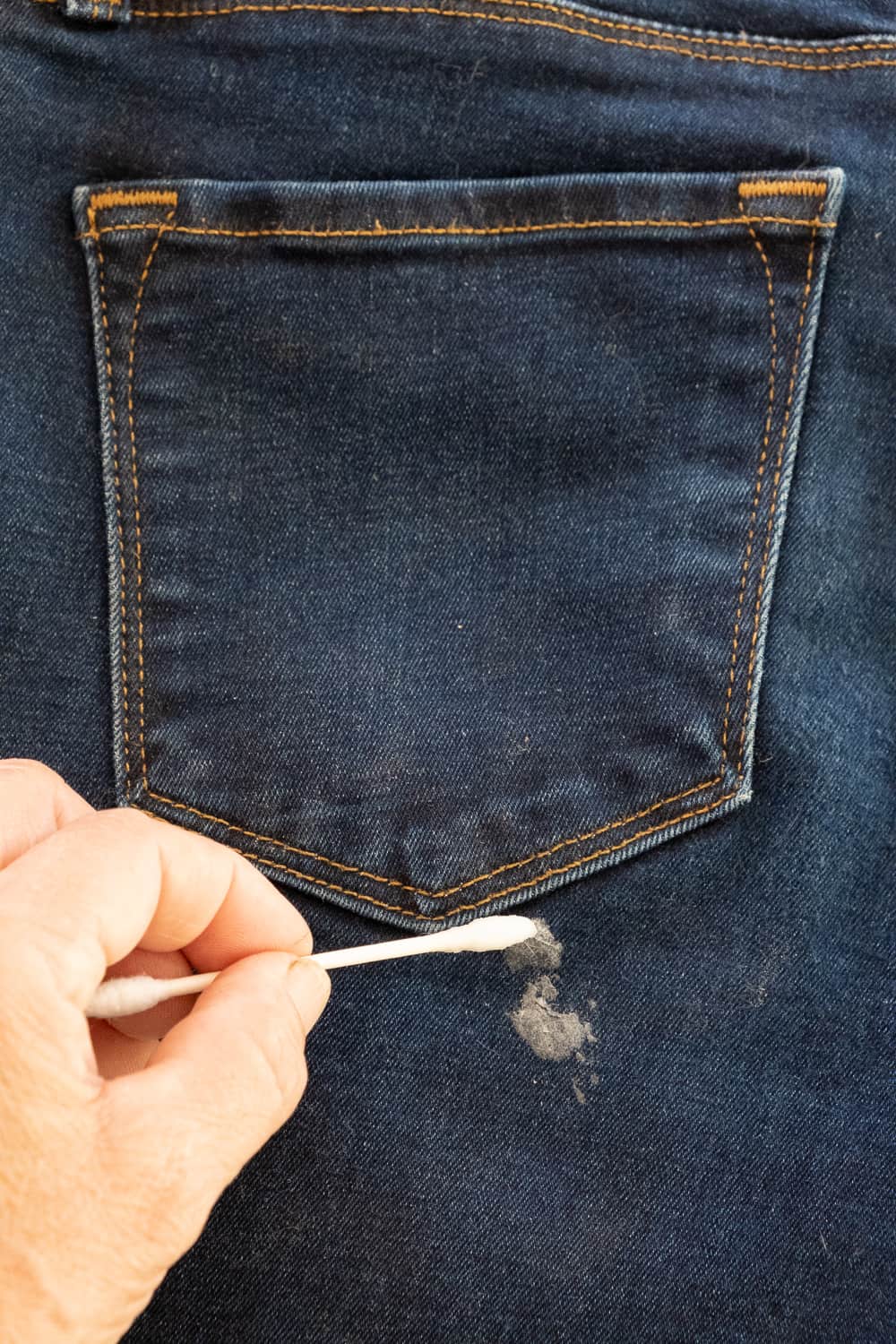
Dab a small amount of olive or coconut oil directly onto the gum with a cotton ball. Let it sit for 5 to 10 minutes to penetrate. Gently rub the gum with your finger or a soft cloth. It should start lifting. Use a spoon or credit card to gently peel it away.
Use Peanut Butter or Mayo in a Pinch
Both contain high oil content and work surprisingly well. Scoop a bit onto the gum, let it sit, then rub and lift. While effective, peanut butter can leave a smell and greasy mark. Wash twice if needed.
Dissolve Gum with Vinegar

White vinegar acetic acid breaks down gum adhesive structure, making it easier to remove especially when it is dried or stubborn.
Soak with Warm Vinegar
Heat half a cup of white vinegar. Do not boil it. Just warm it. Soak a cloth or sponge and press it onto the gum for 10 to 30 minutes. For thick gum, extend to 2 hours. Use a soft toothbrush to gently lift the edges. Rinse with cold water.
Why Vinegar Works
Vinegar softens the gum polymer base and also disinfects the area. It is a natural, non-toxic option ideal for eco-conscious households.
Try Hair Spray to Harden Gum
Aerosol hair sprays with high alcohol content can harden gum quickly, mimicking the freezing effect.
Spray and Scrape
Generously apply alcohol-based hair spray directly onto the gum. Wait 5 to 10 minutes for it to dry and stiffen the gum. Then, gently scrape it off with a credit card or fingernail.
Clean Residue Afterward
Hair spray can leave a sticky or stiff patch. Wash the pillowcase thoroughly to restore softness.
Use Lemon Juice for Light Gum Stains
Fresh lemon juice contains citric acid, which helps break down gum and acts as a mild bleach.
Apply and Lift
Squeeze juice directly onto the gum. Wait 1 to 2 minutes, then attempt to scrape it off. Rinse with cold water. For extra cleaning power, mix with a pinch of salt and gently scrub.
Remove Residue with Rubbing Alcohol
If gum is mostly gone but a sticky spot remains, rubbing alcohol can finish the job.
Dab and Dissolve
Use a cotton ball to apply 70 percent isopropyl alcohol to the area. Let it sit 3 to 5 minutes. Gently rub with a soft cloth or toothbrush. Blot dry and rinse with cold water.
Clean Leftover Stickiness with Baking Soda
After gum removal, a faint sticky or oily film may remain. Baking soda gently scrubs it away without damaging fabric.
Make a Paste
Mix 1 tablespoon baking soda with a few drops of water. Apply to the area and gently scrub with a soft toothbrush. Rinse thoroughly with cold water.
Use Stain Removers for Final Touch-Up
Even after gum is gone, a stain or oily mark may linger. Fabric-safe stain removers target these residues effectively.
Recommended Products
Shout Advanced Stain Remover works well for general use. OxiClean MaxForce targets tough stains. Zout Triple Enzyme Formula breaks down organic matter. Carbona Stain Devils number 2 is specifically designed for oil-based stains.
How to Apply
Spray or dab directly on the spot. Wait 5 to 30 minutes following product instructions. Blot lightly, then wash as usual.
Wash the Pillowcase Properly
Once the gum is fully removed, washing locks in the results and restores cleanliness.
Pre-Treat First
If you used oil, vinegar, or stain remover, pre-treat the area with dish soap like Dawn to cut through grease.
Follow Care Label
Check the tag for water temperature and cycle type. Always use cold to lukewarm water. Heat can set any trace residue.
Drying Advice
Air dry or use low heat. Always inspect before drying. If any stickiness remains, heat will make it permanent.
Avoid These Common Mistakes
Skipping these pitfalls saves time and protects your pillowcase.
Never Use Heat
No hot water, no dryer, no iron. Heat melts gum deeper into fibers, making it nearly impossible to remove.
Do Not Wash Before Removal
Putting a gum-covered pillowcase in the washer spreads sticky residue and risks clogging the machine.
Avoid Sharp Tools
Razors or box cutters can cut threads, especially on delicate fabrics like silk. Use only smooth, blunt edges.
Skip Harsh Chemicals on Delicates
Bleach, acetone, or strong solvents can ruin satin or silk. Stick to gentle methods like freezing or minimal oil.
Handle Different Fabrics Carefully
Each material responds differently to gum removal techniques.
Cotton and Linen
Tough and washable. Safe for freezing, oil, vinegar, and gentle scrubbing. Wash in warm water after removal.
Silk and Satin
Delicate and easily damaged. Use freezing or tiny amounts of oil only. Clean with baby shampoo or mild dish soap. Hand wash in cool water. Never wring.
Polyester and Blends
Resistant to most methods but heat-sensitive. Avoid hot tools. Freezing and oil work best.
Microfiber
Tight weave traps gum. Use freezing or oil carefully. Wash on gentle cycle with liquid detergent. Powders can leave residue.
Prevent Gum on Pillowcases
Stop the problem before it starts.
Set a No-Gum Rule in Bed
Make it a household habit. No chewing gum while lying down. It reduces transfer risk and choking hazards.
Use Pillow Protectors
Slip a washable protector under your pillowcase. It adds a removable barrier. Especially helpful for kids or gum chewers.
Never Sleep with Gum
It is a safety risk and a sure way to get gum in your sheets. Finish chewing before bedtime.
Frequently Asked Questions About Removing Gum from Pillowcases
Does freezing damage delicate fabrics like silk?
No. Freezing is the safest method for all fabric types including silk and satin. It hardens the gum without requiring any chemicals or scraping pressure that could damage delicate fibers.
Can I use hot water to remove gum from my pillowcase?
No. Hot water melts gum and pushes it deeper into the fabric fibers. This makes removal nearly impossible and can set the stain permanently. Always use cold or lukewarm water.
What if the gum has already been washed and dried into the pillowcase?
This is more difficult but not impossible. Try repeated freezing cycles combined with rubbing alcohol or oil applications. You may need to soak the area longer and use a soft toothbrush to gently work at the residue.
Will oil methods leave a grease stain on my pillowcase?
They can. Always wash the pillowcase immediately after using oil methods. Pre-treat with dish soap before washing to ensure all grease is removed.
How long does it take to remove gum from a pillowcase?
The freezing method takes 1 to 3 hours including freeze time. Oil and vinegar methods take 10 minutes to 2 hours depending on gum thickness. Most jobs can be completed in an afternoon.
Key Takeaways for Removing Gum from Pillowcases
:max_bytes(150000):strip_icc()/Spruce_Get_Gum_Out_Of_Clothes_Upholstery_2146890-final-349b8fe61215436c9c02558649741f80.png)
Removing gum from a pillowcase is easy when you act quickly and choose the right method. Freezing is the top choice for most fabrics. It is safe, effective, and leaves no residue. For stubborn cases, oil, vinegar, or rubbing alcohol can help dissolve and lift the remaining gum. Always wash the pillowcase afterward using cold water and avoid heat until you are certain all gum is gone. Never use sharp tools or harsh chemicals on delicate fabrics. With these steps, your pillowcase will look and feel like new with no trace of gum left behind.