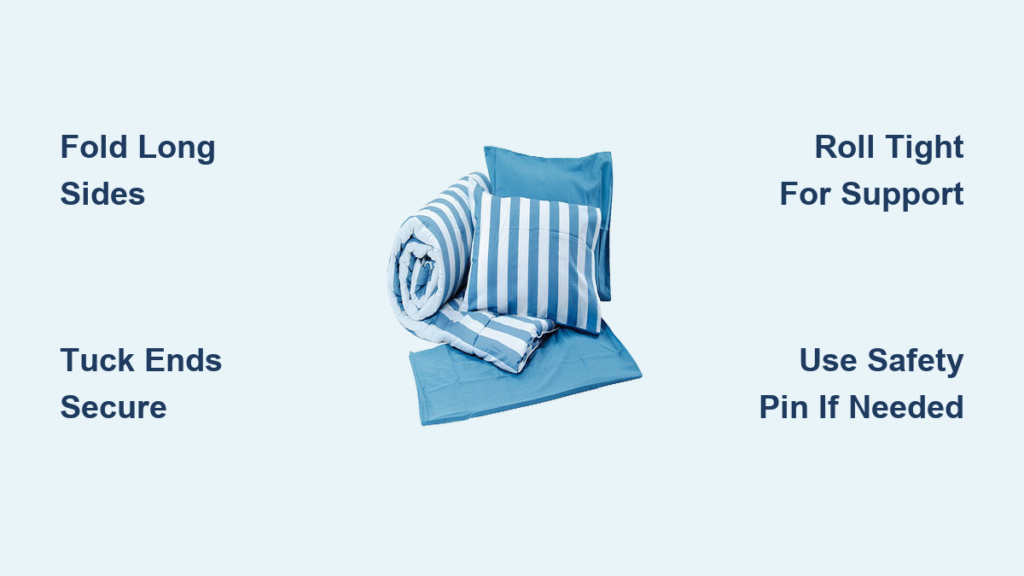
Ever found yourself on the couch without a pillow—or packing for a trip and dreading the bulk of one? You don’t need extra gear. With just one blanket and a few smart folds, you can create a sturdy, comfortable pillow in under two minutes. The trick? Folding a blanket into a pillow uses no tools, sewing, or added materials—just strategic tucks, rolls, and knots to transform flat fabric into a supportive cushion.
This simple life hack works with any blanket: fleece, cotton, knit, or even a large scarf. Whether you’re traveling, tidying up, or styling your living room, this technique delivers instant comfort and organization. By the end of this guide, you’ll master four proven folding methods, each serving a different purpose from sleeping support to decorative flair.
Choose the Right Blanket
Blanket Size and Shape Guide
The size and shape of your blanket directly affect the final pillow. Larger blankets create bigger pillows, while smaller throws produce compact cushions. Throw blankets around 50″ x 60″ work best for simple squares and knots. Twin blankets at 66″ x 90″ create excellent cylindrical bolsters. Full and queen blankets at 80″ to 100″ inches produce oversized or jumbo pillows. Square throws at 50″ x 50″ deliver symmetrical results for decorative styles.
King-size blankets at 108″ x 90″ require pre-folding the long sides inward once before shaping to manage thickness. Any blanket can become a pillow, but matching size to your intended use prevents bulkiness and ensures stability.
Best Fabrics for Folding
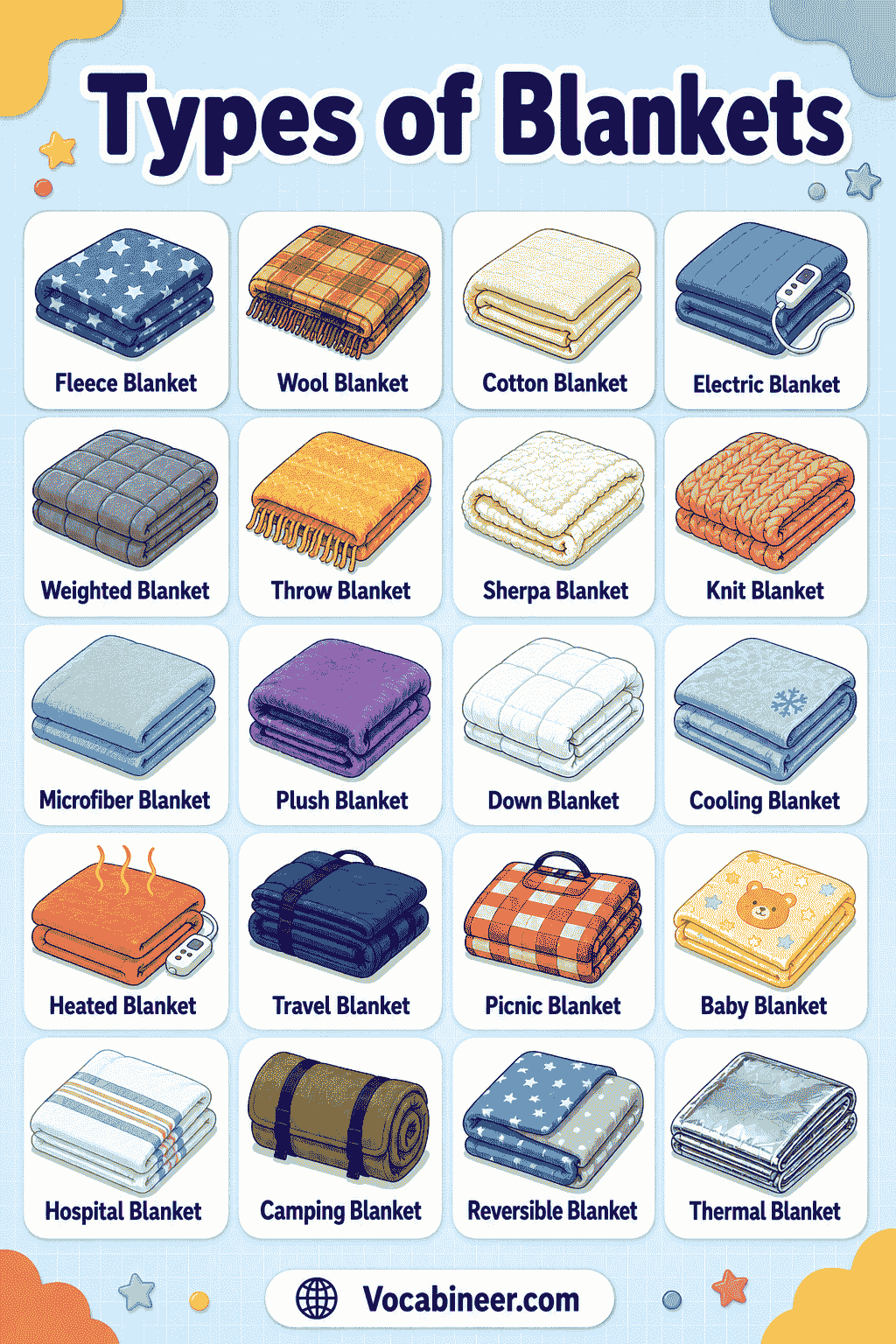
Not all fabrics behave the same way when folded. Fleece and microfiber rate highest at five stars because they grip well and fold smoothly into any style. Cotton and flannel score four stars—they hold creases nicely and work great for structured tucks. Wool and knit fabrics add volume but can become bulky, making them better for decorative rolls than tight folds.
Minky and velvet feel luxurious but tend to slip apart during folding. Use a tighter roll or add a hidden safety pin to keep these fabrics secure. Quilted and weighted blankets rate lowest at two stars because their thickness prevents complex folding. Stick with simple tuck or roll methods for these heavier textiles.
Pro Tip: If your blanket has a decorative pattern, lay it face-down at the start. This ensures the right side shows when you tuck or roll.
Prep the Blanket Properly
Smooth and Align Before Folding
A messy start leads to a lopsided pillow. Always prepare your blanket first. Lay it flat on a clean, level surface such as a bed, floor, or table. Smooth out all wrinkles with your hands to ensure even layers throughout the folding process.
Align the corners so edges are square and folds stay straight. For rectangles, identify the long and short sides before you begin. For squares, any side works as a starting point. Taking 10 seconds to get this right prevents uneven shapes and weak tucks later.
Simple Square Pillow Method
Fold Long Sides to Center
This fastest method takes under 75 seconds and works best with fleece or cotton throws. Lay the blanket flat with the right side facing up. Fold one long side toward the center, about halfway across the width. Fold the opposite long side over the first fold, aligning edges so they meet or slightly overlap. You now have a narrow double-layered strip with one open pocket at one end.
Tuck Ends to Lock the Shape
Now shape the pillow. Fold one short end about halfway toward the center. Fold the other short end to meet it. Unfold one end slightly to expose the inner pocket. Insert the opposite folded edge into the pocket, tucking it fully inside. Adjust the corners to form a neat square or rectangle.
Result: A compact, stable pillow ideal for naps, travel, or guest beds. It holds up well during short-term use but may loosen with excessive movement.
Structured Square Pillow Method
Create a Hidden Pocket
For a cleaner, more decorative finish, use this enclosed method. It fully hides the folds for a seamless, pillowcase-like look perfect for sofas or shelves. Lay the blanket face-down with the decorative side facing the surface. Fold one short end under itself by about one-quarter of the length to create a hemmed flap.
Fold one long side inward to the center, about one-third of the width. Fold the opposite long side over the first, meeting or overlapping at the center. This creates a double-layered strip with a square-shaped pocket at the hemmed end.
Enclose the Roll Completely
Now finalize the shape. From the open end, fold in quarters toward the pocket. First fold brings the end up one-quarter. Second fold halves the remaining length. Repeat until it reaches the pocket. Flip the piece over so the pocket is accessible. Reach inside the hem flap and turn it inside out, pulling it over the folded section. Tuck the flap fully over the roll to seal it.
Result: A crisp, cube-like pillow that resists unraveling. It looks like a store-bought cushion—perfect for home decor.
Cylindrical Bolster Pillow Method

Roll for Lumbar or Neck Support
Need back or neck support on the couch or floor? This bolster-style roll delivers firm, stable comfort. Lay the blanket face-down. Fold one short end under itself by one-quarter of the length to create a hem. Fold one long side inward to the center, about one-third of the width. Fold the opposite long side over the first, forming a narrow strip with a pocket at the hemmed end.
Flip Flap to Hide the End
Now shape the roll. Starting at the open end, roll tightly or loosely toward the pocket. A tight roll creates firmer support ideal for lumbar pressure. A loose roll feels plush and works great for floor lounging. As you near the pocket, stop rolling. Insert your hand into the hem flap and flip it inside out. Drape the flipped flap over the roll and tuck it in to cover the end.
Result: A durable, tube-shaped pillow that holds its shape under pressure. Ideal for nursing, tummy time, or camping.
Decorative Knot Pillow Method
Roll Both Sides to the Middle
This method creates a whimsical, rounded pillow with a central knot—perfect for boho decor or accent styling. Lay the blanket flat. Starting from one long side, tightly roll toward the center. Repeat from the opposite side, rolling until both meet in the middle. For thick blankets, fold the long sides inward first, then roll.
Tie and Tuck for a Clean Look
Now knot it together. Cross one rolled end over the other to form a loop. Pass one end through the loop like tying a shoelace. Pull to tighten—a loose knot creates a fluffy, soft appearance while a tight knot produces a compact, dense center. Tuck both tails under the knot to hide raw edges and round the shape.
Result: A sculptural, artistic pillow with visual flair. Best for display rather than sleeping. Use a plaid or chunky knit throw—it looks like a designer piece on a bed or shelf.
Fix Common Folding Problems
Stop the Pillow from Unraveling
If your pillow loosens easily, try these fixes. Ensure folded edges are fully inserted into pockets by tucking deeper. Go tighter on rolls—a looser roll slips more easily. Use a small safety pin hidden inside the fold on slippery fabrics like minky. Pre-fold thick blankets by bringing the long sides inward before shaping to reduce bulk.
Fix Uneven or Bulky Shapes
Always remove wrinkles before starting to prevent lumpy results. Align folds by using visual cues—edges should line up evenly. For king-size or heavy quilts, fold the sides into the center once before shaping. This creates a more manageable size and prevents bulging at the corners.
Customize Your Pillow
Adjust Firmness and Loft
You control how soft or firm your pillow feels. Tighter rolls and deeper tucks create firmer support. Looser folds with more air between layers feel softer. For extra loft, insert a small towel, folded t-shirt, or soft toy into the pocket before the final tuck.
Add Scent and Style
Make your blanket pillow more than just functional. Tuck a lavender or eucalyptus sachet inside for aromatherapy benefits. Dab a few drops of essential oil on a cloth and insert it into the fold. Rotate different blankets seasonally to refresh your space without extra purchases.
Speed It Up
For a 45-second version, roll the blanket tightly from one corner and tuck the final corner under the roll. It’s less structured but completely functional for quick needs.
Use Cases and Applications
Travel and Camping Hacks
Turn your travel blanket into a pillow without adding extra luggage. The cylindrical or simple square method stays packed without unraveling during plane rides. Use a rolled bolster on a sleeping pad for neck support during camping trips.
Home Organization Wins
Folded pillows stack neatly on shelves or in baskets. Kids can fold their own blankets, teaching tidiness while keeping rooms organized. Display structured pillows at the foot of your bed for style and instant use.
Emergency and Caregiving Uses
Create an instant pillow from any spare blanket during power outages or evacuations. Adjust the size for nursing support or post-surgery comfort. Use soft, washable blanket pillows for safe infant positioning during tummy time.
Maintain and Refresh Your Pillow
Keep It Clean and Fresh
Spot clean with mild soap and water as needed. Machine wash if the blanket allows, then air dry to prevent shrinkage. Rotate between multiple blankets to avoid permanent creases from repeated folding in the same spots.
Store It Right
Avoid compression by not storing under heavy items—fluff the pillow before reuse. Keep it in a basket or open shelf to prevent mustiness. Reshape every few weeks by refolding to maintain crispness and prevent deep creases from setting.
Frequently Asked Questions About Folding a Blanket into a Pillow
How long does it take to fold a blanket into a pillow?
The simple square method takes 60 to 75 seconds once you’ve practiced a few times. The structured square and bolster methods take 90 seconds to two minutes. With experience, any method can be completed in under two minutes.
What blanket size works best for making a pillow?
Throw blankets at 50″ x 60″ create the most versatile pillows. Twin blankets at 66″ x 90″ work well for cylindrical bolsters. Larger blankets produce bigger pillows but may require pre-folding to manage bulk.
Can I use any type of blanket?
Yes, any blanket can become a pillow. Fleece and cotton yield the best results because they grip well and hold their shape. Thicker fabrics like wool or knit work better for decorative styles. Slippery fabrics like minky may need a safety pin to stay secure.
How do I keep the pillow from unraveling while sleeping?
Use the structured square method with the enclosed pocket finish for the most secure hold. Ensure tucks go deep into the pocket. For cylindrical rolls, flip the hem flap inside out and tuck it firmly over the roll.
Is a blanket pillow comfortable for sleeping?
Blanket pillows work well for short-term use like naps, travel, or guest bedding. The simple square and cylindrical methods provide the most comfortable support for sleeping. The knot style is decorative and not recommended for sleeping.
Key Takeaways for Folding Blankets into Pillows
Folding a blanket into a pillow is a practical skill that saves space, money, and clutter. With just four core methods—simple tuck, structured cube, bolster roll, and knot style—you can adapt to any need in under two minutes. Fleece and cotton work best, but even slippery or thick fabrics can be tamed with tighter rolls or hidden pins.
Once mastered, this technique becomes second nature, unlocking endless comfort from items you already own. Whether you need a quick travel fix, a decorative accent, or a toddler-safe support, one blanket can do it all. Practice the simple square method first, then advance to the polished structured finish for display pieces. Your blankets will never go to waste again.