Selecting the perfect headboard instantly upgrades your bedroom from a simple sleeping space to a stylish sanctuary. With so many types of headboard options available, finding one that matches your decor and comfort needs is easier than you might think.
This guide explores popular materials, mounting styles, and design trends to help you choose wisely. You will learn how to match sizes, add functional features, and maintain your new furniture for years of enjoyment.
Select Headboard Materials for Durability and Comfort
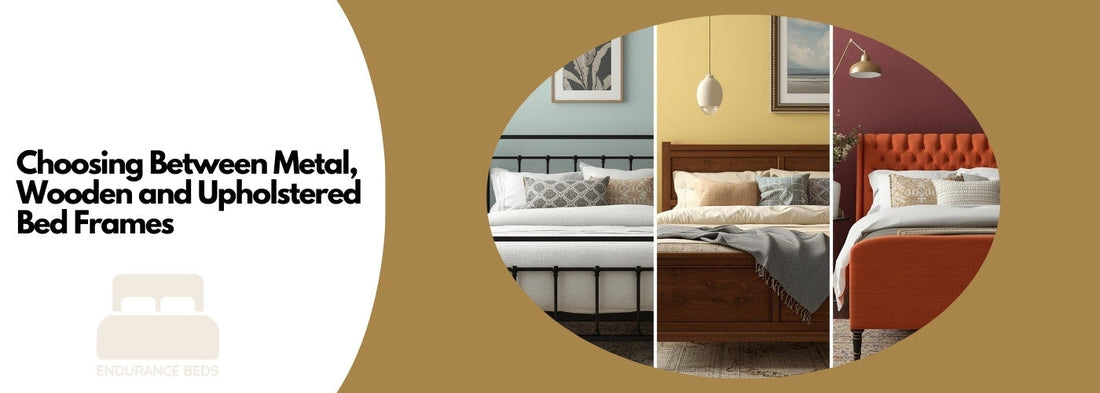
The material you choose defines the look, feel, and longevity of your bed setup. Different options suit various lifestyles, from busy families to luxury seekers.
Solid Wood and Engineered Options
Wood offers timeless warmth and strength for any bedroom theme. Solid hardwoods like oak and walnut provide rich grain patterns that last generations. Engineered options like MDF offer budget-friendly alternatives often used in painted designs.
- Look for kiln-dried wood to prevent warping over time.
- Choose rustic styles for farmhouse rooms or sleek lines for modern spaces.
- Avoid cheap composites if you need heavy-duty support.
Upholstered Fabrics and Leather Finishes
Upholstered headboards provide a soft, luxurious surface ideal for reading in bed. These designs feature padding covered in cotton, linen, velvet, or faux leather. Button-tufting adds classic elegance and texture to the visual appeal.
- Select high-density foam to prevent flattening quickly.
- Match fabric colors to your existing bedding or wall paint.
- Clean spills immediately to avoid permanent staining on light fabrics.
Metal Frames and Industrial Designs
Metal headboards bring an industrial or vintage vibe using iron and steel. Wrought iron designs often feature intricate scrollwork perfect for traditional decor. Sleek tubular frames suit contemporary and minimalist bedrooms beautifully.
- Pair metal frames with layered bedding to offset the cold feel.
- Check for powder-coated finishes to prevent rust and chipping.
- Ensure bolts are tight during assembly to stop squeaking noises.
Lightweight Foam and Fabric Panels
These lightweight panels are perfect for renters or temporary setups. Made from rigid foam wrapped in fabric, they mount easily without heavy hardware. While less durable than wood, they offer excellent style on a budget.
- Use strong adhesive strips for no-drill installation options.
- Rotate panels seasonally to refresh your room color scheme.
- Handle with care to avoid denting the foam core.
Choose the Right Mounting Style for Stability

How your headboard attaches affects both safety and the overall aesthetic of the room. Understanding these options ensures a secure fit for your specific bed frame.
Freestanding Units Attached to Bed Frames
Freestanding headboards sit on the floor and bolt directly to your bed frame. They require no wall drilling and work well with heavy materials like solid wood. This method offers excellent stability for most standard bedroom layouts.
- Align the headboard legs with the bed frame brackets.
- Insert bolts through the pre-drilled holes provided.
- Tighten securely using a wrench or socket set.
- Allow 15 to 30 minutes for full assembly and adjustment.
Wall-Mounted Floating Designs
Wall-mounted styles create a clean, floating effect by securing directly to the wall. This approach frees up floor space and suits modern or contemporary interiors perfectly. Proper stud alignment is crucial for safety and weight support.
- Locate wall studs using a stud finder before drilling.
- Ensure the headboard center aligns with the bed center.
- Use heavy-duty anchors if studs are not available in the right spot.
Integrated and Attached Bed Frame Systems
Some platform beds come with built-in headboards for a streamlined look. These attached systems offer a cohesive design but limit customization options. You may need to replace the entire frame to change the headboard style.
- Verify compatibility before purchasing replacement parts.
- Check weight limits if leaning heavily against the structure.
- Inspect connection points regularly for loose screws or wear.
Explore Popular Design Styles for Your Aesthetic
Your headboard sets the tone for the entire room, ranging from cozy charm to sleek sophistication. Select a design that reflects your personal taste and interior theme.
Classic Wingback and Tufted Looks
Wingback headboards feature high sides that wrap around the mattress for a regal appearance. Tufted designs use buttons to pull fabric into deep, elegant indentations. These styles excel in traditional, luxury, or formal bedroom settings.
- Pair wingbacks with drapery for a dramatic focal point.
- Choose diamond tufting for large rooms to make a bold statement.
- Opt for vertical tufting to elongate the look of low ceilings.
Modern Slat and Minimalist Frames
Slat headboards use horizontal or vertical wooden planks with open spacing. This design allows airflow and creates a light, airy feel common in Scandinavian decor. Dark woods add warmth while light finishes keep the room bright.
- Space slats evenly to maintain visual balance and symmetry.
- Sand rough edges to prevent snagging sheets or clothing.
- Combine with neutral bedding for a clean, uncluttered look.
Ornate Carved and Shaped Profiles
Carved headboards feature decorative cutouts, arches, or floral motifs as artistic centerpieces. Often made from solid wood, they suit vintage, cottage, or romantic themes perfectly. These intricate designs add significant character to the space.
- Dust intricate carvings regularly with a soft brush attachment.
- Avoid placing heavy items against delicate carved sections.
- Polish wood annually to maintain the luster of detailed work.
Determine Correct Size and Height Variations
Proper dimensions ensure your headboard looks proportional and functions well within your layout. Measuring correctly prevents awkward gaps or overwhelming visual weight.
Standard Height Guidelines for Rooms
Most headboards range from 14 to 36 inches above the mattress surface. Low profiles suit modern platforms while tall designs drama to rooms with high ceilings. The top should generally not exceed your bedroom door height.
- Select 14 to 20 inches for a subtle, modern profile.
- Choose 24 to 30 inches for a balance of comfort and visibility.
- Go over 36 inches only if you have ample vertical space.
Custom and Oversized Wall Solutions
Custom headboards can span floor to ceiling or cover the entire wall behind the bed. These oversized designs often incorporate lighting, shelving, or hidden storage compartments. They are popular in luxury suites and boutique hotel-style rooms.
- Leave at least 24 inches of clearance on each side of the bed.
- Plan electrical wiring before installing built-in features.
- Use lightweight materials to reduce stress on wall anchors.
Maximize Function With Storage and Tech Features

Modern headboards often go beyond aesthetics to offer practical daily utilities. These features enhance convenience and maximize small bedroom spaces effectively.
Integrated Shelving and Cabinets
Headboards with shelves provide space for books, lamps, or decorative items. Open shelves suit minimalist rooms while enclosed cabinets hide clutter effectively. This design works best with tall, freestanding, or wall-mounted units.
- Avoid overloading shelves to prevent imbalance or tipping.
- Secure heavy items with museum putty or small brackets.
- Dust shelves weekly to keep displayed items looking fresh.
Built-In Outlets and USB Charging Ports
Some modern designs include built-in electrical outlets or USB charging stations. These features are invaluable for bedrooms lacking convenient power access near the bed. They keep cords organized and devices charged overnight.
- Hire a licensed electrician for hardwired outlet installations.
- Choose plug-in models for easier retrofitting into existing beds.
- Test all ports before final mounting to ensure functionality.
Ambient and Task Lighting Options
LED-lit headboards or those with attached reading lights combine function with ambiance. Lights can be built into the frame or mounted on adjustable swing arms. This feature eliminates the need for bulky bedside tables with lamps.
- Select warm white LEDs (2700K to 3000K) for a cozy glow.
- Install dimmer switches to control brightness levels easily.
- Clean light covers gently to maintain maximum brightness output.
Ensure Proper Fit for Your Specific Bed Size
Selecting a headboard requires matching it precisely to your bed size and frame type. Incorrect sizing leads to instability or an unbalanced visual appearance in the room.
Matching Widths to Mattress Dimensions
Headboards correspond to standard mattress sizes like Twin, Full, Queen, and King. A queen headboard should measure roughly 60 to 64 inches wide for proper coverage. King sizes typically span 76 to 80 inches to frame the bed correctly.
- Measure your mattress width before shopping for a new headboard.
- Avoid narrow headboards that look small against a large bed.
- Allow slight overhang on sides for a balanced, framed look.
Compatibility Checks for Bed Frames
Not every headboard fits every frame, so checking attachment methods is vital. Some frames have pre-drilled holes while others need specific brackets or adapters. Platform beds often use unique bolt-on or clamp-on systems.
- Measure the distance between mounting holes on your current frame.
- Check if the headboard includes necessary conversion brackets.
- Consult the manufacturer if hole patterns do not align initially.
Create DIY and Budget-Friendly Headboard Solutions
You can achieve a stylish look without spending a fortune by using creative DIY methods. These projects allow for personalization and fit various budget constraints easily.
Repurposed Doors and Wooden Shutters
Old wooden doors or shutters make unique, rustic headboards with lots of character. Sanding and painting them allows you to match any color scheme perfectly. Mount them using D-rings or a French cleat for secure stability.
- Estimate 2 to 4 hours for prep, painting, and drying time.
- Seal wood with varnish to protect against moisture and wear.
- Add felt pads to the back to prevent wall scratching.
Custom Fabric and Foam Panel Projects
Create a custom upholstered look using MDF, foam padding, and your favorite fabric. Staple the material to the back edge for a clean, professional finish. This project often costs under $100 and takes just a weekend to complete.
- Gather a staple gun, scissors, measuring tape, and drill.
- Wrap foam tightly to avoid wrinkles in the final fabric layer.
- Use batting under the fabric for a softer, plusher feel.
Reclaimed Pallet Wood Constructions
Reclaimed wood pallets can be disassembled and reassembled into slat-style headboards. Sanding thoroughly and sealing with varnish ensures durability and safety. This style is perfect for industrial or farmhouse bedroom themes.
- Use only heat-treated (HT) pallets to avoid chemical exposure.
- Fill nail holes with wood putty for a smooth surface.
- Apply multiple coats of sealant for long-lasting protection.
Maintain Your Headboard for Long-Term Beauty
Regular upkeep keeps your headboard looking new and functioning safely for years. Different materials require specific cleaning and inspection routines.
Cleaning Upholstered Surfaces Properly
Vacuum fabric-covered headboards monthly using an upholstery attachment to remove dust. Use a fabric cleaner suited to the material for stains, testing in a hidden spot first. Leather requires conditioning every 6 to 12 months to prevent cracking.
- Sprinkle baking soda on fabric to neutralize odors before vacuuming.
- Blot spills immediately rather than rubbing to prevent spreading.
- Avoid soaking fabric to prevent mold growth inside the padding.
Dusting Wooden and Metal Components
Wipe wood with a soft, slightly damp cloth and dry it immediately to prevent water damage. Use furniture polish every few months to maintain shine and protect the finish. For metal, use a dry microfiber cloth to prevent scratches and rust.
- Avoid harsh chemicals or abrasive sponges that strip finishes.
- Polish metal with a dedicated metal cleaner if tarnish appears.
- Check for chipped paint on wood and touch up promptly.
Inspecting Mounting Hardware Regularly
Inspect bolts, brackets, and wall anchors twice a year to ensure everything remains tight. Loose hardware can lead to wobbling, noise, or potential damage to the wall. This step is crucial for heavy or freestanding headboard models.
- Listen for creaking sounds when adjusting your position in bed.
- Tighten any loose screws with the appropriate tool immediately.
- Replace worn anchors if the headboard feels less stable than usual.
Frequently Asked Questions About Headboard Types
What is the most popular type of headboard material?
Upholstered and wood headboards are the most popular choices due to their versatility and comfort. Wood offers durability and timeless style, while upholstered options provide softness for leaning. Both materials adapt well to various interior design themes.
How do I know what size headboard I need?
Measure your mattress width and match it to standard headboard sizes like Queen or King. Ensure the headboard is slightly wider than the mattress for a balanced look. Always check your bed frame’s mounting hole spacing before purchasing.
Can I install a headboard without a bed frame?
Yes, you can install wall-mounted or freestanding headboards without a traditional bed frame. Wall-mounted versions attach directly to studs, while some freestanding units sit on the floor independently. Ensure proper anchoring for safety and stability.
Are headboards with storage worth the extra cost?
Headboards with shelves or outlets add significant functionality, especially in small bedrooms. They eliminate the need for nightstands and keep essentials within easy reach. The added convenience often justifies the higher initial investment.
How often should I clean my upholstered headboard?
You should vacuum upholstered headboards monthly to remove dust and allergens effectively. Spot clean stains immediately and deep clean fabric every six months depending on use. Leather versions need conditioning once or twice a year.
Key Takeaways for Choosing Types of Headboard
Selecting the right types of headboard involves balancing style, material, and functionality for your specific needs. Whether you choose wood, metal, or upholstered designs, ensuring proper fit and mounting is essential for safety. Regular maintenance will keep your chosen piece looking beautiful and functioning well.
Consider your room size, decor theme, and daily habits before making a final decision. Explore DIY options if you want a personalized touch on a budget. With the right choice, your headboard will serve as a stunning focal point for years.