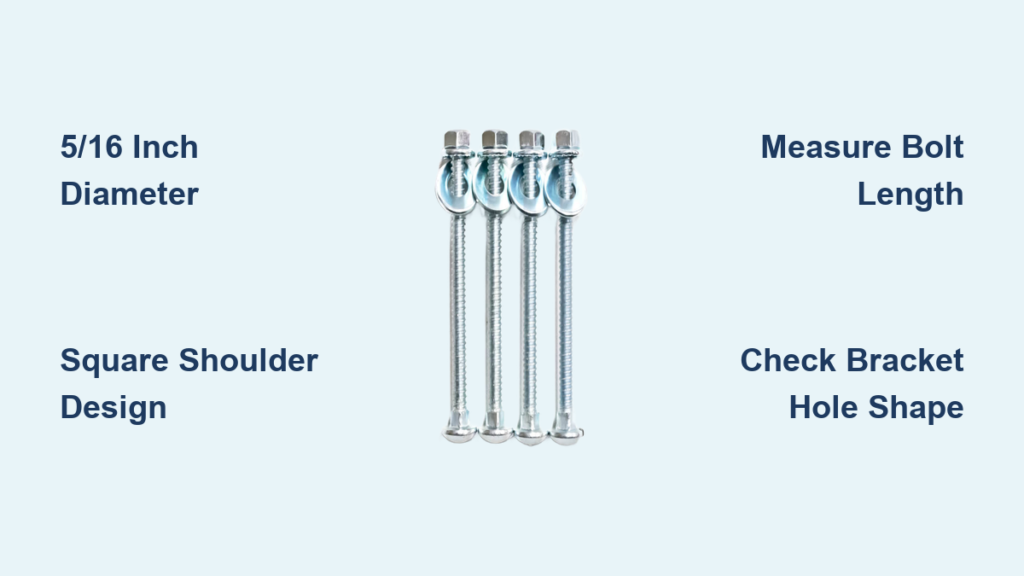
You just unboxed your new bed frame only to find the hardware missing or the provided bolts completely wrong for your setup. This common frustration stops countless DIYers from finishing their bedroom assembly because they cannot find the correct standard headboard bolt size.
This guide reveals that most modern beds use a specific 5/16-inch diameter bolt with lengths varying by bed size. You will learn how to measure your existing holes, identify the correct square shoulder design, and source universal replacements to secure your headboard safely.
Why 5/16 Inch Is the Industry Standard Diameter

The vast majority of bed frames manufactured in North America rely on a single bolt diameter for stability. This specific size balances strength with the need to fit into pre-drilled holes without splitting wood or distorting metal rails.
The Role of the Square Shoulder
Most headboard bolts feature a square section directly beneath the head. This square shoulder fits into a matching square hole in the mounting bracket. Its primary job is to stop the bolt from spinning while you tighten the nut on the other side. Without this feature, you would need two wrenches to hold both ends of the fastener.
Coarse Thread Benefits
These bolts typically use a coarse thread pattern with about 18 threads per inch. This design helps the bolt grip effectively into wood or metal brackets. The wider spacing between threads provides better holding power in softer materials like pine or particle board often used in bed frames.
Pro Tip: Never force a bolt if it feels tight immediately. A proper 5/16-inch bolt should slide smoothly into the hole before you begin threading the nut.
Determining the Correct Bolt Length for Your Bed
While the diameter stays consistent, the length of the bolt changes based on the width of your bed rails. Using a bolt that is too short creates a weak connection, while one that is too long can protrude dangerously or damage the opposite side of the rail.
Length Guidelines by Bed Size
Different bed sizes require different reach to bridge the gap between the headboard and the frame rail.
- Twin Beds: Typically need 3 to 4-inch bolts due to narrower side rails.
- Full Beds: Usually require 4 to 5-inch bolts for standard frame thickness.
- Queen Beds: Most commonly use 5 to 6-inch bolts to ensure deep engagement.
- King and Cal King: Often need 6 to 7-inch bolts because the side rails are wider and thicker.
Always measure the combined thickness of your headboard bracket and the bed frame rail before buying. Add about half an inch to this measurement to allow room for the washer and nut.
How to Measure and Identify Your Existing Bolts
If you have an old bolt or just an empty hole, accurate measurement is critical for finding a replacement. Guessing the size often leads to stripped threads or ill-fitting hardware that compromises safety.
Measuring Diameter Precisely
Use a caliper or a ruler with fine markings to measure the shaft width. Do not include the threads in this measurement, as this will give you a false reading. Compare your measurement to these common standards:
* 1/4 inch (0.250″)
* 5/16 inch (0.3125″)
* 3/8 inch (0.375″)
If your measurement is close to 0.31 inches, you have the standard 5/16-inch size used in most furniture.
Inspecting the Bracket Hole Shape
Look closely at the hole in your headboard mounting plate. If you see a round hole surrounded by a square indentation, you strictly need a bolt with a square shoulder. A standard hex bolt will simply spin in this hole, making it impossible to tighten the nut. Round-only holes may accept carriage bolts or standard hex bolts depending on the design.
Types of Bolts Used in Bed Frame Assembly
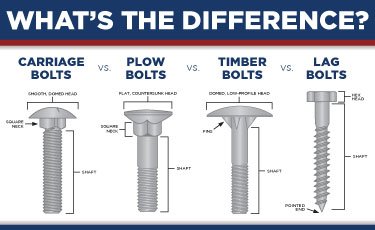
Not all furniture bolts look the same, even if they share the same diameter. Understanding the specific type your bed requires prevents buying incompatible hardware.
KD (Knock-Down) Bolts
These are the most common fasteners in flat-pack furniture from major retailers. They feature the signature square shoulder and coarse threads. Their design allows for easy assembly and disassembly, which is ideal for moving or shipping.
Carriage Bolts
Solid wood beds sometimes use carriage bolts, which have a smooth round head and a square neck. These rely on the square neck biting into the wood to prevent rotation. They are very strong but harder to remove once installed compared to KD bolts.
Why Lag Screws Are Usually Wrong
Lag screws are heavy-duty fasteners with hex heads, but they are rarely suitable for standard headboard connections. They lack the square shoulder needed for bracket alignment and can split wood over time due to their aggressive threading. Only use them if your manufacturer explicitly specifies them.
Where to Buy Universal Replacement Bolts
Finding replacements is easy once you know the specifications. You do not always need to contact the original manufacturer, though that is an option for proprietary designs.
Retail and Online Sources
Local home improvement stores often carry these in the furniture hardware aisle. Look for bins labeled “bed frame bolts” or “knock-down fasteners.” Online retailers offer a wider variety of lengths and kits specifically for bed repair.
Search for these terms to find the right products:
* 5/16 inch headboard bolt
* Bed frame connector bolts
* Furniture knock-down bolt kit
Benefits of Universal Repair Kits
Many suppliers sell kits containing four bolts, nuts, and washers. These kits are cost-effective and ensure you have matching hardware for all corners. They often include bolts of a median length that work for most bed sizes, allowing you to use washers to adjust fit if needed.
Expert Note: If your bed is an imported model, check if it uses metric M8 bolts. While similar to 5/16 inch, M8 bolts are slightly larger and will not thread correctly into imperial hardware.
Step-by-Step Installation for Secure Fitment
Proper installation ensures your headboard remains stable and does not wobble during use. Following the correct sequence prevents damage to the frame and hardware.
Tools Required for Assembly
You generally only need basic hand tools for this job. Power drills can strip threads or over-tighten the connection.
* Adjustable wrench or socket set
* Measuring tape
* Flashlight for visibility under the bed
* Screwdriver for bracket alignment
Installation Sequence
- Align the headboard brackets with the holes in the bed frame rails.
- Insert the bolt through the headboard bracket with the square shoulder first.
- Push the threaded end through the bed rail hole.
- Slide the washer onto the threads followed by the nut.
- Hand-tighten the nut until it is snug against the rail.
- Use your wrench to give the nut a final quarter-turn to secure it.
Tighten bolts diagonally, such as top-left then bottom-right, to distribute pressure evenly across the headboard.
Troubleshooting Common Headboard Bolt Problems

Even with the right size, issues can arise during assembly or over time. Knowing how to fix these problems saves you from buying new frames.
Fixing Spinning Bolts
If the bolt spins freely when you try to tighten the nut, the square shoulder is not engaged. Remove the bolt, rotate it 90 degrees, and reinsert it. Ensure the square section locks into the square part of the hole before applying torque to the nut.
Repairing Stripped Threads or Holes
If the nut will not tighten, the threads may be stripped. Replace both the bolt and the nut immediately. For damaged wood holes, mix wood glue with sawdust, pack it into the hole, let it dry, and redrill. For metal frames, a helical thread insert can restore the threading.
Dealing with Missing Hardware
If you lost the original bolts, measure the hole diameter and depth carefully. Purchase a universal kit with 5/16-inch diameter bolts and the appropriate length. Most modern beds will accept these standard replacements without modification.
Special Considerations for Unique Bed Frames
Some beds deviate from the standard design, requiring special attention to hardware selection. Antique beds, platform beds, and wall-mounted units often have unique requirements.
Antique and Vintage Frames
Older beds may use 1/4-inch bolts or wooden dowels instead of modern hardware. Some rely on hidden joinery with no bolts at all. Retrofitting these with modern 5/16-inch bolts may require drilling new holes or fabricating custom brackets.
Platform and Wall-Mounted Units
Platform beds sometimes mount the headboard directly to the platform base using threaded inserts. Wall-mounted headboards require heavy-duty toggle bolts anchored into wall studs, not standard furniture bolts. Always verify the mounting method before purchasing hardware.
Metal Frame Variations
Metal frames often use machine bolts with captive nuts rather than the square shoulder design. These require precise thread matching. Check if your metal frame needs a specific torque rating to avoid warping the metal brackets.
Maintenance Tips for Long-Lasting Stability
Regular checks ensure your headboard stays secure and quiet. A little maintenance prevents major repairs down the road.
Annual Inspection Routine
Once a year, check all bolts for looseness or rust. Tighten any loose nuts and look for cracks in the wood around the bolt holes. This simple five-minute task can prevent your headboard from becoming wobbly.
Preventing Rust and Corrosion
In humid climates, apply a small amount of anti-seize lubricant to the bolt threads. This prevents rust from fusing the nut to the bolt. Consider upgrading to stainless steel bolts if your current ones show signs of corrosion.
Upgrading for Heavy Headboards
If you have a solid wood or heavily upholstered headboard, standard bolts might struggle. Upgrade to longer bolts with washers to distribute the load. Adding L-braces can provide extra support for extremely heavy designs.
Frequently Asked Questions About Standard Headboard Bolt Size
What is the most common headboard bolt diameter?
The industry standard diameter is 5/16 inch. This size fits approximately 90% of modern bed frames and headboards sold in North America.
How do I know if I need a square shoulder bolt?
Inspect the hole in your headboard bracket. If the hole has a square section around the opening, you must use a bolt with a matching square shoulder to prevent spinning.
Can I use a longer bolt than recommended?
You can use a slightly longer bolt if it does not protrude through the other side of the bed rail. However, a bolt that is too long can damage the rail or create a safety hazard.
Are headboard bolts metric or imperial?
Most beds made in the US and Canada use imperial 5/16-inch bolts. Imported beds, particularly from Europe or Asia, may use M8 metric bolts, which are slightly larger.
Where can I buy a single replacement headboard bolt?
While some stores sell singles, it is often easier to buy a small kit of four. Check local hardware stores, furniture repair shops, or online retailers for “bed frame connector bolts.”
What happens if I use the wrong thread pitch?
Using the wrong thread pitch will prevent the nut from tightening properly. It can strip the threads on the bolt or the bracket, leading to a loose and unstable headboard connection.
Key Takeaways for Finding Your Standard Headboard Bolt Size
Finding the right hardware starts with knowing that the standard headboard bolt size is almost always 5/16 inch in diameter. Length varies from 3 to 7 inches depending on your specific bed size, so measuring your rail thickness is essential before purchasing. Always look for the square shoulder design to ensure the bolt locks into the bracket without spinning.
Verify your specific bed model and inspect the bracket hole shape to confirm compatibility. With the correct 5/16-inch bolts and proper installation, your headboard will remain sturdy and secure for years of comfortable sleep.