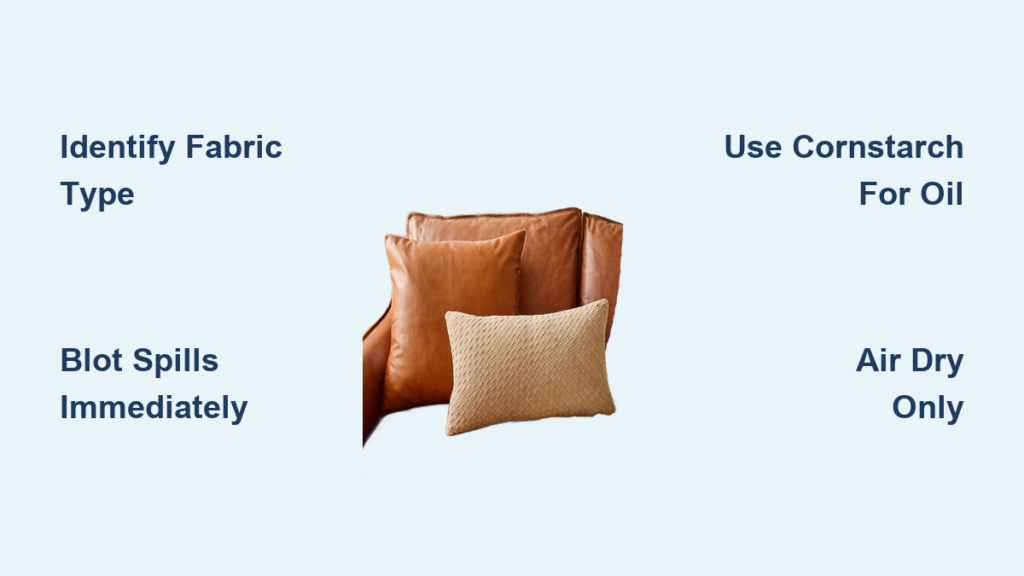
Suede pillow covers add a touch of luxury and texture to any living space, but when spills happen or dust builds up, many people freeze. How do you wash suede pillow covers without ruining them? The answer is not simple because suede can mean two very different materials: real suede and microsuede. Treating them the same way can lead to permanent damage like water spots, stiff patches, or fiber matting. The key is knowing your fabric type and using the right method. This guide walks you through safe, step-by-step cleaning techniques tailored to each material, including stain removal, odor control, drying best practices, and prevention tips.
Identify Your Suede Type First
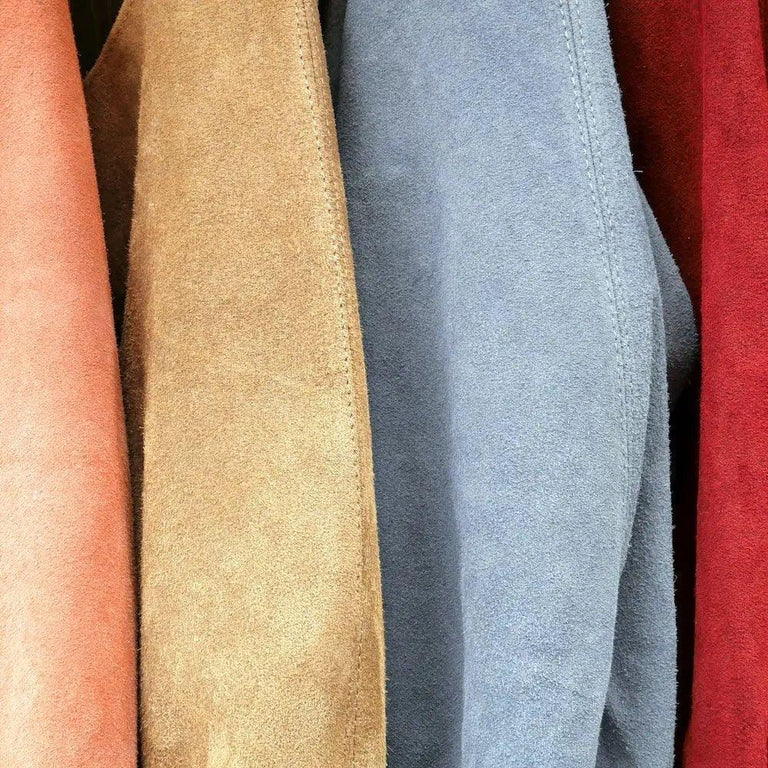
Before any cleaning, confirm whether your pillow cover is made of real suede or microsuede. Using the wrong method can destroy the fabric.
Check the Care Label
Look for a tag on the cover that specifies one of the following details. This information determines your cleaning approach.
- “100% polyester” indicates likely microsuede
- “Genuine suede,” “lambskin,” or “cowhide” indicates real suede
- Cleaning codes like “S” mean solvent only, “W” means water-safe, and “X” means dry clean only
If the label says dry clean only, do not attempt home washing, especially for real suede.
Perform the Water Test
If there is no label, test a hidden area like a seam. Dab a drop of water with a clean cloth. If the water beads up, the fabric is likely microsuede and water-resistant. If it absorbs quickly and darkens, the fabric is likely real suede and absorbent. This simple test guides your next steps safely.
Immediate Spill Response: Blot, Do not Rub
When a spill happens, act fast but gently. The way you respond in the first few minutes determines whether a stain becomes permanent.
Stop Stain Spread
Use a clean, absorbent cloth or paper towel. Press down lightly to blot. Never rub or scrub because rubbing pushes liquid deeper into fibers and damages the nap, which is the soft surface texture. Continue blotting until no more moisture transfers to the cloth.
Pro Tip: Keep a microfiber cloth handy near seating areas for quick response when spills occur.
Clean Water-Based Stains Safely
Spills like coffee, juice, or wine need targeted treatment based on your fabric type. The approach differs significantly between real suede and microsuede.
For Microsuede: Vinegar Solution
Mix equal parts white vinegar and water. Dampen a microfiber cloth and wring until barely damp. Gently dab the stain in small circular motions. Let air dry completely, which takes 4 to 8 hours. Brush with a soft toothbrush to restore texture. Avoid soaking because excess moisture can seep into backing layers.
For Real Suede: Dry Cleaning Only
Let the area air dry naturally first. Once dry, use a pencil eraser or soft toothbrush to lift residue. For lingering discoloration, dampen a cloth with a few drops of white vinegar or 70% isopropyl alcohol. Lightly dab the spot and air dry, then brush. Never pour water directly on real suede because it causes rings and stiffness.
Warning: Water on real suede creates permanent discoloration that cannot be reversed.
Remove Oil and Grease Stains
Makeup, lotions, or food oils require a dry-absorption method rather than water-based cleaning. These substances repel water, so a different approach is necessary.
Use Cornstarch to Draw Out Oil
Sprinkle cornstarch generously over the greasy area. Let sit for 10 minutes to overnight, depending on severity. Brush off with a soft-bristled brush or vacuum with brush attachment. Cornstarch pulls oil out without wetting the fabric, making it safe for both suede types.
Follow Up if Needed
For microsuede, wipe with a vinegar-water cloth, then air dry and brush. For real suede, avoid moisture. Repeat the cornstarch treatment if needed or use a suede-specific cleaner. This natural absorbent works without damaging delicate fibers.
Deodorize Without Damage
Pillows absorb odors from pets, smoke, or everyday use. Here is how to freshen them safely.
Baking Soda Treatment
Lightly sprinkle baking soda over the entire surface. Let sit for 15 to 20 minutes, or up to several hours for strong smells. Vacuum thoroughly with a soft brush attachment. Brush to restore nap. This method is safe for both real and synthetic suede.
Expert Note: Do not leave baking soda on too long because over-drying can make fibers brittle in real suede.
Deep Clean Microsuede Covers at Home
If your care label permits, microsuede can be deep cleaned carefully at home. Always verify before proceeding.
Mild Soap Cleaning Method
Mix a few drops of mild dish soap like Dawn with lukewarm water. Dip a microfiber cloth and wring until almost dry. Wipe soiled areas in small circles. Use a second water-dampened cloth to rinse soap residue. Air dry away from sunlight. Brush when fully dry to restore texture.
Steam Cleaning If Label Allows
Use a handheld garment steamer on low setting. Hold 2 to 3 inches from fabric and do not soak. Gently pass over stained areas. Immediately brush to lift fibers. Only use this method if the care tag explicitly permits steam.
Never machine wash microsuede unless the label explicitly states it is safe.
Leave Real Suede to Professionals
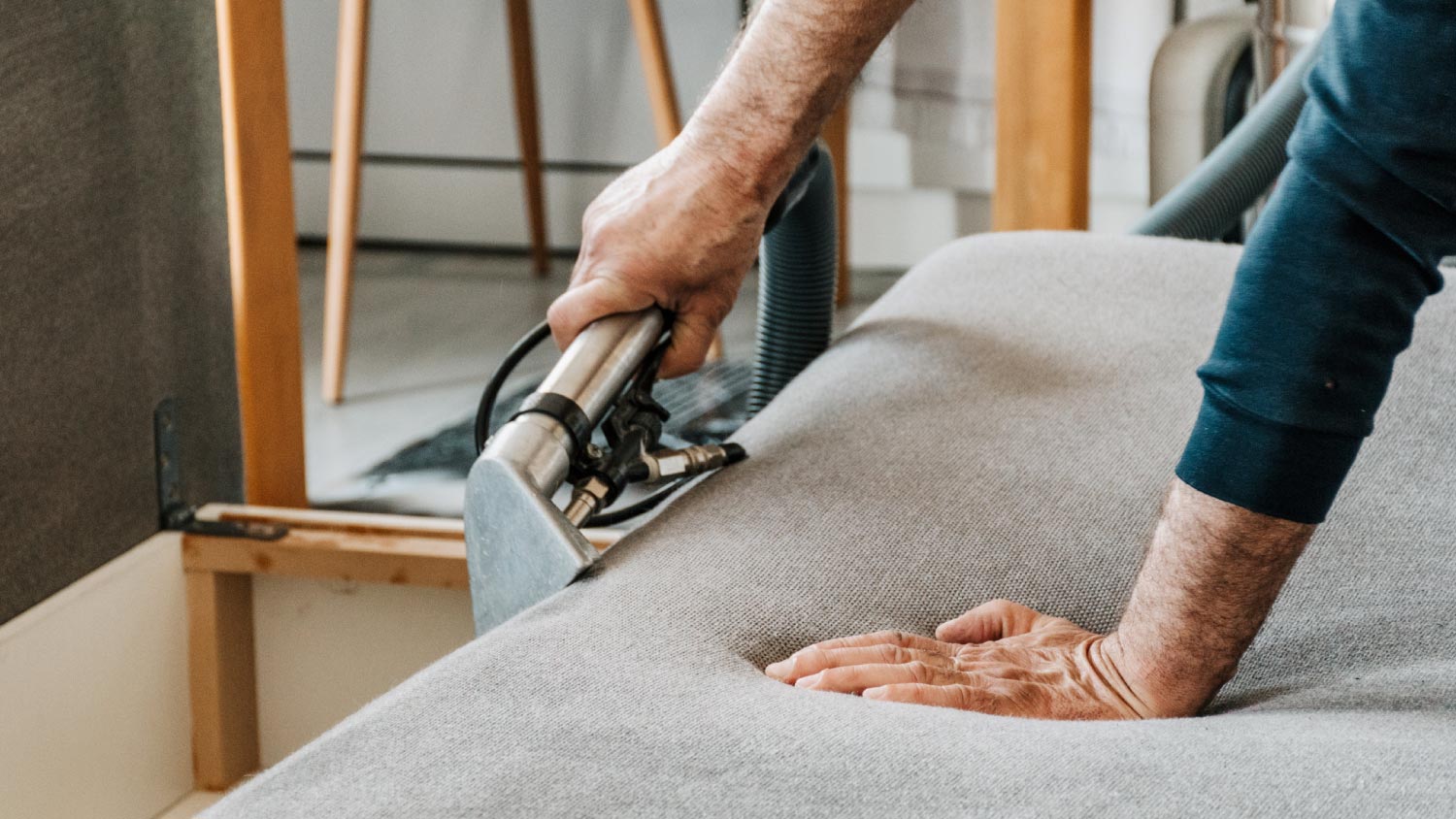
Real suede is too delicate for most DIY methods. Understanding why helps you make the right choice.
Why Home Washing Fails
Water causes permanent discoloration and stiffness in real suede. Soap leaves residues that attract more dirt. Brushing wet suede damages the nap permanently. Even gentle cleaning can ruin the texture irreversibly.
Choose Professional Cleaning
Take items to a dry cleaner experienced with suede or nubuck. Alternatively, hire an in-home upholstery service. Costs typically range from $20 to $50 per cover, depending on size and region. Professionals use solvent-based systems that clean without moisture damage.
Exception: Some real suede items are pre-treated and labeled water-safe. Always verify this on the care label first.
Dry Properly to Prevent Damage
How you dry matters as much as how you clean. Improper drying can ruin everything your cleaning accomplished.
Air Dry Only
Lay flat or hang in a well-ventilated room. Keep away from direct sunlight, which fades color. Keep away from radiators, heaters, or hair dryers, which cause shrinkage. Allow 4 to 8 hours for full drying. Never wring or twist the fabric because it distorts shape and texture.
Speed Drying Safely
Place near a fan or dehumidifier for faster drying. Flip occasionally for even airflow. Still avoid heat sources. Patience prevents warping and watermarks.
Can You Machine Wash Suede Pillow Covers?
Generally, no, but check the label carefully for specific instructions.
When It Is Allowed
Only some microsuede covers are machine washable. Confirm machine washable appears on the tag. Use cold water and gentle cycle. Place in a mesh laundry bag to reduce friction. Use mild detergent with no bleach or softener. Always air dry and never use a dryer.
Risks of Machine Washing
Real suede will shrink, stiffen, or develop dark spots. Microsuede may lose softness or develop pilling. Both risk irreversible nap damage that cannot be repaired.
Bottom Line: When in doubt, do not machine wash.
Restore Texture After Cleaning
A smooth, velvety finish depends on proper brushing. This step is essential for maintaining the luxurious feel of suede.
Brush the Nap Correctly
Use a soft suede brush or clean toothbrush. Brush in one direction, not back and forth. Apply light pressure to lift flattened fibers. Do this after every cleaning or drying session.
Pro Tip: Brush weekly during routine maintenance to prevent matting and maintain appearance.
Protect Against Future Stains
Prevention keeps your covers looking new longer and reduces the need for deep cleaning.
Apply Fabric Protector
Spray with a suede-safe repellent like Scotchgard, Bick 4, or Kiwi Suede Protector. Hold 6 to 8 inches away and apply evenly. Let dry 1 to 2 hours before use. Reapply every 6 to 12 months or after cleaning. This creates an invisible shield against spills and oils.
Test First: Spray a hidden area to check for discoloration before applying to the entire cover.
Use Removable Covers or Protectors
Slip on washable cotton or polyester pillow protectors underneath. This approach is ideal for homes with kids or pets. Change and launder the protectors regularly. This acts as a barrier while preserving the suede look.
Prevent Damage in High-Use Homes
Suede requires extra care in active households with children or pets. Making smart choices protects your investment.
Choose Pet- and Child-Safe Alternatives
Consider switching to waterproof microsuede, anti-scratch upholstery fabrics, or wipe-clean synthetic leathers. Some manufacturers offer suede-like materials that are scratch-resistant and waterproof, which are ideal for families.
Daily Habits That Help
Avoid placing pillows near eating areas. Do not rest oily skin or hair products directly on covers. Trim pet nails regularly to prevent snags. Small changes extend fabric life significantly.
When to Call a Professional
Know when DIY is not enough. Sometimes professional help saves money by preventing damage.
Signs You Need Expert Help
Call a professional for set-in stains older than 48 hours. Seek help for large spills covering more than 25% of the cover. Professional cleaning is best for vintage or expensive pieces. Also consult a pro for unknown fabric type or missing labels. Any real suede item not labeled for home cleaning requires expert care.
Finding the Right Service
Ask dry cleaners if they clean suede and nubuck specifically. Look for upholstery specialists with positive online reviews. Request in-home estimates if cleaning multiple items. Investing in pro care saves money long-term by avoiding replacement costs.
Essential Tools and Supplies
Keep these items on hand for regular upkeep and quick spill response.
Must-Have Cleaning Kit
| Tool | Purpose |
|---|---|
| Soft suede brush | Lift nap, remove dry debris |
| Microfiber cloths | Gentle wiping, apply cleaners |
| Handheld vacuum | Remove dust, pet hair |
| Cornstarch | Absorb oil stains |
| White vinegar | Treat water-based stains |
| Baking soda | Deodorize fabric |
| 70% isopropyl alcohol | Spot clean real suede |
| Mild dish soap | Clean microsuede |
| Fabric protector spray | Prevent future stains |
Substitutions: A clean toothbrush works if you do not have a suede brush.
Suede Care Do is and Don ts
Follow these rules to keep covers beautiful and extend their lifespan.
Do
Identify material before cleaning. Blot spills immediately. Use minimal moisture. Air dry naturally. Brush regularly. Test cleaners on hidden spots first. Use professional cleaning for real suede.
Do Not
Rub or scrub stains because it spreads damage. Use hot water or heat to dry. Machine wash unless the label explicitly allows it. Use bleach, ammonia, or strong chemicals. Oversaturate the fabric. Ignore care labels.
Sticking to these guidelines prevents costly mistakes and keeps your suede looking luxurious.
Frequently Asked Questions About Washing Suede Pillow Covers
Can I wash suede pillow covers in the washing machine?
Only some microsuede pillow covers can be machine washed, and only if the care label explicitly states this. Real suede should never be machine washed because it will shrink, stiffen, or develop permanent water spots. When in doubt, hand cleaning or professional cleaning is safer.
How do I remove a water stain from suede pillow covers?
For microsuede, dab with a vinegar-water solution and let air dry before brushing. For real suede, let the area dry completely and then use a pencil eraser or soft toothbrush to lift the stain. Avoid applying water directly to real suede.
What is the best way to clean oil stains from suede?
Sprinkle cornstarch generously over the oily area and let it sit for 10 minutes to several hours. Brush off the cornstarch and repeat if necessary. This method draws out oil without damaging fibers and works for both real and synthetic suede.
How often should I clean my suede pillow covers?
For decorative or lightly used pillow covers, deep cleaning once per year is typically sufficient. Vacuum and brush the nap weekly to remove dust and prevent matting. Clean spills immediately when they occur.
Can I use steam cleaning on suede pillow covers?
Steam cleaning is only safe for microsuede if the care label permits it. Use a handheld steamer on low setting and hold it several inches from the fabric. Never steam real suede because moisture causes permanent damage.
How do I get odors out of suede pillow covers?
Sprinkle baking soda over the entire surface and let it sit for 15 to 20 minutes. Vacuum thoroughly with a soft brush attachment. Brush to restore the nap. This method safely removes odors from pets, smoke, and everyday use.
Key Takeaways for Washing Suede Pillow Covers
Cleaning suede pillow covers is not about washing. It is about smart, targeted care tailored to your specific material type. Microsuede can often be refreshed at home using gentle methods like vinegar solutions, mild soap, and careful brushing. Real suede, however, should almost always be professionally cleaned to avoid permanent damage.
Regular maintenance goes a long way in preserving appearance and longevity. Vacuum weekly, blot spills immediately, and brush the nap to prevent matting. Apply a fabric protector spray every 6 to 12 months to create a barrier against future stains. For high-use households, consider using removable protectors underneath decorative suede covers.
When in doubt, check the care label or consult a professional. Taking the extra time to identify your material and use the correct method ensures your suede pillow covers stay soft, luxurious, and beautiful for years to come.