You have found the perfect bed frame, but now you face a critical styling hurdle: how to measure headboard height accurately. Getting this dimension wrong can make your bedroom feel unbalanced or cramped. A headboard that is too tall might overwhelm low ceilings, while one that is too short disappears behind your mattress.
This guide shows you exactly how to measure headboard height without confusion. You will learn where to start your tape measure, how to account for mattress thickness, and which common mistakes to avoid. Follow these steps to ensure your new purchase fits your space perfectly.
Determine Your Starting Point for Measurement
The first decision you must make is where to place the bottom of your tape measure. Confusion often arises because different manufacturers use different reference points.
Measure from the Floor Up
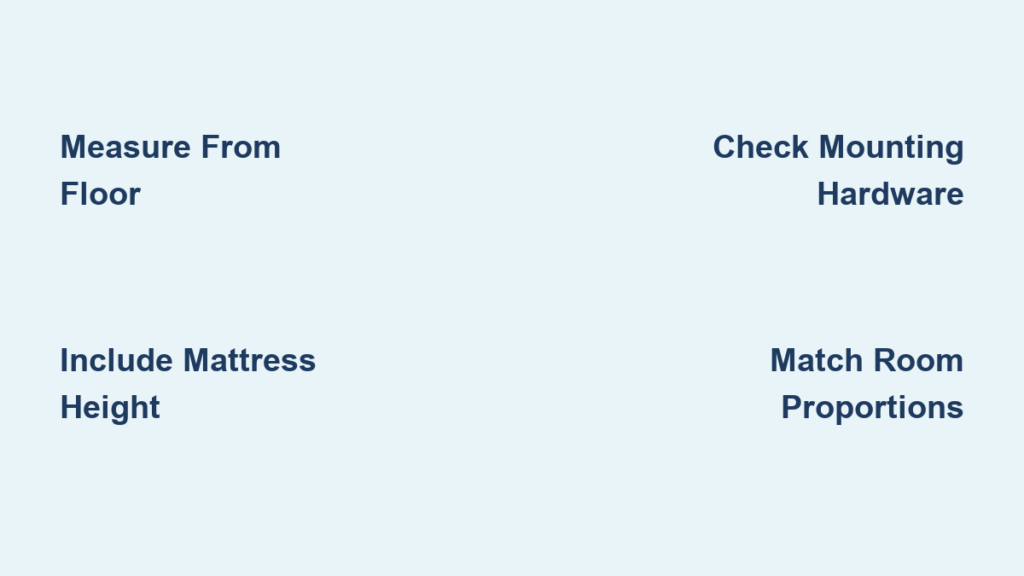
Most standard measurements run from the floor to the very top of the headboard. This method gives you the full vertical profile of the piece. It is the most reliable way to determine if the item will fit in your room physically. Place your tape measure vertically along the center line of the headboard. Ensure the tape stays straight, as tilting it will result in false numbers.
If you are measuring an uninstalled headboard, stand it upright on a flat surface. Measure from the floor to the highest point, including any decorative finials or carved peaks. Do this before attaching it to a bed frame for the cleanest reading.
Calculate Height from Mattress Top
Some product listings describe height from the top of the mattress rather than the floor. This can be misleading if you do not know your specific mattress thickness. A typical mattress ranges from 10 to 14 inches high. Consequently, a headboard listed as “36 inches from mattress top” could stand 46 to 50 inches tall in your actual room.
Always confirm the reference point before buying. If the listing is unclear, measure your current mattress height. Add that number to the listed dimension to estimate the total height from the floor.
Pro Tip: For a balanced look, aim for 6 to 12 inches of headboard visible above the mattress. This ensures the piece provides visual weight without dominating the wall.
Account for Your Specific Bed Frame Type
Your bed frame style dictates how the headboard sits and where the mounting points lie. Ignoring the frame type leads to alignment issues.
Standard Bed Frames
Traditional frames usually have the headboard sitting behind the structure, connecting via bolts. Here, the height includes the entire structure from floor to top. You must measure from the floor to the top mounting holes to ensure compatibility.
Most standard frames lift the mattress 6–12 inches off the ground. Consider this math:
* Floor to bed frame: 8 inches
* Mattress height: 12 inches
* Desired visibility above mattress: 10 inches
* Minimum headboard height needed: 30 inches
Platform Beds
Platform beds often feature lower profiles or built-in headboards. If adding a separate piece, check for pre-drilled holes and their distance from the floor. Since these beds sit lower, a standard tall headboard might extend awkwardly high into the room.
Measure from the floor to the top of the platform’s mounting area. Compare this strictly to your new headboard’s hole spacing. Mismatched heights can cause instability or poor visual alignment.
Adjustable or Wall-Mounted Beds
For adjustable bases or wall-mounted setups, you have more flexibility. These often attach directly to the wall, independent of the frame. In these cases, measure from the floor to your desired eye-level point.
Custom installations allow you to tailor height for comfort. A common choice is setting the top at 54 to 60 inches from the floor. This height supports sitting up comfortably and complements most ceiling lines.
Gather the Right Tools for Accuracy
Using the wrong tools leads to errors that cost time and money. Prepare your equipment before you begin.
Tape Measure and Level
A 25-foot retractable tape measure works best for vertical tasks. Have a helper hold the bottom end while you extend it to the top. Keep the tape taut and perfectly vertical. Any angle adds false height to your reading.
Use a carpenter’s level against the headboard to confirm it stands straight. A leaning piece gives skewed results. If you are installing, level the item first, then measure.
Notepad and Camera
Write down every number immediately to avoid forgetting details. Record the following:
* Total height from floor to top
* Mounting hole positions from the floor
* Exact mattress height
* Bed frame height
Take a photo of your setup with the tape measure in place. This visual aid helps when consulting with sellers or shopping online.
Common Mistake: Measuring only the main panel and ignoring decorative tops. Always measure to the highest point, even if it is a small metal finial.
Match Headboard Height to Room Proportions

The perfect height depends on your room’s scale. A massive headboard in a small room feels oppressive, while a tiny one in a grand room looks lost.
Ceiling Height and Visual Balance
Your ceiling height dictates the maximum advisable headboard size. In a room with 8-foot (96-inch) ceilings, a headboard over 54 inches starts to dominate the space. Anything over 60 inches may feel crushing unless you have high windows to balance it.
Follow these design guidelines:
* Low ceilings (under 8 feet): Choose headboards under 50 inches
* Standard ceilings (8–9 feet): 50–60 inches works well
* High ceilings (9+ feet): You can go taller, even 72+ inches for drama
Expert Note: In small rooms, a very tall headboard makes the space feel smaller. Opt for vertical lines or open designs to maintain an airy feel.
Bed Positioning Matters
Check the wall space above your bed. If your bed sits near a window, door, or artwork, measure the available clearance. A tall headboard might block light or clash with decor.
Measure from the floor to the bottom of any obstruction. Subtract your mattress and frame height to find your maximum usable headboard height.
Follow Standard Size Guidelines by Bed
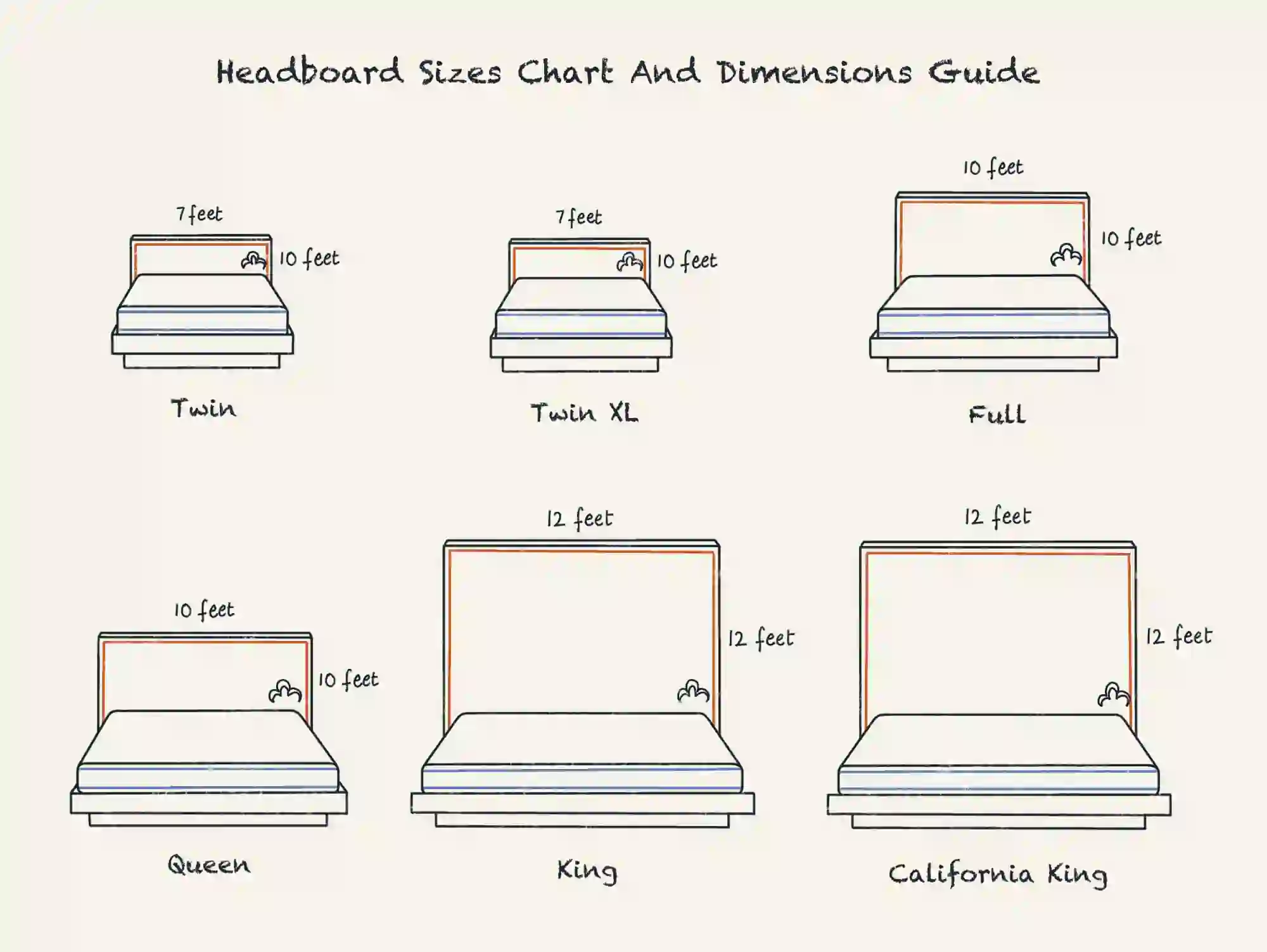
Bed size correlates strongly with appropriate headboard height. Sticking to standards ensures the piece does not overpower the sleeping area.
Twin and Full Beds
Smaller beds pair best with proportionally shorter headboards:
* Twin: 38–50 inches tall
* Full: 40–54 inches tall
These heights prevent the headboard from swallowing the bed. For children’s rooms or minimalist designs, shorter is often better.
Queen and King Beds
Larger beds require more height for presence and back support:
* Queen: 50–60 inches tall
* King: 50–62 inches tall
Many upholstered or wingback styles for queens and kings fall in the 58–62 inch range. This provides generous support when sitting up and fills the wall effectively.
Style Tip: For a modern look, choose a headboard extending just above the mattress (40–48 inches). For traditional luxury, aim higher (58+ inches).
Install and Verify Height Before Finalizing
Do not bolt everything down immediately. Verification prevents costly errors.
Temporarily Position Before Securing
Test-fit the headboard before attaching it permanently. Stand it in place and step back to assess the look. Sit on the bed to check if it supports your back comfortably.
Use painter’s tape to mark the top height on the wall. This helps you visualize the final appearance with bedding and pillows in place.
Adjust for Mattress Thickness
Once the mattress is on the bed, measure from its top surface to the headboard peak. If less than 6 inches shows, it may look too short. If it towers more than 18 inches above, it might dominate the room.
Choose a headboard with adjustable legs or multiple mounting holes if possible. This allows you to fine-tune the height after installation.
Avoid Common Measurement Errors
Even careful people make mistakes. Watch out for these specific pitfalls.
Ignoring Mounting Hardware
Legs or brackets can add 2–6 inches to the total height. A headboard listed as 54 inches may actually stand 58 inches tall once legs are attached. Always check assembly instructions and include hardware in your math.
Measuring Only the Fabric or Wood
Do not stop at the main panel. If there is a crown, finial, or carved top, measure to the very highest point. Designers include these details for impact, and they count toward the total height.
Assuming All Beds Are Equal
Bed frame heights vary widely. A platform bed might be 12 inches high, while a sleigh bed could be 20 inches. Your headboard’s appearance depends entirely on this base. Always measure your complete bed setup from floor to top of mattress before deciding.
Frequently Asked Questions About Headboard Height
What is the standard height for a queen headboard?
A standard queen headboard typically ranges from 50 to 60 inches tall. This height provides adequate back support and visual balance for the bed size. Always verify if the measurement includes the frame legs.
How much of the headboard should show above the mattress?
For the best aesthetic balance, 6 to 12 inches of the headboard should remain visible above the mattress. This ensures the piece looks intentional without overwhelming the sleeping area.
Do I measure headboard height from the floor or the bed?
You should primarily measure from the floor to the top for total height. However, some manufacturers list height from the mattress top. Always clarify the starting point to avoid fitting errors.
Can I install a tall headboard in a room with low ceilings?
Yes, but proceed with caution. In rooms with ceilings under 8 feet, keep the headboard under 50 inches to avoid a cramped feeling. Tall designs can make low rooms feel smaller.
Does the bed frame affect headboard height measurement?
Yes, the frame height changes how much of the headboard is visible. A higher frame reduces visible height, while a low platform bed makes the headboard appear taller. Measure your specific frame setup.
Key Takeaways for Measuring Headboard Height
Measuring headboard height requires more than just a quick glance. You must measure from the floor to the highest point, account for your specific mattress thickness, and consider your ceiling height. Ignoring mounting hardware or decorative peaks leads to incorrect fits.
Start by gathering a tape measure and level. Determine your bed frame type and calculate the ideal visibility above your mattress. By following these steps, you ensure your new headboard enhances your bedroom rather than cluttering it. Measure twice, buy once, and enjoy a perfectly proportioned sleep space.