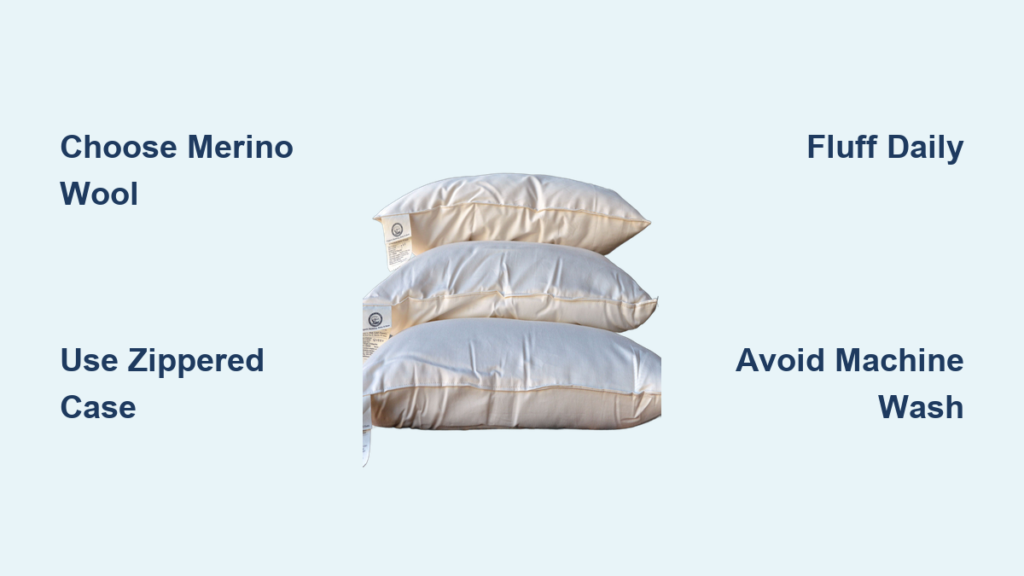
Wool pillows offer a natural, breathable, and long-lasting alternative to synthetic or down-filled options. Unlike memory foam that traps heat or polyester that sheds microplastics, a wool pillow regulates temperature, resists allergens, and supports sustainable living. If you’re looking to craft a comfortable, chemical-free sleeping companion, learning how to make a wool pillow is both practical and rewarding. This guide walks you through every step from sourcing high-quality wool to sewing a durable, zippered case and maintaining your pillow for years.
Choose the Right Wool Type

Selecting the appropriate wool type is the foundation of a comfortable, durable pillow. The breed and processing method directly impact loft, support, and how long your pillow maintains its shape.
Merino, Dorset, or Cheviot Wool
For optimal comfort and longevity, select wool from Merino, Dorset, or Cheviot sheep. Merino wool is exceptionally fine and soft, ideal for sensitive skin and superior loft retention. Dorset and Cheviot breeds produce springy, elastic fibers that provide excellent cushioning and resilience. These types maintain structure longer than coarser wools, making them best suited for head and neck support.
Uncarded vs Carded Wool
Use uncarded wool for maximum initial loft. Uncarded fibers retain their natural crimp and air pockets, offering fluffier fill right out of the bag. While carded wool creates a more uniform batting, it can reduce bounce and volume. If consistency matters more than fluff, lightly card the wool yourself using hand or drum carders, but start with uncarded to test comfort.
Avoid Raw Fleece Without Cleaning
Never use raw, unwashed fleece directly in a pillow. Raw wool contains lanolin, sweat, and debris that can cause odors or clumping. Instead, source scoured (washed) wool cleaned with hot water and biodegradable soap. Pre-scoured wool is safe, hypoallergenic, and ready to use. If working with raw fleece, wash it gently in lukewarm water, rinse thoroughly, and dry flat before fluffing.
Source Sustainable, Clean Wool
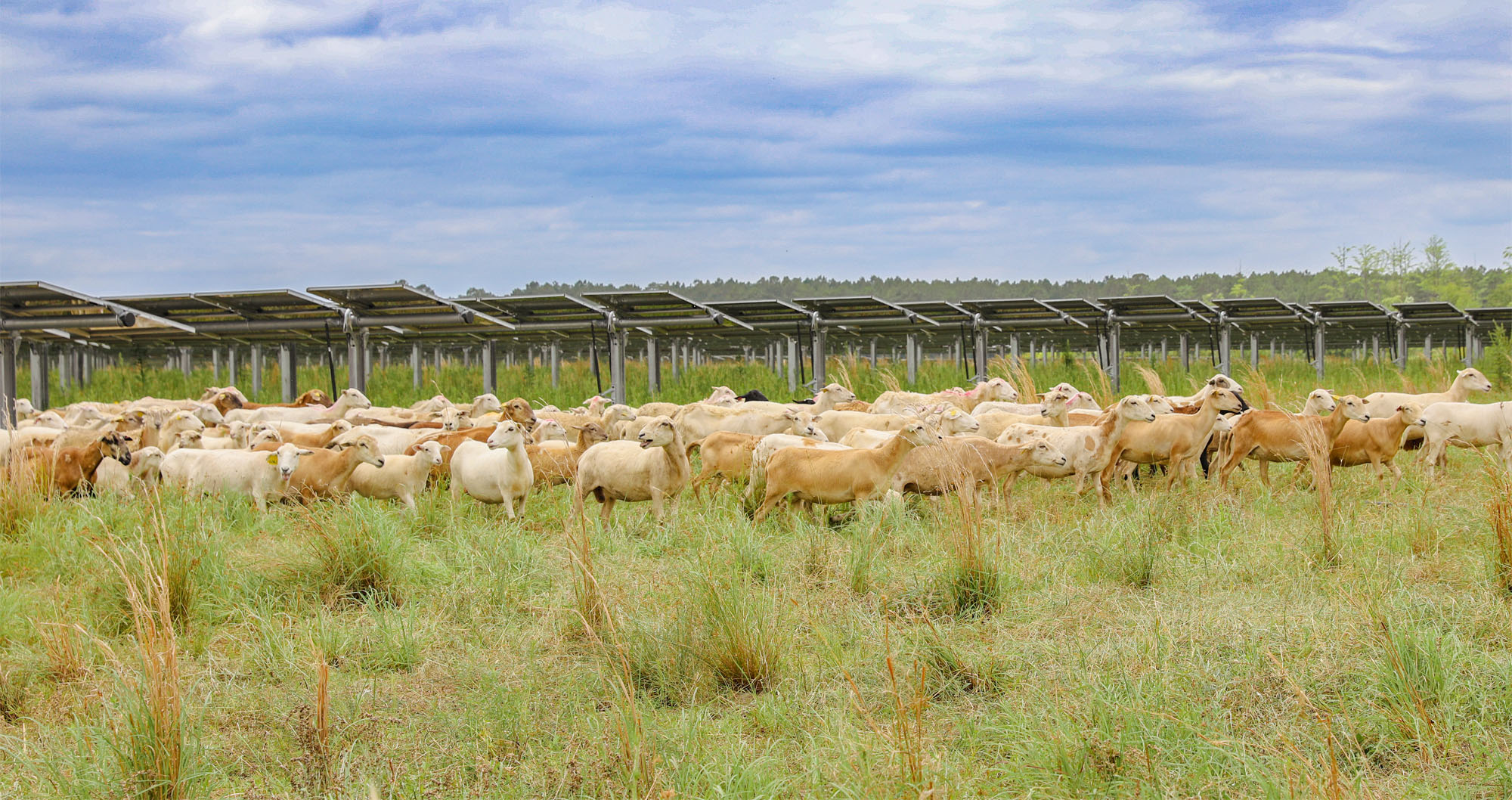
Where and how you source wool affects both product quality and environmental impact. Ethical suppliers provide clean, well-processed materials that perform better and align with sustainable values.
Buy From Ethical Suppliers
Choose wool from farms committed to regenerative agriculture and animal welfare. Recommended suppliers include:
• Full Circle Wool: Offers climate-beneficial, traceable wool rolls
• DIY Natural Bedding: Sells pre-washed, chemical-free batting
• CeCe’s Wool: GOTS-certified, made in the USA
• Kyle Farm (NY) and Ferndale Farms (CA): Focus on humane treatment and ecological land management
• Greenfleece Fiber Mill: Processes wool using eco-friendly carding methods
Look for GOTS and Climate-Beneficial Labels
Prioritize GOTS (Global Organic Textile Standard) certification for both wool and fabric. GOTS ensures no synthetic pesticides, toxic dyes, or harmful finishes. Also seek climate-beneficial wool sourced from farms using rotational grazing that captures carbon in soil. These certifications support environmental health and ethical production.
Test Wool Before Committing
Order a small sample first. Check for:
• Softness and springiness
• Absence of strong lanolin smell
• Minimal plant matter (hay or burrs are normal and harmless)
• Loft recovery after compression
This helps confirm quality before investing in larger quantities.
Determine Fill Amount by Size
Getting the fill amount right ensures your pillow provides the support you need without excessive compression over time. Starting with the correct amount saves rework later.
Standard Pillow Fill Weights
Use this guide to estimate how much wool you need:
| Pillow Size | Soft Fill (lbs) | Firm Fill (lbs) |
|---|---|---|
| Standard (20×26 in) | 1.5 | 2.5 |
| Queen (20×30 in) | 2.0 | 3.0 |
| King (20×36 in) | 2.5 | 3.5 |
| Body (18×54 in) | 3.0 | 4.0 |
Firmness refers to height, not hardness. Wool remains pliable regardless of density.
Customize for Your Needs
Start with 1.5 to 3 lbs of batting depending on size and preferred firmness. For a 16×16 inch pillow, less than 1 kg (0.8 to 0.9 kg) is sufficient. Add less initially. You can always insert more after testing. Allow for 30% compression over 2 to 4 weeks. Wool settles naturally but stays supportive.
Replenish Over Time
Wool lasts years but may lose volume. Replenish with ½ lb refill packs (approximately $15 to $25) every few years to restore loft. Most suppliers sell replacement batting separately.
Build a Zippered, Dual-Layer Case
The pillow case system protects your wool filling while allowing easy cleaning and future adjustments. A well-designed case extends the life of your pillow significantly.
Use Organic Cotton or Linen
The case must be breathable and non-toxic. Choose 100% GOTS-certified organic cotton or linen for both inner and outer layers. Avoid synthetics like polyester, which trap heat and reduce airflow.
Make a Removable Outer Cover
Design a double-layer case system:
• Inner case: Permanent, soft sateen cotton that stays with the wool
• Outer case: Removable, durable doubleknit cotton for easy washing
This setup protects the filling while allowing regular cleaning of the surface you touch.
Sew a Full-Length Zipper
Install a full-length zipper on the short side for full access. This lets you adjust fill, re-fluff, or clean the wool when needed. Use a zipper foot on your sewing machine for precision. Hide the pull in a fabric pocket to prevent noise and snagging.
Cut Fabric With Seam Allowance
Cut two identical fabric pieces. Add ½ inch (1.25 cm) seam allowance on all sides. For zipper installation, extend one edge by 1 to 2 inches to accommodate stitching. Pre-wash fabric to prevent shrinkage.
Assemble the Pillow From Scratch
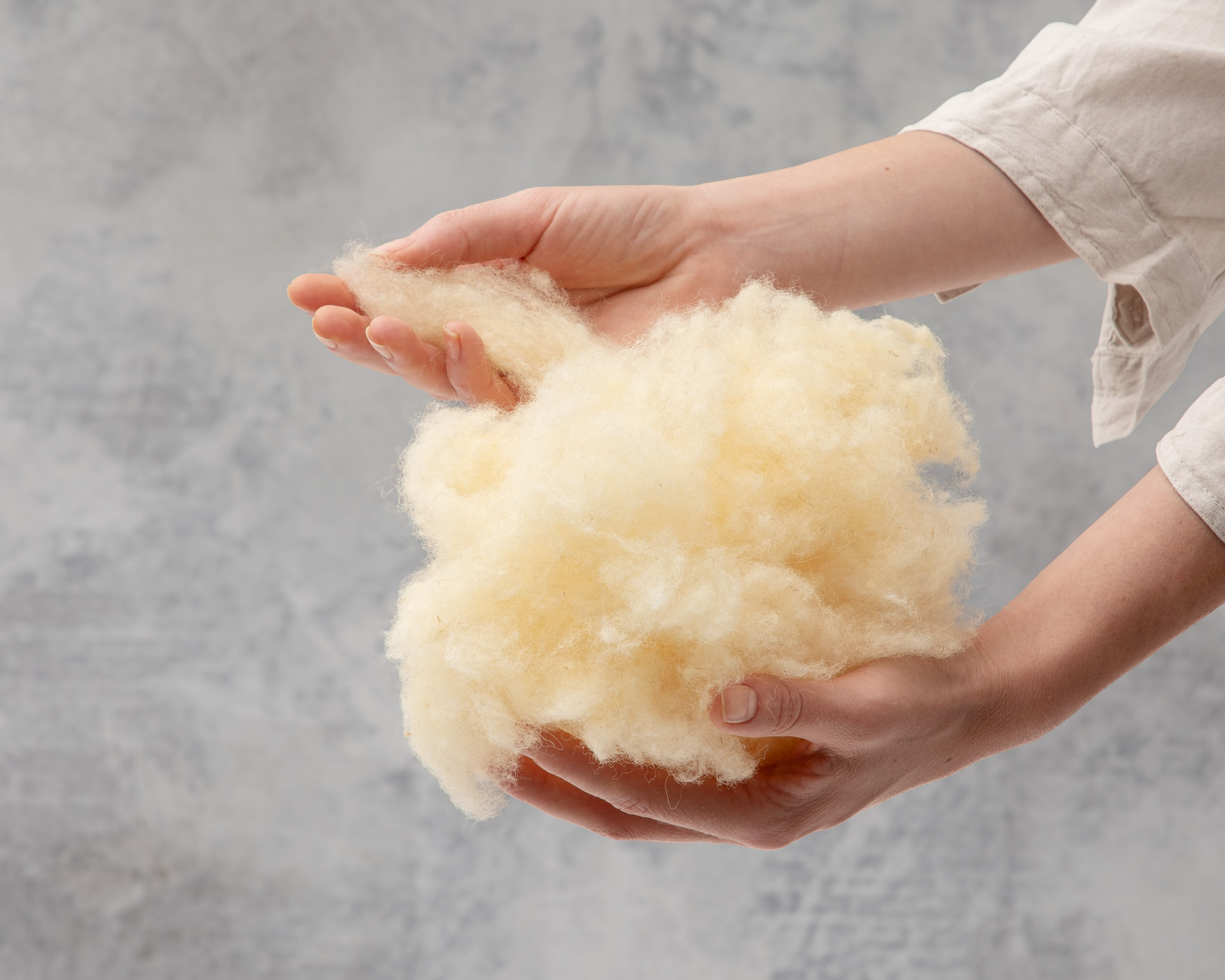
With materials ready, you can now construct your pillow. This process involves preparing the wool, sewing the case, and stuffing everything together.
Prepare Wool for Stuffing
Fluff the wool by hand to break up clumps and restore airiness. If using batts, gently stretch and tease the fibers. Do not over-compress. For added scent, mix in a few tablespoons of dried lavender buds, naturally calming and antimicrobial.
Sew the Inner Case First
- Place fabric pieces right sides together
- Pin and sew three sides with a ½-inch seam
- Attach the zipper to the open edge using a zipper foot
- Turn right-side out and press lightly
Repeat for the outer case if making both layers.
Insert Wool in Layers
- Open the zipper fully
- Insert small handfuls of wool, starting with corners and edges
- Distribute evenly. Avoid clumping in the center
- Check firmness as you go. Soft means less densely packed with more fluffed fibers. Firm means more wool with less pre-fluffing
Leave a little room to add or remove wool later.
Close and Finalize
Zip the case securely. If using a permanent design (no zipper), hand-stitch the opening with an invisible ladder stitch, but this limits future access. Always prefer zippers for long-term usability.
Customize Firmness and Feel
Your sleeping position and personal preferences determine the ideal firmness. Wool pillows adapt to your needs when you understand how to adjust fill.
Adjust by Sleep Position
Match pillow firmness to your sleeping style:
| Sleep Position | Recommended Firmness | Why |
|---|---|---|
| Back or Stomach | Soft | Prevents neck strain with lower profile |
| Side | Firm | Supports head and neck alignment |
| Children / Cuddlers | Soft | Gentle for hugging and small frames |
| Broad Shoulders | Firm | Needs extra height for spinal balance |
Test for 2 to 4 weeks, then adjust fill as needed after compression.
Add Lavender for Aromatherapy
Mix ¼ cup dried lavender into the wool for a soothing scent. Lavender calms the nervous system and enhances sleep quality. Ensure buds are fully dry to prevent moisture buildup. Replace every 6 to 12 months for fresh fragrance.
Maintain Loft and Freshness
Proper maintenance keeps your wool pillow comfortable and hygienic for years. Simple routines prevent compaction and odor buildup.
Fluff Daily and Air Monthly
Extend pillow life with simple routines:
• Shake and knead every morning to redistribute fibers
• Hand-fluff weekly to break up dense spots
• Air in sunlight every 3 to 6 months for 2 to 4 hours. UV rays kill bacteria and restore loft
Sun exposure also removes odors naturally.
Avoid Machine Washing the Fill
Never machine-wash wool stuffing. Agitation, heat, or strong detergents cause felting, irreversible matting and shrinkage. If cleaning is necessary:
• Hand wash in cold or warm water with mild soap
• Gently squeeze out water. Do not wring
• Dry flat in sunlight. Never use a dryer
Wash Only the Outer Cover
The outer case is machine-washable in hot water. The inner case can be washed as needed, but ensure it dries completely before reinserting wool. Spot clean the surface with a damp cloth for minor stains.
Prevent Felting and Compression
Felting destroys the loft that makes wool pillows comfortable. Understanding what causes it helps you avoid permanent damage.
Never Use Heat or Agitation
Heat and friction are the enemies of wool. Never put wool in a dryer, washer, or iron. Even tumble drying with “no heat” is risky if wool dryer balls are used. Felting destroys loft and makes the pillow flat and dense.
Store Properly When Not in Use
Store the pillow in a breathable cotton bag, not plastic. Keep in a cool, dry place away from moisture. Avoid compressing under heavy items. This speeds up permanent flattening.
Re-Fluff or Re-Card When Needed
If wool compacts over time, remove it and hand-knead or re-card using hand cards. Some mills, like St. Peter Woolen Mill, offer professional re-lofting services, washing and reprocessing to restore original fluffiness.
Maximize Longevity and Eco-Impact
Wool pillows are an investment in sustainable sleep. With proper care, they outlast synthetic options while supporting environmentally responsible agriculture.
Expect 8+ Years of Use
With proper care, a wool pillow lasts 8 to 10 years or more. High-quality fibers resist wear, retain elasticity, and stay hygienic without chemicals. Replenish with fresh batting every few years to maintain support.
Compost at End of Life
Unlike synthetic pillows that sit in landfills, wool is biodegradable and compostable. At the end of its life, bury the wool in your garden. It breaks down naturally and enriches soil. The organic cotton case can also be composted.
Support Regenerative Agriculture
Choose wool from farms practicing rotational grazing, which improves soil health and captures carbon. Brands like Full Circle Wool and Ferndale Farms support climate-beneficial farming, turning sheep into allies for planetary healing.
Compare Wool to Other Pillow Types
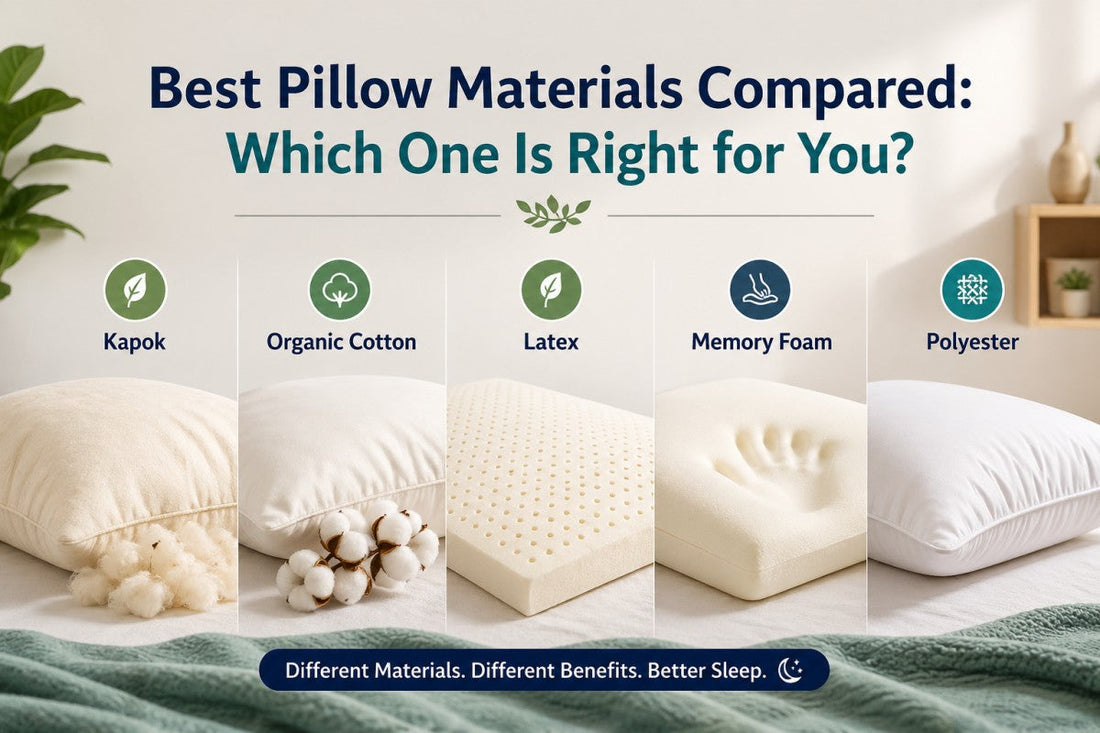
Understanding how wool stacks up against other materials helps you appreciate its benefits and make informed choices.
Why Wool Outperforms Alternatives
| Feature | Wool | Down | Memory Foam | Polyester |
|---|---|---|---|---|
| Breathability | Excellent | Good | Poor | Fair |
| Moisture Wicking | High (absorbs 30% weight) | Moderate | Low | Low |
| Hypoallergenic | Yes (deters dust mites) | No (unless treated) | Varies | Often treated |
| Fire Safety | Natural resistance | None | Requires chemicals | Requires chemicals |
| Lifespan | 8+ years | 5 to 7 years | 2 to 4 years | 1 to 3 years |
| Eco-Friendliness | High (biodegradable) | Moderate | Low (petrochemical) | Low (microplastics) |
Wool wins in sustainability, health, and durability.
Ideal for Sensitive Sleepers
Wool is perfect for people with:
• Allergies or asthma (naturally dust-mite resistant)
• Night sweats (excellent moisture management)
• Chemical sensitivities (no off-gassing)
• Temperature sensitivity (self-regulating warmth)
It also benefits eco-conscious users seeking zero-waste, non-toxic bedding.
Frequently Asked Questions About Making a Wool Pillow
What type of wool is best for pillow filling?
Merino, Dorset, and Cheviot wools are the best choices. Merino offers exceptional softness and loft retention. Dorset and Cheviot provide springy, elastic fibers that maintain cushioning over time. Always choose scoured (washed) wool rather than raw fleece.
How much wool do I need for a standard pillow?
A standard 20×26 inch pillow requires 1.5 to 2.5 lbs of wool depending on desired firmness. Queen size needs 2 to 3 lbs, while king size requires 2.5 to 3.5 lbs. Start with less and add more after testing comfort.
Can I wash a wool pillow in the washing machine?
Never machine-wash the wool filling. Agitation and heat cause permanent felting. Only the outer cover is machine-washable. For the inner case and wool fill, hand wash gently in cold or warm water, then air dry flat.
How do I prevent my wool pillow from flattening?
Fluff the pillow daily by shaking and kneading. Air it in sunlight every 3 to 6 months. Use a zipper case so you can remove and re-fluff the wool periodically. Avoid storing the pillow compressed under heavy items.
How long does a wool pillow last?
With proper care, a wool pillow lasts 8 to 10 years or longer. Wool fibers are naturally durable and resilient. You can extend the life further by replenishing with fresh batting every few years.
Is wool pillow filling hypoallergenic?
Yes, wool is naturally hypoallergenic. It deters dust mites by maintaining low humidity levels around the fibers. Wool also inhibits mold and mildew growth due to its moisture-wicking properties. Choose untreated, chemical-free wool for maximum benefit.
Key Takeaways for Making Your Own Wool Pillow
Making a wool pillow is a sustainable, health-forward project that pays off in comfort and longevity. By choosing high-loft Merino or Dorset wool, sewing a zippered organic cotton case, and customizing firmness to your sleep position, you create a personalized sleep solution that lasts for years. Always start with slightly less fill than you think you need. You can add more after the wool compresses during the first few weeks.
Regular fluffing and sun airing keep your pillow fresh. Never machine-wash the wool filling. Use a zipper closure to allow future adjustments and re-fluffing. With responsible sourcing and proper care, your wool pillow becomes part of a circular, eco-friendly lifestyle that supports both better sleep and healthier planet.