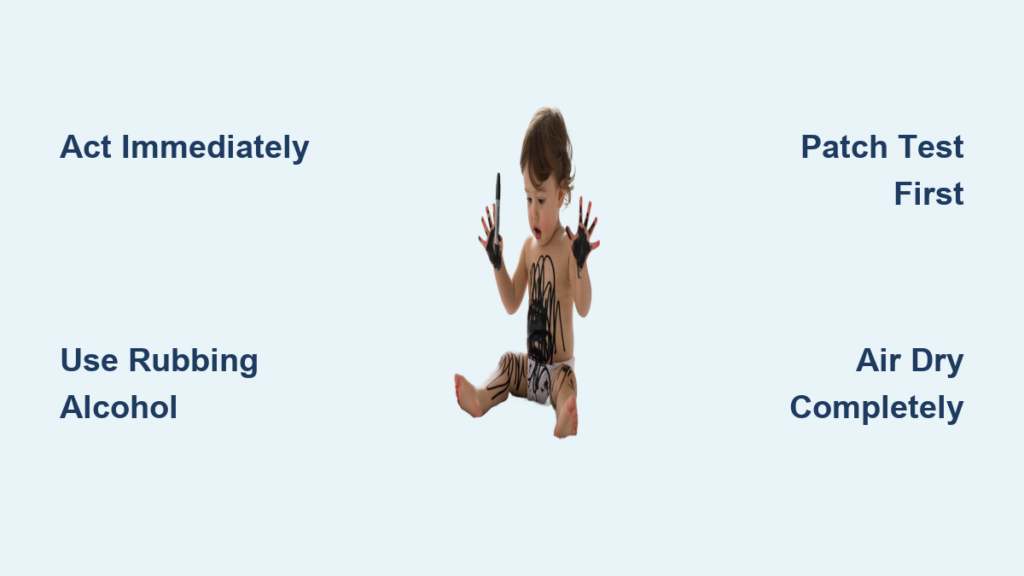
A fresh Sharpie mark on your favorite bedspread feels like a disaster, but you can fix it with the right solvent and quick action. Learning how to get Sharpie out of bedspread requires blotting instead of rubbing while avoiding heat until the ink is completely gone.
This guide shows you how to use rubbing alcohol or hand sanitizer for fresh stains and when to upgrade to Amadex for old marks. You will discover safe application steps, why air drying is critical, and how to handle delicate vintage quilts without causing damage.
Act Immediately to Stop Ink From Setting
Time is your most valuable tool when removing permanent marker from fabric. Fresh stains sit on the surface fibers, while dried ink bonds deeply and resists standard cleaning agents.
Blot Gently Instead of Rubbing
Rubbing pushes ink deeper into the weave and spreads the pigment to clean areas. Use a dry white cloth to gently press down on the stain and lift excess wet ink. Work from the outer edges inward to contain the mess effectively.
Place a Protective Barrier Underneath
Slip a stack of paper towels or a dry cloth directly beneath the stained section. This barrier catches ink that bleeds through the fabric layers during treatment. It protects your mattress or underlying sheets from becoming stained themselves.
Use Rubbing Alcohol for Fresh Stains
Isopropyl alcohol breaks down the solvent-based pigments in Sharpie ink effectively. This common household item works well on cotton, linen, and polyester bedspreads when applied correctly.
Apply Alcohol With Precision
Dip a clean cloth in rubbing alcohol with at least 70 percent concentration or use an alcohol-based hand sanitizer. Dab the solution directly onto the stain and let it sit for five to ten minutes. The gel form of sanitizer often works better because it stays in place without dripping.
Repeat Blotting Cycles Until Faded
Press a fresh part of your cloth onto the area to lift the dissolved ink. You will see the color transferring to the cloth, which means the method is working. Reapply the alcohol and repeat the process multiple times for stubborn marks.
Patch Test for Colorfastness First
Always test the alcohol on a hidden seam or corner before treating the main stain. Some fabric dyes react poorly to alcohol and may fade or bleed onto surrounding areas. Stop immediately if you notice any color lifting during this test.
Try Hand Sanitizer as an Effective Alternative
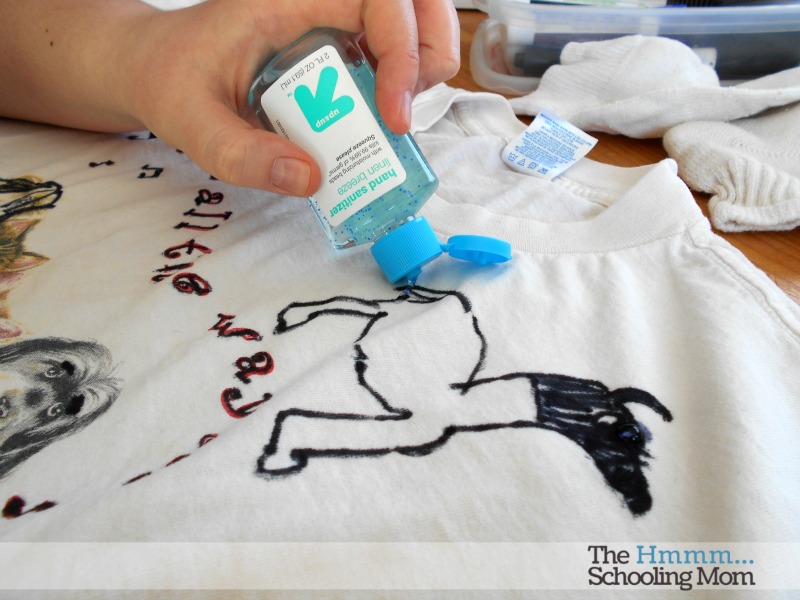
Hand sanitizer serves as an excellent substitute for pure rubbing alcohol in many situations. Its thick consistency makes it ideal for vertical surfaces or spots where liquid might run.
Why Gel Formulas Work Better
Most sanitizers contain between 60 and 95 percent alcohol mixed with gelling agents. This combination clings to the fabric longer than liquid alcohol, allowing for deeper penetration. Apply a generous layer, wait ten minutes, then blot away the lifted ink.
Rinse Thoroughly After Treatment
Wash the treated area with cold water to remove any remaining sanitizer residue. Follow up with a gentle wash cycle using mild detergent to restore the fabric texture. This step ensures no sticky film remains on your bedspread.
Upgrade to Amadex for Tough Old Stains
Standard home remedies sometimes fail on aged or set-in ink marks. Amadex is a professional-grade remover designed specifically for porous materials like quilts and heavy bedspreads.
Use the Brush Tip for Precision
Apply Amadex using its fine brush applicator to trace over small letters or intricate marks. This tool lets you target the stain exactly without soaking surrounding fabric. Watch closely as the ink begins to migrate to your protective barrier.
Let It Sit Overnight With Plastic Wrap
Cover the treated area with plastic wrap to prevent the solvent from evaporating too quickly. Leave this setup in place for eight to twelve hours to allow deep penetration. Remove the wrap in the morning, rinse thoroughly, and launder as usual.
Wash and Dry Your Bedspread Correctly
Proper washing locks in your cleaning results, but only if you follow specific temperature guidelines. Heat can permanently set any remaining ink, so caution is essential during this phase.
Use the Hottest Safe Water Temperature
Check the care label on your bedspread to determine the maximum safe water temperature. Wash the item in the hottest water allowed to help dissolve residual ink deep within the fibers. Use a gentle cycle for delicate or vintage pieces.
Air Dry Until You Verify Removal
Hang the bedspread or lay it flat to dry completely before making any final judgments. Inspect the area under bright light to ensure no trace of the marker remains. Only use a machine dryer once you are certain the stain is gone.
Handle Vintage Quilts With Extra Care
Older textiles require a gentler approach due to weakened fibers and unstable dyes. Preservation of the fabric integrity often takes priority over perfect stain removal.
Test Hidden Seams Before Full Application
Vintage dyes may not be colorfast even if they have survived previous washes. Apply your chosen solvent to a small, inconspicuous area and wait ten minutes. Look for any signs of discoloration or texture changes before proceeding.
Accept That Some Marks May Remain
Decades-old ink may have chemically bonded beyond the reach of modern solvents. Aggressive treatment could damage fragile threads or cause more harm than the stain itself. Consider viewing persistent marks as part of the item’s unique history.
Use Hydrogen Peroxide on White Fabrics Only
Hydrogen peroxide acts as a mild bleaching agent that can oxidize and lift ink from white materials. This method is strictly for white bedspreads as it poses a high risk of discoloration on colors.
Dab Peroxide and Wait
Apply 3 percent hydrogen peroxide to the stain using a cotton ball or clean cloth. Let it sit for five to ten minutes to allow the oxidation process to lighten the ink. Blot the area gently and rinse with cold water.
Avoid Colored or Printed Bedspreads
Never use peroxide on dyed fabrics as it will likely strip the color along with the ink. The result could be a bleached spot that looks worse than the original Sharpie mark. Stick to alcohol-based solutions for colored items.
Compare Removal Methods for Best Results
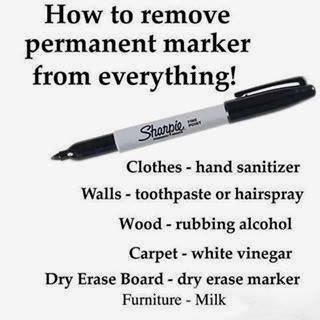
Choosing the right agent depends on the age of the stain and the type of fabric you are treating. Understanding the strengths of each method helps you select the most effective approach.
- Rubbing Alcohol: Best for fresh stains on general fabrics with high success rates.
- Hand Sanitizer: Ideal for spot treatment where liquid control is necessary.
- Amadex: Superior for old stains and precision work on porous materials.
- Hydrogen Peroxide: Reserved exclusively for white fabrics needing bleaching action.
Avoid These Common Cleaning Mistakes
Errors during the cleaning process can turn a removable stain into a permanent fixture on your bedding. Awareness of these pitfalls increases your chances of success.
Using Bleach on Colored Fabrics
Chlorine bleach destroys dyes and can leave permanent rings on colored bedspreads. Reserve bleach only for white items that are explicitly labeled as bleach-safe. Using it on colors often results in irreversible damage.
Skipping the Patch Test Step
Even safe solvents can react unpredictably with unknown fabric blends or aged dyes. Always perform a patch test in a hidden area before applying any chemical to the visible stain. This simple step prevents catastrophic color loss.
Drying Before the Stain Is Gone
Impatience is the leading cause of permanent ink setting. One cycle in a hot dryer can bond remaining ink molecules to the fibers forever. Wait until you have visually confirmed total removal before using heat.
Troubleshoot Partial Removal Results
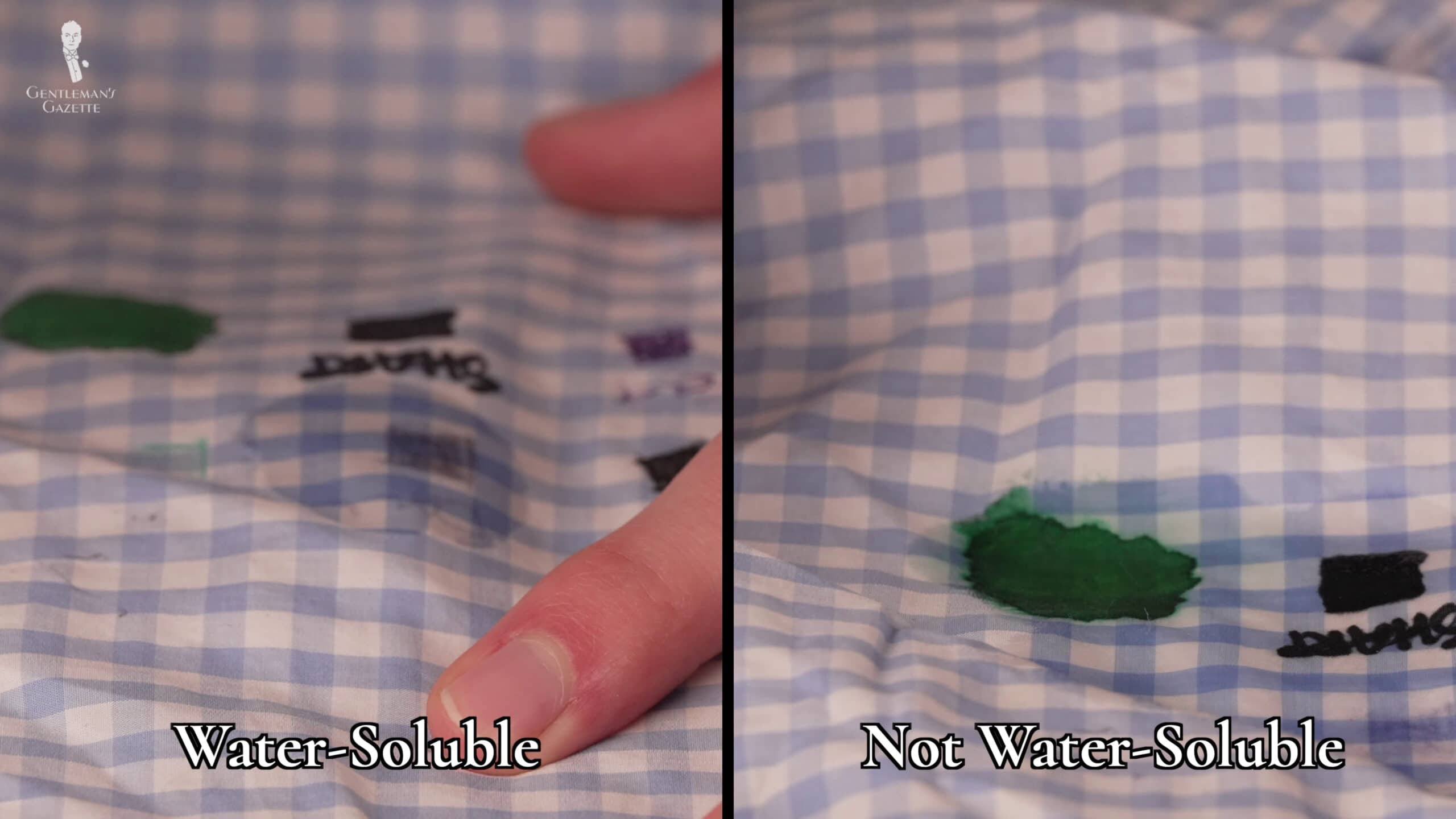
Sometimes a stain fades but does not disappear completely after the first attempt. This indicates that ink remains deep within the fiber structure.
Re-Treat Faded Areas
Apply your solvent again and increase the dwell time for better penetration. Use the plastic wrap method to keep the area saturated for several hours. Repeat this process three or four times before washing again.
Manage Ink Bleeding Through Layers
Seeing ink on the back of the fabric or your barrier cloth is actually a good sign. It means the solvent is pulling the pigment out of the fibers. Replace your barrier towels frequently to prevent re-depositing the ink.
Remove Residual Odors or Stiffness
Strong smells or stiff textures indicate leftover cleaning agents in the fabric. Wash the bedspread again with detergent and add an extra rinse cycle. Air dry the item to check if the texture has returned to normal.
Maintain Your Bedspread After Cleanup
Protecting your bedding from future accidents ensures your hard work lasts longer. Simple habits can prevent similar disasters from happening again.
Rotate Bedding and Use Covers
Use a washable duvet cover to shield delicate or vintage bedspreads from direct contact. Rotate your bedding weekly to prevent localized wear and tear on specific areas. This practice extends the life of your linens significantly.
Keep Cleaning Supplies Handy
Store rubbing alcohol and clean white cloths in your linen closet for quick access. Immediate action is the single biggest factor in successful stain removal. Having these items ready saves time and improves outcomes.
Frequently Asked Questions About Removing Sharpie
Will rubbing alcohol remove Sharpie from all fabrics?
Rubbing alcohol works on most cotton, linen, and polyester blends but may damage delicate silks or wools. Always patch test hidden areas first to ensure the solvent does not lift the fabric dye.
How long should I let the solvent sit on the stain?
Allow alcohol or sanitizer to sit for five to ten minutes to penetrate the fibers effectively. For old or stubborn stains, you may need to leave the solution on overnight using plastic wrap to prevent evaporation.
Can I put my bedspread in the dryer after washing?
Do not use a dryer until you are absolutely certain the stain is completely gone. Heat permanently sets ink, so air dry the item first and inspect it carefully under bright light.
Is hand sanitizer better than rubbing alcohol for this task?
Hand sanitizer is often better for vertical surfaces because its gel consistency prevents dripping. Both contain high alcohol content, but the thicker formula allows for longer contact time on the stain.
What if the Sharpie stain is on a vintage quilt?
Treat vintage quilts with extreme caution by testing solvents on hidden seams first. Older dyes may not be stable, and complete removal might not be possible without risking fabric damage.
Key Takeaways for Getting Sharpie Out of Bedspread
Success in removing Sharpie depends on acting fast, choosing the right solvent, and avoiding heat until the stain vanishes. Fresh marks respond well to rubbing alcohol or hand sanitizer, while older stains may require specialized removers like Amadex with overnight treatment.
Always patch test your chosen method and air dry the bedspread to verify results before machine drying. With patience and the correct technique, you can restore your bedding and avoid permanent ink damage.