A bare wall behind your bed can make a room feel unfinished, but learning how to decorate a bedroom without a headboard turns this challenge into a stylish opportunity. You can create a cozy, high-end look by using paint, textiles, and lighting to define your sleeping space.
This guide reveals ten expert strategies to anchor your bed and add visual weight without buying new furniture. You will discover how to use statement walls, layered pillows, and smart storage to build a cohesive sanctuary that feels intentional and complete.
Create a Bold Focal Wall Behind the Bed
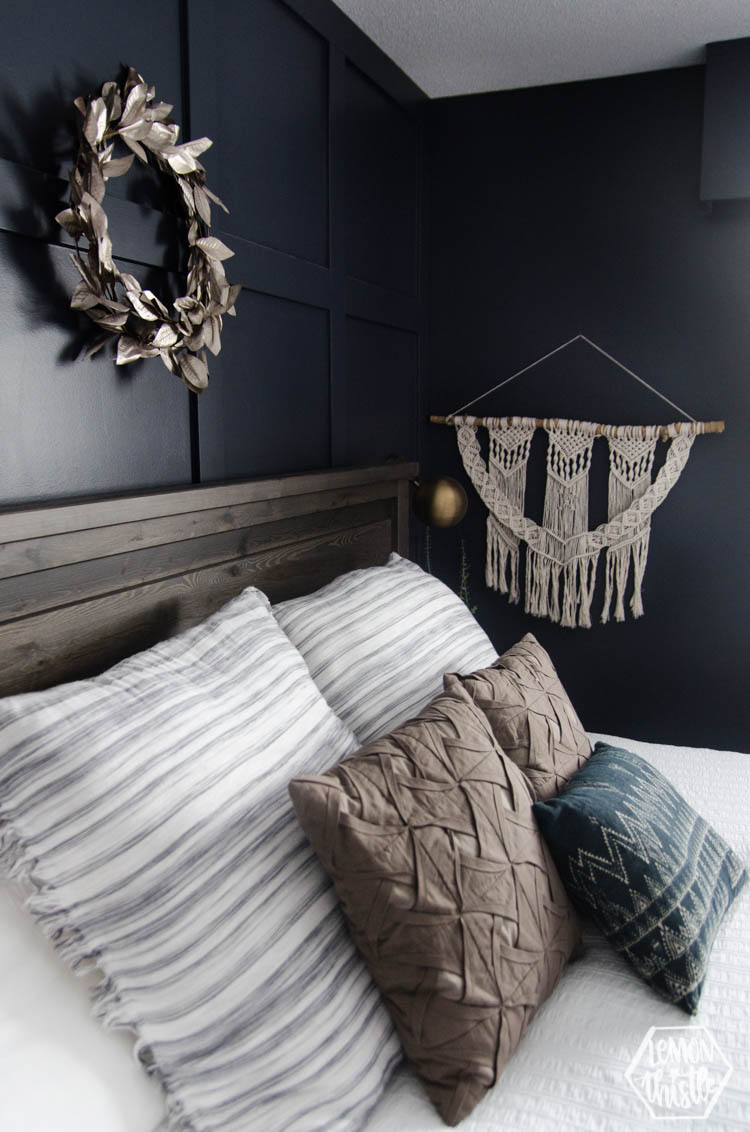
Painting the wall behind your bed is the most effective way to replace the visual mass of a traditional headboard. This technique frames the sleeping area and draws the eye immediately to the center of the room.
Use Contrasting Paint Colors
Select a deep or contrasting hue for the wall directly behind your mattress to create a defined zone. Colors like navy blue, warm terracotta, or sage green add significant depth to the space.
* Apply an ombre effect for a modern gradient look that transitions from dark to light.
* Extend the paint slightly wider than the bed to visually broaden the room.
Install Wood Slats or Paneling
Wooden wall treatments introduce warmth and architectural interest that mimics a built-in headboard. Vertical slats add height while horizontal panels create a wider appearance.
* Choose reclaimed wood for a rustic aesthetic or stained oak for a sleek finish.
* This method adds texture without the bulk of a standing furniture piece.
Hang Oversized Art or Tapestries
A single large piece of artwork or a woven tapestry fills the vertical void dramatically and personally. Center the piece six to eight inches above the top edge of your mattress for proper scaling.
* Use adhesive rails in rental properties to avoid damaging walls with nails.
* Select abstract canvases or vintage prints that reflect your personal style.
Layer Textiles to Mimic Headboard Support
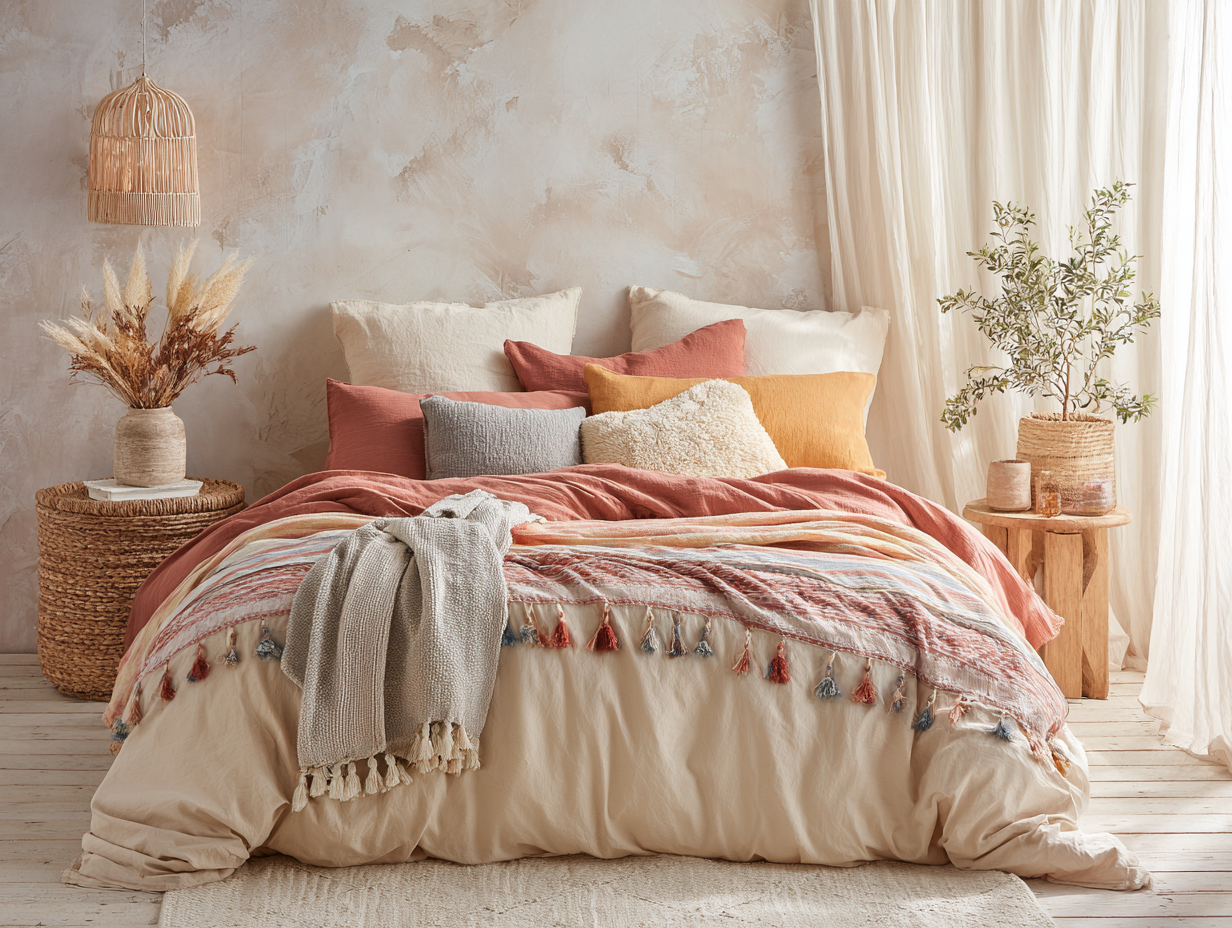
Your bedding arrangement must work harder when you do not have a headboard to provide back support and visual structure. Strategic layering creates the illusion of volume and comfort.
Stack Pillows for Functional Backrest
Arrange firm decorative pillows behind your standard sleeping pillows to simulate the support of an upright headboard. Start with large Euro shams at the back and layer smaller lumbar pillows in front.
* Use foam inserts to prevent pillows from collapsing during use.
* Avoid overstuffing with too many soft pillows that lack structural integrity.
Mix Textures for Visual Depth
Combine materials like velvet, linen, knit, and faux fur to create a rich tactile experience. A chunky cable-knit throw draped at the foot of the bed adds necessary weight to the lower section.
* Drape an embroidered quilt across one side for an asymmetrical boho look.
* Varying textures prevents the bed from looking flat against the wall.
Style with Statement Duvets
Choose a duvet cover with bold patterns or tonal textures to draw attention upward toward the wall. This shifts the focus from the missing headboard to the overall design of the bed.
* Look for fabrics with inherent texture like matelassé or heavy cotton.
* Ensure the pattern scale matches the size of your bed frame.
Install Floating Shelves Above the Bed

Floating shelves provide the vertical presence of a headboard while offering practical display space for your favorite items. They extend the visual height of the bed area effectively.
Mount Staggered Shelf Arrangements
Install two or three floating shelves above the mattress to create a curated display zone. Keep the arrangement minimal to avoid a cluttered appearance above your sleeping space.
* Style with small potted succulents and scented candles.
* Stack hardcover books and ceramic objects for varied heights.
* Include mini framed photos to personalize the space.
Secure Shelves into Wall Studs
Always mount shelves directly into wall studs to ensure they can hold weight safely. This is critical when placing heavier decorative items above where you sleep.
* Use a level to ensure shelves are perfectly straight.
* Check weight limits for your specific shelf hardware before installing.
Frame the Sleeping Area with Lighting

Lighting fixtures can occupy the visual space where a headboard would usually sit, adding ambiance and framing the bed without physical bulk.
Install Wall Sconces on Both Sides
Mounting sconces on either side of the bed eliminates the need for bulky table lamps and frames the sleeping zone elegantly. Choose adjustable arms for reading or sculptural designs for artistic flair.
* Use warm bulbs between 2700K and 3000K for a cozy atmosphere.
* Select plug-in models if you cannot access electrical wiring inside the wall.
Drape String or LED Lights
Fairy lights draped across the ceiling or woven through a canopy frame add a whimsical glow that defines the bed area. LED strips installed behind the bed frame create a floating illusion.
* This works especially well in bedrooms with high ceilings.
* Use dimmable options to control the mood for relaxation.
Utilize Weighty Floor Lamps
Place matching floor lamps on either side of the bed if wall mounting is not an option. Choose bases made of stone, ceramic, or woven materials to add visual weight.
* Ensure the lamp height aligns with the top of your pillow stack.
* This balances the open space left by the missing headboard.
Define the Zone with Rugs and Curtains
Floor and window treatments help ground the bed and create a sense of enclosure that replaces the function of a headboard.
Lay a Large Area Rug
Position a rug so it extends at least 18 to 24 inches beyond the sides of the bed. For queen or king beds, an 8×10 rug or larger ensures the bed sits comfortably on the textile.
* Choose textured weaves like shag, flatweave, or jute for warmth.
* This anchors the furniture grouping and defines the sleeping zone.
Hang Ceiling-High Curtains
Mount curtain rods close to the ceiling and wider than the bed frame to create a four-poster effect. Floor-length panels in heavy fabric add drama and softness to the room.
* Double the width of your curtain panels for a luxurious full look.
* Use sheer linen for an airy feel or velvet for maximum impact.
Balance the Room with Symmetrical Furniture
Surrounding furniture must provide symmetry and function to compensate for the open space at the head of the bed.
Add a Bench at the Foot of the Bed
Place an upholstered bench or storage ottoman at the end of the bed to add utility and visual balance. This piece mirrors the weight missing from the top of the bed.
* Use it for seating or storing extra blankets and shoes.
* Select a fabric that complements your primary bedding colors.
Use Matching Nightstands
Even minimal matching nightstands on both sides of the bed create necessary harmony. Style them with identical lamps or plants to reinforce symmetry.
* Floating nightstands work well to maintain clean lines.
* Consistency on both sides prevents the room from feeling lopsided.
Incorporate a Full-Length Mirror
Lean a tall mirror against the wall opposite the bed to reflect light and expand the perceived space. This adds a decorative element that distracts from the lack of a headboard.
* Choose a frame style that matches your room theme.
* Position it to catch natural light from windows.
Choose a Cohesive Color Scheme
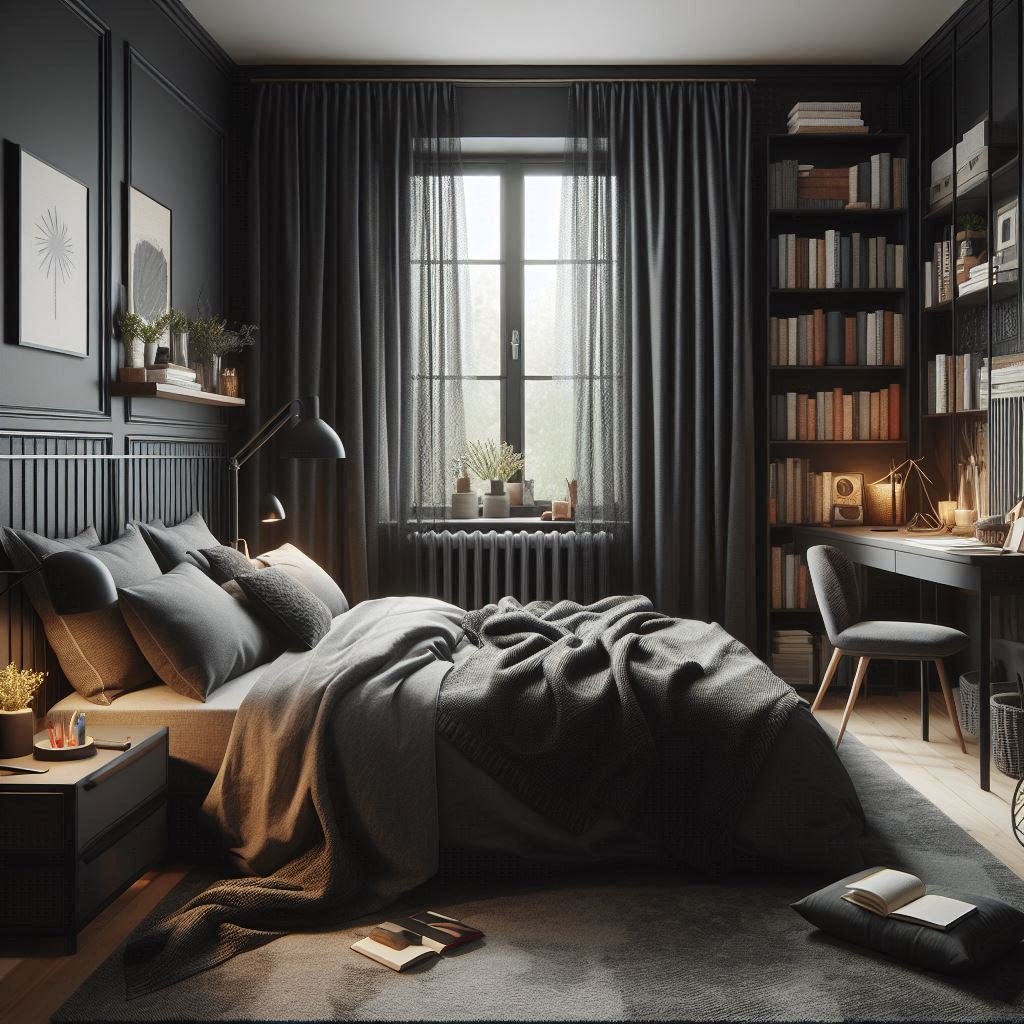
A unified color palette ensures your headboard-free design looks intentional rather than incomplete. Consistency ties all the separate elements together.
Match Bedding to Wall Tones
Use varying shades of the same color family to create a calm, monochromatic look. For example, pair light gray walls with charcoal pillows and a slate duvet.
* This approach blurs the line between the wall and the bed.
* It creates a seamless and expansive visual field.
Contrast for Dramatic Effect
Pair a dark accent wall with light bedding or vice versa to frame the sleeping area boldly. A navy wall with white linens and gold accents creates an elegant contrast.
* High contrast draws the eye immediately to the bed.
* This technique works well in modern and contemporary styles.
Repeat Accent Colors Throughout
Carry accent colors from your bedding into your artwork, rugs, and lamps. This repetition ties the disparate elements of the room into a cohesive whole.
* Pick one or two accent colors to repeat three times in the room.
* This creates a rhythm that guides the eye around the space.
Personalize with Final Decorative Touches
Small details make the space feel lived-in and invite you to relax, completing the transformation from a bare room to a sanctuary.
Add Greenery for Life
Place low-maintenance plants like snake plants or pothos on shelves and nightstands. They purify the air and add a vibrant natural element to the decor.
* Succulents work well on narrow floating shelves.
* Hanging plants can soften the corners of the room.
Display Books and Aromatherapy
Stack two or three well-loved books on your nightstand to add height and personality. Pair this with a lavender or sandalwood diffuser to enhance the relaxation vibe.
* Book spines add a splash of color and texture.
* Scent helps define the function of the space as a休息 zone.
Mix Mirrors into Gallery Walls
If you create a gallery wall, include a small decorative mirror among the art pieces. This reflects light and adds dimension to the flat wall surface.
* This breaks up the visual monotony of only paper prints.
* It enhances the brightness of the focal wall.
Select a Design Theme for Consistency
Choosing a specific style helps guide your decisions and ensures the lack of a headboard feels like a deliberate design choice.
Minimalist Modern Approach
Focus on clean lines, a neutral palette, and floating furniture to emphasize openness. This style thrives without a headboard by keeping the visual field uncluttered.
* Use frame-only beds and simple geometric art.
* Keep surfaces clear of unnecessary objects.
Cozy Bohemian Vibe
Embrace layered textiles, macramé hangings, and mixed patterns to create a warm nest. This style naturally accommodates the absence of rigid furniture structures.
* Pile on the pillows and throws for maximum comfort.
* Use warm wood tones and plenty of plants.
Luxurious Retreat Style
Utilize velvet bedding, heavy drapes, and brass lighting to create opulence. The richness of the materials compensates for the simplicity of the bed frame.
* Focus on high-quality fabrics and metallic accents.
* Use dimmable lighting for a spa-like atmosphere.
Frequently Asked Questions About Decorating Without a Headboard
How do you stop pillows from falling behind the bed?
Use a bed bridge or a long bolster pillow placed horizontally between the mattress and the wall to fill the gap. Alternatively, push the bed frame flush against the wall or use a non-slip rug pad behind the pillows to create friction.
Can a bedroom look finished without a headboard?
Yes, a bedroom can look highly finished by using strong focal points like accent walls, large art, or canopy curtains. The key is to replace the visual weight of the headboard with other intentional design elements.
What is the best lighting for a bed without a headboard?
Wall sconces mounted on either side of the bed are ideal as they frame the space and save surface area. Plug-in options with warm-toned bulbs (2700K-3000K) provide a cozy glow without needing electrical rewiring.
How high should art hang above a bed with no headboard?
Hang large-scale artwork or tapestries so the bottom edge is 6 to 8 inches above the top of the mattress or pillow stack. This connects the art to the bed visually while keeping it accessible.
Are floating shelves safe above a bed?
Floating shelves are safe if mounted correctly into wall studs using appropriate hardware rated for the weight. Always ensure they are high enough to avoid hitting your head when sitting up in bed.
Key Takeaways for Decorating a Bedroom Without a Headboard
Decorating without a headboard allows you to create a custom, open, and modern look by focusing on wall treatments and layered textiles. By using paint, wood paneling, or large art, you can anchor the bed and define the space effectively.
Strategic lighting and symmetrical furniture placement further balance the room, proving you do not need traditional furniture to achieve style. Start by painting your accent wall or stacking your pillows higher today to transform your sleeping space.