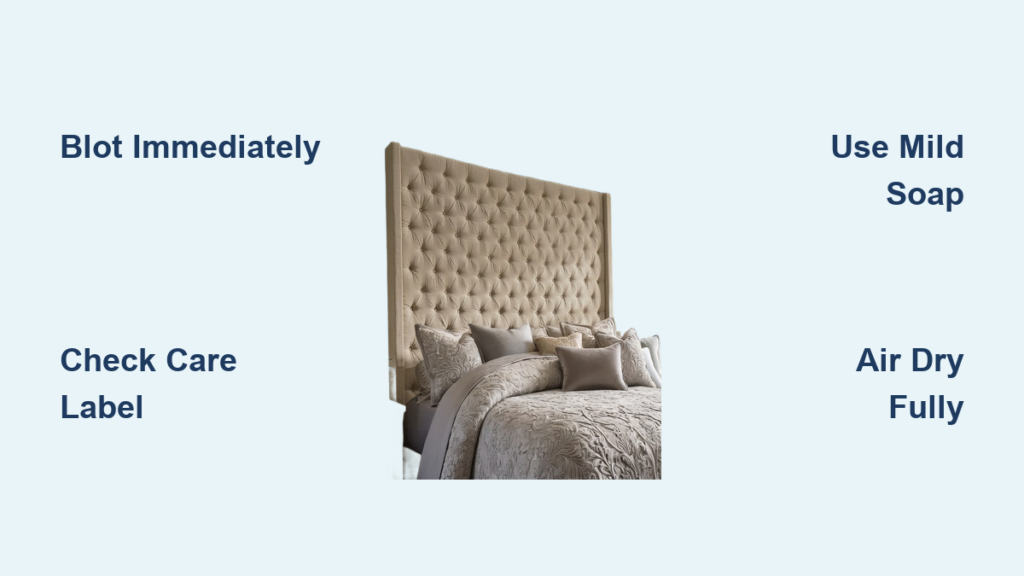
Waking up to a stained fabric headboard can be frustrating, especially when the mark refuses to fade. Whether it is coffee, makeup, or sweat, these surfaces attract daily grime that needs immediate attention.
This guide shows you how to remove stains from fabric headboard safely using household items. You will learn to identify stain types, choose the right cleaner, and restore your bedroom furniture without damage.
Identify the Stain Type Before Cleaning
Determining the cause of the mark is your first step. Different substances require specific approaches to avoid setting the stain permanently into the fibers.
Coffee and Beverage Spills
These water-based marks often appear dark when wet but lighten as they dry. Blot immediately with a dry microfiber cloth to absorb excess liquid without rubbing.
Makeup and Oil Residues
Foundation and skincare oils leave greasy residues that attract dirt. Use a dry sponge or cornstarch to lift surface oil before attempting any damp cleaning methods.
Sweat and Body Oil Buildup
Yellowish discoloration near pillows usually indicates long-term sweat accumulation. This issue requires deep cleaning with enzyme-based cleaners that break down organic matter effectively.
Ink and Dye Transfers
Pen leaks or colored fabric transfers can set quickly, especially with heat. Use rubbing alcohol sparingly on a cotton swab only after testing on a hidden area first.
Pet Accidents and Organic Spills
Urine or food splatters need immediate disinfecting to prevent odors. Enzyme cleaners neutralize smells and break down proteins, whereas ammonia products can worsen the scent.
Check the Fabric Care Code Label
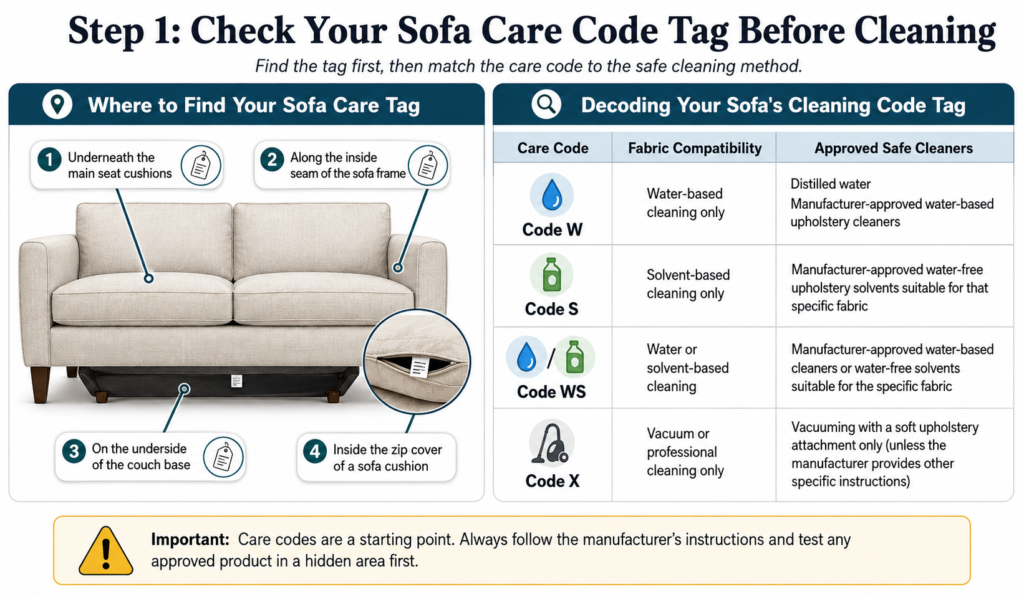
Not all headboards tolerate the same cleaning methods. Flip to the care label usually found on the back or look for a manufacturer tag before proceeding.
W Code for Water Safety
You can use a damp cloth and mild detergent if you see this code. This is the most common designation for removable or spot-cleanable fabric covers.
S Code for Solvent Only
Avoid water entirely if the label shows an S. Use a dry-cleaning solvent or rubbing alcohol-based solution, which is common for silk or velvet finishes.
WS Code for Water or Solvent
Either method works for these fabrics, but do not mix them. Choose one cleaning agent and stick with it throughout the entire process to ensure safety.
X Code for Vacuum Only
No liquids or solvents are safe for this fabric type. Stick to dry brushing and regular vacuuming, as moisture may ruin the material permanently.
Gather Essential Cleaning Supplies
Gather your tools before starting to avoid delays that can cause stains to set. Having everything ready ensures a smooth and efficient cleaning process.
Basic Kit for Most Fabrics
- White microfiber cloths to prevent color bleeding
- Mild dish soap like Dawn for gentle cleaning
- Baking soda or cornstarch for oil absorption
- Cold water to avoid setting protein stains
- Soft-bristle brush or sponge for agitation
- Spray bottle for controlled application
- Vacuum with upholstery attachment for prep
Optional Items for Tough Stains
- Hydrogen peroxide (3%) for organic stains on light fabrics
- Rubbing alcohol (70%) for ink or set-in marks
- Enzyme cleaner ideal for sweat or pet stains
- White vinegar for odor removal when used sparingly
Never use bleach, hot water, or abrasive scrubbers as they can discolor or damage fabric fibers instantly.
Blot and Dry Fresh Spills Immediately
Speed is critical when dealing with fresh spills on your headboard. Proper initial handling can prevent a minor accident from becoming a permanent eyesore.
Absorb Excess Liquid Quickly
Lay a dry microfiber cloth over the stain and press firmly to soak it up. Replace the cloth as it absorbs liquid and never rub, as this spreads the stain deeper.
Use Cornstarch for Oily Spills
Sprinkle cornstarch or baking soda over greasy marks to draw out oil. Let it sit for 15 to 30 minutes, then vacuum gently before attempting damp cleaning.
Avoid Heat Sources During Drying
Do not use hairdryers or heaters to speed up the drying process. Heat sets stains and can shrink fabric, so let the area air dry naturally in a ventilated room.
Prepare a Safe Cleaning Solution
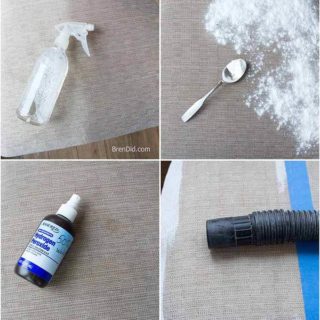
Match your cleaner to the fabric care code and the specific stain type. Using the wrong mixture can damage the upholstery or fail to lift the mark.
Mild Soap and Water Mix
Combine 1 teaspoon of dish soap with 1 cup of cold water in a spray bottle. This solution works well for coffee, food, and light dirt on most fabrics.
Baking Soda Paste for Discoloration
Mix 2 tablespoons of baking soda with 1 tablespoon of water to create a thick paste. Apply with a soft brush to discolored zones, let dry, then vacuum for best results.
Vinegar and Water Spray
Mix 1 part white vinegar with 2 parts water and lightly mist for odor removal. Do not use this on silk or delicate fabrics without testing a hidden spot first.
Rubbing Alcohol for Ink Marks
Dampen a cotton swab with rubbing alcohol and dab the stain gently. Blot with a dry cloth after each pass and work in a well-ventilated area.
Clean the Stained Area Step by Step
Follow this safe and effective process to remove stains from fabric headboard surfaces. Precision ensures you clean the mark without damaging surrounding areas.
Spray and Wait for Activation
Mist the solution lightly onto the stain without soaking the fabric. Over-wetting can lead to mold or backing damage, so let it sit for 3 to 5 minutes.
Gently Agitate the Fibers
Use a soft brush or sponge to work the cleaner in small circles. Focus only on the stained zone to avoid spreading discoloration to clean areas.
Blot Until Cloth Stays Clear
Switch to a clean, damp cloth and blot repeatedly to lift the grime. Change cloths as they pick up dirt and continue until no more color transfers.
Rinse Lightly If Necessary
For soapy solutions, mist with plain cold water and blot to remove residue. Residual soap attracts dirt over time, so rinsing is a crucial final step.
Dry the Headboard Properly
Improper drying causes mildew and musty smells that are hard to remove. Follow these steps to ensure your headboard dries completely and safely.
Blot with Dry Towels
Press dry towels over cleaned areas to remove as much moisture as possible. Replace towels as they absorb water to speed up the drying process.
Increase Airflow in the Room
Open windows or use a fan to circulate air around the headboard. Keep the room temperature moderate and avoid direct sunlight, which can fade fabric colors.
Wait 6 to 12 Hours
Do not lean against the headboard until it is fully dry to the touch. Rushing this step can re-stain the fabric or compress damp fibers permanently.
Treat Set-In or Old Stains
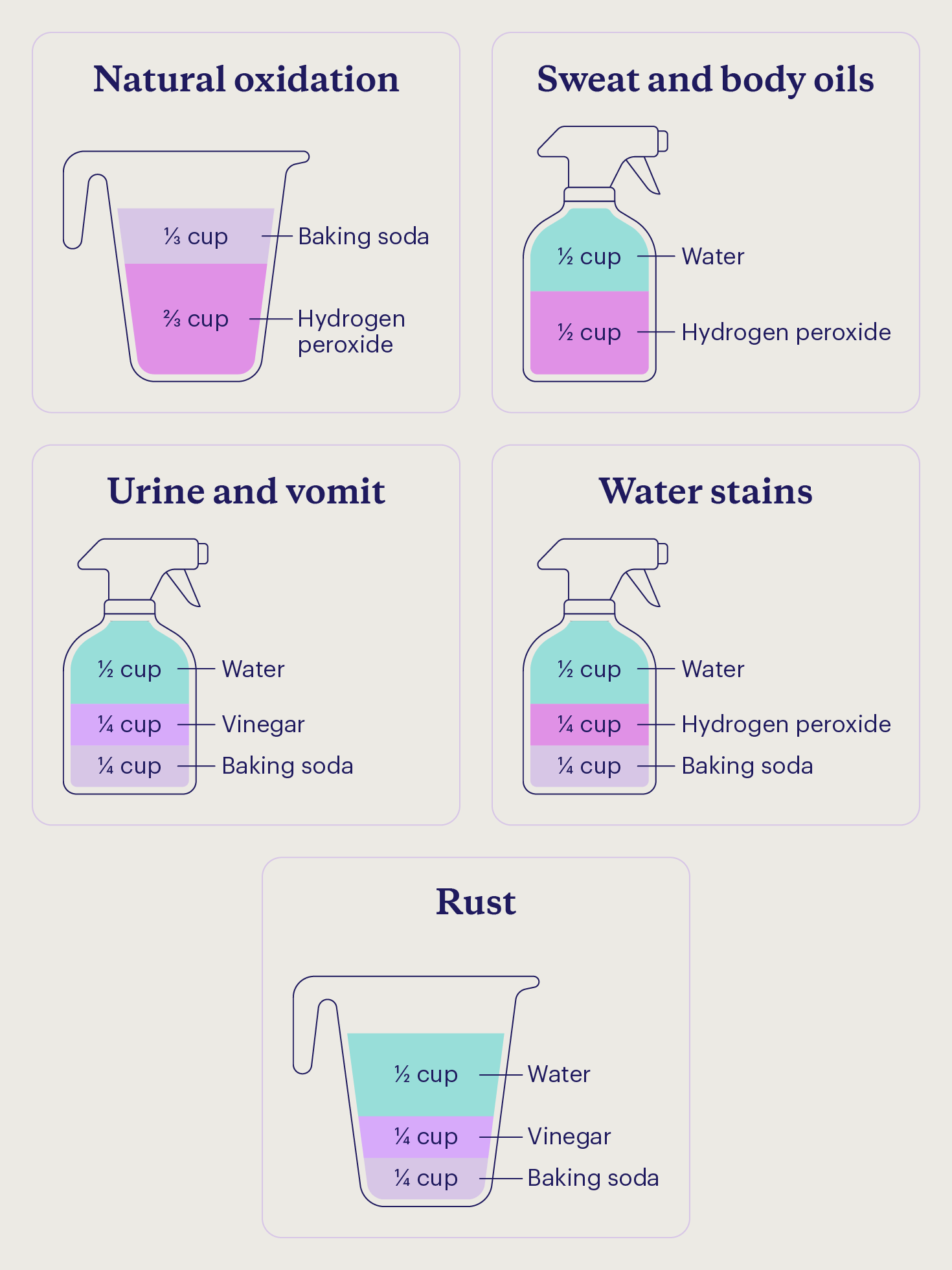
Older stains need stronger action but still require gentle handling. These methods target deep-set marks that simple soap and water cannot lift.
Hydrogen Peroxide for Light Fabrics
Mix equal parts 3% hydrogen peroxide and water, then test on a hidden area. Spray on the stain, wait 10 minutes, and blot to effective remove yellowed or organic marks.
Enzyme Cleaner for Organic Buildup
Spray enzyme cleaner on sweat or body oil stains and let it sit for 15 to 30 minutes. This neutralizes odors and breaks down proteins before you blot and air dry.
Repeat Treatment If Necessary
Some stubborn stains require two or three treatments to disappear completely. Wait 24 hours between attempts to avoid over-wetting the fabric structure.
Prevent Future Stains Effectively
Keep your headboard looking new with simple habits and protective measures. Prevention is far easier than removing deep-set stains later.
Use a Removable Cover
Invest in a washable slipcover if your headboard allows it. Machine-washable protection makes cleanup effortless and extends the life of the upholstery.
Apply Fabric Protector Spray
Use a spray guard like Scotchgard after testing on a small spot. This repels spills and makes blotting much easier if accidents happen.
Clean Regularly to Maintain Freshness
Vacuum monthly with an upholstery attachment to remove dust and oils. Removing these particles prevents them from building up and causing discoloration.
Avoid Eating or Applying Makeup in Bed
Establish a rule against drinks, food, or heavy skincare near the headboard. Preventing stains before they happen is the most effective strategy.
When to Call a Professional Cleaner
Some situations require expert care to avoid ruining your furniture. Knowing when to stop DIY efforts can save your headboard from permanent damage.
Delicate Fabrics Like Silk or Velvet
These materials can water-spot or crush easily under amateur care. A professional upholstery cleaner has the right tools and experience for these sensitive fabrics.
Large or Deep Stains
If the stain covers more than a 6-inch area or soaked into padding, DIY methods may fail. Professionals can reach deep layers without oversaturating the wood frame.
No Care Label or Unknown Material
Consult a pro when in doubt about the fabric type or cleaning code. Mistakes on unknown materials can cost more than a professional cleaning service.
Persistent Odors After Cleaning
If smells remain after your best efforts, experts use industrial-grade deodorizers. Steam cleaning and specialized treatments can eliminate odors that home methods miss.
Frequently Asked Questions About Removing Stains from Fabric Headboards
Can I use bleach to remove stains from my fabric headboard?
No, you should never use bleach on fabric headboards as it causes discoloration and fiber damage. Stick to mild dish soap, baking soda, or oxygen-based cleaners for safe results.
How long does it take for a fabric headboard to dry after cleaning?
Drying typically takes 6 to 12 hours depending on humidity and airflow. Ensure the room is well-ventilated and avoid using the headboard until it is completely dry.
What is the best way to clean yellow sweat stains on a headboard?
Use an enzyme cleaner or a paste of baking soda and water to break down organic buildup. Apply the solution, let it sit for 30 minutes, then blot and air dry thoroughly.
Can I steam clean my upholstered headboard myself?
Only if the care label shows a W or WS code, indicating water safety. Always check the manufacturer tag first, as steam can ruin solvent-only or dry-clean fabrics.
How do I remove ink stains from a fabric headboard?
Dab the area gently with a cotton swab dipped in rubbing alcohol. Blot immediately with a dry cloth and repeat until the ink lifts without rubbing the fibers.
Key Takeaways for Removing Stains from Fabric Headboards
You can successfully remove stains from fabric headboard surfaces by acting quickly and matching the method to the stain type. Always check the care label, test cleaners on hidden spots, and avoid over-wetting the material.
Regular maintenance and protective sprays will keep your headboard looking fresh for years. Start with gentle solutions today to restore your bedroom furniture with confidence.