
Waking with a sore neck or struggling to sit comfortably while reading in bed? You might be missing the support a headboard provides. Many people overlook how this single piece affects sleep quality and room design until they experience the difference firsthand.
This guide breaks down the real pros and cons of having a headboard for bed so you can decide wisely. We will explore comfort benefits, style impacts, maintenance needs, and safety concerns to help you choose the best setup for your bedroom.
How a Headboard Enhances Bedroom Style and Value

A headboard serves as the anchor for your entire bedroom design scheme. It transforms a simple mattress into a finished focal point that draws the eye immediately.
Defines Your Room Aesthetic Instantly
Your choice of headboard sets the tone for the whole space. A tufted velvet piece creates a luxurious vibe while raw wood adds rustic charm. Matching this element to your existing furniture ensures a cohesive and intentional look throughout the room.
Hides Wall Imperfections Effectively
Walls behind beds often suffer from scuffs, dents, and dirt accumulation over time. A headboard covers these flaws instantly without needing fresh paint or repairs. This benefit is especially valuable in rental properties or older homes with worn surfaces.
Increases Perceived Home Value
Staged homes often feature styled beds to appeal to potential buyers. A well-chosen headboard signals care and attention to detail which boosts perceived property value. Real estate experts frequently recommend them to make bedrooms feel complete and inviting.
Physical Comfort Benefits You Will Notice Daily

Beyond looks, a headboard provides tangible physical support for daily activities in bed. It changes how you interact with your sleeping space throughout the day.
Supports Upright Sitting Positions
Reading or working in bed becomes much easier with proper back support. Leaning against a flat wall strains your spine and causes fatigue quickly. A padded or contoured headboard allows you to sit comfortably for longer periods.
Reduces Noise From Wall Contact
Moving around in bed often causes pillows or frames to thump against the wall. This noise can disturb light sleepers or partners sharing the room. A headboard absorbs these impacts to keep your sleep environment quiet and peaceful.
Promotes Better Spinal Alignment
Ergonomic designs help maintain natural curvature in your back and neck. While not a medical device, the structure encourages better posture than slumping against a hard surface. This support is crucial if you spend morning hours sitting up in bed.
Protection Against Wall and Bed Frame Damage

Your walls and bed frame take a beating without a protective barrier in place. A headboard acts as a shield against daily wear and tear.
Prevents Scuffs and Paint Chipping
Mattresses and frames rub against walls every time you shift or make the bed. This friction leads to unsightly marks and chipped paint that are costly to fix. A solid headboard creates a necessary buffer zone to keep walls pristine.
Minimizes Frame Movement Marks
Metal or wooden bed rails can scrape walls when the bed shifts slightly during sleep. The extended height of a headboard prevents the frame itself from touching the surface. This protection is vital for beds placed flush against the wall in tight spaces.
Blocks Dust and Drafts Near the Wall
Older homes often have gaps behind beds that let in cold air and dust. A solid headboard reduces this airflow significantly compared to an open wall. While not airtight, it adds a layer of insulation for a cozier sleep experience.
Financial Costs and Maintenance Challenges
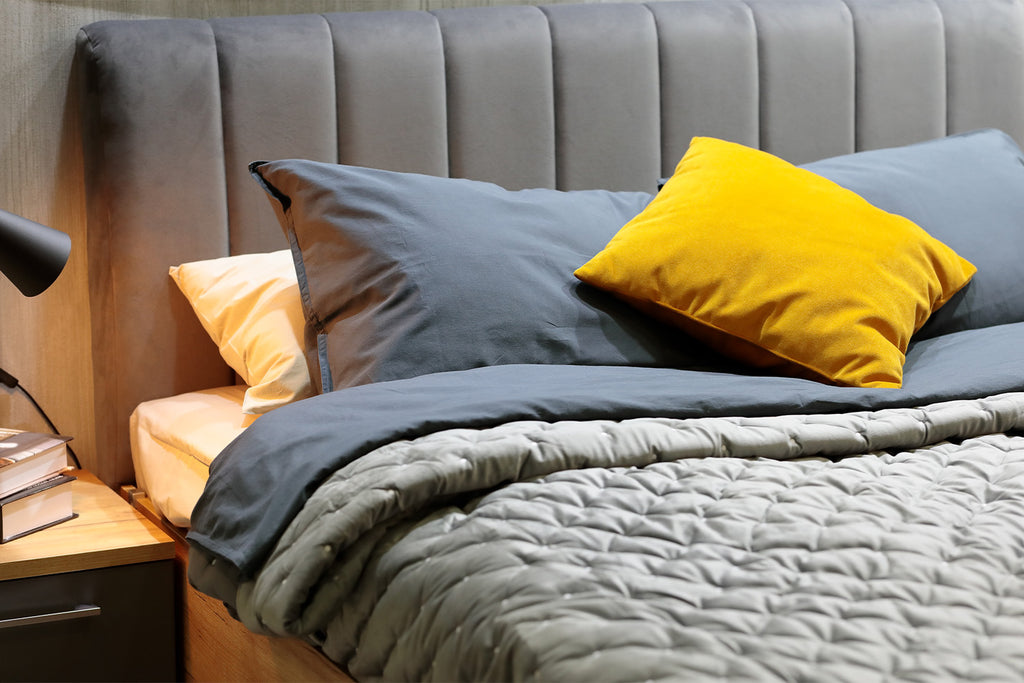
Owning a headboard comes with financial implications and ongoing upkeep requirements. These factors often weigh heavily in the decision-making process.
Adds Significant Expense to Setup
Quality headboards range from affordable basics to expensive custom designs. Adding a premium upholstered or handcrafted piece can increase your total bed cost by hundreds of dollars. Budget-conscious shoppers might find this expense difficult to justify.
Requires Regular Cleaning Effort
Fabric surfaces collect dust, allergens, and stains much faster than painted walls. Spills from drinks or hair products can leave permanent marks if not treated immediately. Many materials require spot cleaning or professional services rather than a simple wipe down.
Complicates Moving and Installation
Headboards add bulk and weight that make moving furniture difficult. Narrow hallways or staircases become major obstacles during relocation. Installation also varies widely, with some requiring wall mounting and specific tools for secure attachment.
Situations Where a Headboard Is Not Practical
Not every bedroom benefits from adding a headboard. Certain layouts and lifestyles make them impractical or unnecessary.
Works Only With Compatible Bed Frames
Many modern platform beds lack attachment points for traditional headboards. Freestanding bases or specific metal frames may not support one at all. Retrofitting these beds can be impossible without replacing the entire frame.
Consumes Valuable Floor Space
Tall or deep headboards can make small rooms feel cramped and crowded. They visually lower the ceiling height and may interfere with lighting fixtures. Minimalist designs often suffer when a large headboard dominates the limited space.
May Clash With Future Style Changes
Trends shift quickly and bold designs can feel outdated within a few years. Unlike bedding, replacing a headboard is a costly and time-consuming process. Committing to a specific style might limit your ability to refresh your room later.
Safety Concerns and Layout Limitations
Adding a headboard influences how you arrange your room and potential safety hazards. You must consider these factors before purchasing.
Restricts Furniture Arrangement Options
A headboard usually dictates that the bed must go against a specific wall. This limits your ability to float the bed or use wall space for other purposes. Flexibility in room layout decreases significantly once a large headboard is installed.
Poses Potential Tipping Risks
Heavy wooden or metal headboards can tip over if not secured properly. This creates a serious hazard for children or pets who might climb on the bed. Wall-mounted versions must be anchored directly into studs to prevent accidents.
Interferes With Adjustable Bed Bases
Adjustable beds require specific clearance to lift and lower correctly. Fixed headboards can block this movement or cause mechanical damage over time. You must verify compatibility labels before buying to avoid functional issues.
Functional Features Added by Modern Headboards
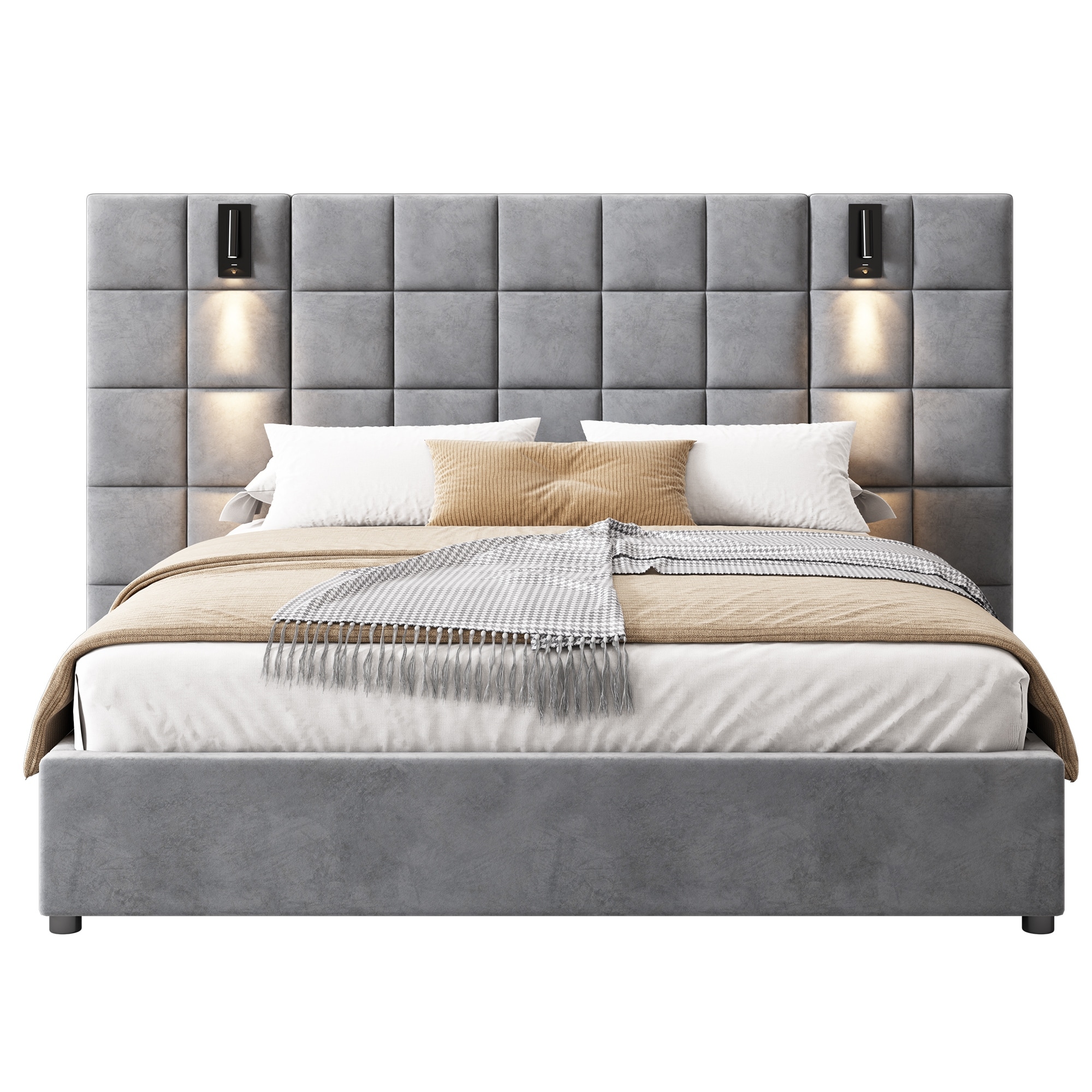
Modern designs often include extra features that add convenience to your bedroom routine. These additions can justify the cost for many users.
Includes Built-In Storage Solutions
Some models feature shelves or cubbies for books and glasses. This eliminates the need for bulky nightstands in small rooms. Integrated USB ports allow you to charge devices right from the bed.
Integrates Lighting for Convenience
Built-in LED lights or reading lamps provide focused illumination without extra fixtures. Touch controls or remotes make operating these lights easy from under the covers. This feature enhances functionality while reducing clutter on side tables.
Enhances Sound Insulation in Noisy Rooms
Thick upholstered headboards absorb sound waves better than bare walls. This helps reduce echo and muffles noise from outside or adjacent rooms. While not total soundproofing, it contributes to a quieter and more restful environment.
Creative Alternatives to Traditional Headboards
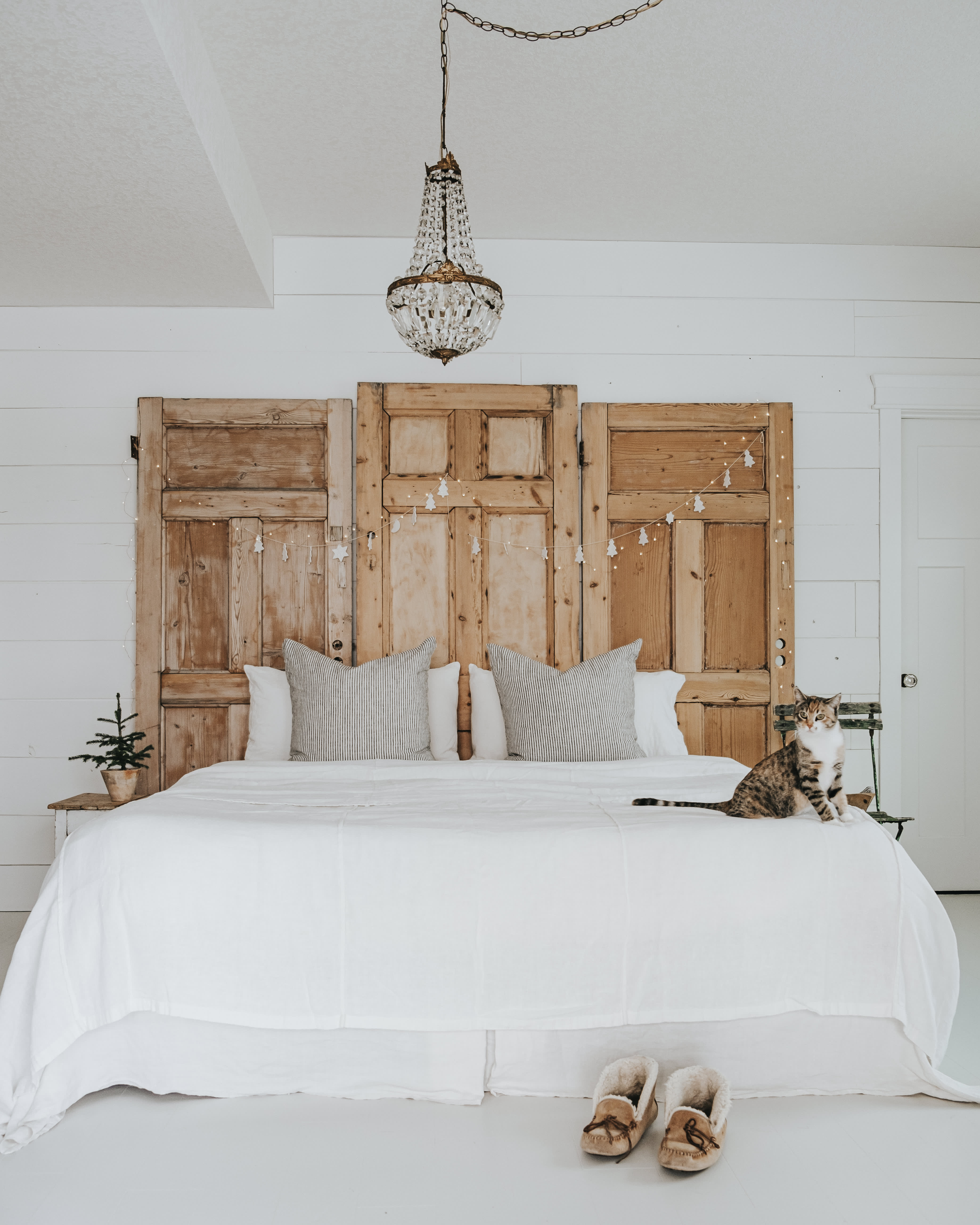
You do not need a standard headboard to achieve style and function. Several alternatives offer similar benefits with less commitment.
Install a Wall-Mounted Panel
A padded panel attached directly to the wall offers style without bed attachment. These custom-sized boards provide protection and visual interest with less bulk. Installation is often simpler than securing a full headboard frame.
Decorate the Wall Behind the Bed
Hanging art, tapestries, or shelves creates a focal point without physical obstruction. Floating shelves add storage while mimicking the look of a headboard. This approach allows for easy updates when you want to change your decor.
Repurpose Existing Furniture Pieces
An old door, bench, or large mirror can serve as a unique headboard alternative. These DIY options are budget-friendly and add character to the room. Ensure any repurposed item is secured safely to prevent tipping.
Frequently Asked Questions About Headboards
Are headboards necessary for bed stability?
No, headboards are not structurally required for most bed frames to function. They primarily offer aesthetic value, back support, and wall protection rather than stability. Your bed will remain stable without one if the frame is well-constructed.
How do headboards affect small bedroom spaces?
Large headboards can make small rooms feel cramped and reduce visual floor space. However, low-profile or wall-mounted options can add style without overwhelming the area. Choosing the right size is critical for maintaining an open feel.
Can I add a headboard to an existing bed frame later?
It depends on whether your frame has pre-drilled holes or attachment points. Some universal kits allow you to add a headboard to compatible frames easily. Platform beds without these features usually cannot accept a traditional headboard.
Do headboards help with noise reduction in apartments?
Yes, upholstered headboards absorb sound and reduce noise transmission through walls. They help minimize the sound of you moving in bed hitting the wall. This makes them a popular choice for apartment dwellers with thin walls.
What is the easiest headboard to clean and maintain?
Leather, faux leather, and washable fabric covers are the easiest to maintain. These materials resist stains and can be wiped down with a damp cloth regularly. Avoid light-colored velvet if you have pets or young children.
Key Takeaways for Deciding on a Bed Headboard
The pros and cons of having a headboard for bed ultimately depend on your specific needs and lifestyle constraints. If you prioritize back support, wall protection, and a polished look, the investment is likely worthwhile. However, those with limited budgets or tiny spaces might prefer alternative solutions.
Consider your bed frame compatibility and long-term design goals before making a purchase. You can always start with a simple wall panel or decor arrangement if a full headboard feels like too much commitment. Balance form and function to create a bedroom that supports both rest and your personal style.