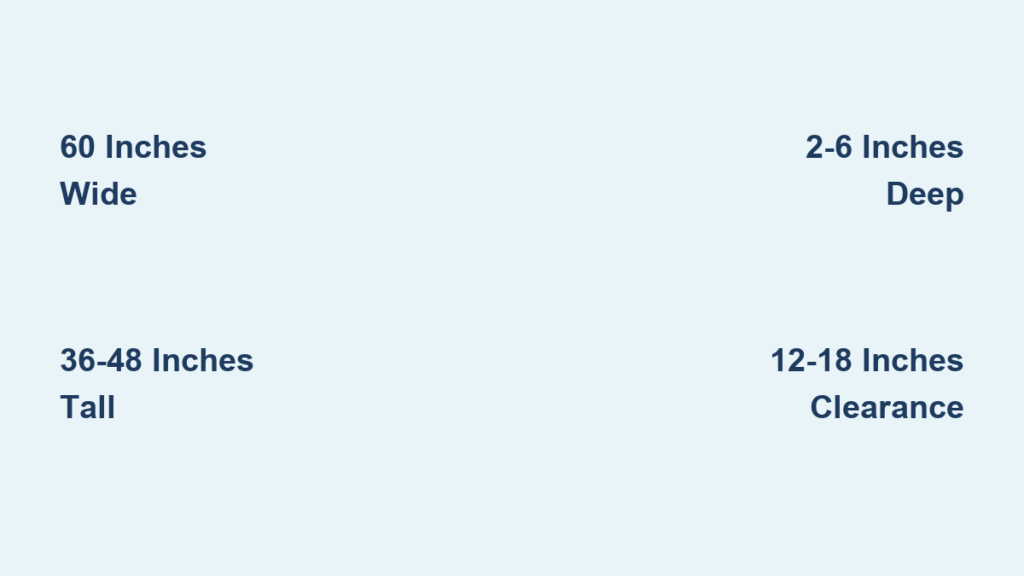
You bought a queen mattress but now wonder how big a queen size headboard really gets. The width stays fixed at 60 inches, yet height and depth change wildly by style.
This guide reveals exact measurements for width, height, and depth so you pick the right fit. You will learn clearance needs and installation tips to avoid costly sizing mistakes.
Exact Width Measurements for Queen Headboards

A queen size headboard matches the standard 60-inch width of a queen mattress. This ensures the piece aligns perfectly with your bedding without awkward overhangs or gaps on either side.
Some designs appear wider due to stylistic choices rather than actual frame expansion. Always check the total span including any decorative elements before finalizing your purchase.
Does the Width Include Wings or Shelves?
Standard frames measure exactly 60 inches across, but specific styles add visual bulk. Wingback models extend forward and outward to create a cozy enclosure around the sleeper.
Bookcase headboards incorporate shelving units that protrude significantly beyond the mattress edge. These functional additions increase the total footprint even if the attachment points remain standard.
Checking Compatibility With Your Bed Frame
Mismatched widths create an unbalanced look that ruins the symmetry of your bedroom. Verify that your bed frame supports the specific mounting hardware of your chosen headboard.
Platform beds often have pre-drilled holes that must align precisely with the headboard brackets. Measure your frame width to ensure it accommodates the full 60-inch span plus any extra features.
Standard Height Ranges by Design Style

Height varies more than any other dimension and dictates the visual weight of your bed. Most queen headboards fall between 36 and 48 inches tall to suit different ceiling heights.
Lower profiles suit modern minimalist rooms while taller designs anchor large master suites effectively. Your intended use, such as reading in bed, heavily influences the ideal height selection.
Low-Profile Options Under 40 Inches
Minimalist designs often stay under 40 inches to maintain a sleek and unobtrusive silhouette. These work best in rooms with low ceilings or for those who prefer a clean aesthetic.
Metal slatted frames and thin wood panels typically occupy this lower height range. They offer little back support but excel in creating an airy feel in compact spaces.
Tall Statement Pieces Over 44 Inches
Upholstered and tufted models frequently reach 44 to 48 inches to provide substantial back support. This height allows you to sit up comfortably while reading or watching television.
Floorstanding varieties may exceed 48 inches to act as a dramatic focal point. Ensure your ceiling height can accommodate these towering pieces without making the room feel cramped.
Depth Dimensions and Wall Clearance Needs
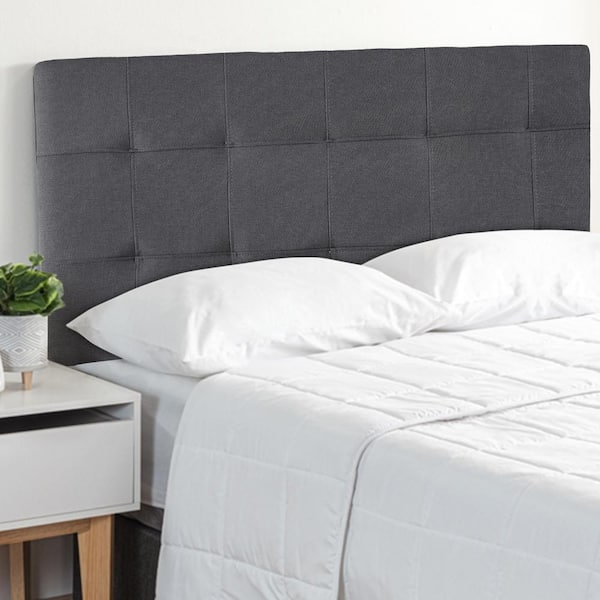
Depth determines how far the headboard protrudes into your room and affects walking space. Standard depths range from a slim 2 inches for metal to 6 inches for padded fabric models.
Bookcase styles demand even more depth to hold books and decor items securely. You must account for this projection when arranging furniture in smaller bedrooms.
Why 12 to 18 Inches of Clearance Matters
You need 12 to 18 inches between the headboard back and the wall for proper airflow. This gap prevents moisture buildup that can damage both the wall and the mattress structure.
Adequate clearance also provides space for pillow placement when sitting up against the board. It ensures mounting hardware has enough room for secure installation without crushing against drywall.
Impact of Material on Total Depth
Metal headboards offer the slimmest profile at just 2 to 3 inches deep. These are ideal for narrow hallways or rooms where every inch of floor space counts.
Upholstered options require 4 to 6 inches to accommodate foam padding and fabric layers. This added depth creates a plush look but reduces the available walking area behind the bed.
Installation Types and Space Requirements
The method you choose to install the headboard impacts both stability and space usage. Frame-attached models are common but require specific compatibility with your existing bed base.
Freestanding units offer flexibility for renters who cannot drill holes or modify frames. Wall-mounted options create a floating effect but demand precise stud location and permanent installation.
Frame-Attached Versus Freestanding Models
Frame-attached headboards bolt directly to the bed frame for maximum stability and alignment. They require your frame to have matching hole patterns which limits compatibility with older beds.
Freestanding models rest on the floor and lean slightly against the wall for support. They need no hardware attachment but require a wide enough base to prevent tipping over.
Wall-Mounted Options for Small Rooms
Wall-mounted headboards attach directly to studs to free up floor space completely. This creates a modern floating appearance that makes small rooms feel larger and less cluttered.
Installation requires drilling into the wall and finding solid studs to bear the weight. This method is permanent and best suited for homeowners who want a clean custom look.
How Material Choice Affects Overall Size
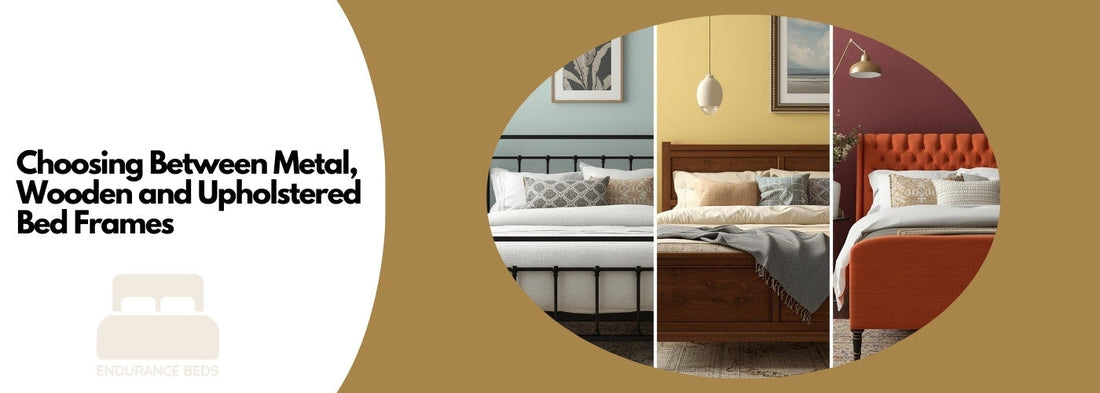
Material selection influences not just the look but the physical dimensions of the headboard. Upholstered pieces add bulk through padding while metal frames maintain a slender profile.
Wood offers a middle ground with solid structure that can be carved thin or thick. Understanding these material traits helps you predict how the piece will fit in your layout.
Upholstered Headboards and Added Bulk
Fabric-covered headboards add significant depth due to internal foam and batting layers. Tufted designs with buttons create extra texture that pushes the surface further into the room.
These models often reach the taller end of the height spectrum for better comfort. They are perfect for creating a soft luxurious backdrop but dominate small spaces visually.
Slim Profiles of Metal and Wood Frames
Metal frames utilize thin bars or scrolls to achieve a depth of only 2 to 3 inches. This minimal footprint makes them excellent for tight spaces where circulation is limited.
Wooden panels can be cut to various thicknesses but generally stay slimmer than padded options. They provide a sturdy structured look without the excessive protrusion of upholstered styles.
Selecting the Right Size for Your Bedroom

Choosing the correct size involves measuring your wall space and considering ceiling height. A headboard that is too tall can overwhelm a room while one that is too short looks lost.
Balance the scale of the headboard with your nightstands and other furniture pieces. Proper proportions ensure the bed remains the focal point without crowding the surrounding area.
Measuring Your Wall and Ceiling Space
Measure the width of your wall to ensure at least 12 inches of space remains on each side. This prevents the bed from feeling squeezed between walls in narrower rooms.
Check your ceiling height before selecting a tall floorstanding model. Low ceilings pair better with low-profile designs to maintain a sense of openness and airiness.
Coordinating With Nightstands and Decor
Your nightstands should align visually with the headboard height for a cohesive look. Ideally, the nightstand top sits level with or slightly below the mattress surface.
Leave at least 2 to 3 inches of clearance between the nightstand and the headboard side. This ensures easy access to drawers and prevents furniture from scratching each other.
Price Expectations Based on Size and Style
Price correlates strongly with size, material quality, and complexity of the design. Budget options offer standard dimensions while premium models often feature extra height or depth.
Understanding price tiers helps you anticipate what features you get for your investment. Larger floorstanding models naturally cost more due to increased material usage.
Budget Friendly Options Under $350
Entry-level headboards in this range typically feature basic wood panels or simple upholstered grids. They adhere to standard 60-inch widths and heights around 36 to 40 inches.
These models use lighter materials but provide a functional upgrade to bare bed frames. They are suitable for guest rooms or temporary setups where luxury is not the priority.
Premium Models and Floorstanding Designs
Premium headboards costing $700 or more often include solid wood construction or thick padding. Floorstanding designs in this tier may exceed standard heights to create a grand statement.
You pay for durability, superior craftsmanship, and often integrated storage features. These pieces serve as long-term investments that define the aesthetic of a master bedroom suite.
Maintenance Tips for Longevity and Fit
Proper care extends the life of your headboard and maintains its original dimensions. Dust and debris can accumulate in crevices affecting both appearance and structural integrity over time.
Regular cleaning prevents fabric wear and keeps wood or metal finishes looking new. Different materials require specific cleaning approaches to avoid damage.
Cleaning Fabric and Upholstered Surfaces
Vacuum upholstered headboards weekly using a soft brush attachment to remove dust. Spot clean spills immediately with manufacturer-approved solutions to prevent permanent staining.
Avoid soaking the fabric as excess moisture can damage the internal padding. Regular maintenance keeps the fabric looking fresh and prevents odor buildup in the fibers.
Caring for Wood and Metal Finishes
Dust wood and metal frames regularly with a dry or slightly damp cloth. Avoid harsh chemicals that might strip the finish or cause corrosion on metal parts.
Tighten bolts and joints periodically to ensure the structure remains stable. Wood may need occasional refinishing to protect against wear in high-contact areas.
Frequently Asked Questions About Queen Headboard Sizes
What is the exact width of a standard queen headboard?
A standard queen headboard is exactly 60 inches wide to match the mattress. Some styles with wings or shelves may have a larger total visual span.
How tall should a queen headboard be for reading in bed?
Choose a height between 44 and 48 inches for adequate back support while reading. Taller upholstered models provide the necessary cushioning for comfortable sitting.
Can I install a queen headboard without a bed frame?
Yes, freestanding or wall-mounted queen headboards do not require a bed frame. These options rely on floor stability or wall studs for support instead.
How much space do I need behind a queen headboard?
You should leave 12 to 18 inches of clearance between the headboard and the wall. This space ensures proper airflow and room for pillow placement.
Do queen headboards fit all queen bed frames?
No, attachment methods vary by manufacturer and frame design. Always verify that the mounting holes on your frame align with the headboard brackets.
What is the deepest a queen headboard can be?
Standard depths range from 2 to 6 inches, but bookcase styles can be deeper. Shelved units may protrude 10 inches or more to accommodate storage items.
Key Takeaways for Choosing Your Queen Size Headboard
Selecting the right queen size headboard requires knowing that width stays fixed at 60 inches. Height and depth vary significantly based on your style preference and room constraints.
Measure your space carefully and consider how you use your bed before buying. Proper sizing ensures your bedroom looks balanced and functions comfortably for years to come.