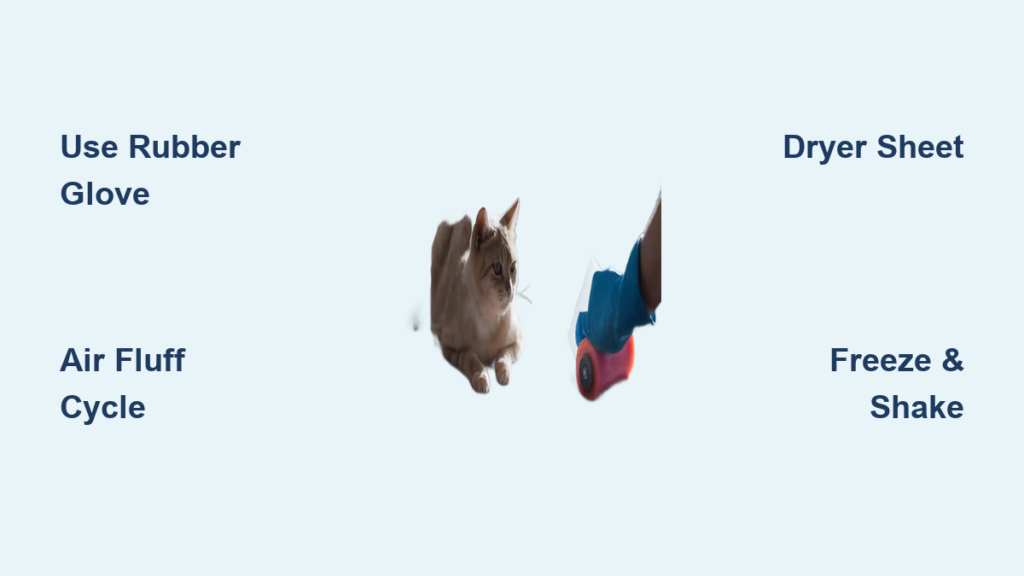
Waking up to a bed covered in stubborn cat hair is a frustrating reality for millions of pet owners. The fine fur clings tightly to fabrics due to static electricity, making standard cleaning attempts feel futile.
This guide details effective, step-by-step strategies to get cat hair off bedspreads using tools you likely own. You will learn how to combine dry removal, air fluff cycles, and static control to restore your bedding without damage.
Quick Dry Removal Techniques for Immediate Results
Dry methods are your best first line of defense for quick fixes or non-machine-washable items. These techniques remove surface hair without introducing moisture that could damage delicate fibers.
Use a Lint Roller for Spot Cleaning
The lint roller is the industry standard for targeted removal on small areas. Roll the adhesive sheet over the fabric in one direction to prevent pushing hair around.
* Replace the sticky sheet immediately when it loses grip.
* Wrap packing tape around your hand with the sticky side out as a budget alternative.
* Focus on overlapping passes to ensure full coverage of the treated area.
This method works best on smooth fabrics like cotton or polyester blends. It is less effective on deep-set fur found in textured weaves.
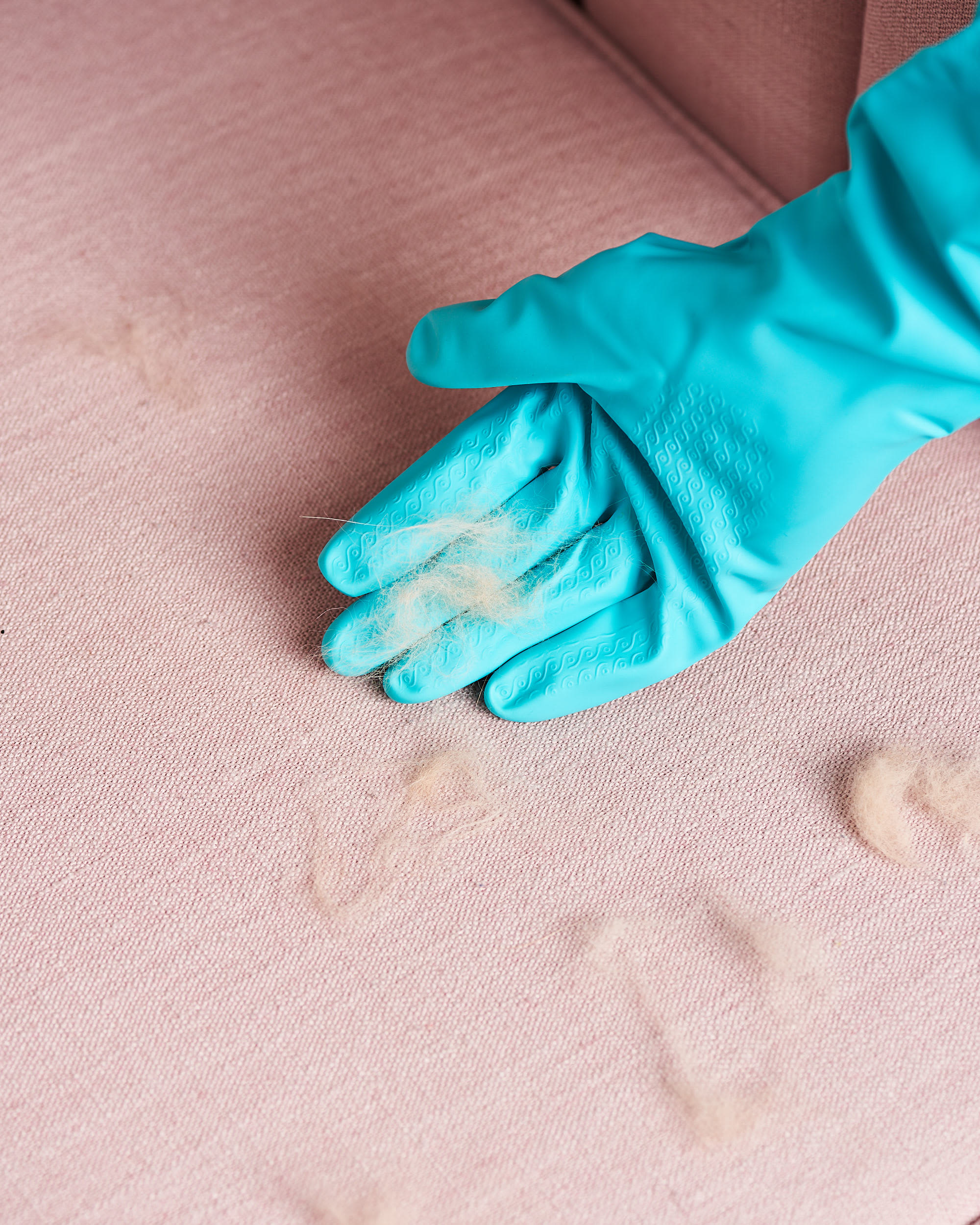
Sweep With a Damp Rubber Glove
Wear a rubber dishwashing glove and dampen it slightly under running water. Run your hand across the bedspread in firm, sweeping strokes to gather hair.
* The rubber creates friction that rolls fur into easy-to-pick-up clumps.
* Rinse the glove frequently as it becomes clogged with hair.
* Repeat the process in sections until the entire surface is clean.
This technique excels on large surfaces like comforters and throws. It is particularly effective on knits, fleeces, and woven fabrics where hair gets trapped.
Glide a Rubber Broom or Squeegee
A rubber broom designed for floors works surprisingly well on bedding when used gently. Glide the tool over the fabric in long strokes similar to sweeping a carpet.
* Flexible rubber edges grab and roll hair into balls for easy disposal.
* A damp rubber squeegee serves as a compact alternative for smaller spaces.
* Both tools are reusable and eco-friendly for regular maintenance.
This method is ideal for heavy shedding on textured or bulky fabrics. It reaches into loops and ridges that lint rollers often miss.
Neutralize Static With Dryer Sheets
Cat hair sticks primarily due to static electricity, especially on synthetic materials. Rub a dry dryer sheet over the bedspread to neutralize the electrical charge.
* The anti-static agents loosen hair so it can be wiped or rolled away easily.
* Use this as a preparatory step before vacuuming or using a lint roller.
* One sheet typically covers a full bed without leaving residue if used gently.
This step reduces future cling and leaves a fresh scent. It is essential for synthetic blends that generate high levels of static.
Brush or Shave Stubborn Buildup
Use a pet hair brush or fabric shaver for bedspreads with pilling or dense hair matting. Gently sweep the surface to lift embedded fur before removing it.
* Pet Hair Brush: Lifts fur without snagging, requiring a follow-up vacuum pass.
* Fabric Shaver: Cuts away fuzz and trapped hair from the top layer of fabric.
* Caution: Always test shavers on a hidden corner to prevent snagging delicate weaves.
Machine-Assisted Cleaning Protocols for Deep Cleaning
Machine methods provide the deepest clean for heavily soiled items or scheduled washing days. These protocols use agitation and airflow to extract hair from deep within fabric fibers.
Run an Air Fluff Dryer Cycle
The air fluff cycle is one of the most effective ways to loosen embedded cat hair without heat. Set your dryer to “Air Fluff” or “No Heat” and run the cycle for 10 minutes.
1. Clean the lint trap thoroughly before starting.
2. Place the bedspread in the dryer alone or with similar items.
3. Allow the tumbling action to lift hair from the weave.
The airflow carries loosened hair directly to the lint trap. This method is safe for down comforters, microfiber, and cotton blends as it prevents shrinking.
Wash With Fabric Softener
Optimize your washing machine cycle specifically for hair removal when laundering the entire bedspread. Use warm water to relax fibers and a mild detergent to avoid residue buildup.
* Toss in a fabric softener sheet to cut static and prevent re-attachment.
* Avoid overloading the machine to ensure sufficient agitation.
* Washing alone removes dirt, but the softener is key to detaching clinging fur.
This protocol ensures that hair does not re-adhere to the fabric during the spin cycle. It is a critical step for maintaining hair-free bedding long term.
Dry on Low Heat Settings
After washing, dry your bedspread on low heat or an air dry setting. High temperatures can bake remaining hair into fabric fibers, making removal nearly impossible later.
* Clean the lint trap before and halfway through the drying cycle.
* Add wool or rubber dryer balls to agitate fabric and reduce drying time.
* Low heat preserves fabric integrity while keeping hair loose for capture.
Avoiding high heat is crucial for preventing hair from becoming permanently embedded. This step finalizes the cleaning process effectively.
Fabric-Specific Removal Strategies

Different materials require tailored approaches to avoid damage while maximizing hair removal efficiency. Matching the technique to your specific fabric type yields the best results.
Delicate Fabrics Like Silk and Wool
Avoid heat, excessive moisture, and aggressive tools on these sensitive materials. Use a dryer sheet followed by a soft lint roller for gentle cleaning.
* Try the freezing method by bagging the item for 2–3 hours then shaking outdoors.
* Avoid fabric shavers and damp cloths that could cause water spots.
* Skip dryer cycles unless the care label explicitly approves them.
These fabrics require a gentle touch to prevent snagging or shrinking. The freezing method is particularly effective for brittle hair removal.
Knit or Textured Weaves
These fabrics trap hair in their loops and ridges, requiring tools that reach deep. Use a rubber broom or squeegee to penetrate the texture effectively.
* Follow up with a vacuum using a brush attachment to extract loosened hair.
* Avoid relying solely on lint rollers which miss deep-set fur.
* Sweep in multiple directions to dislodge hair from all angles of the weave.
The mechanical action of rubber tools is superior for textured surfaces. It lifts hair from the bottom of the knit without pulling threads.
Synthetic Blends and Microfiber
Synthetic materials are prone to high static, making anti-static steps essential. Use dryer sheets during both wash and dry cycles to neutralize charges.
* Run an air fluff cycle before washing to break static bonds.
* Use the rubber glove method for final cleanup after drying.
* Maintain moderate humidity in the room to reduce future static buildup.
Static control is the primary goal when cleaning synthetics. Without it, hair will simply reattach immediately after cleaning.
Down Comforters and Duvets
Delicate filling requires gentle handling to prevent feather breakage. The air fluff cycle is safe and effective for loosening hair from down clusters.
* Use a rubber glove or soft vacuum pass for surface removal.
* Never use high heat, fabric shavers, or soaking methods.
* Fluff the comforter monthly to prevent clumping and hair accumulation.
Preserving the loft of the down is just as important as removing hair. Gentle agitation ensures the filling remains intact and fluffy.
Advanced Tricks for Stubborn Embedded Hair
Some hair remains even after standard cleaning, requiring advanced tactics for complete removal. These methods target deeply embedded or oily strands that resist normal techniques.
Freeze the Hair to Make It Brittle
Freezing alters the physical properties of cat hair, making it easier to dislodge. Seal the bedspread in a large plastic bag and freeze it for 4–6 hours.
1. Remove the item from the freezer immediately after the time is up.
2. Shake the bedspread vigorously outdoors to dislodge brittle hair.
3. Use a lint roller to capture the loosened fur before it warms up.
This method is time-consuming but highly effective for thick comforters. The cold makes the hair snap free from the fabric fibers easily.
Wipe With a Damp Microfiber Cloth
Slightly dampen a microfiber cloth and wipe the surface in one direction. The moisture creates temporary adhesion that lifts hair without soaking the fabric.
* Wring the cloth thoroughly to avoid leaving the fabric wet.
* Use this for spot cleaning or final touches after other methods.
* Avoid this on down or foam-filled items unless you can dry them quickly.
This technique works well for removing the last few stubborn strands. It provides a polished finish to your cleaning routine.
Vacuum With an Upholstery Tool
Use a vacuum cleaner equipped with a soft brush or upholstery attachment. Run the tool slowly over the fabric in overlapping strokes for maximum suction.
* Perform this step after air fluffing or freezing when hair is already loosened.
* Vacuuming before washing prevents clogging your washing machine drain.
* Use slow, deliberate movements to allow suction to pull hair from deep within.
This method is excellent for heavy-duty removal on sturdy fabrics. It combines suction with mechanical agitation for thorough cleaning.
Prevention and Maintenance Tips
Reducing the amount of hair that reaches your bedspread minimizes the need for deep cleaning. Consistent maintenance habits keep your bedding fresher for longer.
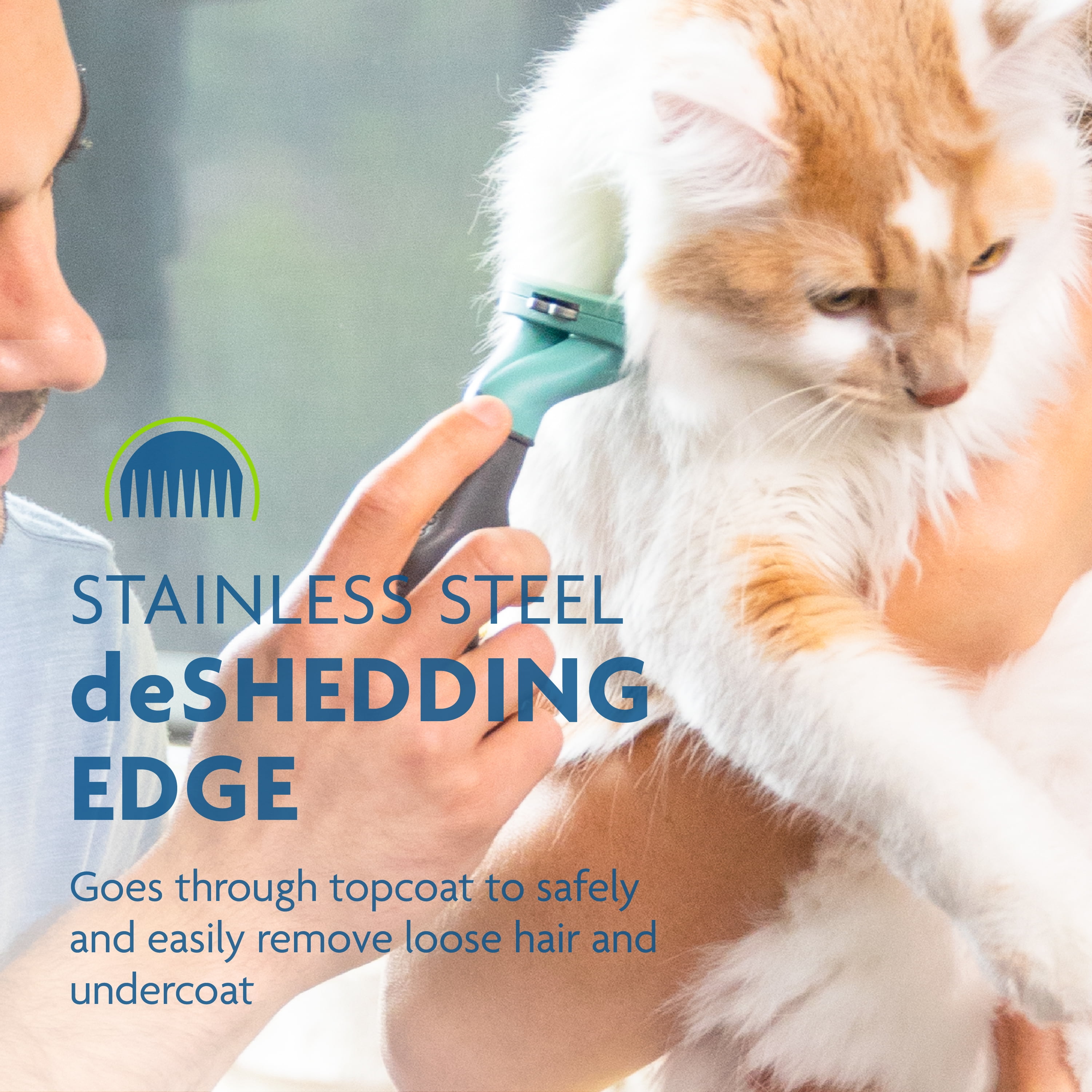
Groom Your Cat Regularly
Regular brushing removes loose fur before it lands on your bedding. Use a deshedding tool like a Furminator 2–3 times per week during heavy shedding seasons.
* A well-groomed cat sheds significantly less hair overall.
* Collect the loose fur in a controlled environment away from the bedroom.
* Establish a routine to make grooming a normal part of your cat’s life.
This proactive approach reduces the total volume of hair in your home. It is the most effective long-term strategy for hair management.
Use a Dedicated Pet Throw Blanket
Place a washable throw blanket over your bedspread to act as a barrier. Choose materials like fleece or microfiber that attract hair and are easy to clean.
* Remove and clean the throw daily or weekly depending on usage.
* This protects your main comforter from direct contact with fur.
* Washing a small throw is faster and easier than cleaning a large bedspread.
This simple barrier method cuts deep-cleaning frequency significantly. It allows you to enjoy cuddle time without ruining your main bedding.
Control Bedroom Humidity Levels
Dry air increases static electricity, causing hair to stick more aggressively to fabrics. Maintain humidity levels between 40% and 50% using a humidifier.
* Lower static levels mean less hair cling on synthetic fabrics.
* Use a humidifier especially during winter months when air is driest.
* Monitor humidity with a simple gauge to ensure optimal levels.
Managing your environment reduces the fundamental force holding hair to your bed. It is an often-overlooked but powerful prevention tactic.
Frequently Asked Questions About Removing Cat Hair
What is the fastest way to get cat hair off a bedspread?
The fastest method is using a damp rubber glove or a lint roller for immediate surface removal. These tools require no setup and work instantly on dry fabric. They are perfect for quick touch-ups before guests arrive or when you need a fast solution.
Does the dryer really remove cat hair effectively?
Yes, running an air fluff cycle for 10 minutes loosens deeply embedded hair without heat damage. The tumbling action lifts hair from fibers while airflow moves it to the lint trap. This is most effective when the lint trap is clean before starting.
Can I use a fabric shaver on all types of bedspreads?
No, you must test fabric shavers on a hidden area first as they can damage delicate weaves. They work best on pilled fabrics or dense buildup but risk snagging silk or loose knits. Always check the manufacturer guidelines for your specific bedding material.
Why does cat hair stick so badly to synthetic fabrics?
Synthetic fabrics generate high levels of static electricity which attracts and holds fine cat hair. The electrostatic charge creates a strong bond between the hair and the fiber. Using dryer sheets or fabric softener neutralizes this charge to release the hair.
How often should I wash my bedspread if my cat sleeps on it?
You should wash bedding weekly to remove oils, dander, and hair buildup that increase static. Frequent washing prevents deep embedding of fur and maintains better sleep hygiene. Using a throw blanket can reduce the need to wash the main bedspread as often.
Key Takeaways for Getting Cat Hair Off Bedspreads

Removing cat hair effectively requires combining static control, mechanical agitation, and adhesion techniques. Start with dry methods like rubber gloves or air fluff cycles to loosen hair before attempting to wash. Always avoid high heat during drying as it can bake hair into the fabric permanently.
Implement prevention strategies like regular grooming and using throw blankets to reduce future buildup. By maintaining a consistent cleaning routine and controlling bedroom humidity, you can keep your bed fur-free. Start with the air fluff cycle today for an immediate improvement in your bedding cleanliness.