Nothing ruins sleep like a flat, smelly, or stained feather pillow. Over time, sweat, oils, and allergens seep through your pillowcase, degrading the feathers inside. While washing a feather pillow might seem risky, it is entirely possible when done correctly. The key is preserving the natural oils in feathers that keep them soft, resilient, and supportive. Washing too often or drying improperly can lead to clumping, brittleness, and even mold. This guide walks you through every step from checking if your pillow is washable to drying it completely so you never risk a musty, ruined pillow again.
Check If Your Feather Pillow Is Safe to Wash
Before any water touches your pillow, confirm it can survive the process.
Read the Care Label First
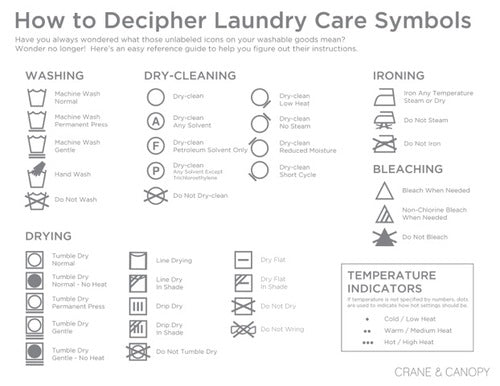
Flip your pillow over and locate the tag. It may say machine washable, hand wash only, or dry clean only. If it says dry clean only, skip home washing. Feather and down blends or high-end brands often carry this warning to protect delicate fills.
Assess Age and Condition
Older pillows (5+ years) or those with visible wear are high-risk. Thin fabric, feather leakage, and permanent lumps may not withstand agitation. If seams are weak, hand wash only or opt for professional cleaning.
Confirm Machine Compatibility
Only use a front-loading washer or top-loader without an agitator. Central agitators twist and tear pillow fabric, causing feathers to clump and escape. If you have an agitator model, hand washing or professional cleaning is safer.
Prepare the Pillow for Washing
Skipping preparation increases the risk of damage and uneven cleaning.
Remove All Covers
Take off the pillowcase, decorative cover, and waterproof protector. Wash these separately since they are often the source of odor and stains.
Inspect for Damage
Check corners, edges, and seams. Even a small tear can widen in water. Repair with needle and thread or a fabric patch. Let repairs dry fully before washing.
Fluff and Shake
Shake the pillow vigorously to redistribute feathers. This prevents dense clumps from forming during washing and ensures even water penetration.
Use a Protective Cover
Slip the pillow into a mesh laundry bag or a clean white pillowcase tied shut. This reduces friction, catches loose feathers, and protects the shell.
Balance the Load
Always wash two pillows at once to balance the drum. If washing one, add 2-3 clean towels to prevent violent spinning. Never overload the machine since crowding blocks water flow and rinse cycles.
Choose the Right Washing Method
Pick the method that matches your pillow type and equipment.
Machine Wash Safe Method
Best for new or sturdy feather pillows in front-loading machines.
Use Mild Detergent Only
Use 1/4 to 1/2 standard dose of a low-suds, gentle formula. Good options include Woolite or a down-specific cleaner. Avoid bleach, fabric softener, and enzyme-heavy detergents since these strip natural oils and leave feathers brittle.
Add White Vinegar (Optional)
Pour 1/2 cup distilled white vinegar into the rinse dispenser. It neutralizes odors, removes detergent residue, and softens feathers naturally.
Select Correct Settings
Set water temperature to cold or warm (30-40°C or 86-104°F). Never use hot water. Choose the gentle, delicate, or hand wash cycle. Enable double rinse to remove all soap and double spin to extract water.
Hand Wash Ideal for Delicate Pillows
Best for fragile, antique, or heavily filled pillows.
Fill a Tub with Lukewarm Water
Use enough water to fully submerge the pillow at 30-40°C (86-104°F).
Dissolve Mild Detergent
Use a small amount of Woolite, baby shampoo, or down-specific cleaner. Avoid powders since they do not dissolve fully.
Submerge and Squeeze
Gently press the pillow under water and let it soak for 5-10 minutes. Then squeeze repeatedly to flush dirt. Never twist or knead since this breaks quill shafts.
Rinse Thoroughly
Drain and refill with clean water. Repeat 3-5 times until water runs clear.
Press Out Water
Lay two dry towels on a flat surface. Place the pillow between them and press down to absorb moisture. Do not wring.
Dry Clean Luxury or Non-Washable Pillows
Recommended for high-fill-power goose down, dry clean only labels, or antique pillows. Choose a cleaner that uses non-toxic solvents and has experience with natural fills. Ask for a moisture test before taking the pillow home to ensure it is 100% dry.
Dry the Pillow Completely

Drying is more important than washing. Incomplete drying causes mold, mildew, and irreversible damage.
Tumble Dry Most Effective Method
Ensures even heat and mechanical fluffing.
Gather Supplies
You need a dryer, 2-3 wool dryer balls or clean tennis balls in socks, and clean towels for pre-drying.
Pre-Dry with Towels
Press the wet pillow between two dry towels to remove surface moisture. Repeat until no more water transfers.
Load the Dryer
Place two pillows inside with dryer balls. The balls break up clumps, fluff feathers, and reduce drying time.
Set Low Heat
Use low heat, air dry, or delicate setting. Never use high heat since it scorches feathers and melts quill shafts.
Dry in Cycles
Run for 30-60 minutes, then stop to flip pillows, break apart clumps by hand, and fluff thoroughly. Repeat every 15-30 minutes. Total drying time is typically 2-3 hours.
Test for Dryness
Before removing, perform the squeeze test. Pinch the center and corners with no coolness or dampness. The smell test should reveal no musty or sour odor. The feel test should show the entire pillow warm and dry.
Air Dry Alternative
Use only if you can ensure full ventilation.
Lay Flat on a Drying Rack
Place on a clean sheet or rack in a well-ventilated room with indirect sunlight. Avoid direct sun since UV rays degrade feathers over time.
Flip Every Few Hours
Turn the pillow every 4-6 hours to expose all sides.
Speed Up Drying
Use a fan to circulate air or run a dehumidifier in humid climates.
Drying Time
Expect 24-48 hours depending on conditions, longer in cold, damp areas. Never sleep on the pillow until fully dry since even slight moisture breeds mold.
Remove Yellow Stains and Odors
Stains and smells are common but treatable if caught early.
Remove Yellowing from Sweat and Oils
Yellowing is caused by sebum, sweat, and skincare products.
Pre-Treat Stains
Mix 1/2 cup baking soda, 1/2 cup white vinegar, and 1 cup warm water. Soak stained areas for 1 hour, then wash using mild detergent.
Use Gentle Stain Remover
Apply a down-safe product like OxiClean MaxForce (diluted) or Vanish PFD. Blot, do not rub, and rinse thoroughly.
Eliminate Musty Smells After Washing
Musty smells indicate incomplete drying or detergent residue.
Return to Dryer
Tumble on low heat with dryer balls and a damp cloth with 2-3 drops of tea tree or lavender oil. The moisture helps release trapped odors.
Avoid Essential Oils Directly
Never spray oils directly on the pillow since they can stain and attract dust.
If Odor Persists
The pillow likely has internal mold. Replace it since no amount of washing will fix it.
Use the Right Detergent
Choosing the wrong detergent harms feathers.
Avoid Harsh Chemicals
Skip bleach since it weakens fibers. Avoid fabric softener since it coats feathers and reduces loft. Do not use enzyme detergents since they break down natural proteins in quills.
Use Down-Specific Detergent
Best options include Nikwax Down Wash, Grangers Down Wash, and My Green Fills. These are formulated to clean without stripping protective oils.
Water-Only Wash for Light Cleaning
For freshening without stains, skip detergent. Use cold water with a double rinse to remove surface dust without chemical exposure.
Extend Pillow Life with Daily Care
A well-maintained feather pillow lasts 5-10 years, not just 2-3.
Fluff Daily
Shake and fluff each morning to redistribute feathers, restore loft, and prevent permanent flat spots.
Use a Pillow Protector
Wear a zippered, breathable protector under your pillowcase. It blocks sweat, oils, dust mites, and allergens. Wash the protector monthly.
Store Properly
For seasonal storage, use a cotton storage bag (never plastic). Keep in a cool, dry place. Avoid vacuum sealing since it crushes feather clusters. Air out every 3-6 months.
Spot Clean Minor Stains
Avoid full washing for small spills.
Blot Do Not Rub
Use a clean cloth dampened with water or mild detergent solution. Gently blot the stain. Never soak large areas.
Rinse and Dry
Wipe with a damp cloth to remove soap. Pat dry with a towel. Let air dry completely before use. Never use heat like a hair dryer or iron since it sets stains and damages feathers.
Know When to Replace Your Pillow
Even the best care will not save a worn-out pillow.
Signs It Is Time to Replace
Replace when the pillow is flat, lumpy, or sagging (feathers broken or clumped beyond repair). Replace if you experience neck pain upon waking (poor support affects spinal alignment). Replace if feathers poke through (fabric worn). Replace if there is a musty smell after drying (internal mold, irreversible). Replace if allergies worsen (dust mite buildup resistant to cleaning).
Average Lifespan
With no protector, expect 2-3 years. With a protector, proper drying, and minimal washing, expect 5-10 years.
Frequently Asked Questions About Washing Feather Pillows
How Often Should I Wash a Feather Pillow?
Wash a feather pillow only once per year maximum. If you do not use a pillow protector, wash every 6 months. Spot clean as needed between full washes. Over-washing accelerates degradation and breaks down natural feather oils.
Can I Put a Feather Pillow in the Dryer?
Yes, you can tumble dry a feather pillow. Use low heat and include dryer balls or tennis balls to fluff feathers and prevent clumping. Dry for 2-3 hours in cycles, stopping to fluff manually. Never use high heat.
Why Does My Feather Pillow Smell Musty After Washing?
A musty smell indicates incomplete drying. Moisture trapped inside leads to mold and mildew. Return the pillow to the dryer immediately on low heat. If the smell persists after thorough drying, the pillow likely has internal mold and should be replaced.
Can I Use Regular Detergent on a Feather Pillow?
Regular detergents are not recommended. Use a mild, low-suds detergent or better yet, a down-specific formula. Regular detergents strip natural oils from feathers, causing brittleness and breakage. Always run an extra rinse cycle to eliminate residue.
How Do I Get Yellow Stains Out of a Feather Pillow?
Mix 1/2 cup baking soda with 1/2 cup white vinegar in 1 cup warm water. Soak stained areas for 1 hour. Wash with mild detergent. For stubborn stains, apply a diluted down-safe stain remover and blot gently. Rinse thoroughly and dry completely.
How Long Does It Take to Air Dry a Feather Pillow?
Air drying takes 24-48 hours depending on humidity and airflow. Place the pillow on a drying rack in a well-ventilated area with indirect sunlight. Flip every 4-6 hours. Use a fan or dehumidifier to speed drying. Never use the pillow until completely dry.
Key Takeaways for Washing Feather Pillows
Washing a feather pillow is safe when done sparingly and correctly. The real enemy is not dirt, it is moisture. Always dry completely using low heat and dryer balls, or air dry in a well-ventilated area for 24-48 hours. Use gentle, down-specific detergents and avoid harsh chemicals that strip natural oils. Wash only when necessary, once per year at most, and use a pillow protector to minimize direct contact with sweat and oils. With these steps, your pillow stays fresh, supportive, and mold-free for years.