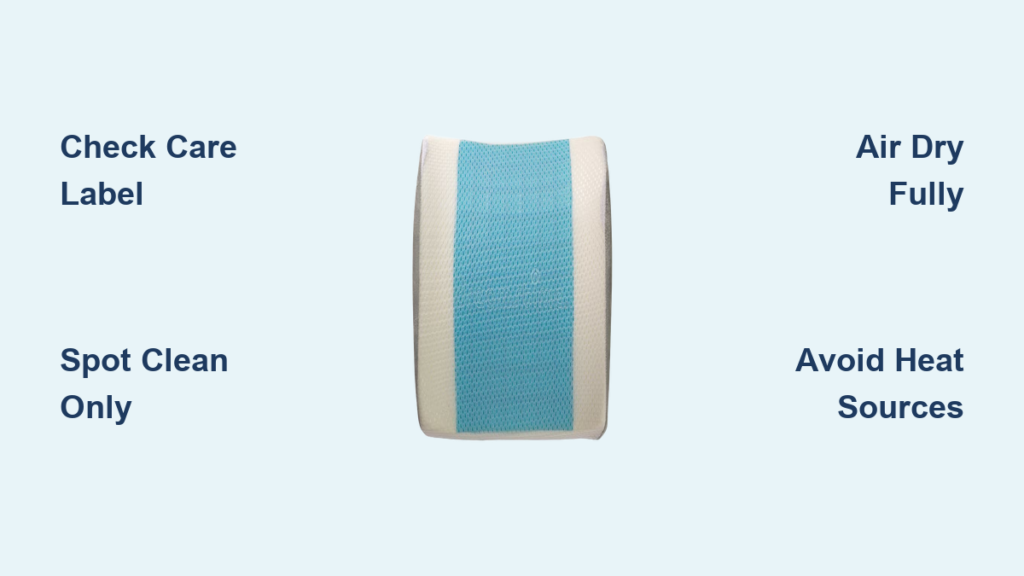
You’ve invested in a gel pillow for better sleep, temperature control, and neck support. So when it starts to smell or look stained, you want to clean it without ruining its performance. The good news is that most gel pillows can be cleaned, but not all the same way. Washing one incorrectly can destroy the gel layer, ruin the foam, or cause mold from trapped moisture. The key is knowing your pillow type and following precise, safe methods.
This guide breaks down exactly how to wash a gel pillow based on its construction. You’ll learn step-by-step cleaning techniques, drying best practices, and how to avoid the most common mistakes that shorten pillow life. We’ll also cover how often to clean, what to never do, and how a simple pillow protector can cut down on deep cleaning altogether.
Check the Care Label Before Cleaning
Before doing anything, locate the care tag on your gel pillow. This small label dictates everything: whether it’s machine washable, hand wash only, or spot clean only. Ignoring it could void warranties or destroy the pillow.
Manufacturers design each model differently. Some shredded gel pillows tolerate full washing, while solid gel cores must never get wet inside. If the label says spot clean only, that rule overrides any online advice.
Read the Manufacturer’s Instructions
Find the care tag usually sewn into the pillow seam. Look for symbols or words indicating:
- Machine washable
- Hand wash only
- Spot clean only
- Water temperature limits
If the label says machine washable, proceed with caution and follow specific guidelines. If it says spot clean only, that is your only safe option.
No Label? Assume Spot Clean Only
If your pillow lacks a tag or you bought a generic brand, default to spot cleaning only. Without verified instructions, submerging the pillow risks irreversible damage. When in doubt, protect the investment with a pillow protector and clean only the surface.
Identify Your Gel Pillow Type
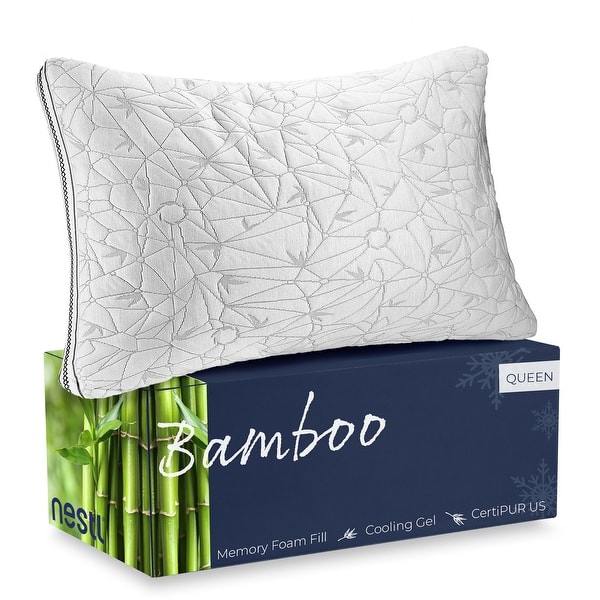
Knowing exactly what type of gel pillow you have determines your cleaning approach. Not all gel pillows are created equal, and using the wrong method can permanently damage your pillow.
Solid Gel Core Pillows
Pillows with a solid gel layer, often a gel pad or cooling panel inside, are highly sensitive to water exposure. These are common in premium cooling models. The gel is sealed between foam or fabric layers, and soaking can cause gel leakage, delamination of internal layers, and permanent loss of cooling effect.
Cleaning method: Spot clean only. Never machine or hand wash.
Gel-Infused Memory Foam Pillows
These pillows contain gel beads mixed into memory foam to disperse heat. While more durable than solid gel, the foam absorbs water easily and may not dry fully, leading to mold or breakdown. Most manufacturers recommend no full immersion unless explicitly stated.
Cleaning method: Spot cleaning or light dab wash. Avoid soaking or aggressive scrubbing.
Shredded Gel Foam Pillows
Shredded gel and memory foam blends are more forgiving. Some brands allow gentle machine washing if the label permits. The loose fill dries faster and resists compaction better than solid foam.
Cleaning method: Machine wash (front-loader only) or hand wash, but only if the label allows.
Spot Clean a Gel Pillow Safely
For most gel pillows, spot cleaning is the only safe option. It removes stains, sweat, and odors without risking internal damage. It’s fast, effective, and preserves the pillow’s structure and cooling performance.
Use this method for spills, yellowing, or localized soiling.
Step-by-Step Spot Cleaning
- Remove the pillowcase and any removable zippered protector. Wash these separately.
- Mix mild cleaning solution: 1 to 2 drops of mild liquid detergent (Woolite or baby shampoo work well) combined with 1 cup of lukewarm water. Avoid bleach, ammonia, or enzymatic cleaners.
- Dampen a microfiber cloth in the solution. Wring until barely damp. Never dripping.
- Gently blot the stained area. Dabbing pushes moisture deeper and may fray internal layers. Never rub.
- Use a second cloth dampened with plain water to wipe away soap residue.
- Press a clean towel over the area to absorb moisture.
- Place the pillow in a well-ventilated room. Flip every 2 hours. Wait at least 4 to 6 hours before using.
Pro Tip: Add 1 to 2 drops of tea tree oil to the rinse water for natural deodorizing and antimicrobial action. Only use this if the pillow is washable and odor-resistant.
Hand Wash a Washable Gel Pillow
Only proceed with hand washing if the care label explicitly says hand wash or machine washable. This typically applies to shredded gel foam or hybrid fiber-gel blends. Hand washing is gentler than machines and reduces the risk of tearing or gel displacement.
Step-by-Step Hand Wash
- Fill a tub with lukewarm water under 30°C (86°F). Hot water damages gel and foam.
- Add 1 to 2 teaspoons of gentle detergent until dissolved.
- Submerge the pillow gently. Let it sink naturally. Don’t force it down. Foam will absorb water over 5 to 10 minutes.
- Gently press the pillow from end to end to let soapy water penetrate. Never twist, knead, or scrub.
- Use a soft sponge with light pressure on discolored spots.
- Drain soapy water. Refill with clean lukewarm water. Repeat squeezing and rinsing 2 to 3 times until water runs clear.
- Remove excess water by laying the pillow on a dry towel, rolling the towel and pillow together, and pressing firmly. Or place between two towels and step on gently with clean feet. Never use a wringer or spin cycle.
Machine Wash a Gel Pillow (If Allowed)
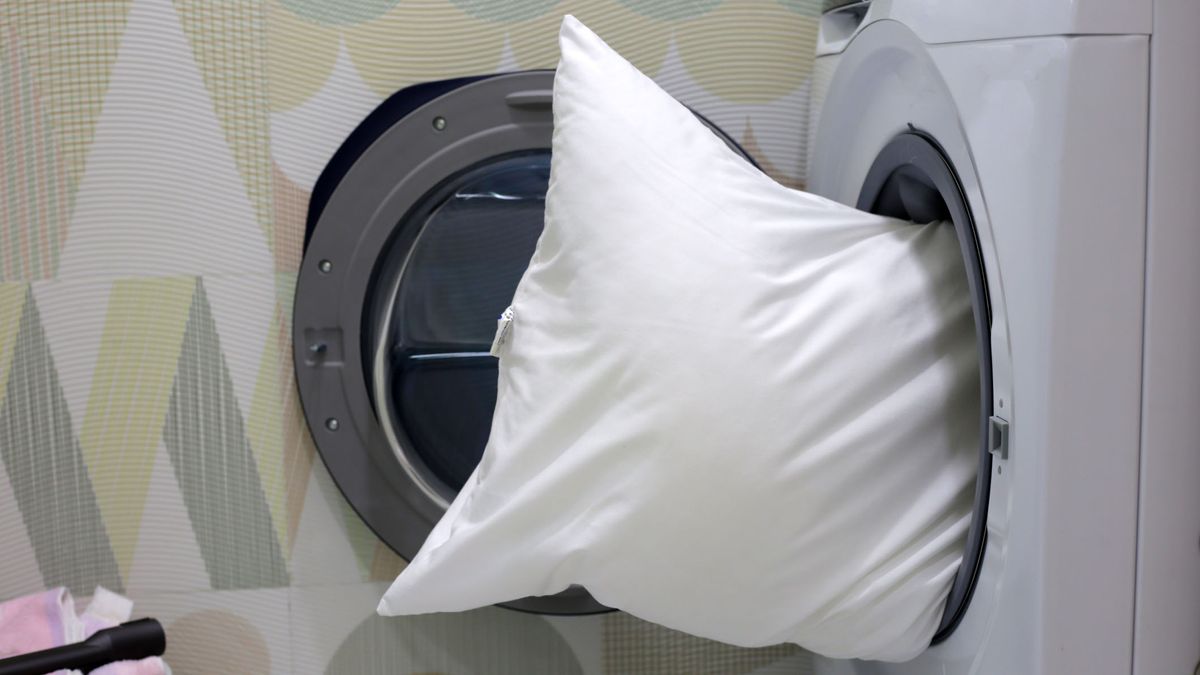
If your care label says machine washable, use a front-loading washer only. Top-loaders with agitators are too harsh and can rip seams or clump gel. This method is only safe for shredded gel foam models designed for washing.
Safe Machine Wash Steps
- Use cold or lukewarm water. Never exceed 30°C (86°F).
- Select gentle or delicate cycle with low spin speed to minimize stress.
- Add 1/2 cap of mild detergent. No fabric softener or bleach.
- Wash one pillow at a time, or pair with 2 to 3 towels to stabilize the drum.
- Use a mesh laundry bag for added protection against snagging or tumbling damage.
- Run an extra rinse cycle if possible to eliminate soap residue.
Warning: Never machine wash solid gel or gel-infused memory foam unless the label explicitly allows it. Damage is often irreversible.
Dry a Gel Pillow Properly
Improper drying causes more pillow failures than washing. Trapped moisture leads to mold and mildew, musty odors, foam degradation, and gel clumping. Even if washing goes perfectly, skipping proper drying ruins the pillow.
Best Drying Methods
Air Dry Flat: Lay the pillow horizontally on a dry towel. Place in a well-ventilated room away from direct sunlight. Use a drying rack to elevate and allow airflow underneath.
Flip Frequently: Turn the pillow every 2 to 3 hours. Total drying time ranges from 12 to 48 hours depending on thickness and humidity.
Use Towels to Absorb Moisture: Place dry towels on top of the pillow. Press gently to wick out water. Replace towels as they absorb moisture.
Use a Fan: Position a fan nearby to boost air circulation. Do not aim heat or blow directly on the pillow.
What to Never Do When Drying
Avoid Direct Sunlight
UV rays and heat break down gel particles and yellow or crack foam. Never dry in the sun.
Never Use a Dryer
Most gel pillows cannot go in the dryer. High heat melts gel components and shrinks fabric. If the label allows drying, use air-fluff or lowest heat setting, remove immediately after cycle ends, and check for dampness inside.
Never Use Heat Sources
Never microwave, use a hair dryer, or place on radiators. These methods cause localized overheating, which can warp or melt internal layers.
Golden Rule: Wait until the pillow is 100% dry throughout before using. Test by pressing deep into the center. If cool or damp, keep drying.
Cleaning Frequency and Maintenance
Regular maintenance extends pillow lifespan and ensures hygiene.
| Task | Frequency | Purpose |
|---|---|---|
| Spot clean spills | Immediately | Prevent stains and bacteria |
| Wash removable cover | Weekly | Maintain hygiene |
| Full wash (if allowed) | Every 3 to 6 months | Deep clean for odor and allergen control |
| Air out pillow | Monthly | Release trapped moisture |
| Rotate pillow | Every 2 weeks | Prevent uneven wear |
| Inspect for damage | Monthly | Catch tears or leaks early |
Use a Pillow Protector
A breathable, moisture-wicking pillow protector is the number one way to extend your pillow’s life. It blocks sweat and oils, dust mites, spills, and pet accidents. Users report up to 50% longer lifespan with consistent protector use. Choose cotton, bamboo, or technical fabric with a zip closure.
Extend Your Gel Pillow’s Lifespan
Store Properly When Not in Use
Keep in a cool, dry, ventilated area. Avoid plastic bags. Use a cotton storage sack for breathability. Don’t compress long-term, as this can deform foam.
Keep Pets Off the Bed
Pet claws can tear seams. Accidents introduce moisture and odors that are hard to remove.
Replace When Needed
Most gel pillows last 2 to 3 years with proper care. Replace if you notice loss of support or firmness, persistent odors after cleaning, sagging, lumps, or visible tears, or gel leakage.
Brand-Specific Care Tips
Puffy Gel Pillows
Removable, washable cover: machine wash cold, gentle cycle. Inner gel core: spot clean only. Full hand washing allowed only if necessary, using cold water and mild detergent.
Ecosa Gel Pillows
Made with gel-infused memory foam. Spot clean only. No submersion. Air dry in shaded, ventilated area.
Generic or Unknown Brands
Assume spot clean only. No care label means high risk of damage from washing. Use a protector to minimize cleaning needs.
Real Mistakes to Avoid
Washing a Spot Clean Only Pillow
Many users machine wash gel-infused memory foam pillows, leading to foam disintegration, gel clumping, and permanent sagging. Result: pillow replaced within months.
Skipping the Drying Step
Rushing to use a damp pillow causes mold growth within days. One user reported a swampy smell after using a hand-washed pillow too soon.
Using Harsh Cleaners
Bleach or strong detergents strip natural oils from foam and degrade gel. One user saw their pillow turn brittle and crack after using stain remover.
How Cleaning Affects Performance
Cooling Power
Gel dispersion is key to temperature regulation. Harsh washing or heat can disrupt gel bead distribution, block airflow in foam, and reduce heat dissipation. Result: pillow feels warmer over time.
Odor and Allergen Control
Improper cleaning leaves detergent residue or moisture, creating a breeding ground for mold, mildew, and dust mites. These worsen allergies and cause coughing or congestion.
Structural Integrity
Repeated wringing, twisting, or machine washing weakens seams and foam bonds. Over time, the pillow flattens and loses support.
Frequently Asked Questions About Washing a Gel Pillow
Can I machine wash all gel pillows?
No. Only shredded gel foam pillows with explicit manufacturer approval can be machine washed. Solid gel cores and gel-infused memory foam require spot cleaning only. Always check the care label first.
How do I know if my gel pillow is fully dry?
Press your fingers deep into the center of the pillow. If it feels cool or damp, it’s not dry. Wait another several hours and test again. Trapped moisture causes mold.
Can I use a hair dryer to speed up drying?
No. Never use heat sources like hair dryers, microwaves, or radiators. These cause localized overheating that can warp or melt internal gel and foam layers. Air dry only.
Why does my gel pillow smell after washing?
This usually means detergent residue remains or the pillow wasn’t fully dried. Run an extra rinse cycle next time and extend drying time. Persistent odor may indicate mold growth.
How often should I deep clean my gel pillow?
If your pillow is washable, deep clean it every 3 to 6 months. Spot clean spills immediately. Wash removable covers weekly for best hygiene.
Will washing my gel pillow ruin the cooling effect?
It can if done incorrectly. Harsh detergents, hot water, or machine washing can degrade gel dispersion and foam structure. Spot cleaning is the safest method to preserve cooling performance.
Key Takeaways for Washing a Gel Pillow
Always check the care label first. It’s your authoritative guide for safe cleaning methods. Spot clean most gel pillows. It’s the safest method that preserves cooling performance and structural integrity. Hand wash only if the label allows, using cold water and gentle squeezing. Never twist or wring.
Machine wash only shredded gel foam in a front-loader on gentle cycle. Never use bleach, wring, or twist the pillow. Never use high heat. No dryers, radiators, or sun drying.
Dry completely and naturally. Plan for 12 to 48 hours of air drying with regular flipping. Use a pillow protector to cut cleaning needs and double pillow life. Replace every 2 to 3 years or sooner if support fades.
By following these precise steps, you’ll keep your gel pillow cool, clean, and supportive without risking damage. A little care goes a long way in protecting your sleep investment.