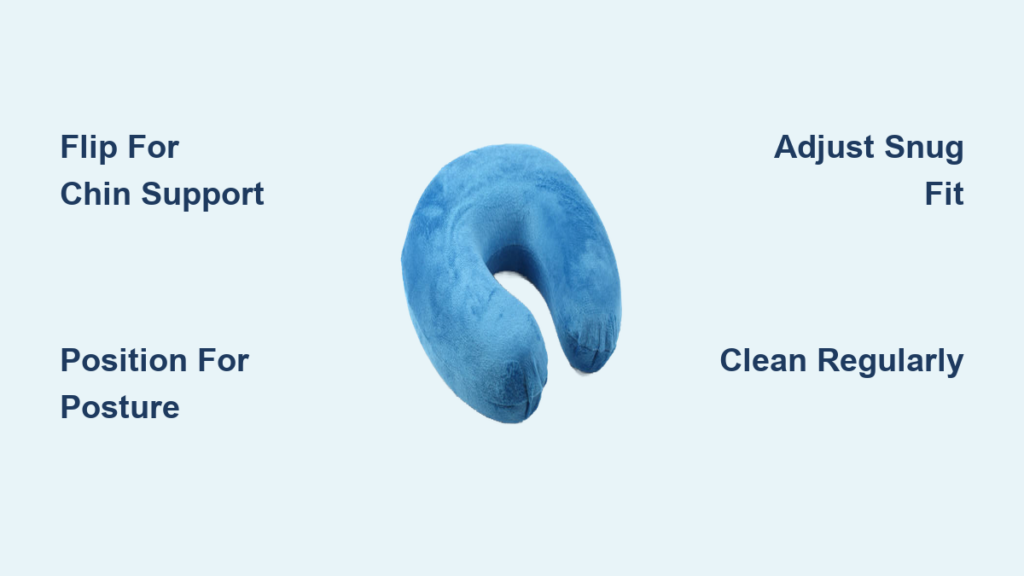
Youve just boarded a long flight, settled into your seat, and pulled out your trusty neck pillow only to wake up with a stiff neck and drool on your shirt. Sound familiar? The problem might not be the pillow. Its how you are using it.
A neck pillow is an ergonomic tool designed to support your cervical spine and prevent strain when sitting upright. When used correctly, it keeps your head from lolling forward, backward, or sideways during sleep. This guide reveals the science-backed ways to use a neck pillow effectively, avoid common mistakes, and maximize comfort anywhere you sit.
Choose the Right Neck Pillow Type

Not all neck pillows work the same. The best one depends on your body, sleeping style, and situation.
Pick Based on Design and Support
Each design serves a unique purpose. Match it to how you sleep.
• U-shaped pillows provide balanced side-to-side support and work for most travelers. The opening can face front or back depending on your needs.
• Wrap-around pillows offer customizable fit. You can loop them once or twice around the neck and adjust tightness for your posture.
• J-shaped pillows have an asymmetrical design with one side extending upward to cradle your jaw. Perfect if you tend to slump to one side.
• Inflatable pillows give you travel flexibility. You can adjust firmness by inflating more or less, and they deflate completely for storage.
• Rectangular mini pillows serve as supplementary support. Place them between your head and a window, behind your lower back, or under your arms.
Position the Pillow for Your Posture
How you place the pillow determines whether it helps or hurts.
Opening at the Front: Support the Back of the Head
Place the thick rear section under the base of your skull. This works best when reclining slightly, such as in a lounge chair or airplane seat with a headrest.
This position works best for back leaners and recliners. Rest your head back into the pillow and let it hold your neck in line with your spine. Watch out for your chin tipping too far forward. If this happens, try the reversed position instead.
Opening at the Back: Prevent Forward Head Drop
Flip the U-shaped pillow so the gap is at the back. The curved sides now lift under your jaw and chin.
This position works best for airplane travelers, desk nappers, and upright sleepers. Position the pillow snugly under your chin and keep your head level, not tilted down. This stops the nodding off motion that strains neck muscles.
Over the Shoulder: Support Side Leaning
Drape one side of the pillow over your left or right shoulder. The curved end cushions your cheek or temple.
This position works best for middle seat flyers and sofa loungers. Lean gently into the support and switch sides periodically to avoid muscle fatigue. This method does not stop forward or backward head movement, so consider combining it with other supports.
Use Neck Pillows in Different Environments
Where you are changes how you should use the pillow.
On a Plane: Stop Head Nodding
Your biggest enemy is gravity pulling your head forward during sleep.
Use the opening at the back position. This is the most effective method mid-flight. The pillow lifts your chin, keeping your airway open and spine aligned even during turbulence. Pair it with a sleep mask and noise-canceling headphones. Adjust the headrest to meet the top of the pillow. Choose memory foam or microbead fill because they hold shape better than inflatables.
Try the tray table method. Lock your tray table, cover it with a blanket, and rest your head forward. Use an inflatable or firm pillow to support your forehead or chin. This works great for stomach sleepers stuck upright and prevents face-planting into hard surfaces.
At Home: Enhance Relaxation
You do not need to travel to benefit from a neck pillow.
On the couch, use the front-opening position when leaning back to watch TV. Drape it over your shoulder if you tend to drift sideways. Combine with a lumbar roll behind your lower back for full-posture support.
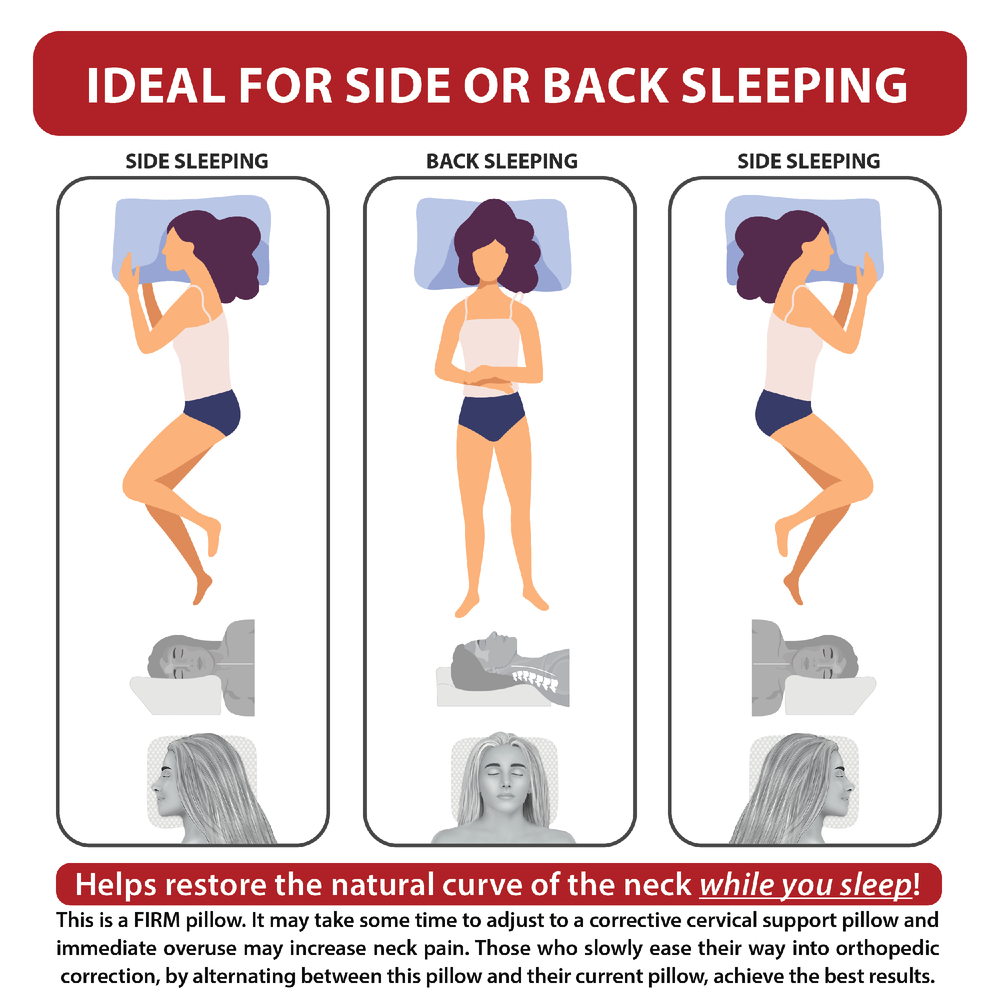
In bed, your travel pillow can help in supplementary ways. Back sleepers can place it under their knees to reduce lower back strain. Side sleepers can tuck it between thighs to align hips and reduce spine twist. Those sitting up in bed can position it behind the lower back to prevent slouching. Avoid using it under your head overnight because most are not contoured for long-term spinal alignment.
Try Weighted Neck Pillows for Calm and Comfort

Some neck pillows do more than support. They soothe.
How Weighted Pillows Work
Weighted neck pillows are filled with 2 to 4 pounds of dense beads. They apply gentle, grounding pressure to the neck and shoulders. This deep touch stimulation activates the parasympathetic nervous system, reducing stress and anxiety.
These pillows work best for anxiety, ADHD, sensory overload, and meditation. Use them before bed, during stressful flights, or while reading. Pair them with weighted blankets, infrared heating pads, or sauna blankets for full-body relaxation.
Unlike regular pillows, weighted versions are not meant to stop head drop. They are tools for calm, not stabilization.
Avoid These Common Mistakes
Even good pillows fail when used wrong.
Wearing It Too Loose
A gap between your neck and the pillow means zero support. Your head will still swing freely. Fix it by adjusting straps or inflating slightly. The pillow should hug snugly but not restrict breathing.
Assuming Front-Opening Is Always Correct
Many people default to front-opening, but that can cause chin tucking. If you wake up with neck pain, try reversing it.
Overinflating Inflatable Pillows
Rock-hard pillows prevent natural muscle relaxation. You will tense up trying to adapt. Fix it by inflating to 80 to 90 percent full. The pillow should compress slightly under head weight.
Ignoring Your Natural Sleep Style
Side sleepers need more asymmetrical support. Back sleepers benefit from even contouring. Choose and position accordingly.
Skipping Cleaning
Sweat, oils, and germs build up fast, especially on travel pillows. Clean removable covers every 1 to 2 weeks. Spot clean memory foam with mild soap and water. Wipe down inflatables after each trip.
Maintain and Replace Your Pillow
A worn-out pillow does more harm than good.
Clean Properly by Material
For memory foam, never soak it. Use a damp cloth with gentle cleaner and air dry completely before reuse.
For inflatables, wipe with disinfectant and dry the valve thoroughly to prevent mold.
For fabric covers, machine wash in cold water on gentle cycle and air dry or tumble dry low.
For delicate fabrics like silk or wool, hand wash and lay flat to dry. Do not wring.
Store It Right
Deflate inflatable pillows completely before packing. Let memory foam expand after use and avoid compressing it long-term. Store all types in a breathable bag away from sunlight and moisture.
Know When to Replace
Check every 6 months for loss of shape or firmness. Look for thin, lumpy, or sagging areas. Watch for tears, odors, or persistent stains.
Memory foam typically lasts 1 to 3 years. Inflatable and microbead pillows last 2 to 4 years. Replace sooner if support fades.
Maximize Benefits with Complementary Tools
Boost your neck pillow effectiveness by pairing it with other wellness aids.
Infrared Heating Pad
Apply to shoulders or upper back before or after using the pillow. Heat relaxes tight muscles, making support more effective. Use on low setting for 15 to 20 minutes. This is best for post-travel recovery and evening wind-down.
Weighted Blanket
Combine with a neck pillow for full-body grounding. The dual pressure calms the nervous system. Use both together while watching TV or meditating. This reduces anxiety and improves sleep onset.
Sauna Blanket
After a session, use the neck pillow during cooldown. Your relaxed muscles will align better with proper support. This promotes systemic relaxation and complements localized neck support.
Choose the Best Pillow for Your Needs
Make your selection based on real-life use.
By Sleeping Position
Side sleepers benefit from wrap-around or J-shaped pillows. Back sleepers should choose U-shaped memory foam. Forward droopers need reversed U or J-shaped with chin support.
By Travel Mode
Airplane travelers need lightweight, compressible options. Car and bus passengers can use bulkier wrap-around or microbead pillows. Train travelers have more flexibility depending on seat comfort and space.
By User Type
Frequent travelers should prioritize lightweight, washable, packable designs. Comfort seekers will prefer memory foam despite the bulk. Minimalists should choose inflatable or vacuum-compressed options.
Frequently Asked Questions About Using Neck Pillows
What is the correct way to wear a neck pillow?
The correct way depends on your goal. For back support, place the opening at the front so the thick rear section supports your skull. For preventing forward head drop, flip it so the opening faces your back and the curved sides cradle your chin. The pillow should fit snugly without restricting breathing.
Should I use my neck pillow opening at the front or back?
Use opening at the front when leaning back, such as in a recliner or seat with a headrest. Use opening at the back when sitting upright, such as on an airplane or at your desk. Many people default to front-opening, but reversing it often provides better chin support.
Can I use a neck pillow in bed?
You can use a travel pillow in bed for supplementary support, but it is not a replacement for a cervical pillow. Place it under your knees if you sleep on your back, between your thighs if you sleep on your side, or behind your lower back when sitting up. Avoid using it under your head for full nights.
How do I clean my neck pillow?
Check the material before cleaning. Removable fabric covers go in the machine on cold gentle cycle. Memory foam needs spot cleaning with a damp cloth and mild soap. Inflatables wipe down with disinfectant. Always air dry completely before storing to prevent mold.
How often should I replace my neck pillow?
Replace neck pillows every 1 to 3 years for memory foam and 2 to 4 years for inflatable or microbead types. Check every six months for signs of wear like loss of shape, lumps, tears, or odors. Replace sooner if the pillow no longer provides adequate support.
Key Takeaways for Using Neck Pillows Effectively
A neck pillow is only as good as how you use it. By choosing the right type, positioning it correctly, and maintaining it well, you turn a simple travel accessory into a powerful tool for comfort, alignment, and relaxation anywhere you sit.
Match your pillow to your sleep style. Side sleepers need wrap-around or J-shaped designs. Back sleepers benefit from U-shaped memory foam. Forward leaners should reverse the U-shape or use J-shaped pillows with chin support.
Position the pillow for your posture. Use front-opening when reclining back. Flip it to back-opening when sitting upright. Drape it over your shoulder when leaning sideways.
Maintain proper care. Clean removable covers every week or two. Store memory foam uncompressed and inflatables fully deflated. Replace when support fades or damage appears.
Experiment with different positions until you find what keeps your neck neutral and pain-free. Combine your pillow with headrests, lumbar cushions, eye masks, and earplugs for enhanced comfort.