
If you spend hours sitting at a desk, driving, or lounging on the couch, you have likely felt that familiar ache in your lower back. That discomfort often starts when your spine loses its natural curve, especially in the lumbar region. A back support pillow is designed to fix exactly that. By filling the gap between your lower back and the chair, it helps maintain proper spinal alignment, reduces disc pressure, and prevents slouching. In this guide, you will learn step-by-step placement, common mistakes to avoid, and how to adapt your pillow to any seating environment for maximum comfort and long-term spinal health.
Find the Correct Position for Your Back Support Pillow
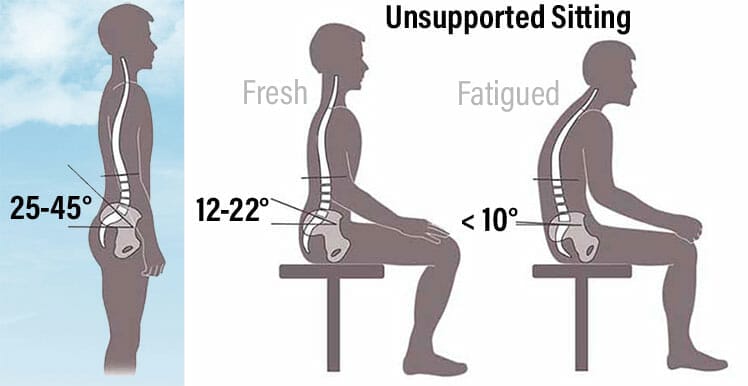
Getting the most from your back support pillow starts with precise positioning. Even a high-quality pillow will not help if it is placed too high or too low.
Locate Your Natural Lumbar Curve
Before placing the pillow, find your lumbar arch. Sit upright and slide your hand behind your lower back. You should feel a small gap just above your belt line. This is where support is needed. If the gap disappears when you sit, that is a sign you are losing spinal alignment and need lumbar support.
Center the Pillow at Your Lower Back
Place the pillow directly in the small of your back, centered at the level of your navel or slightly below. This aligns with the L3 to L5 vertebrae, the core of the lumbar spine. Avoid placing it in the mid-back or near the tailbone. These positions do not support the lumbar curve and may cause discomfort or poor posture.
Secure and Adjust for Stability
Use built-in straps to attach the pillow firmly to your chair or car seat. A shifting pillow defeats its purpose. Once secured, sit back fully and let your spine settle into the support. You should feel a gentle lift, not pressure. If the pillow feels too firm, adjust its depth or try an inflatable model with customizable firmness.
Use a Back Support Pillow in Your Office Chair
An office chair is one of the most common and critical places to use a back support pillow, especially if your chair lacks built-in lumbar support.
Sit Fully Back in the Seat
Begin by pushing your hips all the way to the back of the chair. This prevents pelvic tilt and ensures your lumbar spine is in the right position to receive support. Slouching forward negates the pillow benefits.
Pair with Proper Desk Ergonomics
Even with a pillow, poor desk setup can strain your back. Keep your hips slightly higher than your knees. Use a footrest if needed. Position your monitor at eye level to avoid leaning forward. Keep your elbows at 90 degrees when typing. These adjustments work with the pillow to promote neutral posture and reduce spinal load.
Optimize Back Support for Car Driving

Long commutes or road trips can wreak havoc on your lower back. A back support pillow helps maintain alignment during driving.
Position at Lower Back Level
Attach the pillow to the driver seat so it supports the lumbar arch, not the shoulder blades. Sitting too far forward or reclined reduces effectiveness. Sit upright with your back against the seat and the pillow providing subtle support.
Take Regular Movement Breaks
Even with proper support, avoid sitting for more than one to two hours without stretching. Exit the car, walk for a few minutes, and perform gentle back extensions to relieve static pressure.
Adapt for Sofa and Recliner Use
Sofas and recliners often lack structural support, leading to slouching and back pain.
Avoid Sinking Into Soft Cushions
Deep, soft seats cause your pelvis to tilt backward, flattening the lumbar curve. Place the pillow behind your lower back and consider sitting on a firmer cushion or folded towel to elevate your hips.
Stay Upright, Not Reclined
Using a recliner without lumbar support creates a C-shaped spine, increasing disc pressure. If reclining, place the pillow behind your lower back and avoid lying flat. For extended lounging, combine with a neck pillow for full spinal alignment.
Choose the Right Back Support Pillow Type
Not all back support pillows are the same. Selecting the right one depends on your needs and environment.
Compare Memory Foam and Inflatable Options
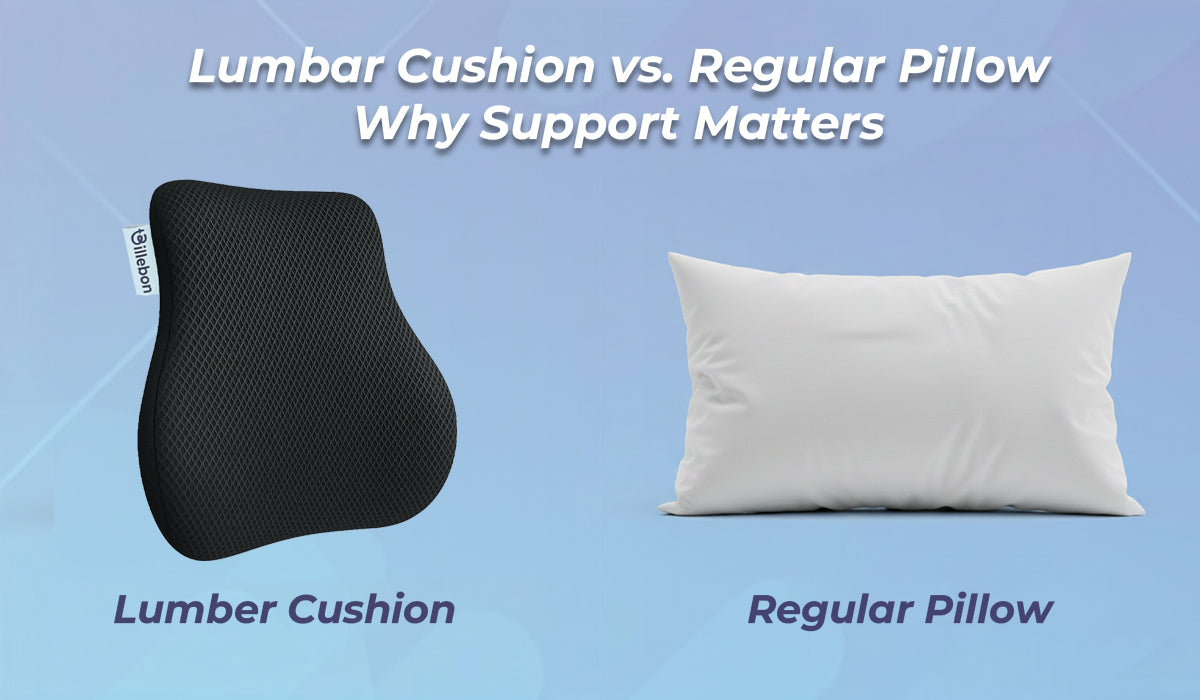
Memory foam pillows contour to your spine and provide consistent, durable support. They are ideal for daily office or home use. Inflatable lumbar supports offer adjustable firmness and are great for travel, but may feel less natural over time.
Consider Specialized Features
Ergonomic backrests are larger and often include built-in curves for maximum alignment. Heated lumbar pillows add soothing warmth, which is helpful for muscle tension or chronic pain, but should not replace medical treatment.
Prevent Common Back Support Pillow Mistakes
Even small errors in use can reduce effectiveness or worsen back pain.
Avoid Mid-Back Placement
Placing the pillow too high, in the thoracic region, feels comfortable but does nothing for lumbar support. Your lower back remains unsupported, leading to disc strain.
Do Not Position Too Low
Putting the pillow near the tailbone provides no lumbar lift. Worse, it can push your pelvis forward, increasing spinal flexion and discomfort.
Do Not Use as a Rigid Brace
A lumbar pillow is a postural aid, not a medical brace. It should support, not force, your spine into position. Pair it with core engagement and movement for best results.
Enhance Your Seat Ergonomics
A pillow cannot fix a badly designed seat. Optimize your chair to maximize support.
Elevate Hips Above Knees
If your chair slopes downward, use a folded towel or seat wedge to raise your hips. This encourages a slight pelvic tilt, restoring the natural lumbar curve.
Add a Footrest if Needed
When your feet do not rest flat, leg pressure pulls on the lower back. A simple footrest keeps your knees level or slightly below hips, reducing spinal strain.
Maintain and Replace Your Back Support Pillow Regularly
A worn-out pillow loses its ability to support your spine.
Clean the Cover Weekly
Sweat and oils build up over time. Choose a model with a removable, machine-washable cover and clean it weekly for hygiene and comfort.
Check for Foam Degradation
Squeeze the pillow regularly. If it feels flat, lumpy, or slow to rebound, it is time to replace it. Most memory foam pillows last one to two years with daily use.
Use Back Support Pillows for Pain Relief and Prevention
A back support pillow is not just for those in pain. It is a preventive tool for long-term spinal health.
Reduce Lower Back Pain
Users with flexion-intolerant lumbar pain or sciatica often report immediate relief when the pillow reduces disc pressure. However, it should complement, not replace, medical treatment and movement.
Prevent Postural Fatigue
Even without pain, poor posture leads to muscle fatigue. The pillow helps maintain alignment with less effort, reducing strain during long work or travel sessions.
Special Uses Beyond Sitting
While designed for seated support, lumbar pillows can aid in other positions.
Support While Lying on Your Back
Some users place the pillow under their lower back when lying down to maintain spinal alignment. This can ease discomfort for people with disc issues, but avoid over-arching.
Not Recommended for Side Sleeping
For side sleepers, a lumbar pillow under the back is ineffective. Instead, place a single pillow between the knees to keep the spine neutral and reduce hip strain.
Buy From Trusted Sources
Quality matters when choosing a back support pillow. Shop online at Amazon.com for a wide variety of options with user reviews. Physical therapy clinics often sell medical-grade lumbar rolls. Medical supply stores carry clinically recommended models. Ergonomic retailers provide premium, adjustable supports for office use.
Maximize Long-Term Spinal Health
Using a back support pillow is just one part of a healthy posture strategy.
Start Gradually
Begin with 30 to 60 minutes of use per day. Your body may feel too upright at first. This is normal. As your muscles adapt, increase usage time.
Combine With Movement
No pillow replaces the need to move. Stand, stretch, or walk every hour. Try simple back extensions or pelvic tilts to reset your spine.
Listen to Your Body
If pain increases, recheck pillow placement. If discomfort persists, consult a physical therapist or healthcare provider. Your issue may require more than postural support.
Frequently Asked Questions About Using Back Support Pillows
Where should a back support pillow be placed?
Place the back support pillow directly in the small of your back, centered at the level of your navel or slightly below. This aligns with the lumbar spine. Avoid placing it too high in the mid-back or too low near the tailbone.
How do I know if my back support pillow is positioned correctly?
You should feel a gentle lift in your lower back, not pressure or discomfort. Your shoulders should relax, and your spine should feel neutral. If you feel discomfort, reposition the pillow slightly up or down.
Can I use a back support pillow while driving?
Yes, attach the pillow to the driver seat using adjustable straps. Position it to support the lumbar arch, not the shoulder blades. Sit upright with your back against the seat and take breaks every one to two hours.
How long should I use a back support pillow each day?
Start with 30 to 60 minutes per day and gradually increase as your body adapts. For chronic pain or prevention, using it throughout your workday is beneficial, but always combine with regular movement.
When should I replace my back support pillow?
Replace your pillow when it feels flat, lumpy, or slow to rebound. Most memory foam pillows last one to two years with daily use. Clean the cover weekly and inspect for wear regularly.
Key Takeaways for Using Back Support Pillows
A back support pillow is a simple, effective tool for maintaining spinal health during prolonged sitting. When used correctly, centered at the lumbar curve, paired with good ergonomics, and replaced when worn, it can reduce pain, improve posture, and prevent long-term damage. Position the pillow at the small of your back, secure it firmly to prevent shifting, and combine its use with proper desk and chair ergonomics. Start with short sessions and gradually increase usage time as your body adapts. Remember to move regularly, stretch daily, and replace your pillow every one to two years for optimal support. By integrating a back support pillow into your routine at work, in the car, or at home, you take a proactive step toward a healthier, more comfortable back.