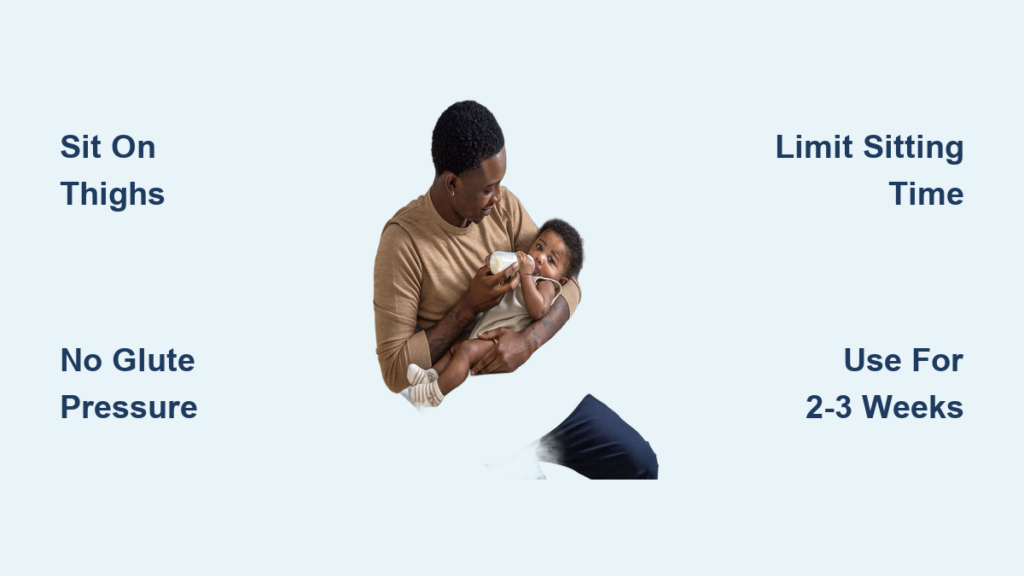
If you’ve recently had a Brazilian Butt Lift, protecting your results during recovery is critical—and one of the most effective tools for doing so is the Boppy pillow. Though originally designed for baby feeding support, this U-shaped cushion has become a go-to aid for post-BBL patients who need to sit without putting pressure on their newly enhanced glutes. The key to success? Using it correctly and consistently during the crucial first few weeks.
Fat grafts are fragile after surgery. They must reestablish a blood supply in the first 6-8 weeks, and any direct pressure can crush or displace them, leading to poor volume retention, asymmetry, or lumps. That’s why surgeons universally advise no sitting directly on the buttocks—at least not for several weeks. The Boppy pillow helps you stay mobile while keeping your glutes completely off the seat. It’s not a medical device, but when used properly, it offers reliable short-term support.
In this guide, you’ll learn exactly how to use a Boppy pillow after BBL—from sitting and sleeping techniques to how long to use it, what mistakes to avoid, and when to upgrade to a specialized recovery pillow.
Proper Sitting Technique with Your Boppy
Position the Pillow Correctly Before Sitting
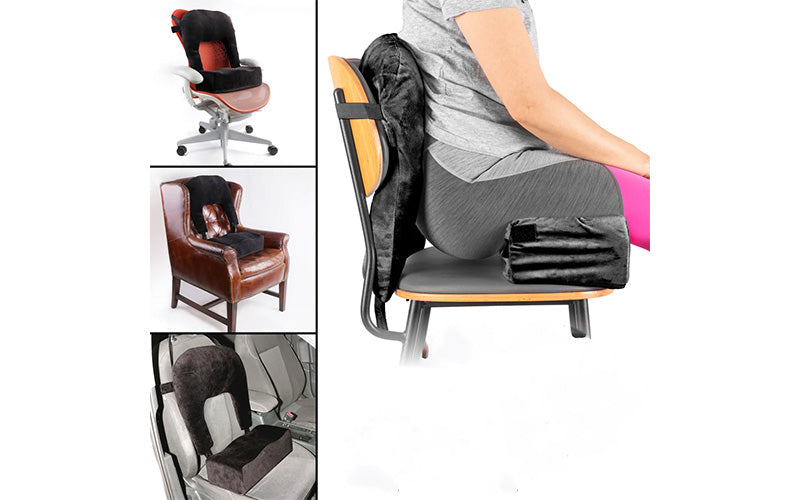
Place the Boppy on a stable surface like a chair, toilet, or bed with the open side facing forward. This creates a gap where your buttocks will hang freely. The curved sides should wrap around your hips, supporting your thighs and lower back. Never flip it backward because incorrect positioning defeats the purpose and risks compressing grafted fat.
Ensure the pillow sits flat and doesn’t tilt. If it shifts easily, consider placing it against a wall or using a non-slip mat underneath. Always double-check alignment before lowering yourself down.
Sit on Your Thighs, Not Your Glutes
Slowly lower your body, using your arms for control. Your weight must rest entirely on your thighs and hip bones, not on your buttocks. Imagine perching like a bird—light, balanced, and lifted. If you feel any pressure under your glutes, adjust your position immediately.
Keep your spine straight and avoid leaning forward, backward, or to the sides. Slouching shifts weight onto the grafts and increases risk of displacement. Use a small towel or lumbar roll behind your lower back if needed for posture support.
Limit Your Sitting Time Strictly
Even with perfect form, sitting should be brief—especially in the first two weeks. Follow the 30-minute rule: no more than 30 minutes of sitting every two hours, as recommended by Dr. Tania Medina de Garcia, MD. Some surgeons allow up to 30 minutes every 30 minutes of being upright, but only for essential tasks like using the bathroom or eating.
Set phone alarms to remind yourself to stand up and move around. Prolonged sitting—even with a pillow—can still cause strain or swelling.
Stand Up Safely Without Pressure
When rising, push up with your arms and leg muscles, keeping your glutes lifted. Use armrests, a countertop, or nearby furniture for leverage. Never bounce or plop back down. Each transition is a chance to accidentally compress the area, so move slowly and with intention.
Pro Tip: Practice standing from the pillow before surgery so the motion feels natural during recovery.
Sleep and Rest Positions with Your Boppy
Elevate Your Buttocks While Lying Down
While sitting is the main use, the Boppy can also help during rest. To use it lying down, flip the open end toward your head and slide your hips into the center. The pillow will cradle your buttocks, lifting them slightly off the bed or couch. This keeps the grafted area suspended and pressure-free.
Make sure no part of your glutes touches the surface beneath you. If there’s contact, add extra cushions under your thighs or adjust the Boppy’s position.
Combine with Leg Elevation for Best Results
Place pillows under your knees and calves to elevate your legs above heart level. This promotes lymphatic drainage, reduces swelling, and lowers the risk of blood clots. It also takes tension off the lower back and improves circulation.
Avoid crossing your legs or letting your feet dangle off the bed. Keep your body in a neutral, relaxed position.
Best Sleep Position After BBL
Sleep on your back—this is the safest position during early recovery. The Boppy can support your lower back curve when used in a reclined posture. Avoid side or stomach sleeping unless your surgeon explicitly approves it, as both can press on the glutes.
To prevent rolling at night, place body pillows or rolled towels on either side of your hips. Some patients use a wedge pillow to maintain a slight recline, which also eases breathing and reduces fluid buildup.
Expert Note: The goal is to keep your legs elevated and your buttocks completely off the surface—no pressure on the treated area.
How Long to Use the Boppy Pillow
Follow Surgeon-Specific Recovery Timelines
There’s no one-size-fits-all timeline, but most surgeons agree: avoid direct sitting for at least 2-3 weeks. Some extend the restriction to 6-8 weeks, depending on the volume of fat transferred and individual healing.
| Surgeon | Recommended Duration | Key Guidance |
|---|---|---|
| Dr. Jeff Angobaldo, MD | 2-3 weeks | Use supportive device like Boppy |
| Dr. Steven Wallach, MD | 2-3 weeks | No sitting on buttocks |
| Dr. Pedro M. Soler, Jr., MD | Up to 8 weeks | Keep weight off grafts for full integration |
Always follow your own surgeon’s protocol. If they say 8 weeks, don’t rush it—fat revascularization takes time.
Recovery Phases and Sitting Progression
| Timeframe | Sitting Guidance |
|---|---|
| Days 1-14 | Only sit for essentials (bathroom, meals). Always use Boppy. |
| Weeks 3-4 | Gradually increase sitting (up to 1-2 hours total/day), still with pillow. |
| Weeks 5-6 | May begin normal sitting if cleared—start with padded seats, short durations. |
| After Week 6 | Most resume regular sitting, though some surgeons advise caution up to 12 weeks. |
Driving should be avoided until 2-4 weeks post-op, and even then, always use your recovery pillow in the car seat.
Why Pressure Kills Fat Grafts
Understand the Revascularization Process
Transferred fat cells don’t survive on their own—they must reconnect to a blood supply within the first 6-8 weeks. This process, called revascularization, is delicate. Any pressure can collapse tiny new blood vessels, starving the cells and causing them to die.
Even light, repeated compression—like sitting without a pillow—can significantly reduce final volume. Studies suggest 50-70% of fat may naturally resorb; excess pressure can push that number even higher.
Risks of Sitting Too Soon
The consequences of premature sitting include fat cell necrosis (death), increased resorption and volume loss, irregular contours, lumps, or asymmetry, and poor aesthetic outcome. These aren’t just theoretical risks—they’re common reasons patients require revisions. The first month is the most critical, and your behavior during this time directly impacts your final results.
Walking: Safe and Beneficial After BBL
Start Walking Early—Within 24-48 Hours
Your surgeon will likely encourage you to walk within the first day or two. Unlike sitting, walking does not compress the glutes and is actually beneficial. According to Dr. Pedro M. Soler, Jr., MD, it doesn’t directly affect revascularization—but it supports healing by improving circulation.
Early movement helps prevent deep vein thrombosis (DVT), reduces swelling, and keeps joints flexible. Just don’t overdo it. Start with short laps around the house and increase gradually.
How to Walk Safely
Take small, steady steps and avoid twisting or pivoting motions. Keep your back straight and core engaged. Wear compression garments as directed. Avoid standing in one place for long periods. If your legs feel heavy or swollen, elevate them.
Boppy vs. Medical-Grade BBL Pillows

Limitations of the Boppy Pillow
While affordable and widely available, the Boppy has drawbacks. It wasn’t designed for BBL recovery—originally for nursing. The crescent shape doesn’t fully support wider hips. Foam may flatten over time, reducing effectiveness. There’s less stability, especially for larger body types. And there’s a higher risk of accidental contact with glutes.
Many patients report discomfort after a few days, especially if the pillow compresses or shifts.
Upgrade to a BBL-Specific Pillow
Purpose-built recovery pillows offer better long-term support. Top options include the Bombshell Booty Pillow, Glow Recovery Pillow, BBL Buddy, and Booty Boss Recovery Pillow.
These feature deeper, anatomical cutouts for full gluteal suspension, high-density memory foam that resists flattening, anti-slip bottoms for safety, and removable, washable, antimicrobial covers. Cost ranges from $60-$150, but many find the investment worth it for comfort and peace of mind.
Comparison Table: Boppy vs. BBL Pillow
| Feature | Boppy Pillow | BBL Recovery Pillow |
|---|---|---|
| Design Purpose | Infant nursing | Post-BBL recovery |
| Shape | Crescent (partial U) | Full U or V shape |
| Support Level | Moderate | High, anatomical |
| Foam Density | Medium-firm | High-density |
| Stability | May shift | Anti-slip base |
| Durability | 2-3 weeks max | 4-8 weeks |
| Cost | $20-$40 | $60-$150 |
One patient shared: “I used the Boppy for the first two weeks and it worked okay, but I switched to a BBL-specific pillow after that because my butt started touching the seat.”
Maximize Comfort and Compliance
Keep Pillows in Key Locations
Place a Boppy (or recovery pillow) in every room you frequent—bedroom, bathroom, kitchen, car, office. The easier it is to access, the more likely you are to use it consistently. Don’t forget the toilet seat. Many patients forget to use a pillow there, risking pressure during bathroom breaks.
Set Reminders to Limit Sitting
Use phone alarms or smartwatch alerts to prompt standing breaks. Label them: “Stand Up – Protect Your Booty!” Humor helps with motivation during a challenging recovery.
Combine with Other Recovery Tools
Wear a faja 24/7 for 4-8 weeks to reduce swelling and support skin retraction. Get lymphatic drainage massages to speed healing. Stay hydrated and eat clean to support tissue repair. Avoid bending, lifting, and exercise for at least 4-6 weeks.
Clean and Maintain Your Pillow
Wash Cover Regularly
Remove the cover and machine wash it weekly (or more often if needed). Use mild detergent and air dry. Spot clean the foam with a damp cloth and gentle disinfectant.
BBL-specific pillows often have antimicrobial, fully removable covers—a hygiene upgrade over standard Boppy models.
Replace If Foam Compresses
If the pillow loses its shape or feels flat, replace it immediately. A compressed pillow won’t suspend your glutes properly. The Boppy is ideal for short-term use, but not built for 6-8 weeks of daily pressure.
Follow Your Full Post-Op Care Plan
Integrate Pillow Use with Overall Recovery
The Boppy is just one part of a successful recovery. Key elements include wearing compression garments as directed, avoiding back sleeping for 2-4 weeks (use side-lying with support), attending all follow-up visits, avoiding alcohol, smoking, and blood thinners, and maintaining stable weight post-recovery.
Driving and Travel Tips
Do not drive until cleared—typically 2-4 weeks. When you do, place your recovery pillow on the car seat and adjust mirrors and pedals so you can sit safely without leaning. For flights or long trips, bring your pillow and stand or walk every hour.
Frequently Asked Questions About Using a Boppy Pillow After BBL
How long after BBL can I use a Boppy pillow?
You should use the Boppy pillow immediately after surgery—starting from day one. Most surgeons recommend using it every time you need to sit for the first 2-3 weeks minimum, with some extending use to 6-8 weeks depending on your specific case.
Can I sleep on my stomach with a Boppy pillow after BBL?
No, stomach sleeping is not recommended during early BBL recovery. It puts direct pressure on the grafted area and can compromise fat survival. Sleep on your back with legs elevated, using the Boppy to support your lower back or position your hips in the cutout.
What happens if I don’t use a pillow after BBL?
Without a pillow, sitting directly on your buttocks puts pressure on newly transferred fat cells. This can disrupt revascularization, cause fat cell death, increase volume loss, and lead to asymmetry or contour irregularities. Using a pillow is essential for protecting your investment.
Can I use the Boppy pillow in my car after BBL?
Yes, you can use the Boppy pillow in your car once your surgeon clears you to drive—typically around 2-4 weeks post-op. Place it on the car seat before sitting to ensure your glutes remain suspended and protected from seat pressure.
When should I upgrade from Boppy to a BBL-specific pillow?
Consider upgrading after 2-3 weeks if you need longer sitting periods or want better support. Many patients find the Boppy compresses or loses stability over time. BBL-specific pillows offer deeper cutouts, higher-density foam, and better anatomical support for extended recovery.
Key Takeaways for Protecting Your BBL Results
The Boppy pillow is a practical, budget-friendly option for the first 2-3 weeks after BBL. When used correctly—open side forward, weight on thighs, no glute contact—it effectively protects fat grafts. But it’s not perfect. For longer recovery timelines or greater comfort, upgrading to a medical-grade BBL pillow is strongly recommended.
Remember these critical points: avoid direct pressure on your glutes for at least 2-3 weeks (or longer per your surgeon’s advice), limit sitting to 30 minutes every two hours during early recovery, walk early and often to promote circulation without harming grafts, and follow your complete post-op care plan including wearing your faja and attending follow-up appointments.
Always follow your surgeon’s specific instructions, stay consistent with your recovery habits, and protect your results—your future self will thank you.