If you’ve ever woken up with a sore, tender spot on your ear after sleeping on your side, you’re not alone. You may be dealing with a condition known as pillow ear, medically called Chondrodermatitis Nodularis Helicis (CNH). This painful pressure sore develops from repeated friction and compression of the ear against a pillow, especially common among side sleepers over 55.
This article will guide you through proven strategies to treat pillow ear, focusing on the only long-term solution. You’ll learn how CNH develops, why traditional treatments often fail, and how specialized pillows can bring fast relief and lasting healing.
What Causes Pillow Ear (CNH)?
CNH isn’t just ear pain from sleeping. It’s a chronic pressure sore caused by pressure, friction, and time. When you lie on your side, your ear gets compressed between your head and the pillow. Over months or years, this constant rubbing breaks down the skin and underlying tissue.
As we age, our skin’s ability to repair itself slows down. The cartilage in the outer ear also has poor blood supply, making healing even harder. This combination means the damage from nightly pressure outpaces the body’s ability to fix it, leading to inflammation, pain, and eventually an open sore.
Who Is at Risk for Developing CNH
Several factors increase your likelihood of developing pillow ear. Understanding these risk factors helps you take preventive action before the condition worsens.
Side sleepers face the highest risk, especially those who consistently favor one side. Adults over 55 experience higher rates due to thinner skin and reduced circulation. People with sensitive ears or existing ear conditions are also more vulnerable. Anyone using firm pillows or rough bedding materials may develop CNH earlier than expected.
Even if you don’t have CNH yet, repeated ear discomfort when waking up is a warning sign. Addressing it early can prevent long-term damage and more complicated treatment down the road.
Why Standard Treatments Fail
Most doctors treat CNH with creams or surgery, but neither solves the real problem. Understanding why conventional approaches fall short helps you make better decisions about your treatment.
Steroid Creams Offer Temporary Relief
Topical steroids can reduce inflammation and ease symptoms temporarily. However, they don’t remove the source of pressure. As long as your ear keeps rubbing against your pillow every night, the sore will persist or return. The relief is short-lived because you’re only treating the symptom, not the cause.
Surgery Isn’t a Permanent Fix
Surgical options like excision or cryotherapy can remove the damaged tissue. But studies show high recurrence rates because patients go back to sleeping the same way. Without changing sleep habits or pillow use, the condition often comes back within months. Surgery addresses the damage already done but does nothing to prevent future damage.
The bottom line is that medical treatments manage symptoms but ignore the root cause, which is mechanical stress during sleep.
Use a Pillow with an Ear Hole
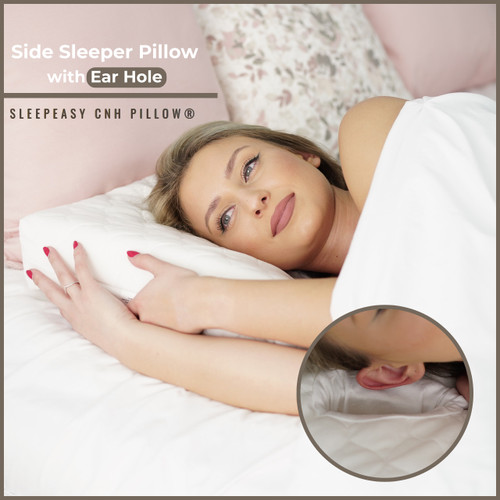
The most effective way to treat and prevent CNH is to remove pressure from the ear entirely. That’s where ear relief pillows come in. This approach targets the core issue that other treatments overlook.
How an Ear Hole Pillow Works
A pillow with a hole is designed with a cutout positioned exactly where your ear rests. This allows your ear to hang freely, eliminating all direct contact with the pillow surface. No rubbing. No compression. Just instant relief.
By giving your ear space, these pillows stop ongoing damage, promote natural healing, and prevent recurrence. Unlike temporary fixes, this approach targets the mechanical pressure that causes CNH in the first place.
The Original P.W.A.H.: A Proven Solution
Developed through nearly a decade of user feedback, the Original P.W.A.H. is the leading CNH pillow trusted by thousands. It’s not just a gimmick. It’s a medically sound strategy based on pressure redistribution, similar to how special mattresses help heal bed sores.
Users report immediate pain reduction, noticeable healing within two weeks, and improved sleep quality. Because everyone sleeps differently, there are multiple versions to suit various needs.
Choose the Right CNH Pillow

Not all ear pillows are created equal. Here’s how to pick the best one for your situation, based on your specific needs and preferences.
Original P.W.A.H. V1: Best All-Rounder
This model serves as the original, best-selling ear pillow and works well for first-time users. It provides medium-firm support with soft, breathable fabric at an affordable entry point. It’s ideal for general ear sensitivity, piercings, and tinnitus.
Original P.W.A.H. V2: Premium Comfort
This refined version features upgraded materials and a quilted outer layer for extra comfort and durability. It’s ideal for long-term daily use if you rely on your ear pillow every night. The enhanced materials provide superior comfort and longevity.
Waterproof and Wipe Clean P.W.A.H.: For Medical Use
This version offers all the ear-protecting benefits with a soft, waterproof, wipe-clean surface. It’s perfect if you use creams or ointments, or if your pillow often ends up in the wash. The waterproof surface resists stains and bacteria.
All models come with a 14-day risk-free guarantee. Return it in any condition if you’re not satisfied.
How to Use Your CNH Pillow Correctly
Getting relief depends on proper use. Following these guidelines ensures you get the maximum benefit from your ear hole pillow.
Position the Hole Precisely
When lying on your side, align the ear hole so your ear fits completely through. No part should rest on the pillow edge. Adjust your head position until you feel zero pressure. You should hear a slight echo in your ear when it’s fully suspended in the hole.
Sleep on Both Sides If Possible
While it’s tempting to avoid the sore side, try alternating sides. This prevents pressure buildup on the opposite ear and promotes balanced healing. If only one side is affected, start with short periods on the healthy side to build tolerance.
Combine With Soft Bedding
Pair your CNH pillow with smooth cotton or silk pillowcases to reduce friction. A supportive mattress prevents sinking and misalignment. Optional ear protectors or soft headbands provide added cushioning. Avoid wool or rough fabrics that can irritate sensitive skin.
Prevent CNH From Returning
Once your ear heals, don’t go back to your old pillow. Prevention is key to avoiding recurrence of this painful condition.
Make the Switch Permanent
Even after symptoms disappear, resuming use of a regular pillow risks recurrence. The structural weakness in the ear cartilage remains, making it vulnerable to re-injury. Continue using your ear hole pillow every night for lasting protection.
Monitor for Early Signs
Watch for redness after waking, tenderness when pressing on the ear, and flaky or scaly skin on the helix. Catch it early, and you can prevent another full-blown episode before it starts.
Protect Piercings and Sensitive Ears
Even without CNH, piercings, tinnitus, or post-surgical ears benefit from pressure-free sleep. Using an ear hole pillow is a proactive step toward overall ear health.
When to See a Doctor
While a pressure-relief pillow is the best long-term solution, don’t skip medical evaluation. Professional diagnosis is essential before starting any treatment.
Rule Out Other Conditions
CNH can mimic skin cancer, infections, and autoimmune disorders. Always get a diagnosis before starting treatment. A dermatologist can confirm CNH with a visual exam or biopsy.
Use Medical and Mechanical Treatments Together
Best results come from combining doctor-prescribed care with pressure relief. Think of your pillow as part of your treatment plan, not a replacement for professional care.
Real Results: What Users Say
Thousands have found relief using the Original P.W.A.H. Common feedback shows consistent results across different users.
One user reported having surgery twice with recurrence both times. After switching to the P.W.A.H., the ear healed in three weeks and hasn’t flared up since. Another user mentioned using steroid cream for months with no improvement, but one week with the hole pillow eliminated the pain. A third user noted that even if you’re not sure you have CNH, if your ear hurts when you sleep, this pillow changed their life.
These aren’t isolated cases. Consistent results show that removing pressure works where creams and surgery fail.
Frequently Asked Questions About Treating Pillow Ear
What is pillow ear and how does it develop?
Pillow ear, medically known as Chondrodermatitis Nodularis Helicis (CNH), is a pressure sore that forms on the ear from repeated friction and compression during sleep. It develops when pressure and friction from the pillow break down the skin faster than the body can repair it, especially in side sleepers.
How long does it take for pillow ear to heal?
With proper pressure relief, many users report noticeable healing within two weeks. The exact timeline varies depending on the severity of the condition and how consistently you use the ear hole pillow.
Can pillow ear heal on its own without treatment?
No, CNH typically does not heal on its own. The constant pressure from sleeping on your ear prevents natural healing. Without removing the pressure source, the condition will continue to worsen over time.
Are steroid creams or surgery the best treatment options?
While doctors often prescribe steroid creams or recommend surgery, these treatments often fail because they don’t address the root cause. Without changing your sleeping environment, the condition frequently recurs.
Is an ear hole pillow effective for both ears?
Yes, you can use an ear hole pillow regardless of which ear is affected. Simply position the hole under the affected ear. If both ears are sensitive, alternating sides while using the pillow provides balanced protection.
Key Takeaways for Treating Pillow Ear

Pillow ear (CNH) is caused by pressure and friction during sleep, making it a mechanical problem rather than a medical one. Standard treatments like creams and surgery often fail because they don’t stop the root cause of ongoing pressure. An ear hole pillow removes pressure entirely, allowing natural healing to occur. The Original P.W.A.H. is clinically effective and user-tested, with thousands of success stories. Use your ear hole pillow every night, even after healing, to prevent recurrence.
CNH doesn’t heal on its own. The longer you wait, the deeper the damage. The good news is that relief comes quickly once pressure is removed. Try a pillow with an ear hole today. With a 14-day guarantee, there’s no risk, just the chance to sleep pain-free again. Your ears deserve a break. Give them space to heal.