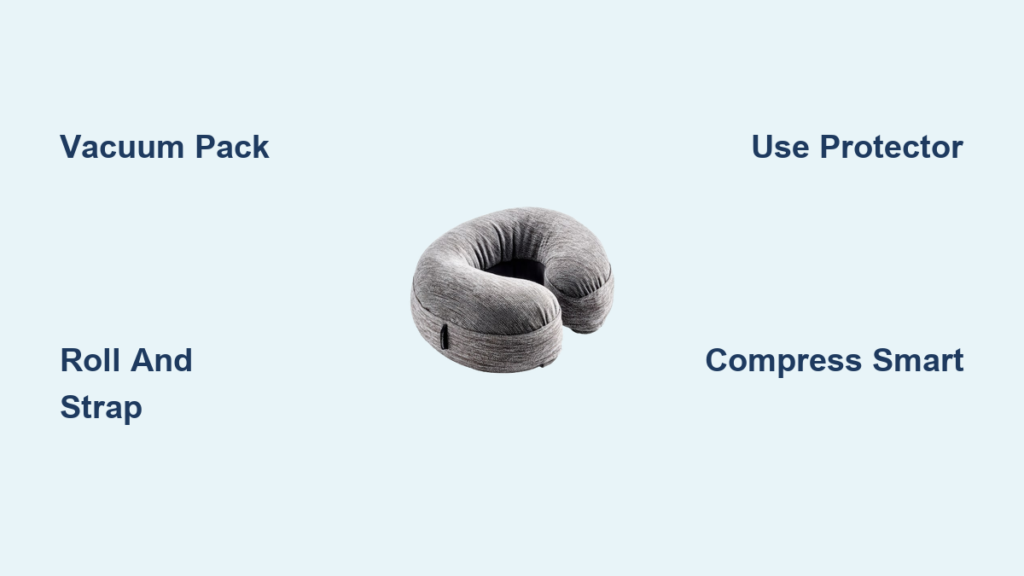
Imagine settling into your plane seat after a long day, only to realize the airline’s tiny neck pillow feels like a deflated pool toy. You toss and turn, waking up stiff, groggy, and wishing you had brought your own pillow. You are not alone. Millions of travelers sacrifice sleep and comfort because they assume a personal pillow is too bulky to pack. But with the right techniques, how to pack a pillow for travel does not have to mean choosing between comfort and suitcase space.
Packing your own pillow boosts sleep quality, supports your neck, and keeps allergens at bay. Whether you are on a red-eye flight, a cross-country road trip, or camping under the stars, bringing your pillow is a game-changer. This guide reveals the smartest ways to pack any pillow, from full-size memory foam to compact inflatables, without wasting space or risking damage.
Choose the Right Travel Pillow
Not all pillows are created equal for travel. Picking one designed for portability saves space and stress.
Memory Foam: Best for Support
Memory foam pillows mold to your neck and head, offering unmatched comfort. Look for compressible models, especially those with open-cell or shredded foam that expand and rebound quickly. Brands like Ecosa and Pain-Free Aussies design their pillows to shrink by up to 80% in compression bags and regain shape in under 5 minutes. Some even infuse foam with activated charcoal to resist odors and bacteria, making them ideal for long trips.
Pro Tip: Avoid solid, dense memory foam unless it is labeled travel-friendly. Traditional versions do not compress well and take hours to expand.
Inflatable: Best for Space-Saving
Inflatable pillows are the lightest, most compact option. Deflated, they fit in a pocket or small pouch. Most feature adjustable firmness, letting you customize support. U-shaped designs cradle the neck during seated rest, but they are less useful for lying down.
Watch Out: Inflatable pillows can feel plasticky and trap heat. Choose models with soft-touch fabric covers and breathable mesh panels.
Microbead: Best for Moldability
Filled with tiny polystyrene beads, these pillows conform to your body like sand. They are softer than memory foam and quieter than inflatables. Great for side sleepers who need gentle support. However, they flatten over time and are not ideal for long-term use.
Full-Size: Best for Maximum Comfort
If you cannot sleep without your bed pillow, bring it, but only if it is compressible. Many modern full-size pillows are engineered to be vacuum-packed. Use a compression sack to shrink it to the size of a basketball. Perfect for road trips or checked luggage travel.
Compress Your Pillow Efficiently
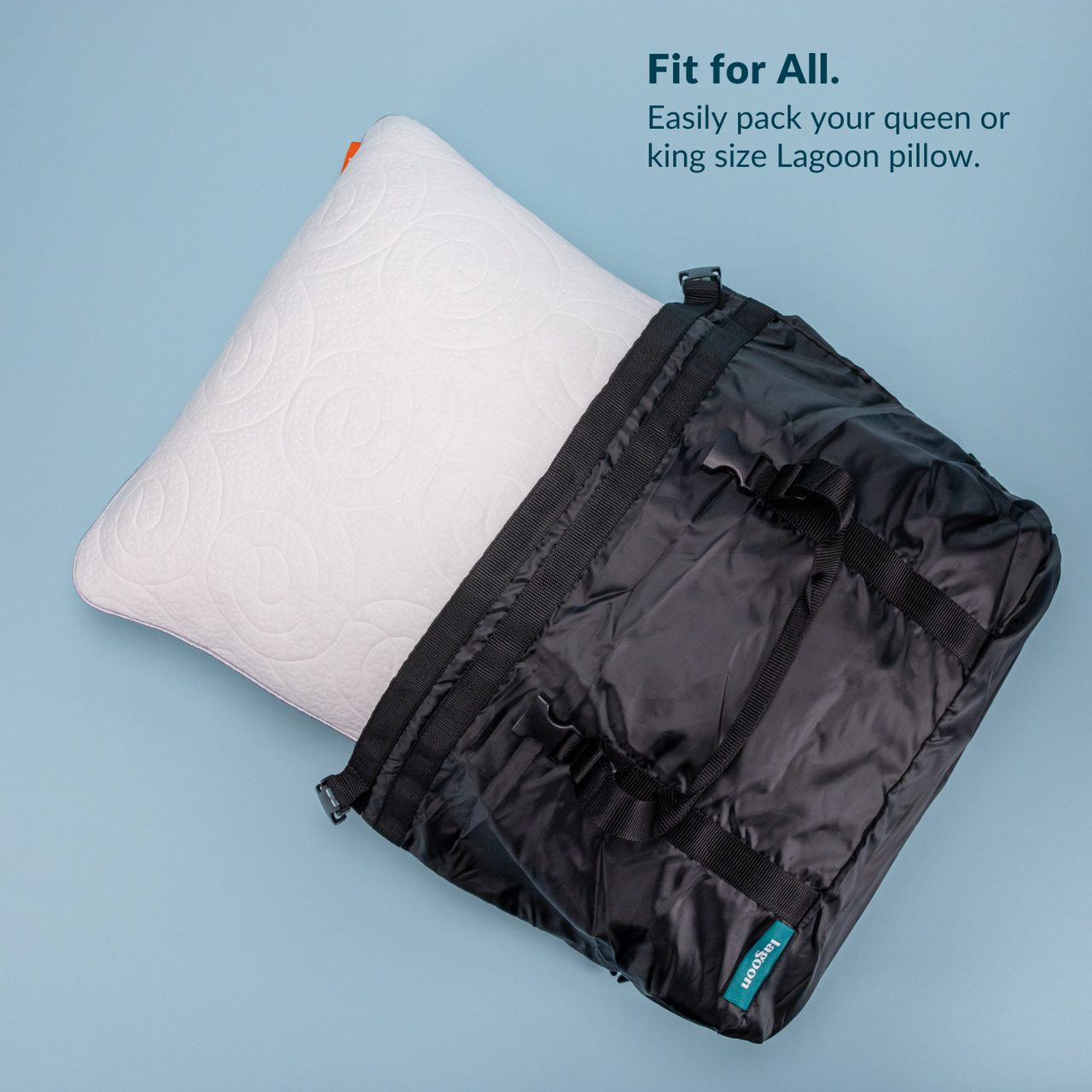
Shrinking your pillow is the number one space-saving trick. Use these proven methods.
Vacuum Pack With Compression Bags
This is the gold standard for bulky pillows.
- Dry the pillow completely. Never vacuum-pack a damp pillow.
- Place it inside a valve-seal compression bag.
- Seal the bag, leaving a corner open.
- Use a vacuum cleaner to suck out air, or press down and roll the air out manually.
- Seal fully and pack flat.
Result: An average memory foam pillow shrinks from 24 inches to just 6 to 8 inches in thickness.
Bonus: Many premium pillows include two reusable compression bags, one for travel and one for storage.
Roll and Strap for Medium Pillows
No vacuum? No problem.
- Fold the pillow in half lengthwise.
- Roll it tightly from one end to the other.
- Secure with elastic bands, packing straps, or luggage ties.
This method works best for low-loft or flat pillows. It keeps fluff contained and prevents unraveling during transit.
Use a Dedicated Travel Bag
Some pillows come with branded travel bags featuring compression zippers or straps, water-resistant outer fabric, and carry handles or luggage clips. These protect against dirt, spills, and compression damage. They are reusable and sleek, ideal for frequent flyers.
Wrap in a Towel (No Tools Needed)
A quick, budget-friendly hack:
- Lay a clean towel flat.
- Place the folded pillow in the center.
- Wrap tightly and secure ends with rubber bands or string.
The towel acts as a protective shell and keeps the pillow clean. Plus, you can use it as a travel pillow cover later.
Protect Hygiene During Travel
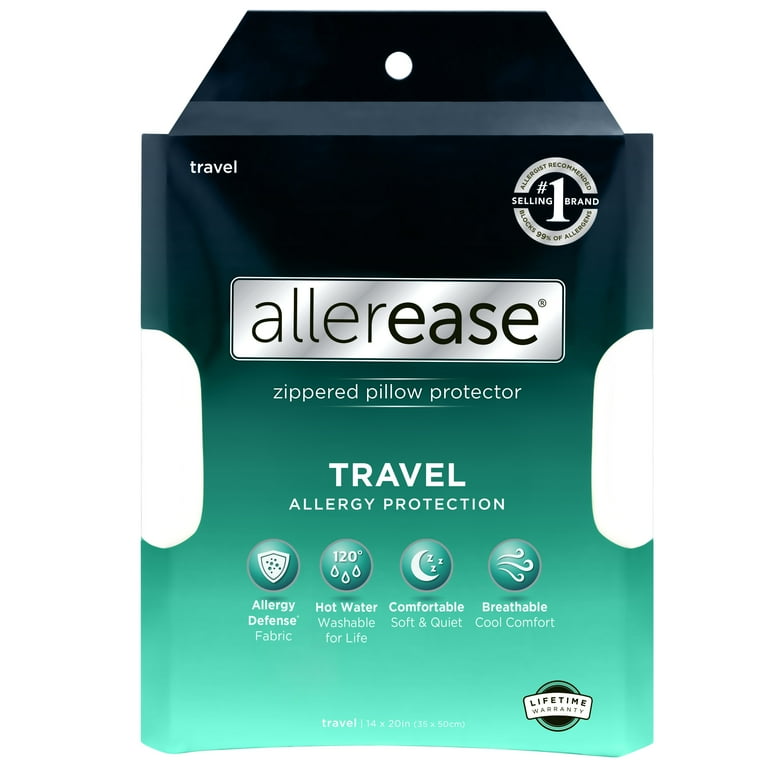
Your pillow stays clean only if you plan ahead.
Use a Washable Pillow Protector
Slip on a removable, hypoallergenic protector before packing. It blocks sweat and oils, dust mites and bacteria, and allergens and spills. Choose moisture-wicking, antimicrobial covers, especially for memory foam, which traps heat and moisture.
Pack a Spare Pillowcase
One extra case takes almost no space but makes a big difference. Use a fresh one upon arrival, swap mid-trip if needed, and wash in the sink with travel detergent. Cotton or bamboo cases are breathable and easy to clean.
Try Disposable Covers (When Necessary)
For short flights or emergency use, disposable pillow covers offer a clean surface without bulk. They are not eco-friendly, but they are handy when hygiene is critical and washing is not possible.
Pick Pillows With Removable Covers
Top travel pillows feature zip-off, machine-washable covers. The Ecosa Pillow, for example, lets you toss the cover in the wash after every trip, no deep cleaning the foam required.
Store Your Pillow Safely
How and where you store your pillow affects its condition and accessibility.
In Checked or Carry-On Luggage
Place the pillow in a separate compartment to avoid crushing. Use it to cushion fragile items like cameras or glasses. Wrap in a waterproof bag to protect against leaks from toiletries or rain.
Warning: Avoid placing heavy items on top. This can damage foam structure or delay expansion.
As a Carry-On Item
Keep your pillow within reach. Attach it to your carry-on with a luggage strap or carabiner. Store in an outer pocket for quick boarding access. Use it immediately to avoid stowing it overhead. Carrying it ensures you sleep better from takeoff and keeps it germ-free.
Optimize for Different Travel Types
Tailor your pillow strategy to your trip.
Air Travel: Maximize Space, Minimize Hassle
Check airline carry-on size limits. Some restrict oversized items. Choose compressible or inflatable pillows to save space. If not bringing your own, pack a personal pillowcase to cover the airline pillow.
Hack: Vacuum-pack at home, then store the compressed pillow in your suitcase. Unpack and let it expand once you reach your destination.
Road Trips: Comfort Over Compactness
Cars offer more space, so go big if you want. Keep the pillow behind the passenger seat for easy access. Use it as lumbar support or door-side cushion to prevent arm numbness. Full-size pillows work great. No need to compress unless trunk space is tight.
Camping: Prioritize Weight and Drying Speed
Backpackers need ultralight, fast-drying options. Choose inflatable or microbead pillows designed for camping. Avoid standard memory foam. It absorbs moisture and dries slowly. Look for ripstop nylon or water-resistant coatings.
Bonus: Some inflatables double as emergency flotation devices. Not a substitute for life vests, but helpful in a pinch.
Get More From Your Travel Pillow
Your pillow is not just for your head. Use it in creative ways.
Lumbar Support on Long Rides
Tuck it behind your lower back on planes or trains to maintain spine alignment and prevent slouching.
Seat Cushion for Hard Surfaces
Place under your hips on stiff seats to reduce tailbone pressure. Especially helpful for elderly travelers or those with sciatica.
Armrest Pad
Rest your arms comfortably while reading or using a tablet. Stops elbow fatigue during long flights.
Yoga or Meditation Prop
Use as a support in poses like reclined bound angle or seated forward fold. Great for pre-flight stretching or campground mindfulness.
Child Travel Aid
Boost toddlers for better visibility or use as a side support to keep them from rolling during naps.
Choose a Pillow That Fits Your Needs
Do not guess. Pick wisely based on your travel habits.
Key Features to Prioritize
| Feature | Why It Matters |
|---|---|
| Compressibility | Saves suitcase space. Essential for carry-ons. |
| Quick Recovery | Foam should expand fully in 5 to 10 minutes. |
| Hygienic Materials | Antimicrobial foam resists odors and bacteria. |
| Removable Cover | Easy cleaning without soaking the core. |
| Ergonomic Shape | Supports neck alignment, especially for side sleepers. |
| Lightweight | Reduces carry-on weight. Ideal for hiking or backpacking. |
| Includes Accessories | Compression bags or travel pouches add value. |
Top Recommended Models
Ecosa Pillow: Premium choice. Shredded memory foam, charcoal-infused, washable cover, two compression bags included. Ideal for frequent travelers.
Pain-Free Aussies Memory Foam Pillow: Designed for neck pain relief. Comes with a durable travel bag. Great for long-haul flights.
Generic Inflatable U-Pillow: Budget pick. Lightweight, fits in a pocket. Best for occasional use.
Store Your Pillow Long-Term
When not traveling, store it right to extend its life.
Use Breathable Storage
Never use plastic bags. They trap moisture and encourage mold. Instead, opt for cotton storage sacks, mesh bags, or vacuum-seal for seasonal storage.
Pro Tip: Allow the pillow to air out for 24 hours after vacuum storage before using.
Keep It Dry and Cool
Store in a dark, dry place away from sunlight. UV rays degrade foam over time.
Fluff and Rotate
Even in storage, fluff your pillow monthly to maintain loft and prevent permanent compression.
Balance Comfort and Space
The biggest travel dilemma is comfort versus convenience.
Inflatable pillows save space but lack support. Microbead pillows are soft but flatten quickly. Memory foam offers the best comfort if you are willing to pack smart.
For most travelers, a compressible memory foam pillow is the sweet spot. It delivers restful sleep, packs small, and lasts for years.
Invest in Quality for Long-Term Value
A 50-dollar travel pillow may seem expensive until you consider the payoff. Better sleep means more energy and less jet lag. Neck support means fewer headaches and stiffness. Clean surface means lower allergy and illness risk.
Frequent travelers save money over time by avoiding replacements. Durable models like Ecosa are built to last 3 to 5 years with proper care.
Make Ethical and Eco-Friendly Choices
Travel smarter, not just lighter.
Choose pillows made with plant-based memory foam or recyclable materials. Reuse compression bags instead of disposable plastic. Avoid single-use disposable covers when possible. Buy durable models to reduce waste from frequent replacements.
Small choices add up, especially if you travel often.
Complete Packing Checklist
Follow this 7-step workflow every time:
- Pick Your Pillow based on trip length and space.
- Clean it wash the cover and ensure the core is dry.
- Compress it use vacuum bag, roll-and-strap, or travel pouch.
- Protect it add a pillow protector and pack a spare case.
- Store it in luggage compartment or carry-on.
- Unpack it let memory foam expand fully before use.
- Clean post-trip wash cover, air out core, store properly.
Key Takeaways for Packing a Pillow for Travel
Packing a pillow for travel is not a luxury. It is a smart move for better sleep, comfort, and hygiene. With the right pillow and packing method, you can enjoy the support of home no matter how far you go. The best approach starts with choosing a compressible pillow, either memory foam or inflatable, depending on your space needs. Protect it with a washable protector and spare pillowcase. Use vacuum compression bags or rolling techniques to maximize suitcase space. Store it properly during transit to prevent damage.
Whether you are flying, driving, or hiking, a well-packed pillow means waking up refreshed, not sore. Start today. Compress, protect, and travel better, one pillow at a time.
Frequently Asked Questions About Packing a Pillow for Travel
What is the best way to compress a memory foam pillow for travel?
The most effective method is vacuum packing. Place the dry pillow in a compression bag, seal it, and use a vacuum cleaner to remove air. This can reduce the pillow size by up to 80%. Some pillows come with included compression bags for this purpose.
Can I bring a full-size pillow as carry-on luggage?
Yes, but it must be compressible. Standard full-size pillows are too bulky. Look for models specifically designed for travel compression. Use a compression bag to shrink it to carry-on compliant dimensions.
How do I keep my travel pillow clean?
Use a washable pillow protector and pack a spare pillowcase. Choose pillows with removable, machine-washable covers. For short trips, disposable covers work in a pinch.
How long does it take for compressed memory foam to expand?
Quality travel pillows designed for compression typically expand fully within 5 to 10 minutes. Allow up to 30 minutes for full recovery if the pillow was compressed for an extended period.
Are inflatable pillows better than memory foam for travel?
It depends on your priorities. Inflatable pillows are lighter and more compact but offer less comfort and support. Memory foam provides superior comfort and neck support but requires more packing effort. For most travelers, a compressible memory foam pillow offers the best balance.
Can I use my travel pillow for camping?
Yes, but choose wisely. Avoid standard memory foam as it absorbs moisture and dries slowly. Opt for inflatable or microbead pillows designed for outdoor use. Look for water-resistant coatings and quick-drying materials.